

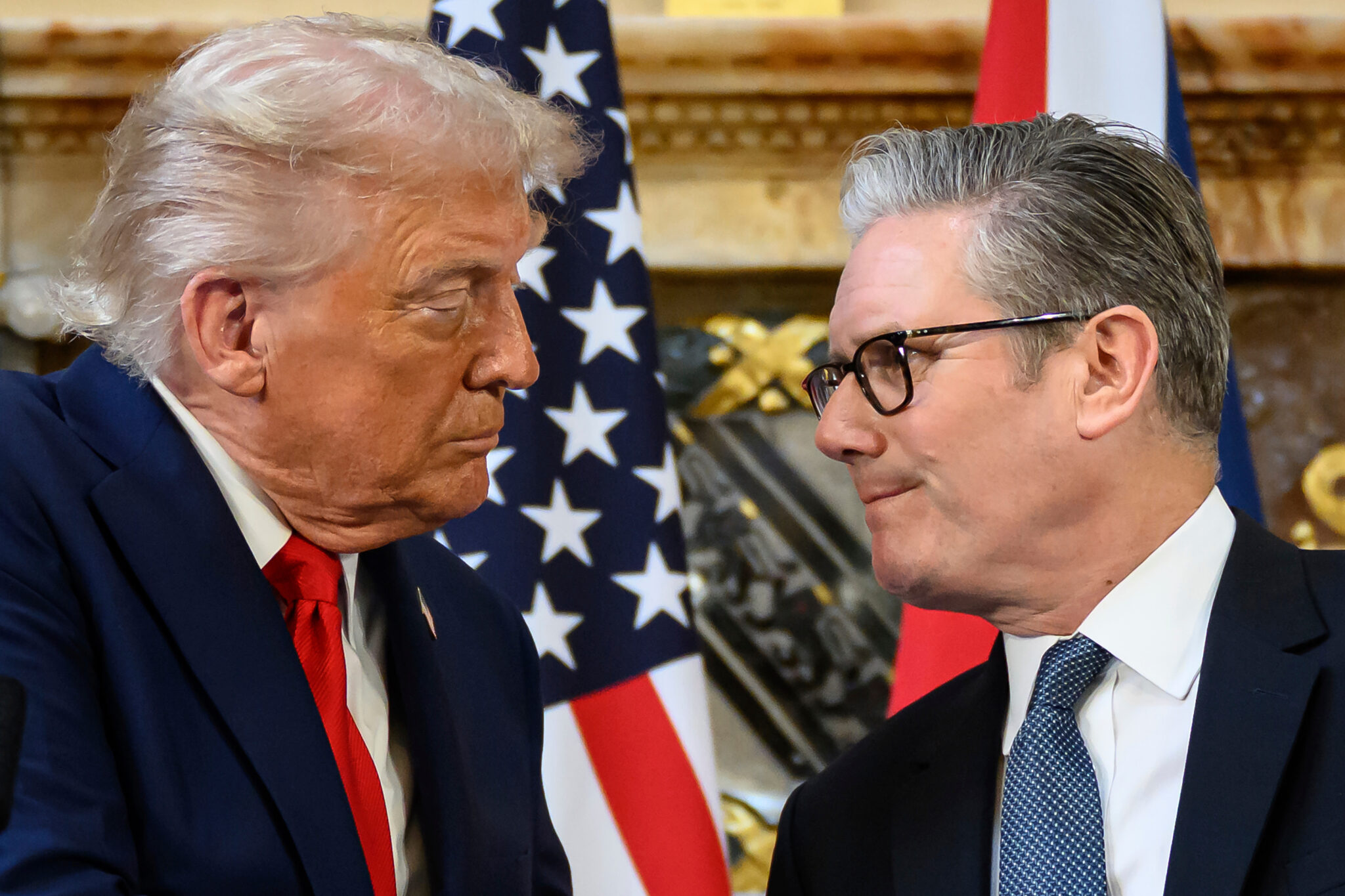
War with Iran Strains US-UK Relationship as Starmer and Trump Disagree/ Newslooks/ WASHINGTON/ J. Mansour/ Morning Edition/ The war with Iran has exposed growing tensions between U.S. President Donald Trump and U.K. Prime Minister Keir Starmer. Starmer has refused to join offensive strikes, drawing public criticism from Trump. The disagreement tests the long-standing U.S.-U.K. “special relationship” at a volatile geopolitical moment.
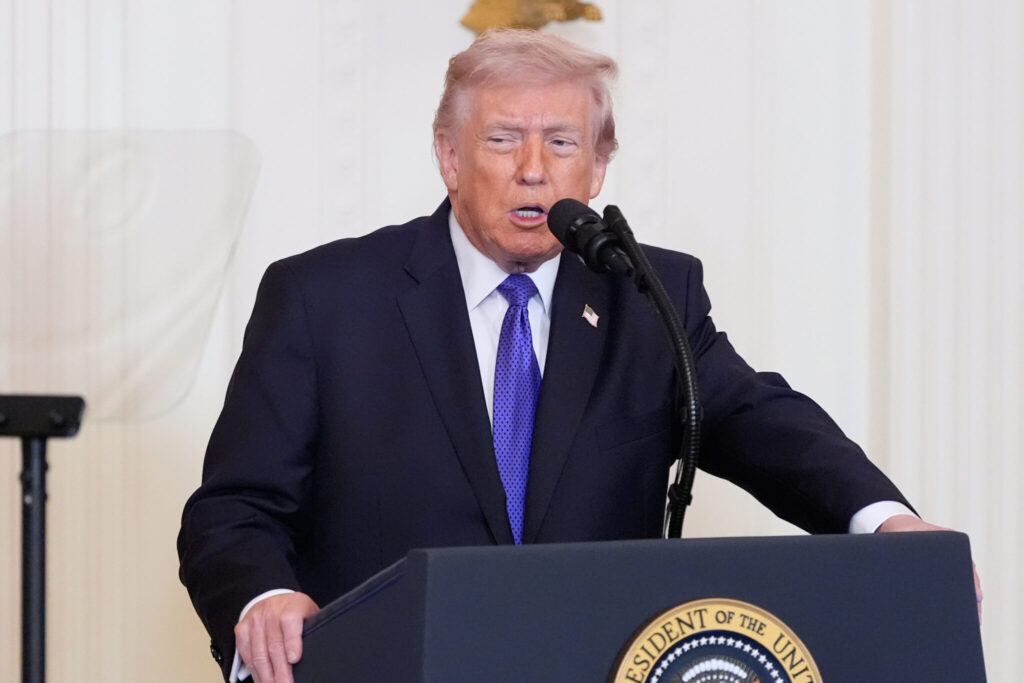
Iran War Strains US-UK Alliance Quick Looks
- Trump criticizes Starmer’s refusal to join strikes
- U.K. blocks some U.S. base access initially
- Britain sends warship and helicopters for defense
- Starmer rejects “regime change from the skies”
- U.S.-U.K. “special relationship” under pressure
- European leaders divided over Iran conflict
- Domestic political backlash in Britain
- NATO chief backs U.S. action
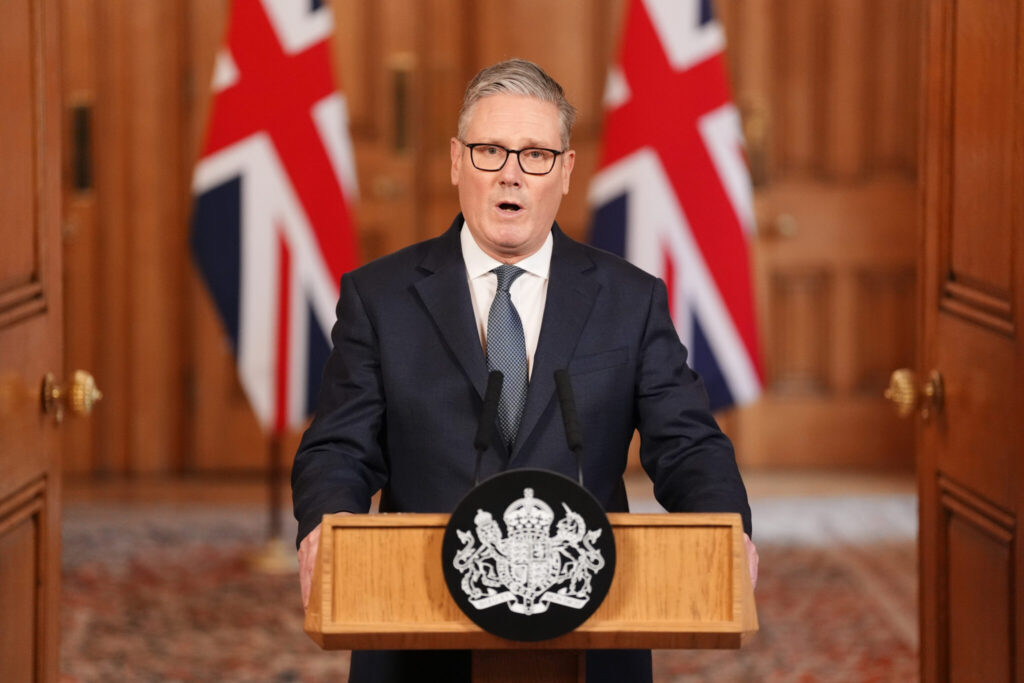
Deep Look
Iran War Exposes Strains in US-UK Relationship as Starmer and Trump Diverge
LONDON — The expanding war with Iran has triggered fresh tensions between the United States and the United Kingdom, testing a traditionally close alliance as Prime Minister Keir Starmer and President Donald Trump take sharply different approaches to military involvement.
While Starmer has consistently avoided criticizing Trump publicly, the American president has openly rebuked Britain’s reluctance to participate fully in the U.S.-Israeli strikes on Iran.
In an interview with British tabloid The Sun, Trump suggested the bilateral relationship had cooled.
“This was the most solid relationship of all,” Trump said, comparing Britain unfavorably to other European allies. “The U.K. has been much different from others.”
Britain Declines Offensive Role
Starmer initially barred U.S. aircraft from using British bases to launch strikes on Iran when the conflict began Saturday. He later allowed limited access to facilities in England and Diego Garcia in the Indian Ocean for attacks targeting Iranian ballistic missile systems and storage sites — but stopped short of endorsing broader offensive operations.
Even after a British military base at Akrotiri in Cyprus was struck by an Iran-made drone, Starmer maintained that the U.K. would not take part in offensive action.
On Tuesday, he announced that the Royal Navy destroyer HMS Dragon and helicopters equipped with counter-drone capabilities were being deployed to the region strictly for defensive purposes.
A Subtle Rebuke of Washington
Starmer delivered a carefully worded but pointed critique of the U.S. approach, telling lawmakers that Britain does not support “regime change from the skies.”
“Any U.K. actions must always have a lawful basis and a viable, thought-through plan,” he said in Parliament, emphasizing the need for legal justification and strategic clarity.
He acknowledged Trump’s disagreement but defended his stance as serving Britain’s national interest.
Observers described the moment as a defining test for Starmer, who has worked to cultivate stable ties with Washington despite broader tensions stemming from Trump’s “America First” foreign policy.
Growing Friction
The disagreement adds to months of underlying friction between the two leaders.
Earlier this year, Starmer joined other European leaders in criticizing Trump’s suggestion that the United States should assume control of Greenland. More recently, Trump objected to Britain’s decision to transfer sovereignty over the Chagos Islands — home to the strategically vital Diego Garcia base — to Mauritius, despite earlier U.S. backing of the arrangement.
Diplomatic analysts suggest the Iran war highlights broader philosophical differences.
Peter Ricketts, former head of Britain’s Foreign Office, said Trump’s administration has shown less concern for international legal frameworks — a sensitive issue for Starmer, a former barrister and chief prosecutor.
Europe Divided
The war has exposed divisions across Europe as well.
NATO Secretary-General Mark Rutte voiced strong support for Trump’s decision to strike Iran and eliminate its supreme leader, framing the operation as critical to European security.
By contrast, Britain, France and Germany released a joint statement emphasizing that they were not directly involved in the strikes, though they signaled readiness to support defensive measures.
Spain’s Prime Minister Pedro Sánchez condemned the attacks as “unjustifiable” and “dangerous.”
Domestic Political Pressures
At home, Starmer faces criticism from both sides.
Opinion polls suggest many Britons remain skeptical of the justification for war. However, political figures to the right of Starmer’s Labour Party have attacked him for failing to align more closely with Washington.
Conservative Party leader Kemi Badenoch said her party supports U.S. action against what she called state-sponsored terror.
Despite the tensions, Foreign Office Minister Stephen Doughty insisted the alliance remains intact.
“Our relationship with the United States is strong,” Doughty told Parliament. “It has endured, it continues to endure, and it will endure into the future.”
A Relationship Under Scrutiny
The U.S.-U.K. alliance — often described as the “special relationship” — has historically weathered wars, political transitions and policy disagreements.
Yet the Iran conflict underscores how diverging strategic priorities can strain even the closest partnerships.
For Trump, the war represents decisive leadership on the global stage. For Starmer, it is a moment requiring caution, legality and measured engagement.
Whether these differing approaches signal temporary tension or a deeper shift in trans-Atlantic alignment may depend on how long the war lasts — and how costly it becomes for both nations.





You must Register or Login to post a comment.