Warner Bros Rejects Paramount Again, Endorses Netflix Deal/ Newslooks/ WASHINGTON/ J. Mansour/ Morning Edition/ Warner Bros. has once again turned down Paramount’s $77.9 billion takeover offer, urging shareholders to support Netflix’s $72 billion bid instead. Executives cited risks in Paramount’s debt-heavy proposal. The competing offers could reshape the streaming and entertainment landscape.
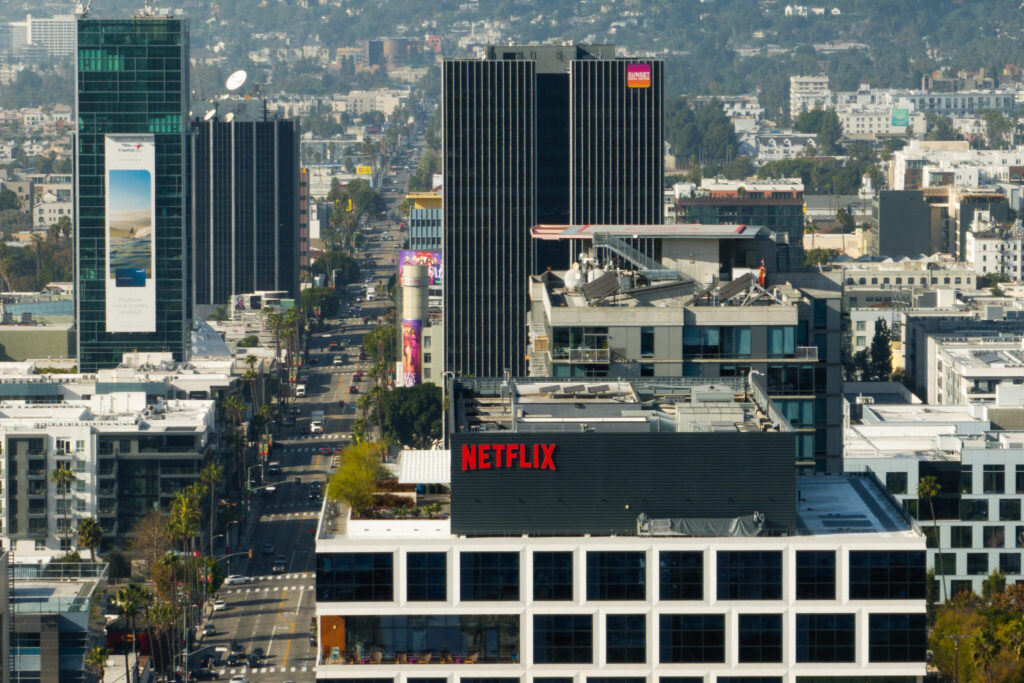
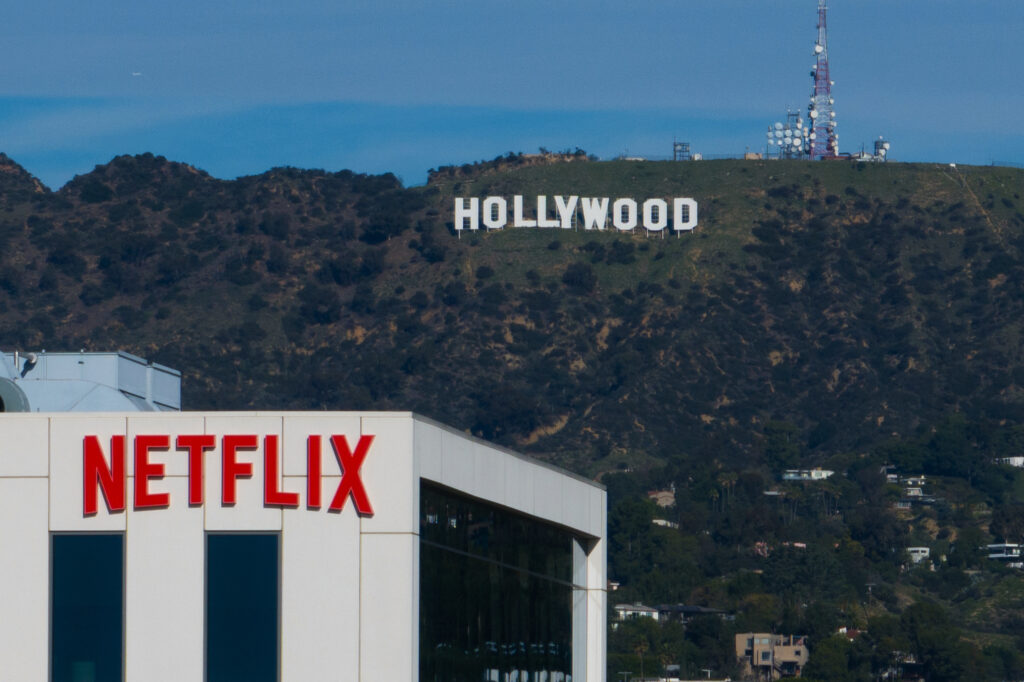
Warner Bros Acquisition Battle Quick Looks
- Warner Bros rejects Paramount’s $77.9 billion hostile takeover
- Board reaffirms support for Netflix’s $72 billion offer
- Paramount’s bid involves high debt and complex financing
- Netflix deal covers only Warner’s studio and streaming business
- Paramount aims to acquire Warner Bros in its entirety
- Warner’s board warns of risks in Paramount’s approach
- Larry Ellison backing Paramount bid with $40.4 billion guarantee
- Shareholders have until January 21 to tender shares
- Antitrust scrutiny expected for either merger attempt
- Trump’s administration may influence regulatory outcome

Warner Bros Rejects Paramount Again, Endorses Netflix Deal
Deep Look
Warner Bros. Discovery has once again rejected Paramount Global’s aggressive acquisition bid, urging shareholders to support a rival offer from Netflix instead. The latest refusal, announced Wednesday, reaffirms the company’s strategic alignment with Netflix, despite Paramount’s higher $77.9 billion offer compared to Netflix’s $72 billion bid.
In a letter to shareholders, Warner Bros. made it clear that it views Paramount’s proposal as financially unstable and overly dependent on debt, categorizing it as a leveraged buyout. The board concluded that the structure and terms of Paramount’s offer expose Warner Bros. and its shareholders to unacceptable financial risk and uncertainty.
“Paramount’s offer continues to provide insufficient value,” said Warner Bros. Discovery Chair Samuel Di Piazza Jr. “It includes an extraordinary amount of debt financing, risk to close, and lacks adequate protections if the deal is not completed.” He added that the Netflix proposal, on the other hand, “offers superior value at greater levels of certainty.”
The rejection marks the latest development in an intense corporate standoff that could redefine the entertainment and streaming industries. Paramount has tried to make its offer more appealing in recent weeks, including a significant financial guarantee from Oracle co-founder Larry Ellison, who also happens to be the father of Paramount CEO David Ellison. Larry Ellison personally pledged $40.4 billion in equity financing, a rare and bold move in corporate takeovers.
Additionally, Paramount matched Netflix’s proposed $5.8 billion breakup fee in case the deal is blocked by regulators — an attempt to reassure investors of its commitment to the acquisition.
Despite these sweeteners, Warner Bros. remains wary. In its letter, the company emphasized concerns over operational limitations that could hamper Warner’s performance during the deal process. The board indicated that Paramount’s restrictive terms would limit Warner’s ability to execute day-to-day operations effectively while the acquisition is under regulatory review.
The differences between the two offers are not limited to price or structure. Netflix is only interested in acquiring Warner’s studio and streaming business — including its iconic TV and film production units and streaming platforms like HBO Max. If successful, this would leave Warner’s news and cable properties, such as CNN and Discovery, to be spun off into a separate company as previously planned.
In contrast, Paramount is seeking a full takeover of Warner Bros, which includes all its divisions — from streaming and studios to news and broadcast networks. This expansive ambition has raised further questions about integration complexity and regulatory resistance.
Shareholders now face a critical decision. They have until January 21 to tender their shares. While Netflix’s bid is smaller in total value, Warner executives argue it is more practical, achievable, and strategically aligned with the company’s future vision.
Any merger — whether with Paramount or Netflix — will undergo extensive regulatory review. Due to the size and scope of Warner Bros., the U.S. Justice Department is expected to examine the transaction closely for antitrust concerns. The government could either challenge the merger outright, seek conditions, or request structural modifications to maintain market competition.
The deal could also face resistance from foreign regulators, especially in jurisdictions where Warner Bros, Netflix, and Paramount all operate major entertainment and streaming platforms. International competition authorities are increasingly critical of large media consolidations, adding another layer of uncertainty.
Political pressure is also mounting. With Donald Trump back in office, his administration’s influence may directly impact the fate of the merger. Trump has already made remarks suggesting he might intervene or influence approval decisions. His unorthodox involvement has raised concerns about political interference in what are traditionally regulatory matters.
This high-stakes corporate battle comes as the entertainment industry undergoes rapid consolidation and reinvention. Streaming wars, declining linear TV viewership, and a push for profitable direct-to-consumer models are forcing legacy media giants to reconsider their futures. Warner Bros., under CEO David Zaslav, is attempting to streamline and focus its operations, shedding less profitable arms and aligning with partners better positioned for global streaming dominance.
Whether Netflix or Paramount prevails, the result will almost certainly shape the future of Hollywood’s competitive landscape. Netflix, the global leader in streaming, would gain a deep library of content, powerful franchises, and enhanced studio infrastructure. Paramount, if successful, would instantly scale its media empire, combining content, news, and cable properties into a mega-conglomerate with global influence.
For now, Warner Bros is standing firm, placing its bets on the Netflix partnership — a deal it views as financially sound, strategically focused, and regulatory-friendly.