Warner Bros Urges Shareholders to Reject Paramount Bid/ Newslooks/ WASHINGTON/ J. Mansour/ Morning Edition/ Warner Bros. Discovery has urged investors to reject a $30-per-share hostile takeover bid from Paramount Skydance, backing a rival offer from Netflix instead. Despite Paramount’s higher offer, Warner claims the Netflix deal poses fewer financial and regulatory risks. The battle could reshape Hollywood’s power structure and faces strong political scrutiny.
Warner Bros Takeover Battle Quick Looks
- Warner Bros. asks investors to reject Paramount Skydance’s $30-per-share hostile bid.
- The board supports Netflix’s $27.75-per-share offer, citing lower risk.
- Paramount’s offer includes cable assets; Netflix’s excludes CNN, Discovery.
- Warner warns of Paramount’s “illusory” bid and financial instability.
- Kushner’s firm Affinity Partners exits backing of Paramount’s bid.
- Gulf sovereign wealth funds continue supporting Paramount’s acquisition push.
- Trump administration likely to influence regulatory decisions for both deals.
- Critics fear media consolidation and potential editorial interference.
- Netflix defends the merger, denying monopoly accusations.
- Warner Bros says Netflix’s proposal is free of foreign entanglements.
Deep Look
Warner Bros Rebuffs Paramount Skydance Bid, Aligns With Netflix in High-Stakes Media Showdown
In a dramatic escalation of Hollywood’s latest corporate battle, Warner Bros. Discovery has publicly urged its shareholders to reject a hostile takeover offer from Paramount Skydance, claiming the proposal is “inferior, illusory,” and fraught with financial and regulatory risk. Instead, the Warner Bros. board continues to back a lower offer from streaming giant Netflix, calling it more stable and strategically sound.
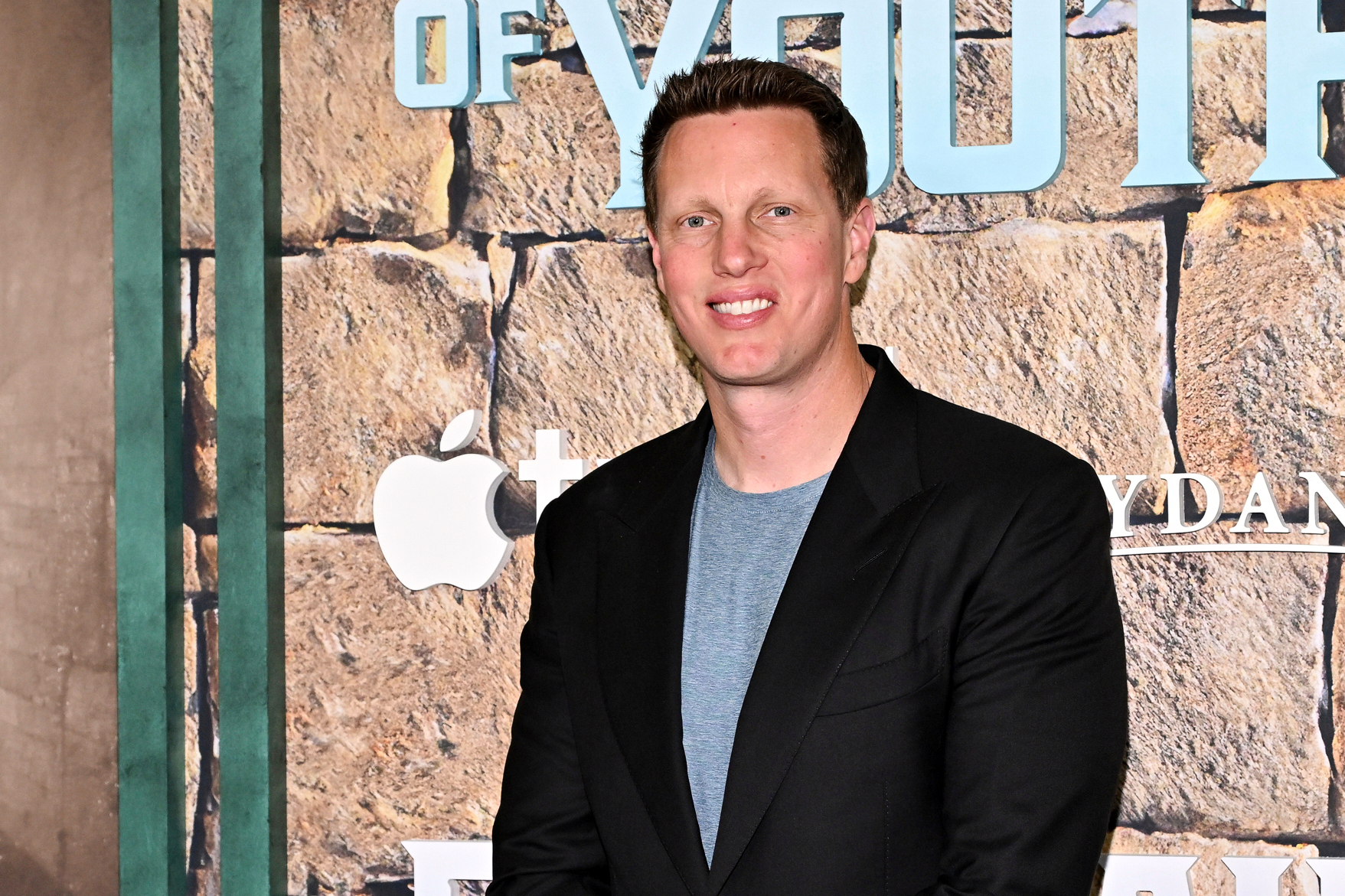
Paramount, led by newly installed CEO David Ellison, recently bypassed Warner’s leadership with a $30-per-share bid, taking the offer directly to shareholders after multiple unsuccessful attempts to engage company executives. The bid surpassed Netflix’s $27.75-per-share offer, which Warner’s board had previously endorsed. Still, Warner insists Netflix’s deal is more “solid,” with fewer unknowns and no reliance on external investors or sovereign wealth funds.
In a letter to investors released Wednesday, Warner Bros. stated:
“The WBD Board urges you to reject Paramount Skydance’s unsolicited, inferior and illusory tender offer.”
Paramount vs Netflix: Two Competing Visions
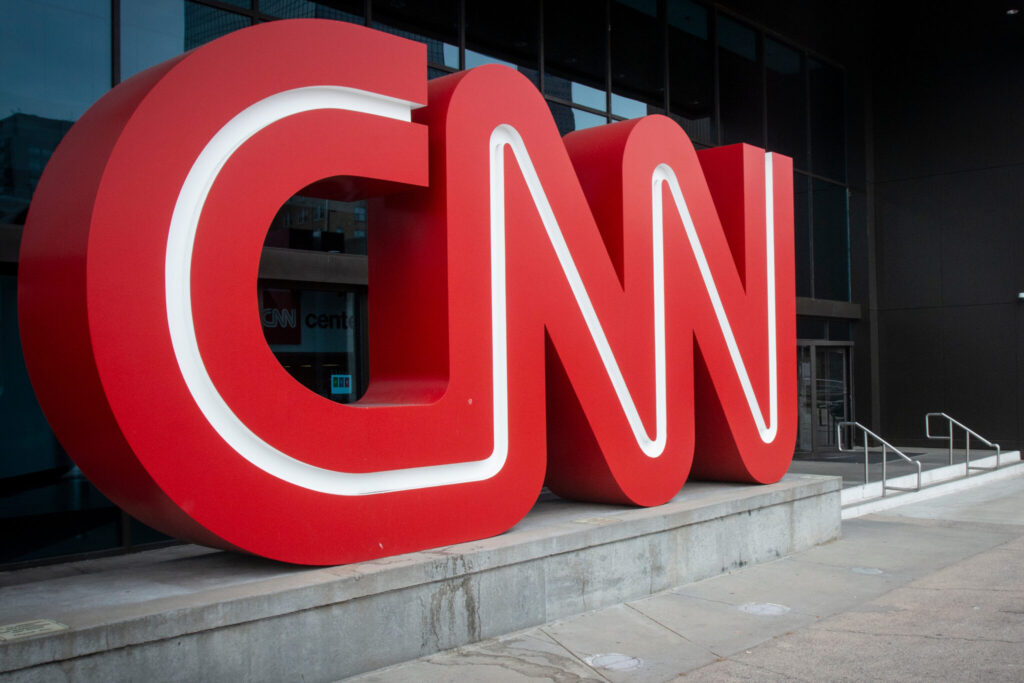
Paramount’s offer seeks to acquire all of Warner Bros. Discovery’s operations, including major cable assets such as CNN and Discovery Channel—channels excluded from the Netflix proposal. If successful, the acquisition would bring CBS and CNN under one corporate umbrella, a move already raising red flags about editorial independence and media consolidation.
In contrast, Netflix’s bid avoids entanglement with cable holdings by proceeding only after Warner completes its planned spinoff of those operations. According to Warner’s board, that strategy limits antitrust risk and avoids entangling the deal with foreign or politically sensitive investors.
Critics argue that merging Warner’s HBO Max with Netflix would create an outsized streaming powerhouse, potentially limiting competition. However, Netflix’s leadership counters that claim.
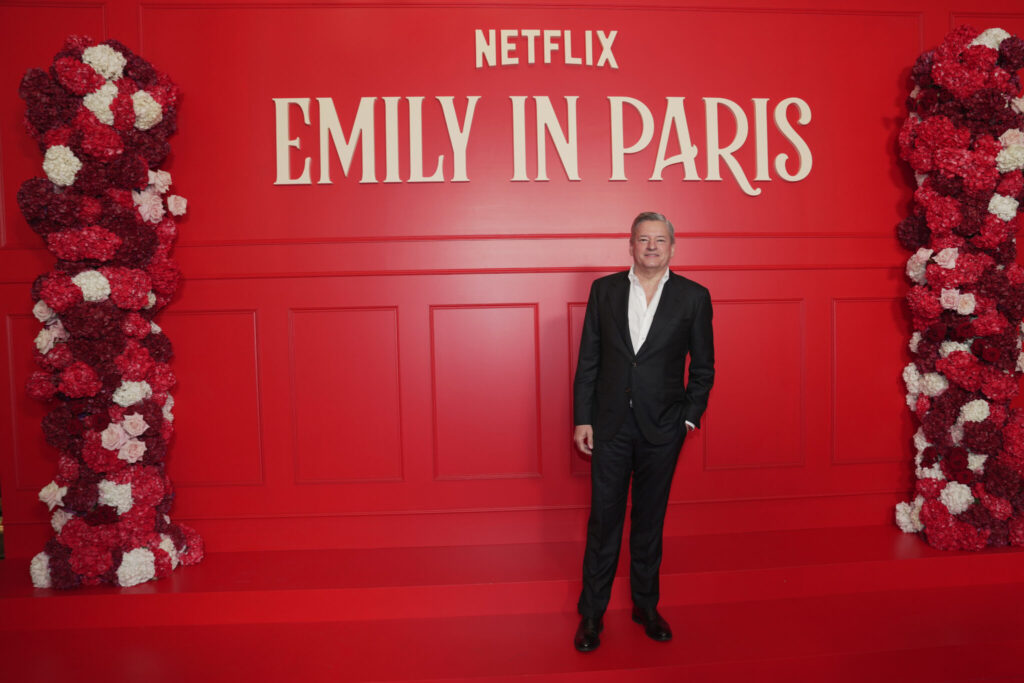
In a joint statement filed through Warner Bros., Netflix co-CEOs Greg Peters and Ted Sarandos said:
“We see this as a win for the entertainment industry, not the end of it.”
Political and Financial Pressures Mount
The takeover fight is unfolding under the watchful eye of the U.S. government. President Donald Trump has already suggested that the Netflix deal “could be a problem” due to its potential to dominate the streaming market. Trump, who has a long-standing friendship with Oracle founder Larry Ellison—David Ellison’s father—may have added influence over the fate of Paramount’s bid.
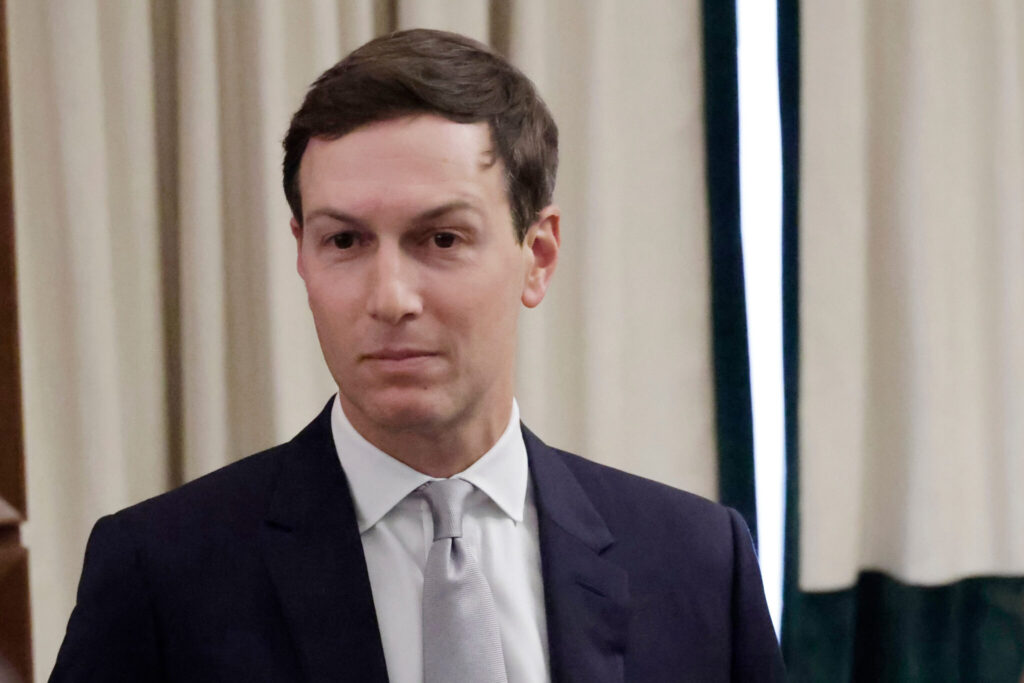
Adding complexity, Jared Kushner’s private equity firm, Affinity Partners, has pulled out of the Paramount offer. The firm, once expected to boost Paramount’s political favor with the Trump administration, said the “investment dynamics have changed significantly” since its initial involvement in October.
Despite the setback, Paramount’s bid remains alive, bolstered by billions in backing from sovereign wealth funds in Saudi Arabia, Abu Dhabi, and Qatar. These foreign investments are part of what Warner calls a “high-risk” financing structure that could face extensive regulatory scrutiny.
“There are no contingencies, no foreign sovereign wealth funds, and no stock collateral or personal loans,” Warner emphasized in its letter, touting Netflix’s bid as cleaner and more predictable.
Industry Impact and Future of Streaming
At stake is the future of one of the last remaining major legacy studios in Hollywood. Warner Bros. owns iconic assets like HBO, the DC Comics cinematic universe, Warner Bros. Pictures, and the Harry Potter franchise. A successful acquisition—by either suitor—would significantly reshape the competitive streaming and entertainment landscape.
Netflix, already the world’s dominant streaming service, would gain access to Warner’s deep content library and production capabilities. Paramount, meanwhile, would gain a scale leap, elevating its streaming platform Paramount+ and establishing a significant foothold in cable and global media.
Industry insiders fear that either merger could limit diversity in content, lead to job losses in production studios, and reduce the number of independent voices in film and journalism. Paramount’s interest in combining CNN with CBS News is especially controversial, considering recent accusations of political influence at CBS after Skydance’s $8 billion acquisition of Paramount earlier this year.
Trump, who has repeatedly clashed with CBS News, voiced his skepticism about the Ellison family’s support despite past affiliations.
“If they are friends, I’d hate to see my enemies!” he posted on Truth Social.
Looking Ahead
As of now, Warner Bros. has made its position clear: Netflix’s lower-dollar offer is favored for its stability, structure, and strategic fit. Still, the decision ultimately rests with shareholders, who now face the task of weighing financial returns against long-term regulatory and reputational risks.
Paramount has yet to respond to Warner’s latest shareholder letter, but it remains committed to pursuing the deal, despite mounting challenges and the loss of Kushner’s backing.
A final decision will depend not only on shareholder votes but on how U.S. regulators—potentially influenced by Trump—choose to assess the broader implications of these major media mergers.