Washington National Opera Leaves Trump Kennedy Center Stage/ Newslooks/ WASHINGTON/ J. Mansour/ Morning Edition/ The Washington National Opera announced it will leave the Kennedy Center following political and financial upheaval sparked by President Trump’s control of the venue. The opera cited new funding rules and operational constraints as incompatible with its model. It plans to resume independent operations and scale back its spring season.
Washington National Opera Departure Quick Looks
- Washington National Opera leaving the Kennedy Center after Trump takeover
- Opera seeks an “amicable transition” to resume independent operations
- Financial constraints and advance-funding requirements cited as reasons
- New business model incompatible with standard opera funding practices
- Trump-appointed board renamed venue the Trump Kennedy Center
- Ric Grenell claims opera ran a deficit despite support
- Artists like Lin-Manuel Miranda, Peter Wolf also canceled performances
- Opera will reduce spring season, move shows to other venues
- Francesca Zambello pledges continued artistic variety post-departure
- Opera’s final scheduled shows still listed on Center’s website
Washington National Opera Leaves Trump Kennedy Center Stage
Deep Look
The Washington National Opera (WNO), one of the capital’s most prestigious cultural institutions, announced Friday it will withdraw from the Kennedy Center, marking the latest and most high-profile exit since President Donald Trump assumed control of the iconic arts venue.
In a statement, WNO said it would pursue an “amicable transition” away from its long-standing affiliation with the Kennedy Center and resume operations independently. The decision comes amid mounting financial restrictions and political controversy following Trump’s move to fire the Center’s board of trustees and replace them with loyalists—culminating in the venue’s rebranding as the Trump Kennedy Center.
While the opera company’s statement did not mention Trump by name, the shift in leadership and venue identity has clearly reshaped the institution’s operations. WNO cited newly imposed financial demands, including a policy that requires all productions to be fully funded in advance—something the opera says is incompatible with how it plans and funds its seasons.
“Ticket sales only cover a portion of the costs associated with a single opera production,” the statement noted. “We rely on grants and donations to bridge the gap, but these can’t be secured years in advance.”
The new policy also prevents WNO from using income from popular works to subsidize more experimental or lesser-known productions—a model long used by opera houses to support artistic diversity.
Artistic Director Francesca Zambello, who has led WNO for 14 years, expressed disappointment but emphasized the company’s commitment to presenting a wide array of operatic works.
“I have been proud to be affiliated with a national monument to the human spirit,” she said, reflecting on the Center’s historic mission before its recent transformation. “We will continue offering everything from monumental classics to more contemporary works.”
WNO plans to scale back its spring season and move upcoming performances to other venues around the D.C. area. The changes are part of what it described as a strategy to maintain financial responsibility while preserving artistic integrity.
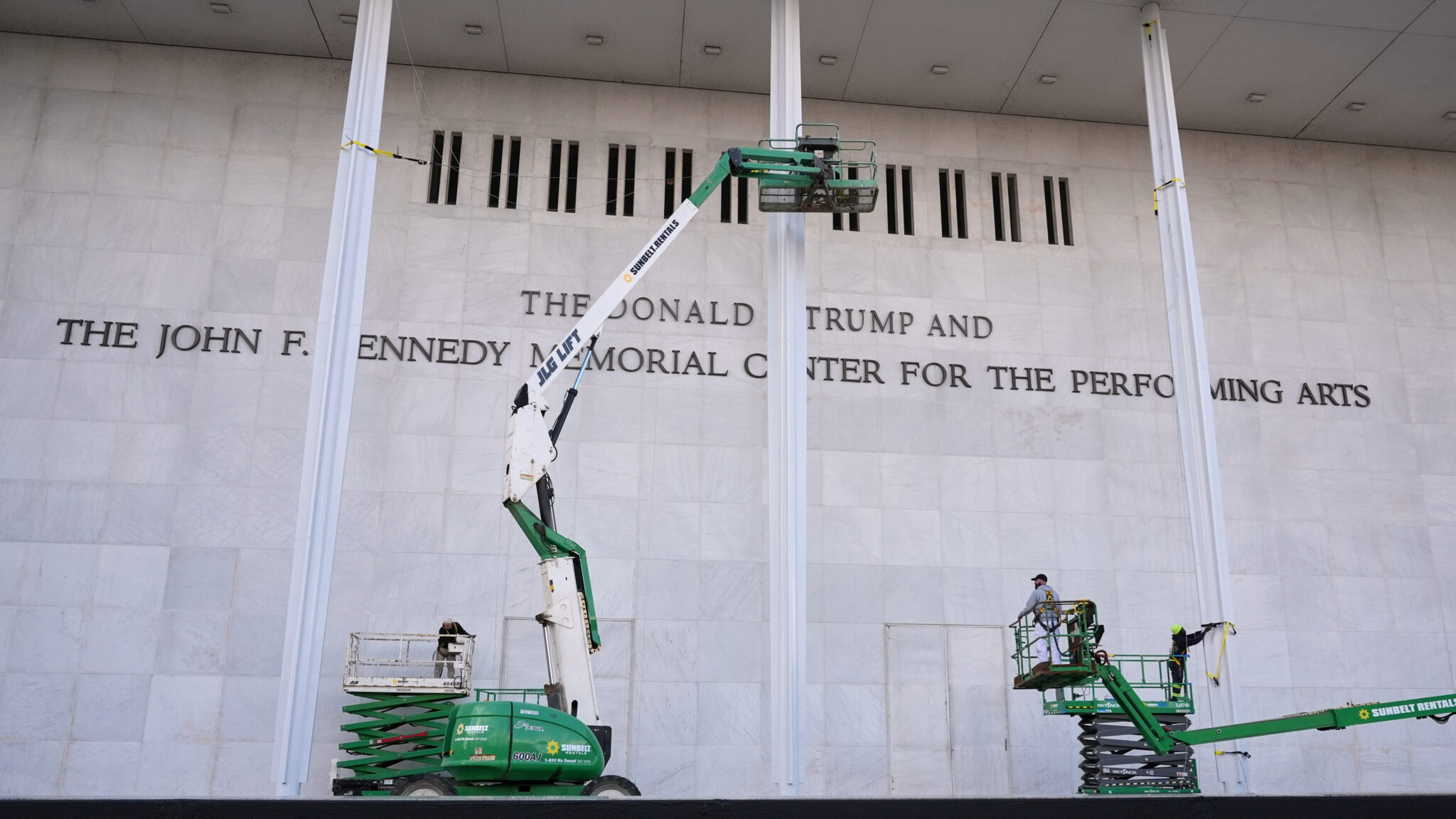
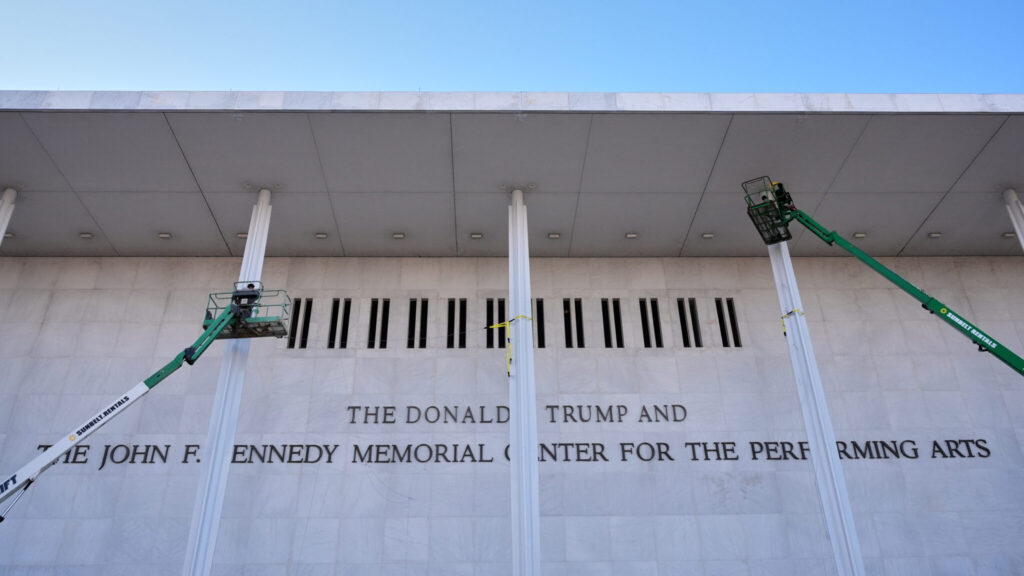
The fallout at the Kennedy Center has been brewing since early 2025, when Trump dismissed the previous leadership and named himself chairman of the board. In December, the venue was rebranded as the Trump Kennedy Center, sparking fresh waves of artist cancellations and public backlash.
Ric Grenell, a Trump advisor now serving as interim executive director, defended the administration’s approach, saying the opera had been operating at a deficit despite receiving millions in support.
“Parting ways gives the Center the flexibility and funds to bring in operas from around the world and across the U.S.,” Grenell wrote on X.
Artists across the spectrum have protested the Center’s new direction. Lin-Manuel Miranda, the creator of Hamilton, canceled an upcoming engagement, and musician Peter Wolf joined a list of performers stepping away from the venue following its rebranding.
The venue remains formally known as the John F. Kennedy Center for the Performing Arts by Congress, but signage and digital platforms now bear the Trump name. This symbolic shift has further politicized what was once seen as a neutral ground for artistic expression.
Despite the upheaval, WNO productions including Treemonisha, The Crucible, and West Side Story were still listed on the Kennedy Center’s website as of late Friday. It remains unclear whether those performances will proceed at the original venue or be relocated.
As the opera world processes this seismic shift in Washington’s cultural landscape, WNO will face the challenge of redefining its future—no longer anchored to the stage it once called home, but now free to chart its own course in a changing arts environment.