


Whit House: Trump to Visit China May 14–15 After Iran War Delay/ Newslooks/ WASHINGTON/ J. Mansour/ Morning Edition/ President Donald Trump will visit Beijing May 14–15 after delaying the trip due to the Iran war. The White House suggested the conflict could reach an endgame before the visit. The trip aims to strengthen U.S.-China ties amid global tensions.
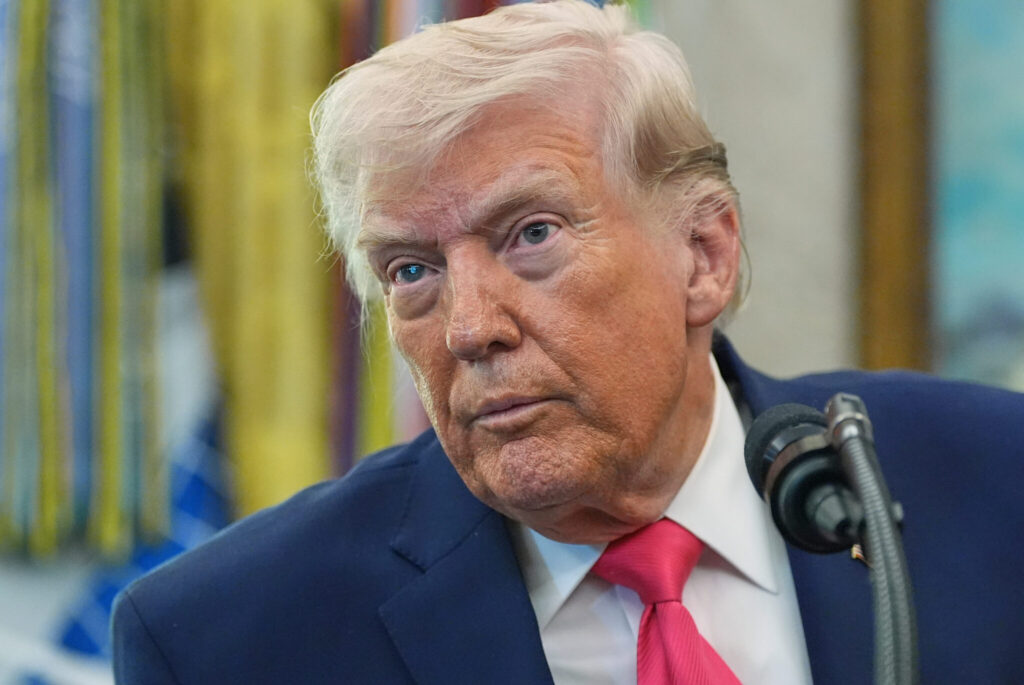
Trump China Trip — Quick Looks
- Trump to visit Beijing May 14–15
- Trip delayed due to Iran war
- Meeting planned with President Xi Jinping
- White House signals possible Iran conflict end
- Visit aimed at strengthening trade truce
- Strait of Hormuz tensions influenced timing
- Trump previously postponed late-March visit
- China trip planned months in advance
- War diplomacy affecting global relations
- U.S.-China relations remain fragile
Deep Look: Trump Reschedules China Visit as Iran Conflict Continues
WASHINGTON — President Donald Trump will travel to Beijing on May 14 and 15 for a rescheduled summit with Chinese President Xi Jinping, the White House announced Wednesday, following a delay caused by the ongoing conflict involving Iran.
Trump had originally planned to travel to China later this month but postponed the visit to remain in Washington as the United States and Israel launched military operations against Iran. Despite continued fighting, the administration now believes conditions could allow the trip to proceed as diplomatic efforts continue.
White House press secretary Karoline Leavitt suggested that the conflict may reach a turning point before the scheduled trip.
“We’ve always estimated four to six weeks,” Leavitt said during a briefing when asked whether the timing of the trip indicates confidence that the conflict could wind down soon.
Her remarks echoed earlier White House statements suggesting the administration expects the conflict to move toward an endgame in the coming weeks.
Trip Delayed Amid Middle East Tensions
The China visit had been planned for months but became complicated as tensions escalated in the Middle East. Trump delayed the original trip to remain focused on war strategy and diplomatic efforts related to Iran.
The conflict also influenced U.S. relations with China, as Trump urged Beijing and other global powers to help secure the Strait of Hormuz, a critical waterway for global oil shipments.
Trump had indicated last week that he would reset the China trip timeline.
“We’re working with China — they were fine with it,” Trump said during a meeting with Irish Prime Minister Micheál Martin in the Oval Office. “I look forward to seeing President Xi.”
The president added that he believed Xi also welcomed the meeting.
Opportunity to Strengthen U.S.-China Relations
Trump’s visit is viewed as an opportunity to reinforce a fragile trade truce between the United States and China. The two global powers have experienced tensions over trade, technology, and geopolitical issues.
The trip could provide a platform to discuss economic cooperation, global security, and energy supply concerns tied to the Iran conflict.
However, the ongoing war has complicated diplomatic planning. Trump had previously indicated that travel decisions could depend partly on China’s willingness to assist with securing Middle Eastern oil routes.
Despite that, Trump later said the United States did not necessarily need additional help from allies who declined to participate.
White House reiterates Iran war timeline is ‘approximately 4 to 6 weeks’
White House press secretary Karoline Leavitt reiterated that the timeline for the war with Iran is still four to six weeks when asked if the conflict will end before President Donald Trump’s planned trip to China in mid May.
“Again, as I’ve said, we’ve always estimated approximately four to six weeks. So, you could do the math on that,” Leavitt said during today’s White House press briefing.
Trump has suggested he wants to wrap up the war soon, although he has been noncommittal on a timeline.
White House declines to commit to seek congressional authorization before deploying troops
White House press secretary Karoline Leavitt declined to promise that President Donald Trump would seek congressional authorization before deploying troops in Iran, saying Monday only that “at this moment, it’s unnecessary.”
“The formal authorization from Congress is not necessary because we’re currently in major combat operations in Iran,” she said during a press briefing.
Leavitt added that the administration “will always abide by the law,” but did not address how the White House would handle any decision to put US soldiers on the ground.
“The president likes to maintain options at his disposal,” she later said when asked about the approximately 1,000 US soldiers with the Army’s 82nd Airborne Division preparing to deploy in coming days to the Middle East.
Iran War Continues as Diplomacy Advances
The rescheduled China trip comes as the White House works to arrange potential diplomatic talks aimed at ending the Iran conflict. Officials have suggested discussions could occur soon, though timing remains uncertain.
Meanwhile, U.S. military deployments continue, including preparations to send additional troops to the Middle East. Strikes and drone attacks have also persisted across the region.
The Strait of Hormuz remains a key factor in the conflict, with shipping disruptions affecting global energy markets. Iran has indicated it may charge fees for safe passage through the strategic waterway.
Global Implications
Trump’s trip to China will take place against a backdrop of heightened geopolitical tensions and economic uncertainty. The meeting with Xi could shape future cooperation between the world’s two largest economies.
The visit also underscores the balancing act facing the administration as it manages both military conflict and diplomatic priorities.
If the Iran conflict de-escalates before mid-May, the China summit could mark a shift toward broader international diplomacy.
For now, the White House remains cautiously optimistic as preparations move forward for Trump’s Beijing visit.



You must Register or Login to post a comment.