White House: Admiral Ordered 2nd Strike on Drug Boat, Insists Attack Was Lawful/ Newslooks/ WASHINGTON/ J. Mansour/ Morning Edition/ The White House maintains that a Navy admiral acted lawfully in a follow-up strike on a suspected drug boat in the Caribbean, despite growing bipartisan scrutiny. Lawmakers are demanding clarity on whether survivors of the initial strike were deliberately targeted. The operation forms part of broader U.S. military pressure on drug networks allegedly tied to Venezuela’s government.
Caribbean Drug Strike Controversy: Quick Looks
- White House affirms the legality of a second U.S. strike on a suspected drug-smuggling boat.
- Navy Vice Adm. Frank “Mitch” Bradley authorized the follow-up attack, per Defense Secretary Pete Hegseth.
- Congressional leaders plan a formal inquiry into the September 2 incident.
- Concerns grow over potential violations of international law and U.S. strategy in Venezuela.
- Lawmakers from both parties demand video evidence and testimonies under oath.
- Over 80 have died in U.S. anti-narcotics operations near Venezuela.
- Venezuelan President Nicolás Maduro condemns what he calls psychological terrorism.
- Trump’s administration claims cartels tied to Maduro are the targets.
White House: Admiral Ordered 2nd Strike on Drug Boat, Insists Attack Was Lawful
Deep Look
The White House is defending a high-profile and controversial military decision after confirming that a Navy admiral ordered a second strike on a suspected drug-trafficking vessel in the Caribbean. This strike, executed on September 2, has ignited bipartisan concern in Washington over its legality and potential implications, especially given that survivors of an initial attack may have been deliberately targeted in the follow-up operation.
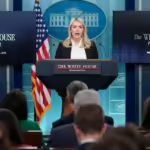
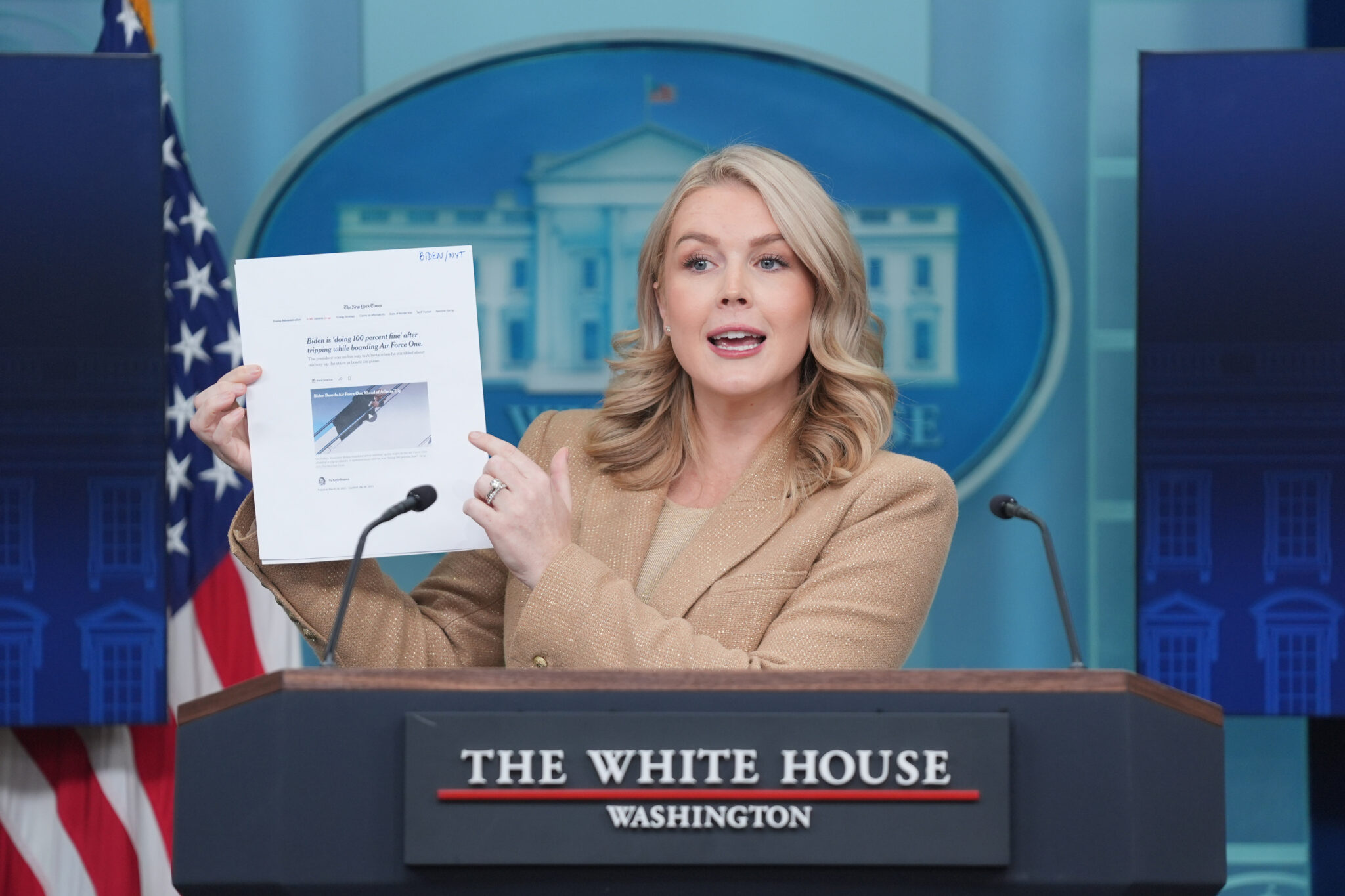
Press Secretary Karoline Leavitt said Monday that Navy Vice Admiral Frank “Mitch” Bradley operated well within the scope of his authority and the law when he carried out the second strike. Leavitt’s remarks followed widespread media reports and mounting pressure from lawmakers demanding clarity. The most notable concern: a Washington Post article suggesting that survivors from the first strike were intentionally killed in a subsequent attack — a claim yet to be officially refuted.
“Admiral Bradley acted within his legal and operational bounds,” Leavitt emphasized. “He directed the engagement to destroy the vessel and eliminate any threats to the United States.”
Defense Secretary Pete Hegseth, who reportedly authorized the operation, has stood firmly behind Bradley. In a public statement, Hegseth called Bradley “an American hero” and voiced unwavering support for his combat decisions — not only in the September mission but in others under his leadership. Bradley, previously head of Joint Special Operations Command, was recently promoted to lead U.S. Special Operations Command, a move that underscores his significant role in ongoing regional military strategies.
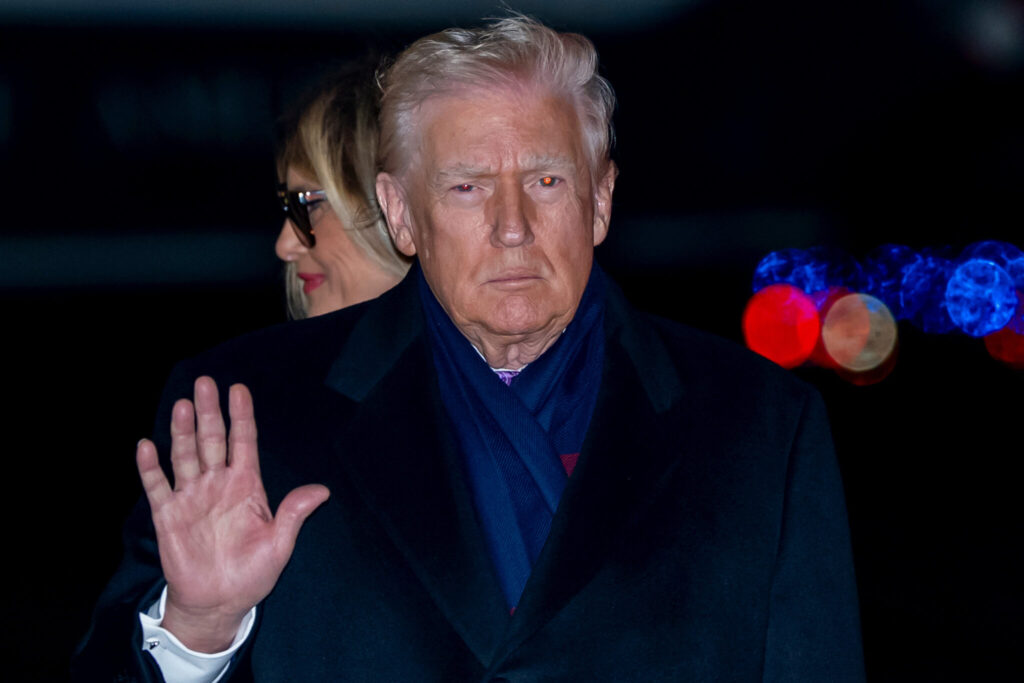
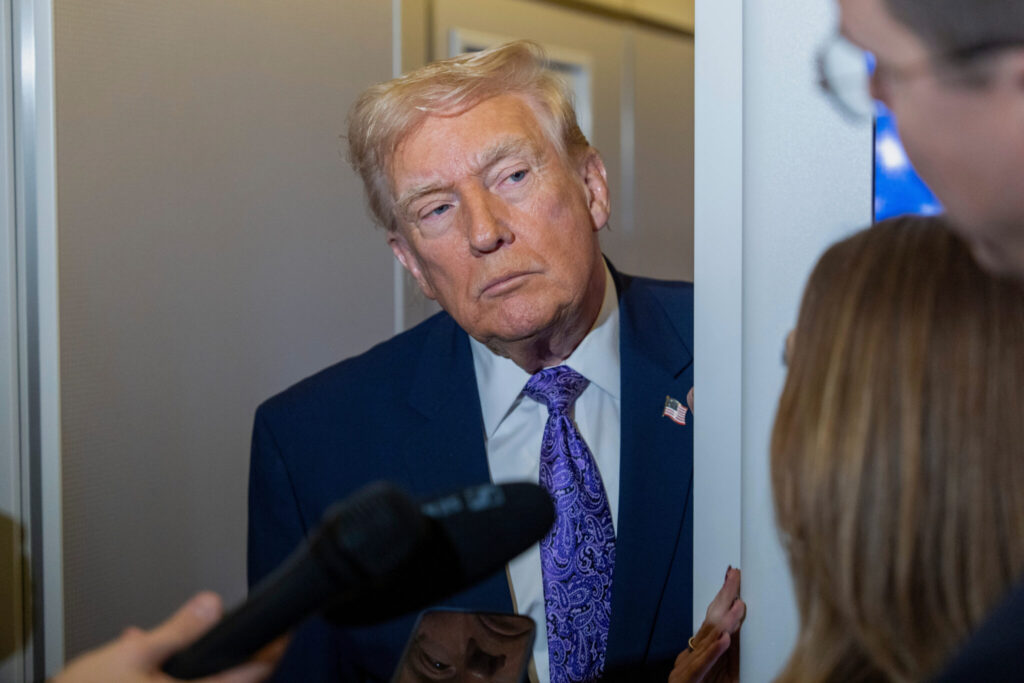
President Donald Trump, addressing the media on Sunday, acknowledged the situation but distanced himself from the more controversial aspects of the strike. “I wouldn’t have wanted that — not a second strike,” he remarked when asked about the operation. However, he later defended Hegseth, stating, “Pete said he did not order the death of those two men. And I believe him.”
As the issue continues to unfold, Congress is taking steps to gather more information. Senate Majority Leader John Thune has announced a thorough review process. “We need all the facts before drawing conclusions,” Thune said, adding that congressional committees will conduct a formal investigation into the September 2 mission.
A classified briefing is scheduled for Thursday, during which Bradley will present more details to lawmakers overseeing military operations. Top military officials, including Gen. Dan Caine, Chairman of the Joint Chiefs of Staff, have also been in communication with Senate and House Armed Services Committees to reinforce confidence in the legality of U.S. operations.
On Capitol Hill, reactions have been divided. Senate Democratic Leader Chuck Schumer was openly critical, labeling Hegseth a “national embarrassment” and demanding the public release of video footage from the strike. “If they’ve done nothing wrong, that video should exonerate them,” he said. Senator Jack Reed echoed this sentiment, insisting that transparency is essential for public trust and accountability.
Republican Senator Roger Wicker, chairman of the Senate Armed Services Committee, pledged a “by-the-numbers” investigation, emphasizing that any findings must be rooted in verified facts.
While Rep. Mike Rogers, chair of the House Armed Services Committee, stated he was “satisfied” with his initial conversation with Hegseth, he still awaits further insight from Admiral Bradley during the upcoming briefing.
Beyond Washington, the political ripples have reached Caracas. Venezuelan President Nicolás Maduro responded to the news by accusing the U.S. of engaging in prolonged psychological warfare. Speaking to supporters, he accused the U.S. of 22 weeks of aggression and pledged national resistance, framing the strikes as part of a broader campaign of “psychological terrorism.”
The strikes, part of a larger military operation aimed at curbing drug trafficking in the Caribbean Sea and eastern Pacific Ocean, have reportedly resulted in over 80 deaths. The Trump administration claims that these cartels are directly linked to Maduro’s regime — a charge Venezuela vehemently denies.
In response, Venezuela’s National Assembly has launched its own investigation into the matter. For the first time, the Maduro government has publicly acknowledged that Venezuelans were killed in these U.S.-led operations. Assembly President Jorge Rodríguez confirmed that lawmakers will examine “the serious events that led to the murder of Venezuelans.”
Meanwhile, President Trump continues to evaluate potential next steps, including the possibility of extending strikes onto the Venezuelan mainland. While he recently held a phone call with Maduro, he has not disclosed the content of their conversation, leaving room for speculation about diplomatic or military escalation.
As the investigation into the September 2 strike unfolds, both legal and ethical questions remain at the forefront of America’s foreign and military policy debate. With Congress pressing for transparency and international observers watching closely, the implications of the U.S. approach to regional narcotics and Venezuelan governance may resonate for months to come.