

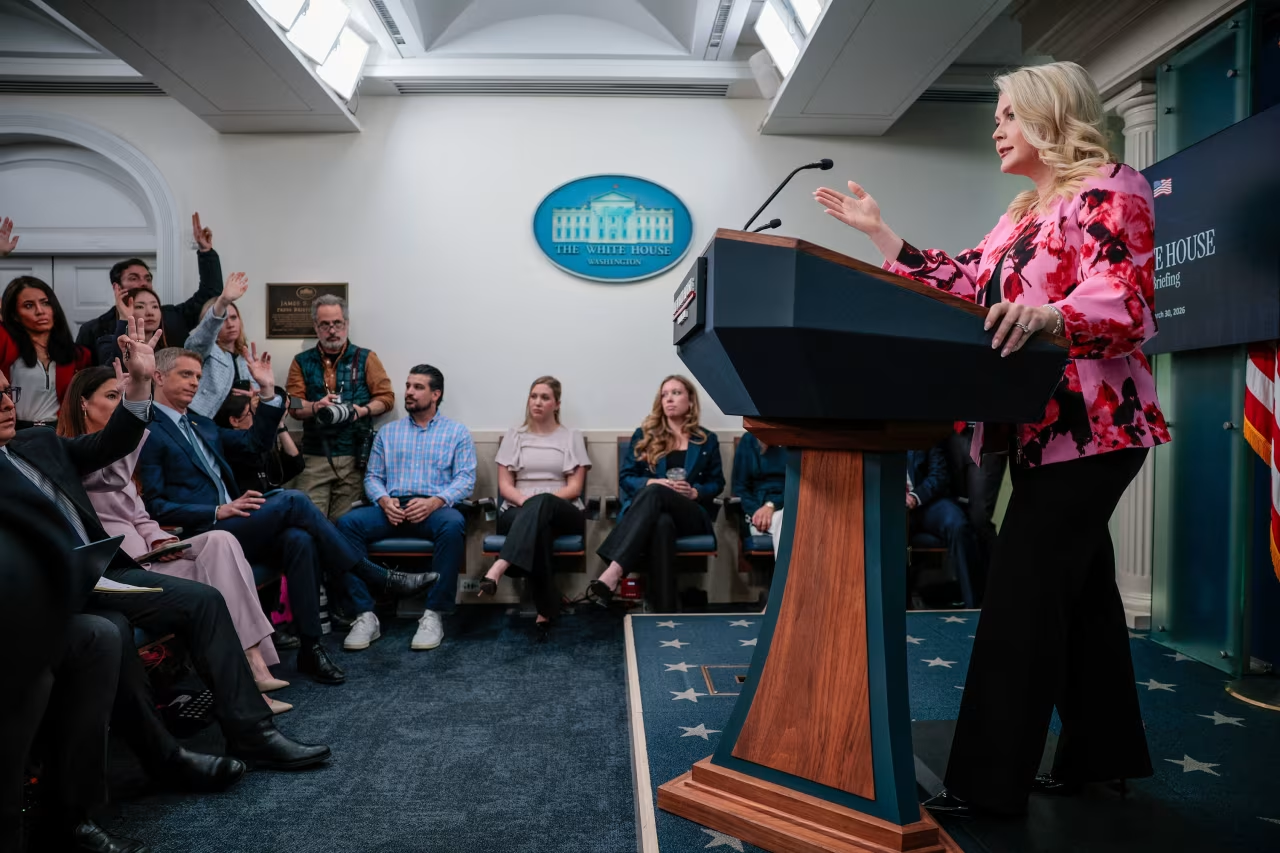
White House: Iranian Negotiators More ‘Reasonable’ Amid Ongoing Talks/ Newslooks/ WASHINGTON/ J. Mansour/ Morning Edition/ The White House says Iranian negotiators appear more reasonable during private talks. Officials warned Iran faces military consequences if diplomacy fails. Limited oil tanker movement through the Strait of Hormuz signals progress.
US Iran Talks Progress Quick Looks
- White House says Iranian negotiators more reasonable
- Trump administration refuses to name negotiators
- Strait of Hormuz tanker movement increases
- US warns Iran of “grave consequences”
- Trump threatens strikes if deal fails
- US troops deployed for “maximum optionality”
- White House presses Israel to reopen holy sites
- Debate over prayer comments during wartime
Deep Look: White House Says Iranian Negotiators More “Reasonable” As Talks Continue
WASHINGTON — The White House said Monday that Iranian officials participating in negotiations with the United States appear more reasonable than previous leadership, suggesting potential progress in efforts to end the ongoing conflict.
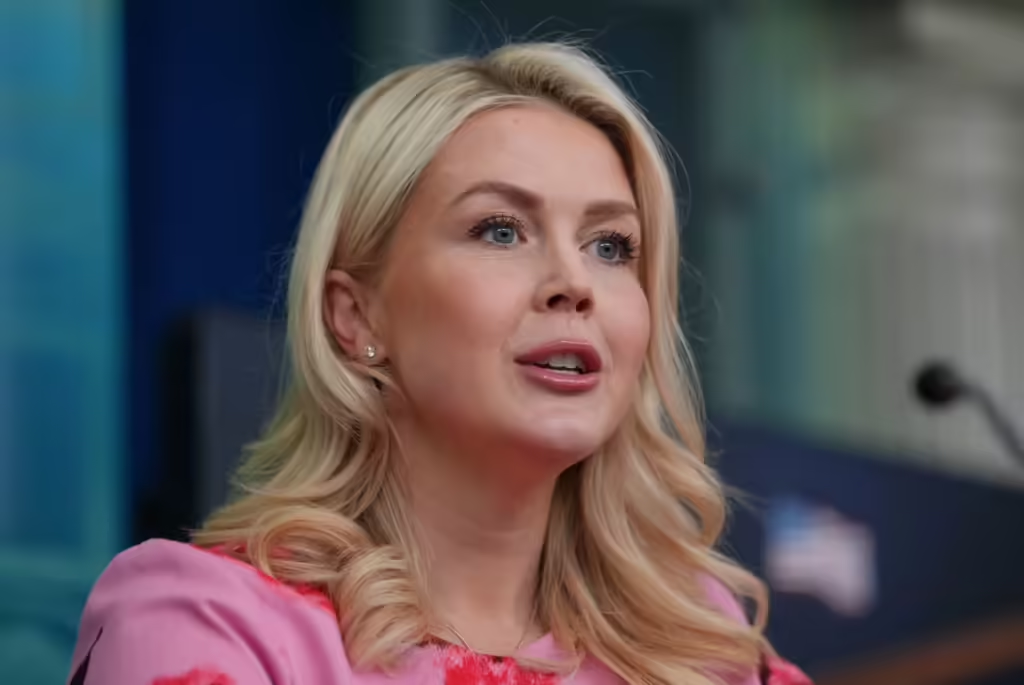
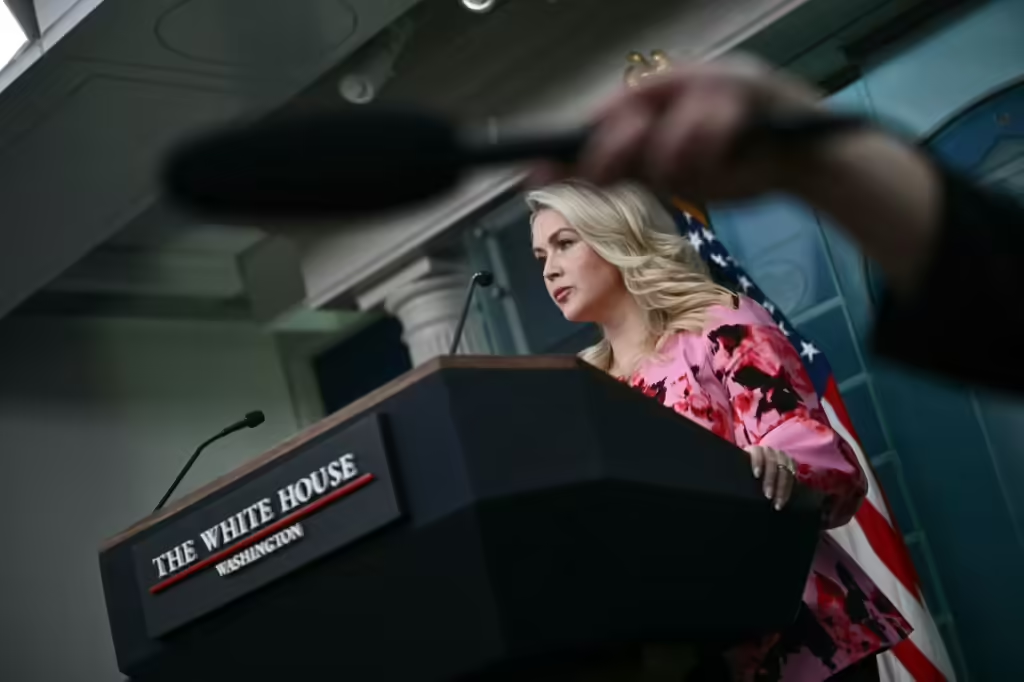
White House Press Secretary Karoline Leavitt told reporters that discussions with Tehran are moving forward, even though public messaging from Iran appears more confrontational.
“These folks are appearing more reasonable behind the scenes, privately in these conversations, than perhaps some of the previous leaders who are now no longer on planet Earth,” Leavitt said during a White House press briefing.
Despite the apparent progress, the Trump administration has declined to identify the Iranian negotiators or clarify who is directly representing Tehran in the talks.
US Warns Iran of Military Consequences
Leavitt emphasized that any commitments from Iran would be closely monitored and tested. She warned that the United States would escalate military pressure if Iran fails to reach a diplomatic agreement.
“This is another historic opportunity for Iran to do the right thing to rid themselves of their nuclear ambitions and to come to a deal with this president,” Leavitt said.
“Or, again, they will see the grave consequences of the United States Armed Forces.”
The warning comes as the U.S. continues military operations under Operation Epic Fury while simultaneously pursuing diplomatic negotiations.
Strait of Hormuz Movement Seen as Diplomatic Signal
The White House pointed to increased tanker movement through the Strait of Hormuz as evidence of diplomatic progress.
Leavitt said 10 previously announced oil tankers are already moving through the waterway, with approximately 20 additional vessels expected in the coming days.
The movement is viewed as the result of both direct and indirect talks between Washington and Tehran.
“These tankers wouldn’t be moving if not for the president’s diplomacy,” Leavitt said.
However, the Trump administration continues to oppose Iran’s reported attempts to establish a tolling system for ships using the strategic waterway.
The Strait of Hormuz is one of the world’s most critical shipping routes, and disruptions there have contributed to rising global energy prices.
White House Responds to Threats Against Infrastructure
Leavitt also addressed President Donald Trump’s warning that the United States could target Iranian power plants and desalination facilities if Tehran does not reopen the Strait of Hormuz.
She said the administration would act within international law while maintaining pressure on Iran.
“The president has made it quite clear … that their best move is to make a deal,” Leavitt said.
“Of course, this administration and the United States armed forces will always act within the confines of the law.”
US Troop Deployment Offers “Maximum Optionality”
The White House confirmed additional U.S. troops have been deployed to the Middle East to provide President Trump with “maximum optionality” as the conflict evolves.
Leavitt said diplomacy remains the administration’s top priority, but military objectives continue to be pursued.
“If there’s ever a chance for a deal again, the president is open to listening,” she said.
The troop deployments are intended to preserve flexibility while negotiations continue.
White House Presses Israel on Religious Access
Leavitt also revealed that the United States pressed Israel to reopen religious sites ahead of Holy Week.
The request came after Israeli authorities restricted access to the Church of the Holy Sepulchre in Jerusalem due to security concerns related to the conflict.
Secretary of State Marco Rubio reportedly helped push for reopening the sites, and Israel later allowed access for religious leaders.
“We want worshippers to be able to access these holy sites,” Leavitt said.
White House Responds to Pope’s War Comments
Leavitt also responded to comments by Pope Leo XIV, who said God rejects war and does not listen to prayers from those who wage it.
Leavitt defended calls for Americans to pray for U.S. troops.
“I don’t think there is anything wrong with our military leaders or with the president calling on the American people to pray for our service members,” she said.
She added that U.S. troops likely appreciate prayers and support during deployments.
Diplomacy and Military Pressure Continue
The White House emphasized that diplomacy remains President Trump’s preferred path, even as military operations continue.
Officials say the coming days will be critical in determining whether negotiations with Iran produce a formal agreement.
With tanker movement increasing, troop deployments expanding, and warnings continuing, the U.S. strategy reflects a dual approach — applying military pressure while leaving the door open to diplomacy.




You must Register or Login to post a comment.