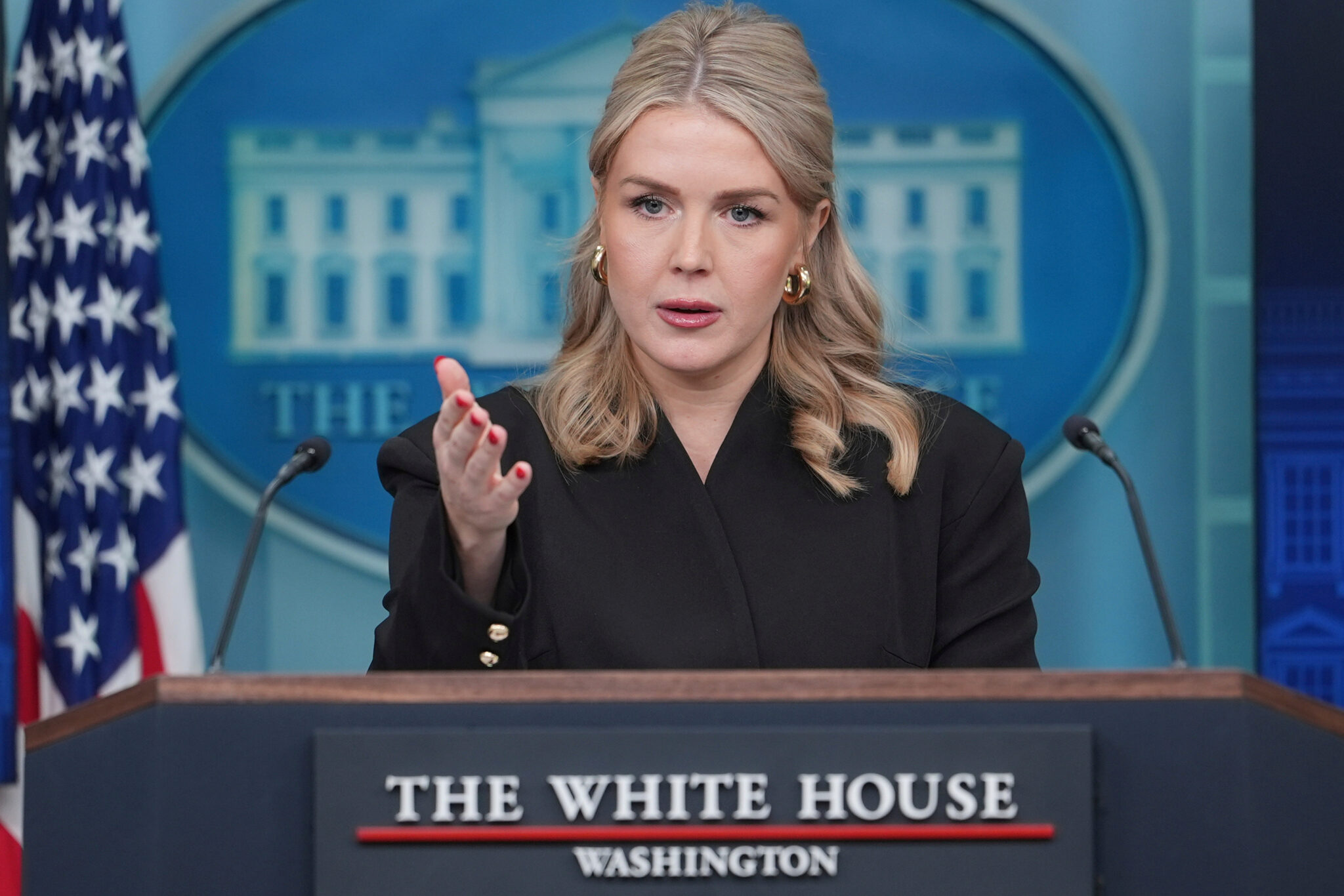
White House Pushback on ASL Services Sparks Lawsuit/ Newslooks/ WASHINGTON/ J. Mansour/ Morning Edition/ The Trump administration is fighting a legal effort to require American Sign Language (ASL) interpretation at official White House events, claiming it interferes with the president’s control over his public image. Advocates argue the lack of ASL access denies deaf Americans real-time communication on critical issues. The administration’s stance is part of broader efforts to roll back diversity and inclusion policies.

Sign Language Access Quick Looks
- DOJ says ASL interpretation “intrudes” on Trump’s image control.
- Lawsuit filed by National Association for the Deaf in May 2025.
- Federal judge ruled ASL services must be provided in real time.
- White House is appealing the decision but started limited ASL services.
- Trump’s administration has reversed multiple DEI policies.
- Officials claim alternatives like closed captions and transcripts are adequate.
- Gallaudet University in D.C. offers access to qualified interpreters.
- D.C. Mayor Muriel Bowser includes ASL interpreters in public briefings.
- The DOJ questions if other branches of government face similar ASL standards.
- Broader pattern reflects administration’s rollback of accessibility and inclusion norms.
Deep Look: Trump Administration Opposes ASL Interpretation Requirement at White House
In a legal dispute drawing national attention, the Trump administration is resisting efforts to mandate American Sign Language (ASL) interpretation at White House events. The Department of Justice argues that such a requirement would “severely intrude” on President Donald Trump’s ability to shape and control his public image.
This claim came in a legal filing opposing a lawsuit from the National Association for the Deaf (NAD), which was filed in May. The lawsuit seeks to reinstate the practice of providing live ASL interpretation at official events—a standard practice during the Biden administration. The NAD asserts that without these services, hundreds of thousands of deaf and hard-of-hearing Americans are being denied real-time access to critical federal communications.
The administration’s position highlights an emerging pattern in Trump’s second term: dismantling diversity, equity, and inclusion (DEI) initiatives across federal institutions. From his first week back in office, Trump signed an executive order halting DEI programs across all government agencies. Subsequent moves by top officials—such as Defense Secretary Pete Hegseth’s rejection of DEI policies at the Pentagon and Secretary of State Marco Rubio’s rollback of font changes associated with inclusive policy efforts—underscore this broader agenda.
In its June court filing, first reported by Politico, the Justice Department asserted that requiring sign language interpreters at briefings would infringe upon the president’s constitutional rights to present messaging on his terms.
The filing noted, “The President has the prerogative to shape his administration’s image and messaging as he sees fit.” It also claimed that accommodating spontaneous press interactions with live ASL interpreting would be logistically difficult.
The administration insists it provides alternative accommodations for the Deaf community, including closed captioning and transcripts. However, accessibility advocates say that these options fall short of real-time engagement, especially during live events of national importance.
A spokesperson for the White House declined to comment on the ongoing legal case or clarify how sign language interpretation affects Trump’s public presentation.
U.S. District Court Judge Tanya Johnson ruled against the administration’s objections in November, ordering the White House to provide live ASL interpretation for both President Trump and Press Secretary Kristen Leavitt during official remarks. Though the administration has begun offering ASL services at some events in response, the dispute remains unresolved, with the White House filing an appeal.
The DOJ’s arguments also questioned whether similar expectations are being applied to other branches of government, suggesting unequal enforcement of accessibility standards.
In contrast, the city of Washington, D.C.—home to Gallaudet University, a leading institution for the Deaf and hard of hearing—has prioritized ASL inclusion. Mayor Muriel Bowser regularly features interpreters at her public appearances, often rotating professionals to maintain high-quality coverage throughout extended events.
The NAD previously sued the Trump administration during his first term, demanding ASL services during COVID-19 briefings. That case resulted in the administration briefly adding interpreters. Now, as legal battles over accessibility unfold again, advocates are emphasizing the continued exclusion faced by Deaf Americans when government messaging is not delivered in their primary language.
The administration’s stance on ASL services is not occurring in isolation. It aligns with a broader rollback of inclusive policies. On his return to office, Trump prioritized executive actions that dismantled DEI-related frameworks. Defense Secretary Hegseth labeled such initiatives as incompatible with military goals, while State Department leadership downplayed previously implemented inclusion-oriented design and communication changes—such as the use of Calibri font.
Despite these moves, courts are signaling that accessibility remains a legal standard. The order requiring ASL interpreters represents a significant win for the Deaf community, even as the legal process continues.
Whether the administration will be compelled to permanently adopt comprehensive ASL interpretation remains undecided. However, the case serves as a flashpoint in a larger national debate over inclusion, accessibility, and presidential authority in shaping public communication.