Americans Urged to Leave Middle East Amid Airport Closures/ Newslooks/ WASHINGTON/ J. Mansour/ Morning Edition/ The U.S. State Department ordered non-essential embassy staff to leave six Middle Eastern countries after Iranian drone strikes hit the U.S. Embassy in Saudi Arabia. Americans across the region are being urged to depart, but widespread airport closures and limited transport options have stranded many. With embassies operating on reduced staff and evacuation plans unclear, U.S. citizens face mounting uncertainty.
Americans Urged to Leave Middle East Quick Looks
- Mandatory departures ordered in six countries
- U.S. Embassy in Saudi Arabia struck by drones
- Americans urged to leave or shelter in place
- Major regional airports closed after strikes
- Embassies suspending routine consular services
- State Department task force established
- Travelers stranded in Doha, Jerusalem and elsewhere
- No official U.S. evacuation points announced
Deep Look
Americans Urged to Leave Middle East as Airports Close and Embassy Services Shrink
The U.S. State Department has ordered the mandatory departure of non-emergency personnel and family members from six Middle Eastern countries following escalating security threats and a drone strike on the U.S. Embassy in Saudi Arabia.
Officials are urging American citizens across the region to leave as soon as possible. However, the advice comes as key airports remain closed and transportation routes are severely disrupted due to widening hostilities between the U.S., Israel and Iran.
If Americans cannot depart, the State Department is advising them to shelter in place until further notice.
Drone Strike Sparks Evacuations
The new evacuation orders follow a strike by two Iranian drones that hit the U.S. Embassy compound in Saudi Arabia. While damage was described as limited and no injuries were reported, the attack intensified fears that American diplomatic sites could be targeted.
As a result, embassies in Jordan, Bahrain, Iraq, Qatar, Kuwait and the United Arab Emirates are now operating with reduced staff. In some locations, routine and emergency consular services have been suspended entirely.
The State Department has also issued a rare “worldwide caution” alert — its first since June 2025 — warning Americans abroad of heightened security risks.
Travel Routes Severely Disrupted
For many Americans, leaving the region is easier said than done.
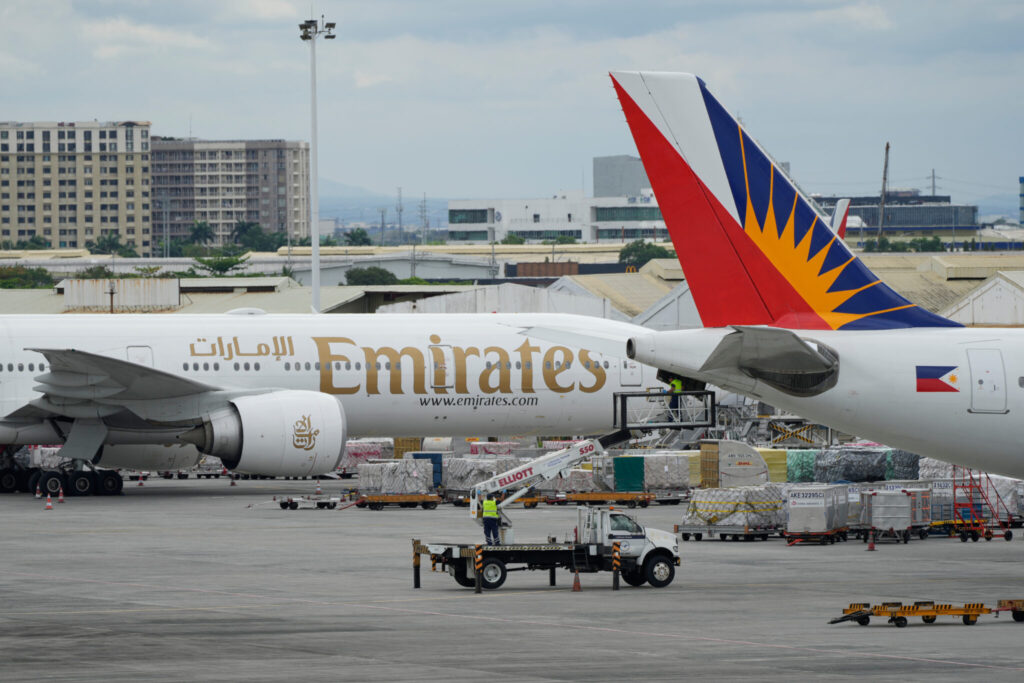
Major aviation hubs in Dubai, Abu Dhabi and Doha — critical transit points connecting Europe, Africa and Asia — were struck during the conflict and have either closed or suspended most operations.
Ben Gurion Airport in Tel Aviv remains shut, with no commercial or charter flight options available. Kuwait’s airspace is also closed, and consular services there have been suspended indefinitely.
In Jerusalem, the U.S. Embassy informed Americans it is “not in a position” to evacuate or directly assist departures.
A State Department hotline message cautions callers not to rely on the U.S. government for evacuation, stating that “there are currently no United States evacuation points.”
Stranded Americans Share Frustration
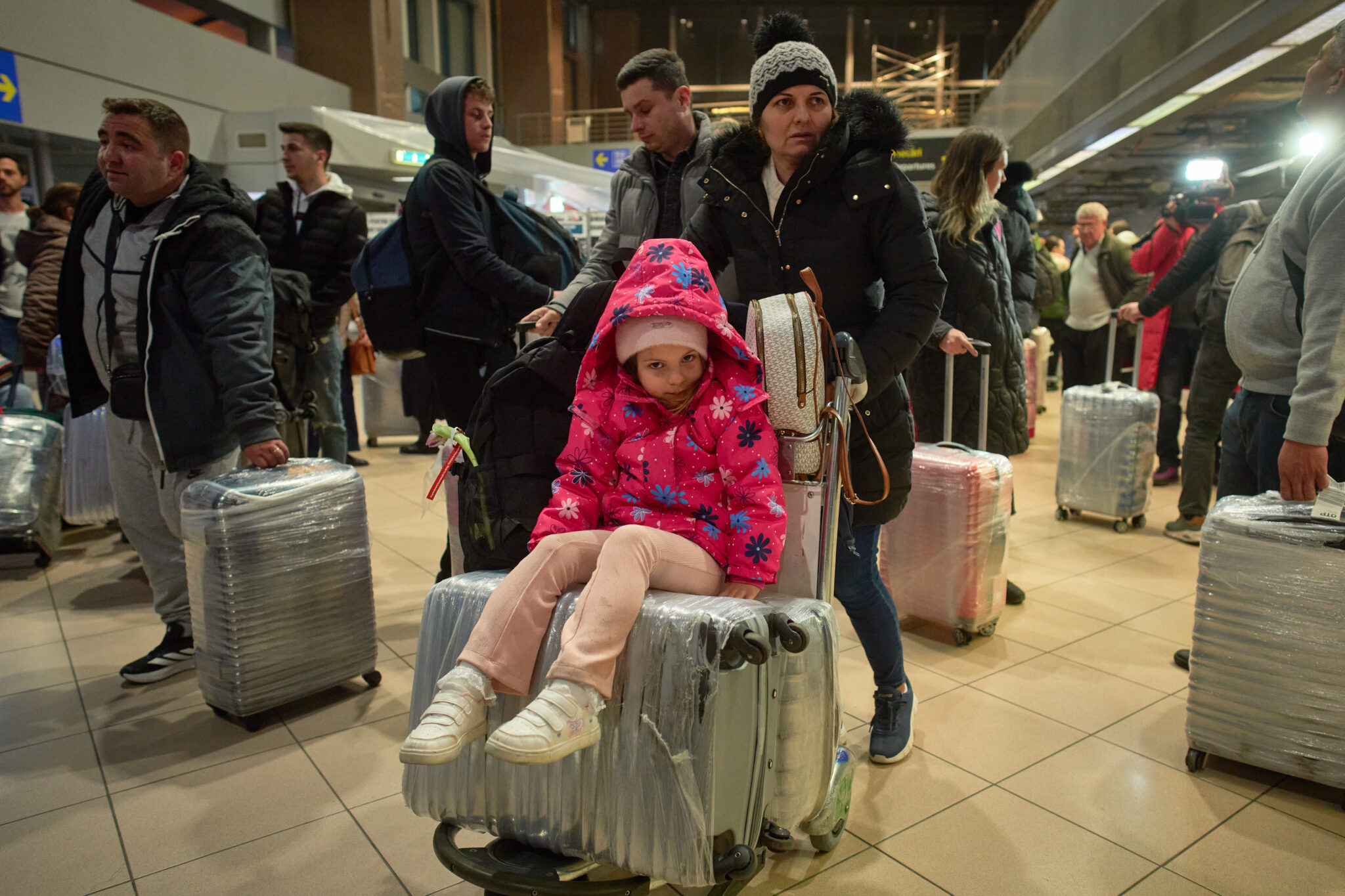
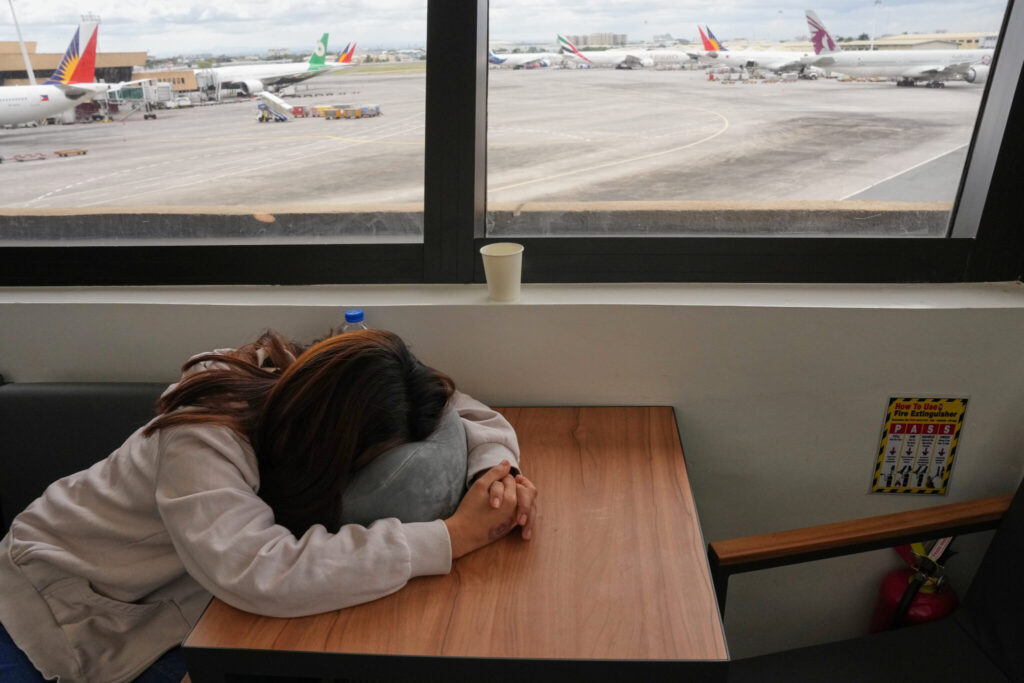
Many Americans have found themselves stranded.
Oliver Sims, a 24-year-old from Dallas, was stuck in Doha while returning from a wedding in India. He said embassy staff were overwhelmed with emergency calls and could not offer immediate help.
“They had so many emergency calls coming in they had to hang up,” he said.
Though he feels relatively safe and is working remotely from his hotel, his family remains anxious as he waits for travel options to reopen.
Others are sheltering in Jerusalem after being caught in the escalation.
Chris Elliott and his teenage daughter, visiting on a religious pilgrimage, described hearing air raid alerts just days into their trip.
“We’re stuck here and we can’t find a way home,” Elliott said.
For now, they remain indoors, occasionally moving to underground shelters during retaliatory strikes.
Security Warnings Across the Region
In Bahrain, Americans were warned to avoid hotels after a strike near a major hotel in the capital. In Kuwait, U.S. citizens have been instructed to remain indoors and seek shelter on the lowest floors of buildings, away from windows, due to ongoing missile and drone threats.
Consular appointments across the UAE, Qatar, Iraq and parts of Pakistan have been suspended.
The scale of the U.S. diplomatic footprint in the Middle East is not publicly disclosed, making it unclear how many Americans are directly affected.
Conflict Intensifies
The evacuation advisory comes as the conflict continues to escalate. U.S. and Israeli forces have struck Iranian military facilities, missile launch sites and command centers. Iranian Supreme Leader Ayatollah Ali Khamenei and several senior officials were killed in earlier strikes.
Iran has retaliated with missile and drone attacks across the region. According to Iranian officials, nearly 800 people have been killed in Israeli and American strikes. Six U.S. service members have died in action, and casualties have also been reported in Israel and Gulf countries.
President Donald Trump has suggested the war could continue for a month or longer.
Uncertain Path Forward
With embassies scaling back operations and transportation networks crippled, Americans in the Middle East face an uncertain path home.
For now, officials emphasize personal safety, advising citizens to monitor local news, follow embassy alerts and register with the State Department’s Smart Traveler Enrollment Program.
Until airports reopen and security conditions stabilize, thousands of Americans may remain stranded — caught between urgent travel warnings and limited means of escape.