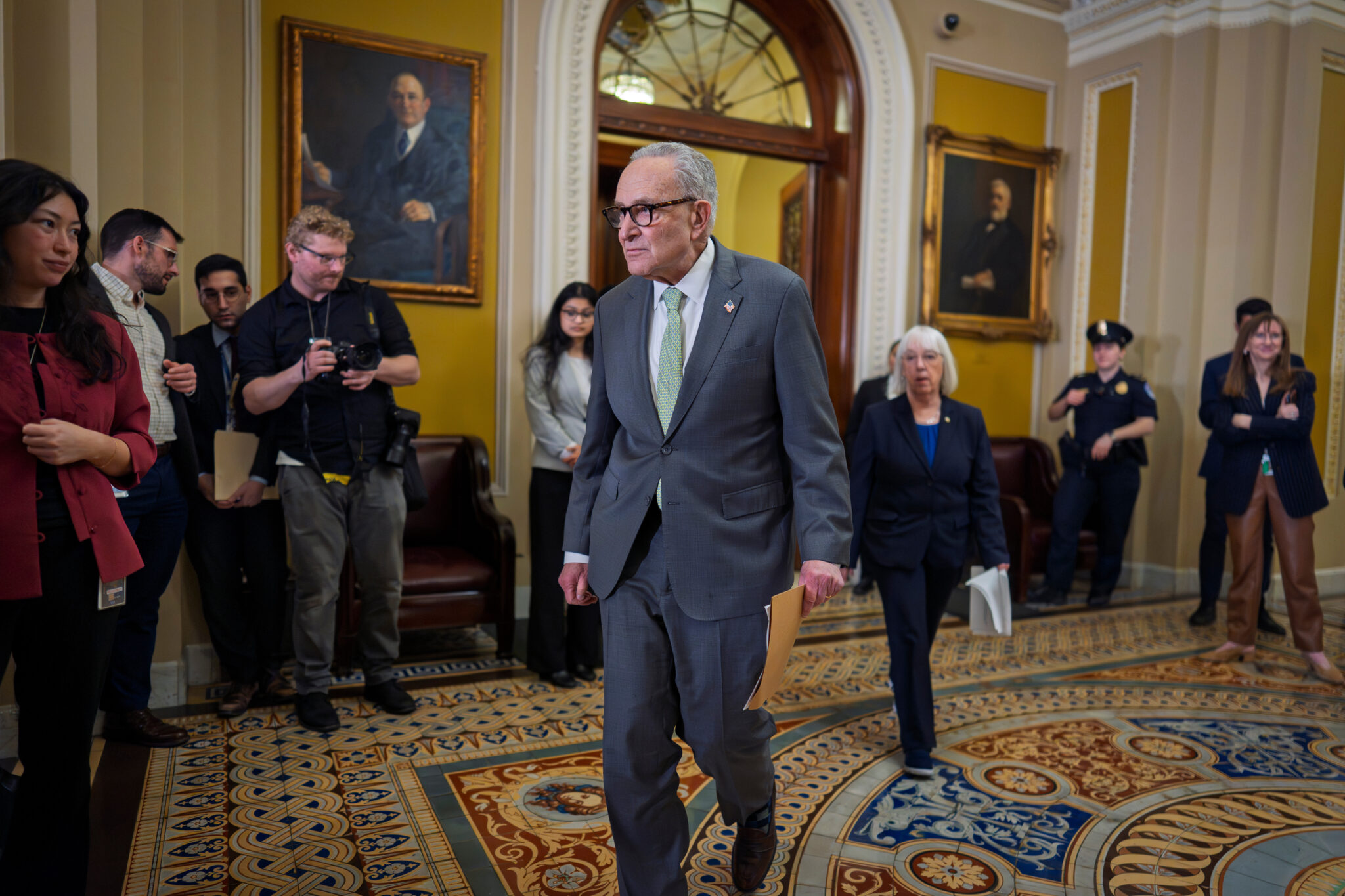
Congress Taking 1st Votes on Iran War as Debate Rages About US Goals/ Newslooks/ WASHINGTON/ J. Mansour/ Morning Edition/ The Senate is set to vote on a war powers resolution challenging President Trump’s Iran war decision. Lawmakers are divided over U.S. objectives and the possibility of ground troops. The votes force Congress to publicly declare where they stand on the expanding conflict.

Quick Look: Congress Iran War Vote
- Senate Vote: Lawmakers voting on a War Powers resolution to limit President Donald Trump’s Iran war authority.
- Led by Kaine: Resolution introduced by Sen. Tim Kaine.
- Clear Divide: Democrats largely backing it; most Republicans expected to oppose.
- Exit Strategy Questions: Critics cite unclear U.S. objectives and no defined endgame.
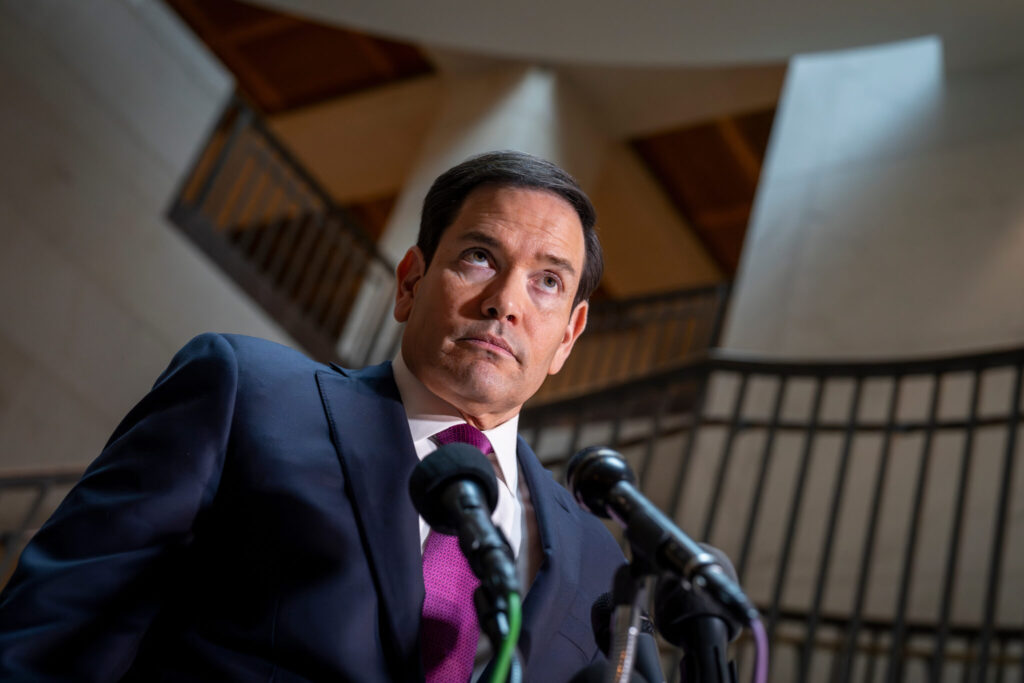
- White House Defense: Secretary of State Marco Rubio says no plans for ground troops.
- GOP Caution: Some Republicans wary of potential troop deployment.
- House Vote Next: Speaker Mike Johnson expects resolution to fail in House.
- Political Stakes: Vote forces lawmakers on record ahead of midterm elections.

Deep Look: Congress Takes First Votes on Iran War
Lawmakers are preparing for a pivotal moment Wednesday as the Senate votes on a resolution aimed at limiting President Donald Trump’s authority to continue military operations against Iran without congressional approval.
The measure, led by Sen. Tim Kaine, invokes the War Powers Act and would require explicit authorization from Congress before further attacks proceed. A similar resolution is expected to reach the House later this week.
While both measures face long odds in the Republican-controlled Congress — and would almost certainly be vetoed by Trump if passed — the votes represent the first formal test of congressional support for the five-day-old conflict.
Democrats Push Back on “War of Choice”
Senate Democratic leader Chuck Schumer criticized the administration’s approach, warning against open-ended military engagement.
“Wars without clear objectives do not remain small,” Schumer said. “They get bigger, bloodier, longer and more expensive. This is not a necessary war. It’s a war of choice.”
Democrats argue that Trump launched the operation without congressional authorization and without presenting a clear exit strategy. They say lawmakers must reassert constitutional authority over war-making decisions.
White House Seeks Support on Capitol Hill
Since launching strikes over the weekend, administration officials have held classified briefings and met with lawmakers to shore up backing for the mission.
Secretary of State Marco Rubio told reporters that the administration does not intend to put American troops “in harm’s way.” Still, six U.S. service members were killed in a drone strike in Kuwait shortly after the operation began.
Trump has suggested the bombing campaign could conclude within weeks, but his stated objectives have evolved — ranging from preventing Iran from rebuilding nuclear capabilities to degrading its missile systems and naval forces.
Senate Majority Leader John Thune said the military had achieved “great success” so far and indicated that what happens next may depend on the Iranian people.
However, some Republicans expressed reservations about the possibility of deploying ground troops.
“I don’t think the American people want to see troops on the ground,” said Sen. Bill Cassidy, R-La., after a classified briefing. He noted that while officials did not rule out the option, it was not currently being emphasized.
Republicans Navigate Internal Tensions
The vote places Republican lawmakers in a complicated position. Many have aligned closely with Trump’s foreign policy approach, which has often emphasized avoiding prolonged foreign entanglements.
Sen. Markwayne Mullin defended the operation, arguing that Iran’s leadership has long posed a threat to the United States.
Meanwhile, Sen. Lindsey Graham suggested the widening conflict could prompt broader participation from Arab and European allies. He also criticized the War Powers Act as granting Congress too much authority over military operations.
Kaine countered that lawmakers must publicly declare their position.
“Nobody gets to hide,” he said. “Everybody’s got to declare whether they’re for this war or against it.”
House Vote and Political Stakes
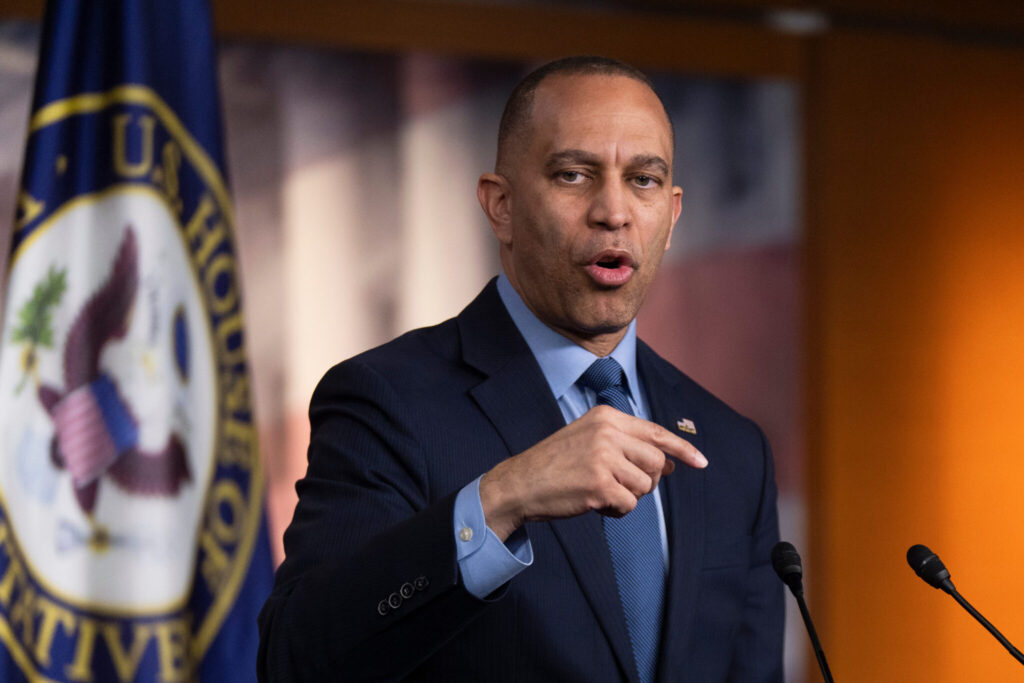
In the House, Speaker Mike Johnson said he expected the resolution to be defeated. House Democratic leader Hakeem Jeffries predicted strong Democratic support for curbing the president’s war authority.
Rep. Gregory Meeks urged the administration to directly address Congress and the public about the war’s rationale.
“Our young men and women’s lives are on the line,” Meeks said.
A Defining Moment
Although the resolutions are unlikely to halt the military campaign immediately, the votes mark a defining moment in Congress’s response to the Iran war.
They will place every lawmaker on record — shaping political narratives ahead of the midterm elections and signaling whether Congress is willing to challenge the president’s authority during a rapidly expanding regional conflict.