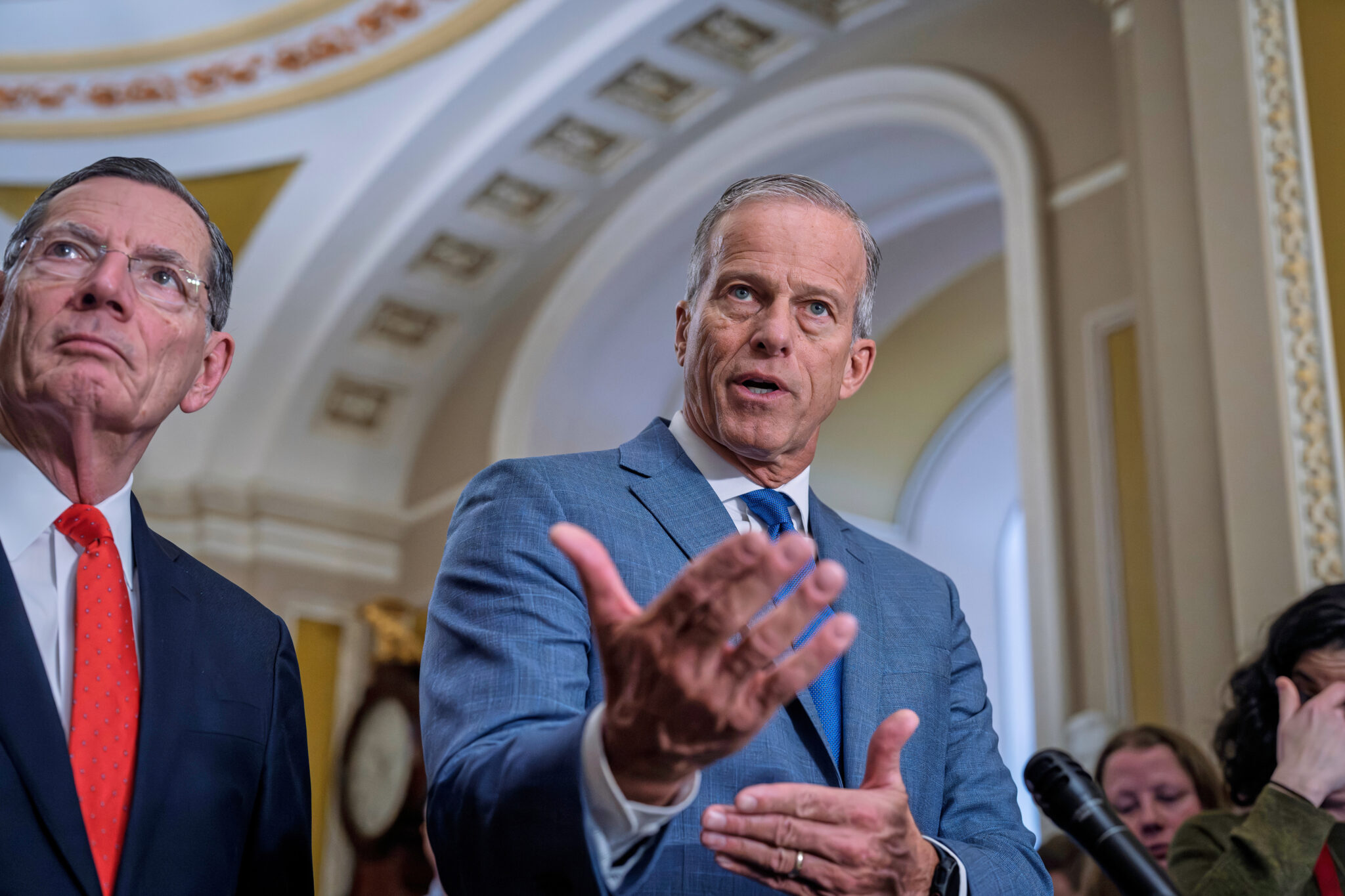
Senate Republicans Block Resolution To Halt Iran War/ Newslooks/ WASHINGTON/ J. Mansour/ Morning Edition/ Senate Republicans defeated a Democratic-backed resolution aimed at halting President Donald Trump’s war with Iran. The vote marked Congress’ first major legislative test since the conflict began. Lawmakers remain divided as the war expands across the Middle East and casualties rise.

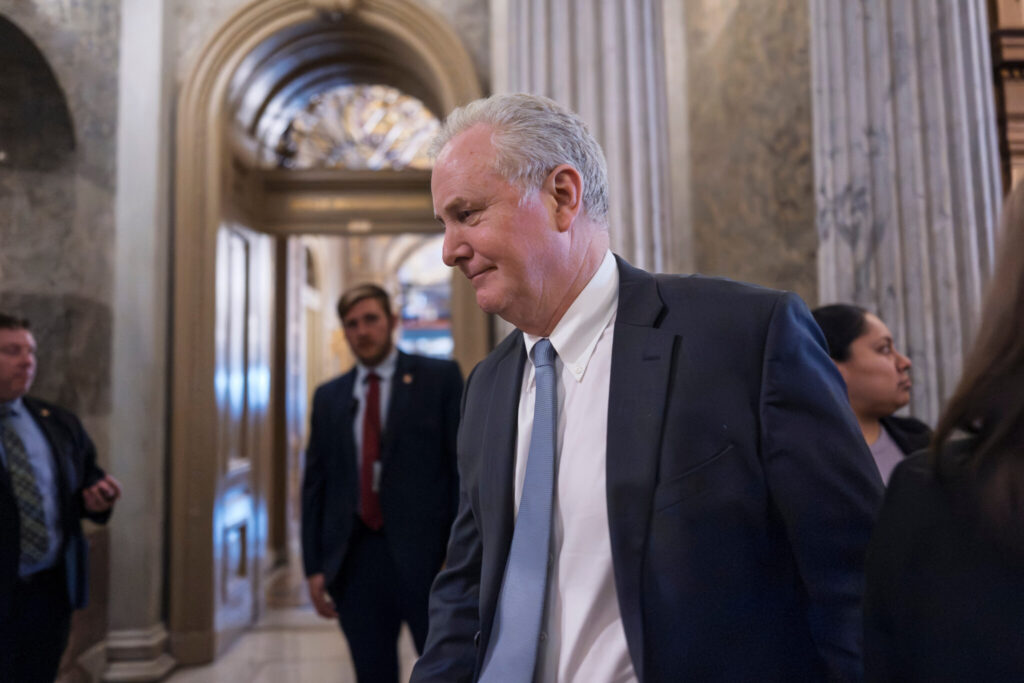

Senate Vote On Iran War Quick Looks
- The Senate rejected a war powers resolution to halt the Iran war.
- The measure failed 47–53, largely along party lines.
- Rand Paul supported the resolution, while John Fetterman opposed it.
- Democrats argued Congress should approve further military action.
- Republicans said the vote would undermine U.S. troops and military strategy.
- The war has already killed U.S. troops and more than 1,000 people in Iran.
- The Trump administration says the conflict may last up to eight weeks.
- The House of Representatives is expected to hold its own vote on the conflict.
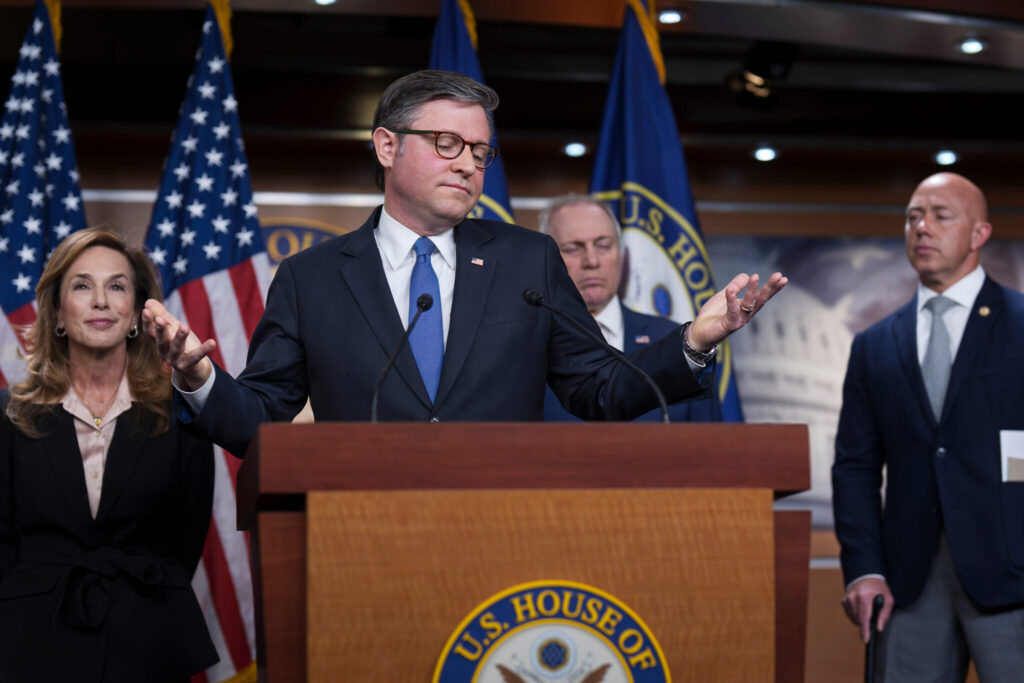

Senate Vote On Iran War Deep Look
Senate Republicans voted Wednesday to defeat legislation aimed at halting President Donald Trump’s military campaign against Iran, signaling early congressional support for a conflict that is rapidly expanding across the Middle East.
The Senate rejected the measure — known as a war powers resolution — in a 47–53 vote, largely divided along party lines.
The resolution would have required the Trump administration to obtain congressional approval before conducting additional military strikes against Iran.
Instead, the vote allows the president to continue military operations without immediate congressional authorization.
Lawmakers Forced To Take Positions
The vote marked the first major legislative test in Congress since the United States launched its attack on Iran earlier in the week.
The resolution forced senators to publicly declare their stance on the war, which has already triggered escalating military clashes across the region.
Democratic leaders framed the vote as a critical moment in determining whether Congress would assert its constitutional authority over decisions to wage war.
“Today every senator will pick a side,” Senate Democratic Leader Chuck Schumer said before the vote.
He argued that lawmakers must decide whether to support Americans who are wary of prolonged conflicts in the Middle East or stand behind the administration’s military strategy.
Democrats have increasingly warned that the United States could become entangled in another long and costly war similar to past conflicts in Iraq and Afghanistan.
Republican Leaders Back Trump Strategy
Republican senators largely rallied behind the president, arguing that passing the resolution during active military operations would weaken the United States and embolden Iran.
Sen. John Barrasso of Wyoming, a member of Republican leadership, said Democrats were attempting to obstruct the administration rather than support efforts to neutralize Iran’s nuclear program.
“Democrats would rather obstruct Donald Trump than obliterate Iran’s national nuclear program,” Barrasso said during debate.
Only one Republican, Sen. Rand Paul of Kentucky, voted in favor of the resolution.
Trump Administration Seeks Congressional Support
The Trump administration has spent much of the week lobbying lawmakers as it seeks broader political support for the military campaign.
Senior officials have appeared frequently on Capitol Hill to brief members of Congress and defend the strategy behind the strikes.
Defense Secretary Pete Hegseth said Wednesday that the war could continue for up to eight weeks, longer than earlier estimates suggested.
He also acknowledged that Iranian forces remain capable of launching missile attacks despite U.S. efforts to control Iranian airspace.
Gen. Dan Caine, chairman of the Joint Chiefs of Staff, warned that American troops stationed across the region continue to face serious threats.
“U.S. service members remain in harm’s way,” Caine said.
The risks became clear over the weekend when six American troops were killed in an Iranian drone attack targeting a logistics center in Kuwait.
Human Cost Highlighted In Debate
Some lawmakers referenced the growing human toll of the conflict during floor speeches.
Sen. Joni Ernst of Iowa noted that two of the soldiers killed in the Kuwait attack were from her state.
Ernst, who previously served in the Iowa National Guard, acknowledged the tragedy but argued the conflict could ultimately help end years of instability caused by Iran.
“But now is our opportunity to bring an end to decades of chaos,” she said.
Still, critics warned the United States could become trapped in another prolonged conflict.
Sen. Chris Coons of Delaware cautioned against entering a war without a clear long-term strategy.
“We should be careful about opening a door into chaos in the Middle East when we cannot see the other side of it,” Coons said.
Congressional Debate Continues
Although the Senate rejected the resolution, the debate over the war is far from over.
Supporters of the measure argued that Congress must maintain its constitutional authority over decisions to deploy military force.
Sen. Tim Kaine of Virginia, who introduced the resolution, said lawmakers should not allow presidents to wage war without legislative oversight.
“Nobody gets to hide and give the president an easy pass around the Constitution,” Kaine said.
House Vote Expected
The debate is now shifting to the House of Representatives, where lawmakers are preparing to hold their own vote on the conflict.
Republican leaders in the House have introduced a resolution affirming that Iran is the world’s largest state sponsor of terrorism and supporting the administration’s actions.
Rep. Brian Mast, chairman of the House Foreign Affairs Committee, praised Trump’s decision to strike Iran, arguing the president acted to neutralize an imminent threat.
“The president is using his constitutional authority to defend the United States,” Mast said.
Democrats, however, warned about the human cost of war.
Rep. Gregory Meeks of New York said decisions about military action are among the most serious responsibilities Congress faces.
“Our young men and women’s lives are on the line,” Meeks said.
Several lawmakers who previously served in the military also warned that the burdens of war are often borne by ordinary Americans rather than political leaders.
Rep. Jason Crow of Colorado, a veteran of the wars in Iraq and Afghanistan, said policymakers must remember who ultimately pays the price.
“When elites in Washington beat the war drums,” Crow said, “they’re not talking about their kids.”
A Defining Moment For Congress
The Senate vote represents an early test of congressional support for the war as the conflict continues to evolve.
With military operations expanding across the Middle East and lawmakers preparing for the 2026 midterm elections, the political and strategic consequences of the conflict are likely to remain a central issue in Washington for months to come.