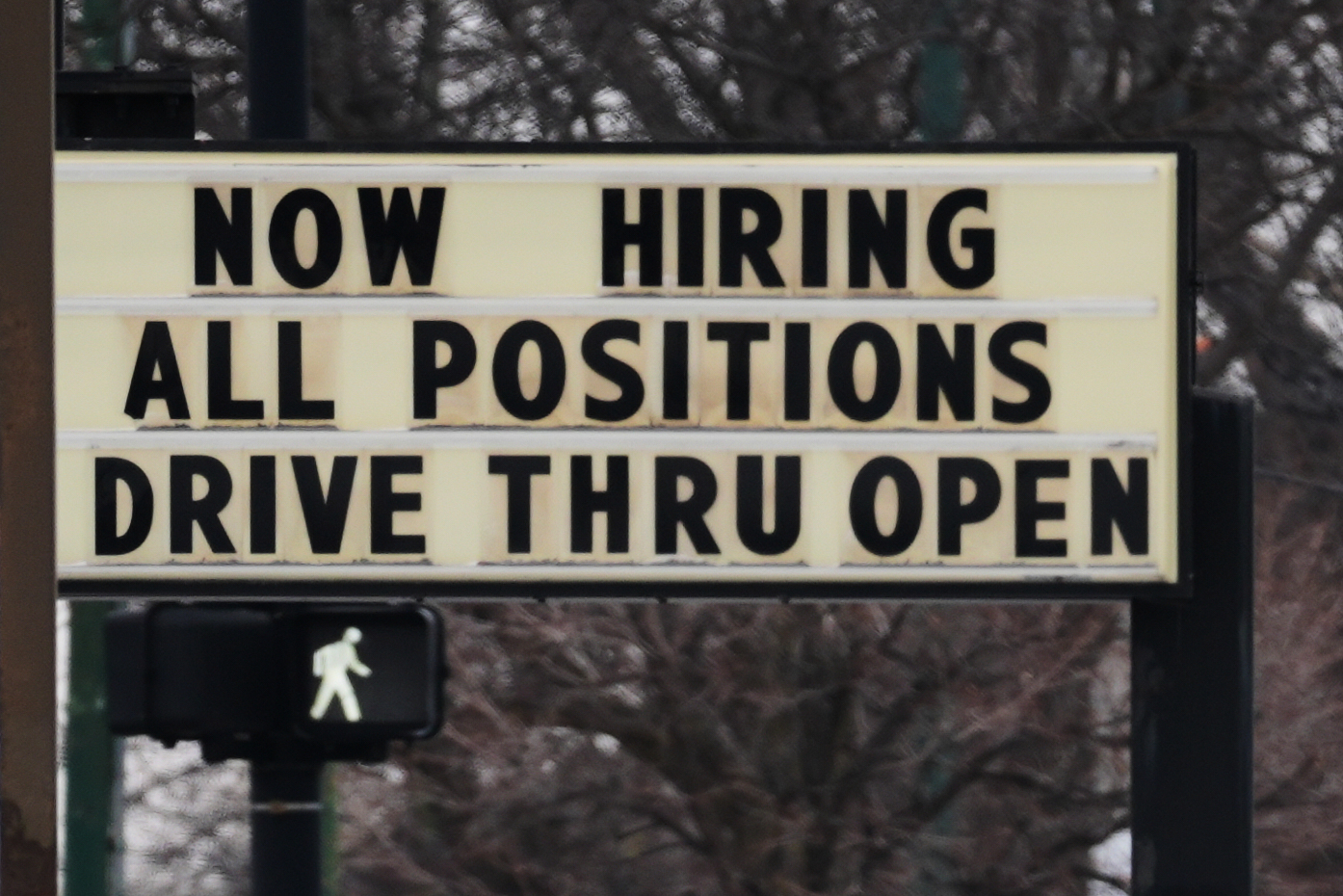
Unemployment Claims Flat At 213000 Amid Stable Labor Market/ Newslooks/ WASHINGTON/ J. Mansour/ Morning Edition/ U.S. jobless claims remained unchanged at 213,000 last week, signaling layoffs remain historically low. The labor market continues to show stability despite slower hiring and economic uncertainty. Economists are watching closely as the government prepares to release the latest monthly jobs report.
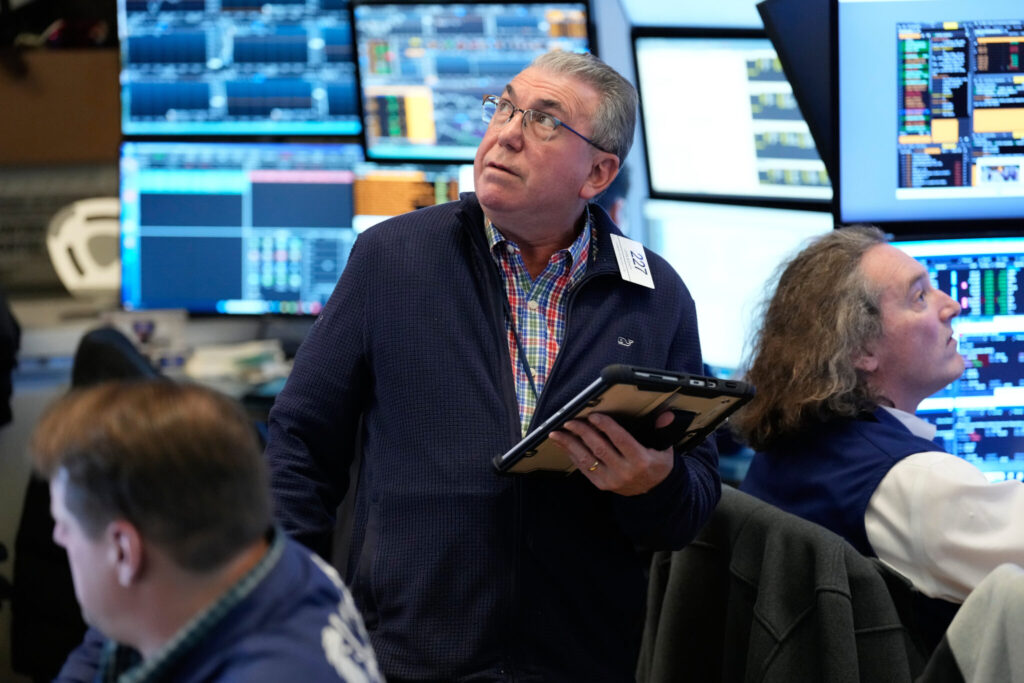
US Jobless Claims Report Quick Looks
- Weekly jobless claims remained steady at 213,000.
- The number came in slightly below economist expectations.
- Layoffs remain historically low across the U.S. economy.
- The unemployment rate recently fell to 4.3%.
- Government revisions cut hundreds of thousands of previously reported jobs.
- Hiring has slowed in what economists call a “low-hire, low-fire” labor market.
- Some major companies have announced layoffs in recent weeks.
- The government will release February’s employment report Friday.
US Jobless Claims Report Deep Look
New applications for unemployment benefits in the United States held steady last week, signaling that layoffs remain relatively low and the labor market continues to show resilience despite economic uncertainty.
The U.S. Department of Labor reported Thursday that 213,000 Americans filed initial claims for unemployment benefits for the week ending February 28. The figure was unchanged from the previous week.
Economists surveyed by FactSet had expected slightly higher claims of around 215,000, meaning the data came in marginally stronger than forecasts.
Weekly jobless claims are widely viewed as one of the most reliable real-time indicators of layoffs and the overall health of the labor market.
Layoffs Remain Historically Low
The latest figures suggest that businesses are still reluctant to cut workers despite broader economic concerns.
For the past several years, weekly jobless claims have remained within a historically low range between 200,000 and 250,000 filings, indicating that large-scale layoffs have remained limited.
That stability contrasts with earlier economic downturns when unemployment claims often surged dramatically.
The data indicates that many employers are still holding on to workers, even as hiring slows and economic growth faces uncertainty.
January Jobs Report Showed Strong Hiring
Recent labor market data has offered mixed signals about the strength of the U.S. economy.
Last month, the Labor Department reported that U.S. employers added 130,000 jobs in January, a stronger-than-expected result.
The unemployment rate also fell slightly to 4.3% from 4.4%.
However, revisions to earlier employment data significantly reduced the number of jobs created during the previous year.
Government statisticians cut 2024–2025 payroll estimates by hundreds of thousands, lowering total job growth for last year to about 181,000 jobs.
That marked a steep decline from the previously reported 584,000 jobs and represented the weakest annual job growth since the pandemic-driven downturn in 2020.
The Labor Department is scheduled to release its February employment report on Friday, which economists expect to provide clearer insight into whether hiring is strengthening or slowing.
Hiring Slowdown Creates “Low-Hire, Low-Fire” Economy
Despite the relatively stable unemployment rate, economists say the labor market has entered a phase sometimes described as a “low-hire, low-fire” environment.
In this situation, employers are not laying off large numbers of workers but are also hiring fewer new employees.
As a result, unemployment remains low, but job seekers may find it more difficult to secure new positions.
Recent data has shown that job openings declined in December to their lowest level in more than five years, reflecting weaker hiring demand.
Corporate Layoffs Still Occurring
Although the overall labor market remains stable, several major corporations have announced layoffs in recent weeks.
Companies including UPS, Amazon, Dow, and The Washington Post have all disclosed job cuts as businesses adjust to slower economic growth and evolving market conditions.
These announcements have drawn attention to the uneven nature of employment trends across different industries.
Technology, logistics, and media companies in particular have faced restructuring pressures.
Interest Rates And Trade Uncertainty Affect Hiring
Economic uncertainty has also played a role in slowing hiring across the economy.
Analysts say President Donald Trump’s tariff policies have contributed to uncertainty for businesses that rely on global trade.
At the same time, the Federal Reserve’s interest rate increases in 2022 and 2023 — implemented to combat pandemic-era inflation — continue to influence corporate hiring decisions.
Higher borrowing costs can make it more expensive for companies to expand operations, hire new employees, or invest in growth.
Some Federal Reserve officials argue that the slowdown in hiring reflects the ongoing impact of these tighter financial conditions.
Mixed Outlook For Federal Reserve Policy
The Federal Reserve has signaled it may begin cutting interest rates later this year if inflation continues to moderate.
However, a stronger labor market could complicate that plan.
If hiring accelerates or unemployment falls further, policymakers may worry that economic activity could reignite inflation pressures.
Economists remain divided on whether the surprisingly strong January job gains were an anomaly or an early sign of improving labor market conditions.
Other Labor Market Indicators
Additional data released Thursday offered further insights into employment trends.
The four-week moving average of jobless claims, which smooths out weekly volatility, fell by 4,750 to 215,750.
Meanwhile, the total number of Americans receiving unemployment benefits rose sharply.
Continuing claims for the week ending February 21 increased by 46,000 to 1.87 million people.
That rise suggests some unemployed workers are taking longer to find new jobs even as layoffs remain limited.
Labor Market Still Relatively Strong
Overall, economists say the latest data points to a labor market that remains stable but is gradually cooling from the unusually strong hiring environment seen in the years immediately following the pandemic.
For now, layoffs remain low and unemployment remains historically modest.
But with hiring slowing and economic uncertainty persisting, the coming months will likely determine whether the labor market continues to hold steady or begins to weaken.