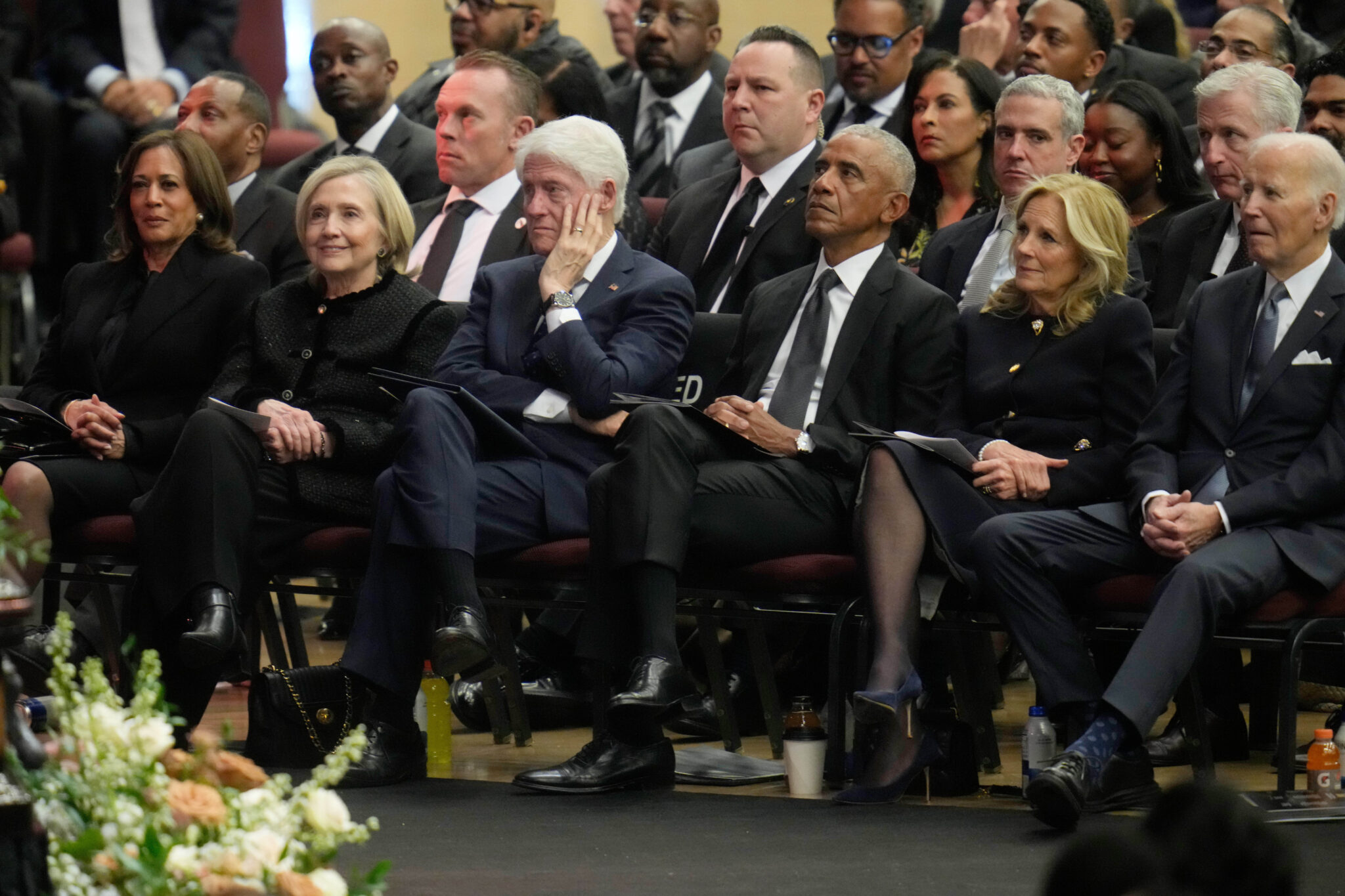
Former Democratic Presidents Honor Jesse Jackson at Chicago Memorial/ Newslooks/ WASHINGTON/ J. Mansour/ Morning Edition/ Former Presidents Barack Obama, Bill Clinton, and Joe Biden joined thousands in Chicago to honor civil rights icon Rev. Jesse Jackson Sr. Speakers reflected on Jackson’s influence on civil rights, politics, and social justice movements. The memorial highlighted how Jackson’s activism paved the way for future Black political leaders.
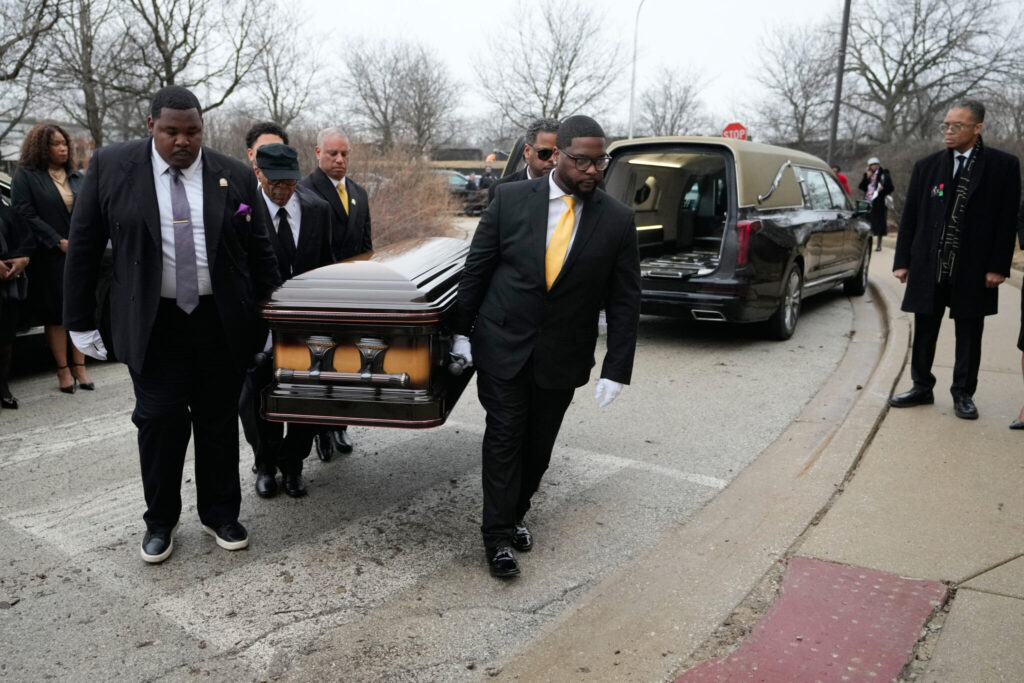
Jesse Jackson Memorial Chicago Quick Looks
- Thousands attended a celebration of life for Rev. Jesse Jackson Sr. in Chicago.
- Former Presidents Barack Obama, Joe Biden, and Bill Clinton spoke at the memorial.
- Former Vice President Kamala Harris and numerous public figures also participated.
- Jackson’s 1980s presidential campaigns helped inspire future Black political leaders.
- The service included speeches, gospel performances, and tributes from activists and celebrities.
- Jackson died at age 84 after battling a neurological disorder.
- His legacy includes decades of civil rights advocacy and leadership of the Rainbow PUSH Coalition.
Deep Look: Former Democratic Presidents Honor Jesse Jackson at Chicago Memorial
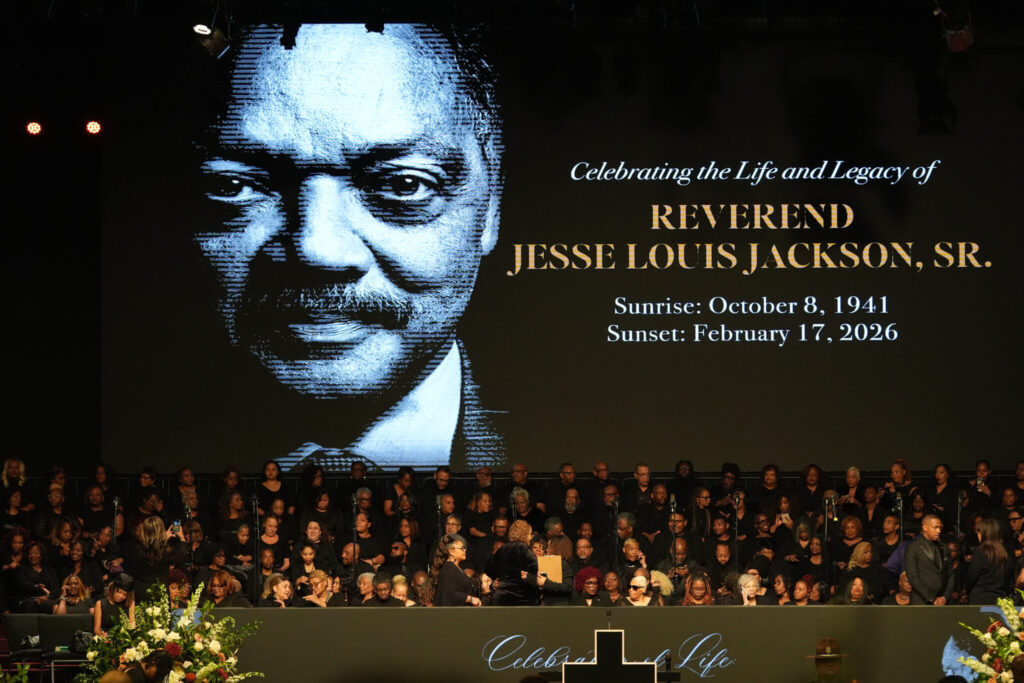
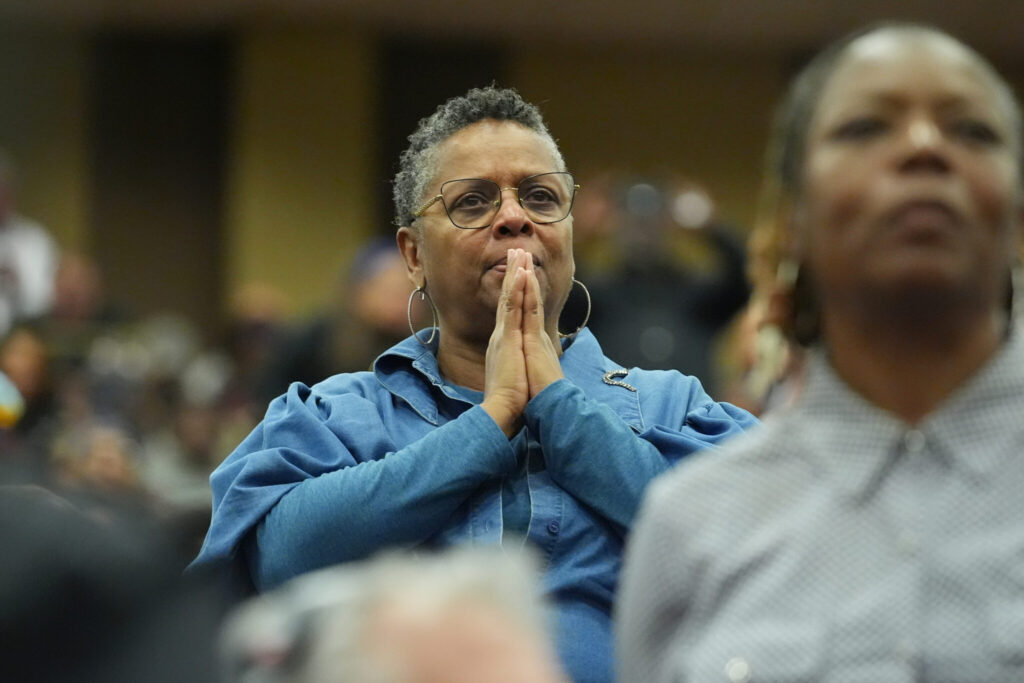
Thousands of people gathered on Chicago’s South Side to celebrate the life and legacy of Rev. Jesse Jackson Sr., a towering figure in the civil rights movement whose influence spanned politics, activism, and global diplomacy.
The celebration of life drew an array of prominent figures, including three former U.S. presidents—Barack Obama, Joe Biden, and Bill Clinton—who reflected on Jackson’s decades of leadership and the doors he helped open for future generations.
The event took place at a large church on Chicago’s South Side capable of holding roughly 10,000 people. It served as the largest public tribute to Jackson since his death last month at age 84 following a battle with a rare neurological disorder that gradually limited his mobility and speech.
Jackson’s influence stretched far beyond the city where he built much of his career. As a protégé of Martin Luther King Jr., Jackson emerged in the 1960s as a prominent activist advocating for racial equality, economic justice, and political empowerment.
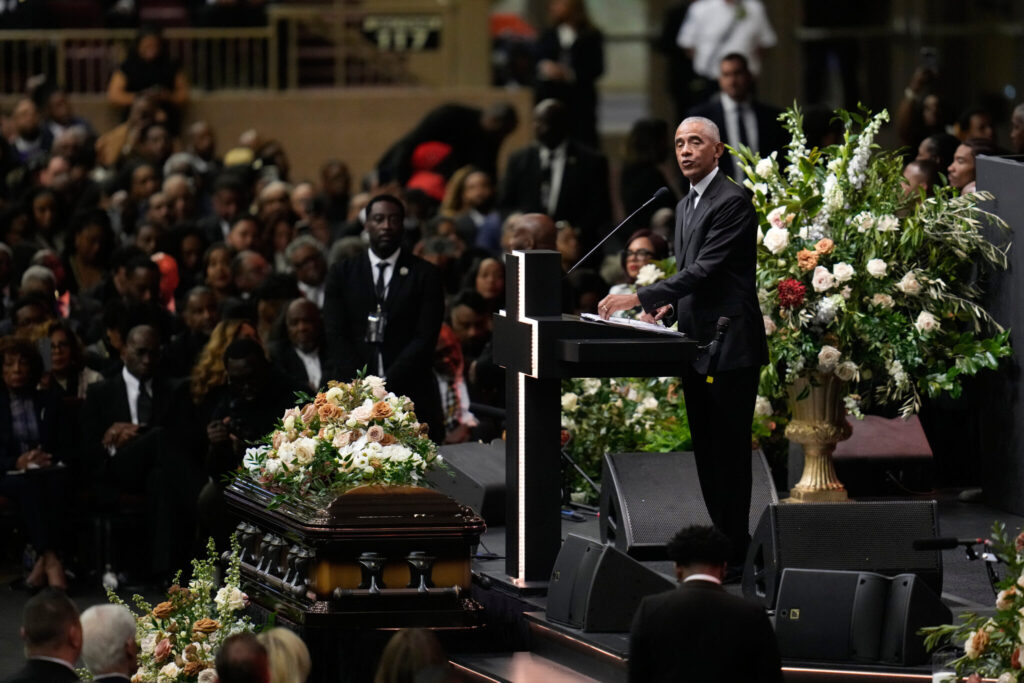
During the memorial service, Obama described how Jackson’s historic presidential campaigns in the 1980s helped pave the way for future Black leaders in national politics—including his own presidency.
“The message he sent to a 22-year-old child of a single mother with a funny name, an outsider, was that maybe there wasn’t any place or any room where we didn’t belong,” Obama said. “He paved the road for so many others to follow.”
Obama also spoke about the broader challenges facing the nation today, suggesting Jackson’s life and work serve as a reminder of the importance of hope and civic engagement.
“We are living in a time when it can be hard to hope,” Obama said, pointing to growing concerns about democratic institutions and public discourse.
Former President Clinton reflected on Jackson’s influence on his own political career, saying the civil rights leader helped shape his approach to governing.
“He knew change came from the inside out,” Clinton said, adding that Jackson’s activism encouraged leaders to connect moral values with public policy.
Biden also joined the gathering to honor Jackson, alongside former Vice President Kamala Harris, who appeared on the program as a speaker.
President Donald Trump, who posted tributes to Jackson on social media following his death, did not attend the memorial service according to the White House schedule.
The atmosphere inside the venue blended elements of a church service and a political rally. Gospel performances filled the auditorium, including appearances by renowned singer Jennifer Hudson, while speakers reflected on Jackson’s wide-reaching impact.
Notable attendees included actor and filmmaker Tyler Perry, California Governor Gavin Newsom, and scholar and activist Cornel West.
Former NBA star Isiah Thomas also addressed the audience, sharing memories of Jackson’s influence within Chicago and beyond.
Civil rights leader Al Sharpton delivered remarks calling on attendees to continue Jackson’s work through activism, voting, and advocacy.
Outside the church, crowds lined up early to attend the historic gathering. Screens played some of Jackson’s most famous speeches while vendors sold memorabilia including pins featuring his 1984 presidential campaign slogan and clothing bearing his well-known “I Am Somebody” message.
Among those attending was Chelsia Bryan, a marketing professional who said she felt compelled to witness the moment.
“As a Black woman, knowing that someone dedicated their life to making sure I can do the things that I can do now, he’s worth honoring,” Bryan said.
Jackson’s influence was felt deeply by many in the audience. Mary Lovett, a 90-year-old retired teacher who moved to Chicago from Mississippi in the 1960s, recalled how Jackson’s advocacy inspired her throughout her life.
Lovett said she voted for Jackson during both of his presidential campaigns and admired his willingness to speak out for marginalized communities.
“He’s gone, but I hope his legacy lives,” Lovett said. “I hope we can remember what he tried to teach us.”
Jackson’s son, Yusef Jackson, who now leads the Rainbow PUSH Coalition, spoke about his father’s lifelong commitment to justice.
He recalled how Jackson carried a worn Bible but also showed his faith through action—marching on picket lines, supporting workers, and advocating for social change.
“He lived a revolutionary Christian faith rooted in justice, nonviolence and moral righteousness,” Yusef Jackson said.
Rev. Jesse Jackson’s activism spanned more than five decades. He championed causes ranging from voting rights and healthcare access to education reform and economic equality.
Through the Rainbow PUSH Coalition, he pushed corporations and government leaders to expand opportunities for minorities and underserved communities.
Jackson also became known internationally for diplomatic efforts that helped secure the release of prisoners and hostages abroad.
Memorial events in both Chicago and South Carolina, where Jackson was born, have drawn civic leaders, students, and everyday citizens who said his work changed their lives.
Several states lowered their flags to half-staff to honor Jackson’s contributions.
There were discussions about allowing Jackson to lie in honor at the U.S. Capitol Rotunda in Washington, D.C., but the request was declined by House Speaker Mike Johnson, who noted the space is typically reserved for former presidents and select officials.
Even so, many speakers said the true measure of Jackson’s legacy will be the continued fight for justice and equality.
For many gathered in Chicago, the memorial was not simply a farewell—but a reminder of the work still ahead.