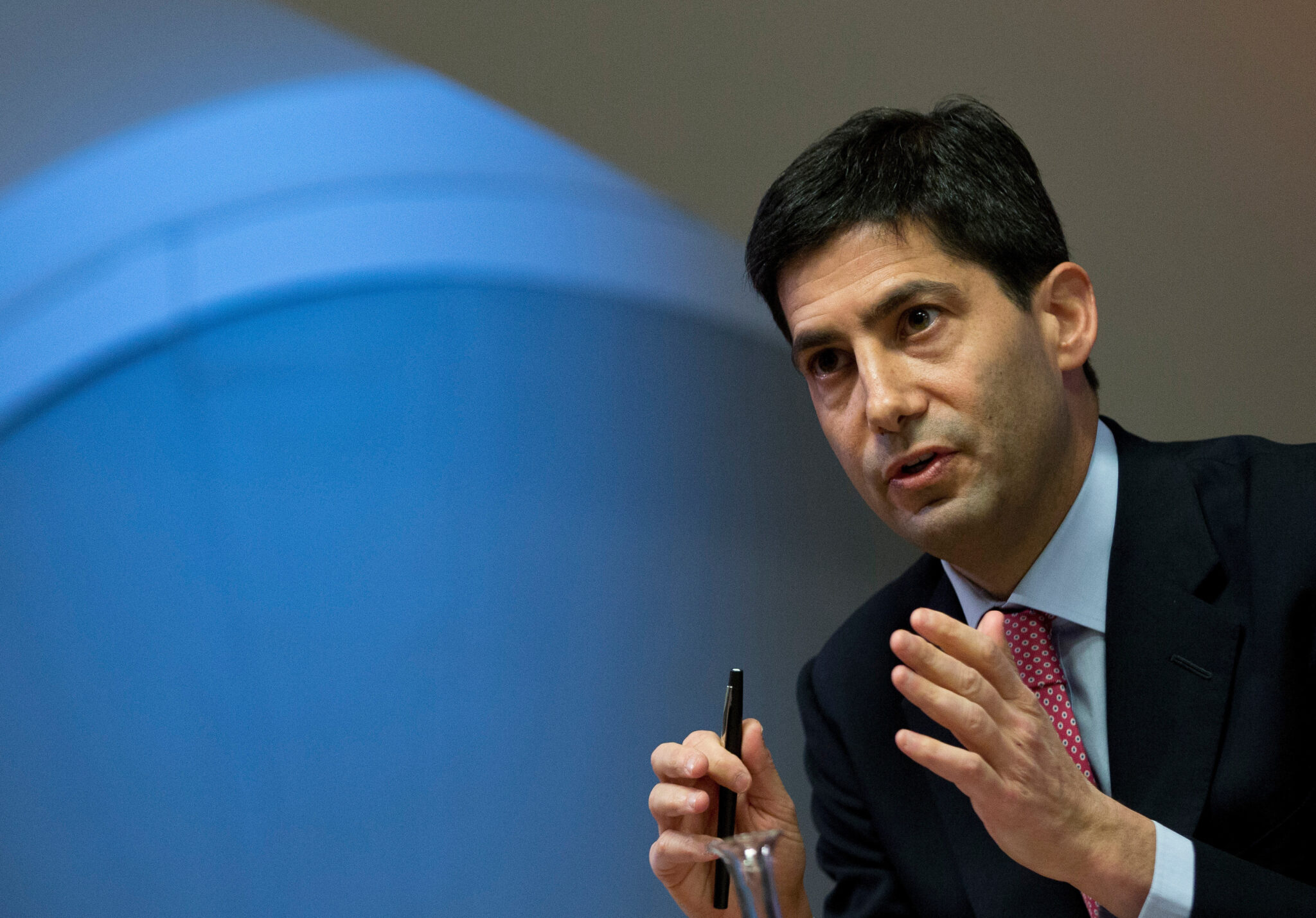
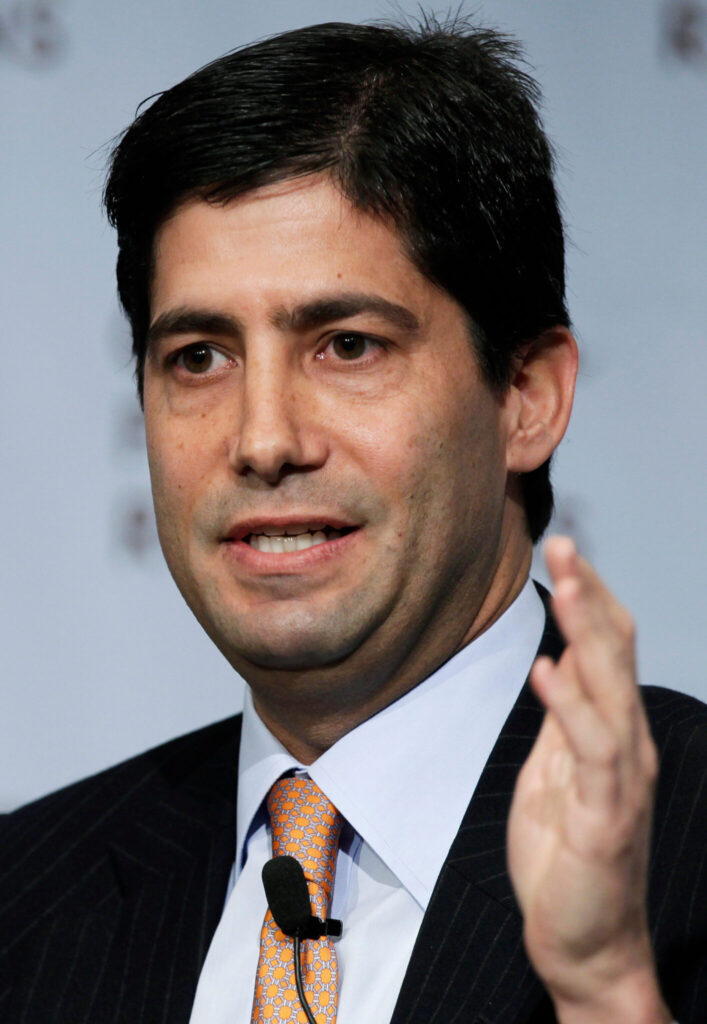
Fed Nominee Kevin Warsh Defends Central Bank Independence/ Newslooks/ WASHINGTON/ J. Mansour/ Morning Edition/ Federal Reserve Chair nominee Kevin Warsh plans to tell lawmakers that the Fed must remain strictly independent when setting interest rates. He will stress that inflation control is a core responsibility and warn that rising prices cause the greatest harm to lower-income Americans. Warsh also says the Fed should avoid political distractions and stay focused on monetary policy and its legal responsibilities.
Kevin Warsh Pledges Fed Independence on Interest Rates Quick Looks
- Kevin Warsh will testify before lawmakers Tuesday
- He says monetary policy must remain “strictly independent”
- Warsh argues Fed autonomy must be earned through strong decision-making
- He says inflation control is the Fed’s responsibility “without excuse or equivocation”
- President Donald Trump has repeatedly pushed for lower interest rates
- Warsh says political opinions on rates do not automatically threaten Fed independence
- He believes the Fed should avoid social and fiscal policy distractions
- The confirmation hearing will focus heavily on central bank autonomy
Deep Look
Kevin Warsh Prepares to Defend Federal Reserve Independence
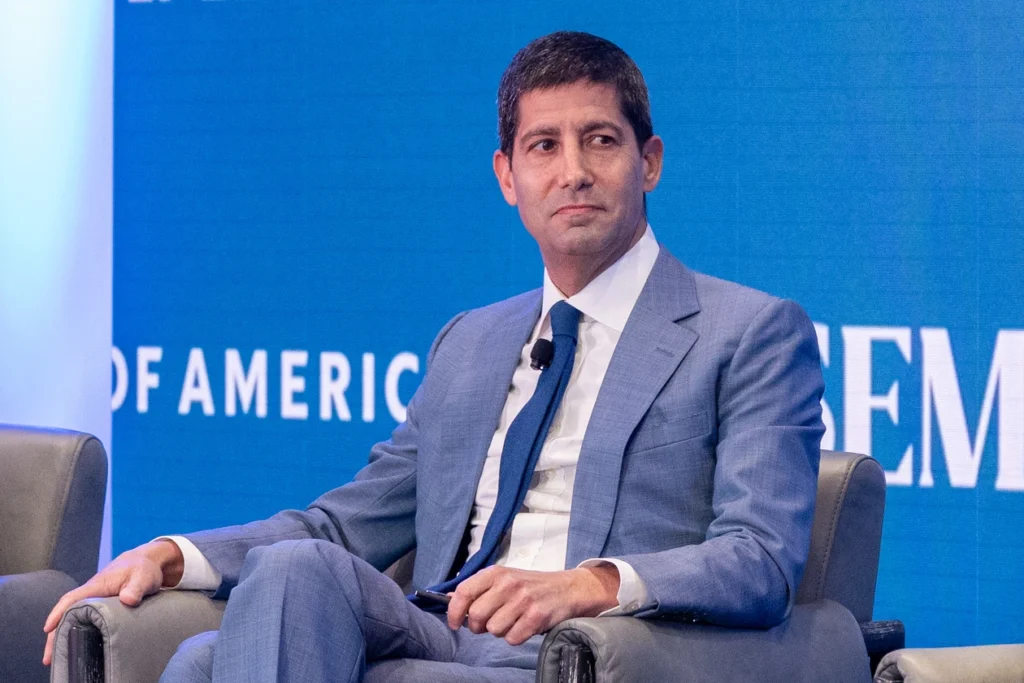
Kevin Warsh is expected to make a strong case for Federal Reserve independence during his Senate confirmation hearing, emphasizing that interest rate decisions must remain insulated from short-term political pressure.
In prepared remarks for Tuesday’s hearing, Warsh says the central bank’s authority to set monetary policy must be protected, but that independence should not be taken for granted.
Instead, he argues it must be earned through discipline, credibility, and consistent decision-making.
Warsh plans to tell lawmakers that monetary policymakers must rely on “analytic rigor, meaningful deliberation, and unclouded decision-making” when setting rates and responding to inflation risks.
His testimony comes as the Federal Reserve remains under intense scrutiny from both financial markets and political leaders over the future path of interest rates.
Trump Pressure on Rate Cuts Creates Political Focus
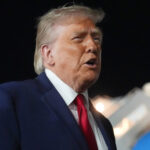
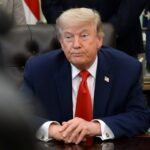
President Donald Trump has repeatedly called for aggressive interest rate cuts and has publicly criticized Fed leadership for not lowering borrowing costs more quickly.
Trump has even threatened to remove current Fed Chair Jerome Powell over disagreements about monetary policy.
That pressure has made Federal Reserve independence one of the most closely watched issues surrounding Warsh’s nomination.
Still, Warsh signals that he does not believe public political criticism automatically weakens the Fed’s independence.
“I do not believe the operational independence of monetary policy is particularly threatened when elected officials — presidents, senators, or members of the House — state their views on interest rates,” Warsh will say.
“Central bankers must be strong enough to listen to a diversity of views from all corners.”
His remarks suggest he views public pressure differently from direct political interference, drawing a distinction between elected officials expressing opinions and attempts to control policy decisions.
Inflation Control Remains the Top Priority
Warsh also plans to stress that controlling inflation must remain the Federal Reserve’s top mission.
He says price stability is not optional and must be pursued “without excuse or equivocation, argument or anguish.”
In his prepared statement, he takes a firm stance that inflation is ultimately a policy choice and that the Fed must accept responsibility when prices rise too quickly.
“Inflation is a choice, and the Fed must take responsibility for it,” he says.
He adds that low inflation acts as the Fed’s “plot armor,” protecting both the economy and public trust.
Warsh warns that when inflation surges, the greatest damage is often felt by lower-income Americans who are least able to absorb rising costs for food, housing, transportation, and other essentials.
“So, when inflation surges — as it has done in recent years — grievous harm is done to our citizens, especially to the least well-off.”
This message may appeal to lawmakers concerned that recent inflation spikes have weakened public confidence in the central bank.
Fed Should Stay in Its Lane
Beyond monetary policy, Warsh argues that the Federal Reserve should avoid expanding too far into areas outside its legal mission.
He says the same level of independence granted for interest rate decisions does not necessarily apply to other responsibilities such as bank regulation, international finance, and management of public funds.
He also warns against the Fed becoming involved in broader fiscal or social policy debates that fall outside its statutory authority.
Warsh believes the central bank should focus on its core responsibilities and avoid unnecessary distractions that could undermine credibility.
“In sum, I believe that monetary policy independence is earned — and better policy decisions crafted — by steering clear of distractions,” he says.
This position reflects a broader argument among some policymakers that the Fed should maintain a narrower focus on inflation, employment, and financial stability rather than broader policy activism.
Accountability and Cooperation With Congress
While emphasizing independence on monetary policy, Warsh also says the Fed must remain accountable to both Congress and the public.
He plans to tell lawmakers that he is committed to preserving strict independence in setting rates while also working closely with the White House and Congress on non-monetary issues that fall within the Fed’s responsibilities.
“I am committed to ensuring that the conduct of monetary policy remains strictly independent,” Warsh says.
“I am equally committed to working with the Administration and Congress on non-monetary matters that are part of the Fed’s remit. And I commit to accountability in all the Fed’s functions.”
This balancing act—protecting independence while maintaining transparency and cooperation—will likely define much of the confirmation process.
Lawmakers are expected to question how Warsh would handle future political pressure, especially if Trump continues pushing publicly for lower rates.
Confirmation Hearing Will Shape Market Expectations
Warsh’s testimony comes at a critical moment for financial markets as investors closely monitor signals about future Federal Reserve policy.
Any perception that the Fed could become more politically influenced may affect confidence in interest rate decisions, inflation expectations, and broader market stability.
His confirmation hearing is expected to serve as an important test of whether he can reassure lawmakers, investors, and the public that the central bank will remain focused on long-term economic stability rather than short-term political demands.
For now, Warsh is positioning himself as both an inflation hawk and a defender of institutional independence—two themes likely to dominate the hearing.