US Military Fired on 2 More Iran-Flagged Oil Tankers Trying to Break Blockade/ Newslooks/ WASHINGTON/ J. Mansour/ Morning Edition/ The U.S. military said Friday it disabled two additional Iranian oil tankers attempting to break the American naval blockade around Iran. The confrontation came amid renewed exchanges of fire near the Strait of Hormuz despite an ongoing ceasefire. Washington is also awaiting Tehran’s response to a proposed agreement aimed at ending the war.
Iran Tanker Confrontation Quick Looks
- CENTCOM disabled two Iranian-flagged oil tankers
- U.S. says ships violated blockade restrictions
- New clashes erupted near Strait of Hormuz
- Iran accused Washington of violating ceasefire terms
- Rubio expects Iranian response to peace proposal
- UAE reports drone and missile attack after US says it traded fire with Iran
- Oil market tensions remain elevated worldwide
Deep Look
US Military Disables Additional Iranian Tankers
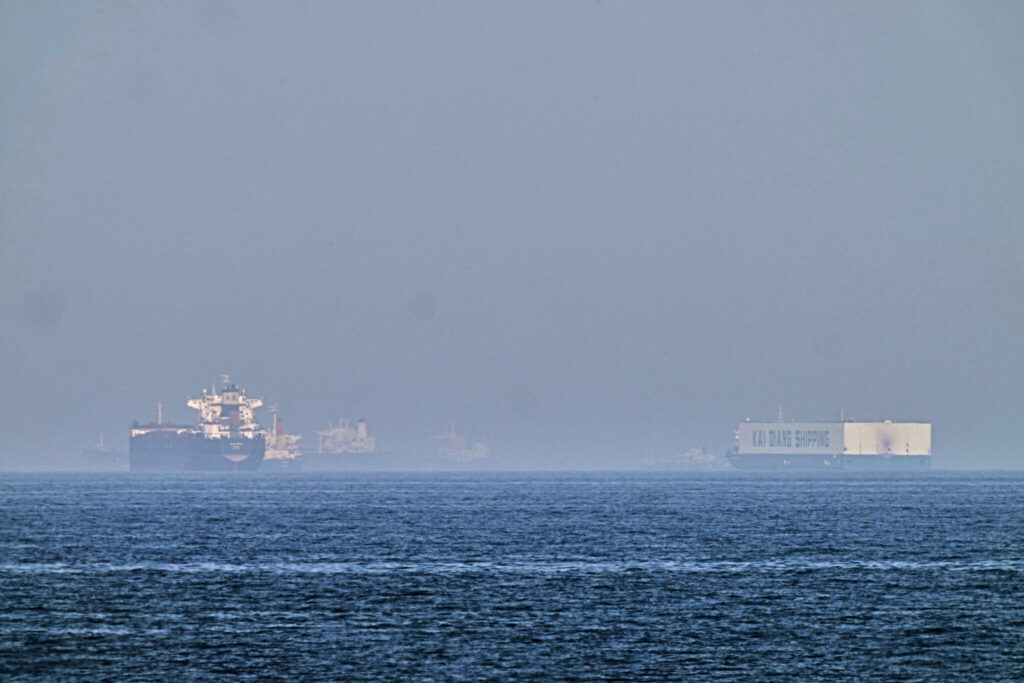
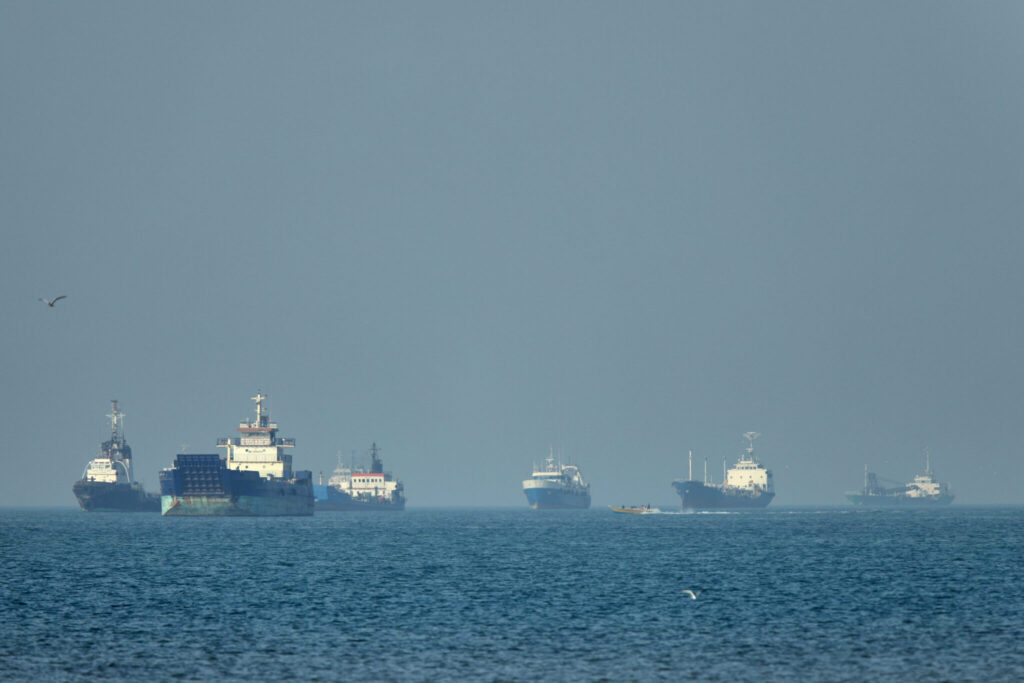
The United States military said Friday that American forces fired on and disabled two more Iranian-flagged oil tankers attempting to breach the U.S. naval blockade around Iran’s ports.
According to U.S. Central Command, the tankers were intercepted after attempting to move through restricted waters connected to the ongoing conflict between Washington and Tehran.
“U.S. forces in the Middle East remain committed to full enforcement of the blockade of vessels entering or leaving Iran.”
The confrontation marked another escalation in the increasingly fragile ceasefire that has struggled to hold in recent weeks.
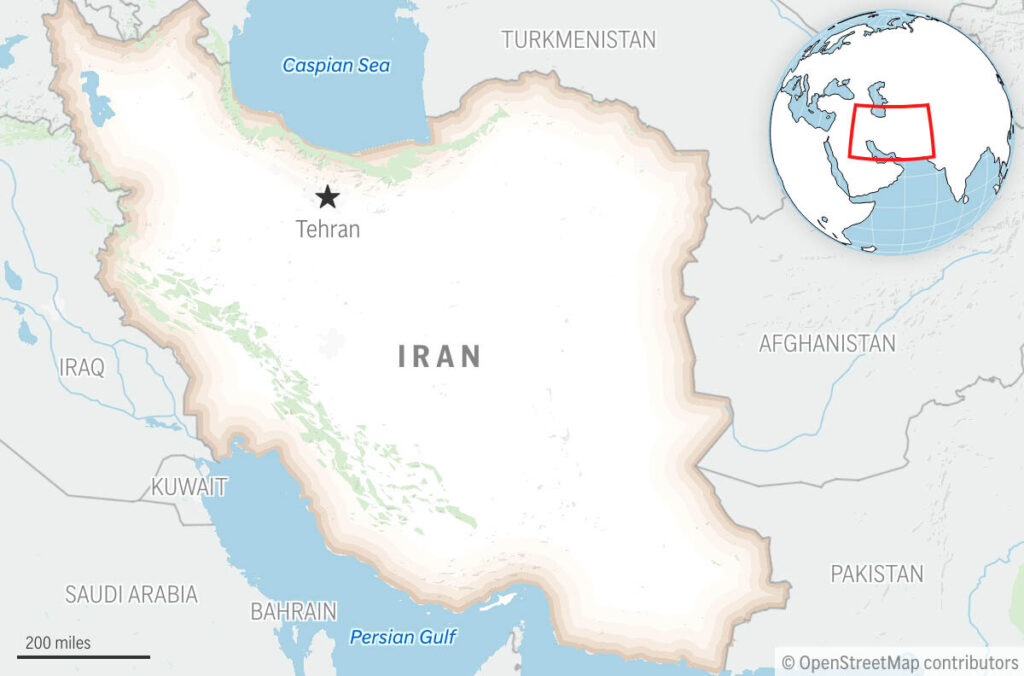
New Naval Clashes Near Strait Of Hormuz
The latest incident followed another exchange of fire Thursday involving U.S. Navy warships and Iranian forces near the Strait of Hormuz.
American officials said U.S. destroyers came under missile, drone and small-boat attacks while transiting the critical waterway. U.S. forces responded by striking Iranian military sites believed connected to the attacks.
The Strait of Hormuz remains one of the world’s most important oil shipping lanes, carrying a substantial share of global crude exports.
The blockade and repeated confrontations have disrupted commercial shipping and increased volatility in global energy markets.
CENTCOM Releases Video Of Tanker Strike
The U.S. military released footage Friday showing smoke rising from Iranian tankers after American aircraft targeted the vessels’ smokestacks.
Officials said the actions were intended to disable the ships rather than sink them.
The operation follows a similar incident earlier this week in which U.S. forces disabled another Iranian tanker in the Gulf of Oman after it allegedly ignored repeated warnings and attempted to continue toward an Iranian port.
American officials maintain the blockade remains necessary to pressure Tehran during ongoing negotiations.
Iran Denounces US Actions
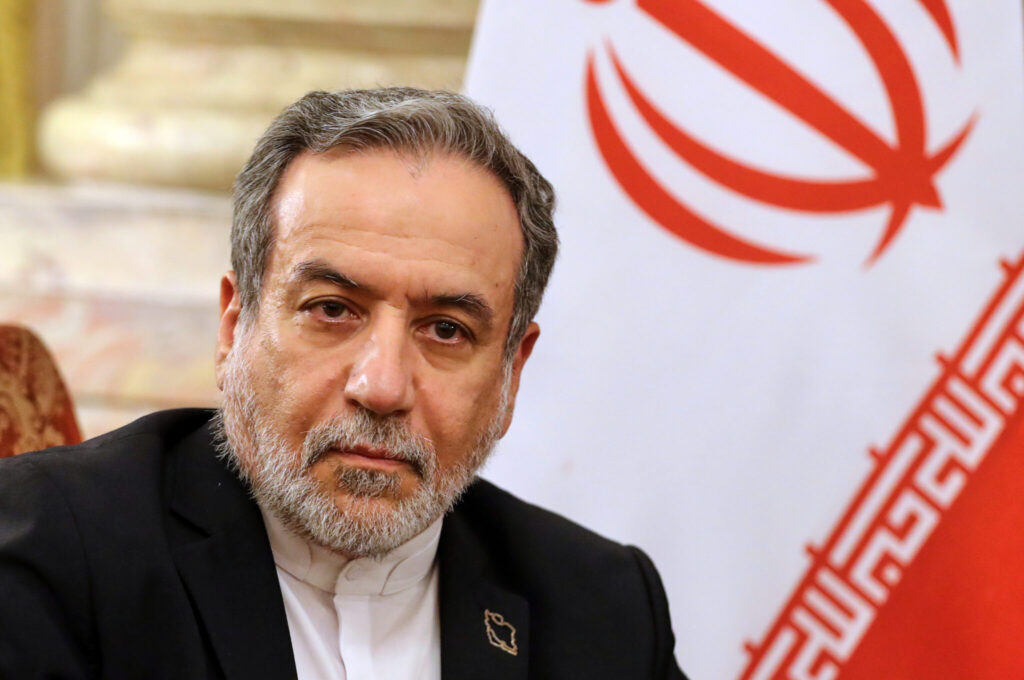
Iran’s Foreign Ministry condemned the latest military actions, calling them:
“a clear violation” of the ceasefire agreement.
Iranian officials argue the U.S. naval blockade itself violates international law and accuse Washington of escalating tensions while simultaneously conducting peace negotiations.
State media in Tehran portrayed the tanker incidents as attacks on civilian commercial infrastructure and evidence the United States is undermining diplomatic efforts.
Rubio Awaits Iranian Response
Secretary of State Marco Rubio said Friday that Washington is awaiting Tehran’s formal response to a proposed framework agreement intended to end the war.
“I hope it’s a serious offer,” Rubio told reporters. “I really do.”
The reported proposal could include:
- A moratorium on Iranian uranium enrichment
- Easing of some U.S. sanctions
- Access to frozen Iranian financial assets
- Reopening the Strait of Hormuz for shipping
Neither Washington nor Tehran has publicly released full details of the discussions.
Rubio said Friday that it’s “unacceptable” for Iran to have a government agency that vets and taxes ships seeking passage through the strait.
Ceasefire Faces Growing Strain
Despite official claims that a ceasefire technically remains in place, military confrontations have become increasingly common.
U.S. officials previously acknowledged Iranian attacks on American forces had occurred multiple times since the ceasefire began, though leaders said they had not yet crossed the threshold for a return to full-scale war.
Defense Secretary Pete Hegseth has repeatedly said U.S. forces remain in a defensive posture while preserving freedom of navigation in regional waterways.
UAE reports drone and missile attack after US says it traded fire with Iran
The United Arab Emirates said it responded to another Iranian missile barrage on Friday, hours after the U.S. said it traded fire with Iranian forces in the Strait of Hormuz, in the latest blows to a shaky month-old ceasefire.
The UAE’s Defense Ministry said three people were wounded after air defenses engaged two ballistic missiles and three drones launched by Iran. It was not clear if all were successfully intercepted. Authorities told people to stay away from any fallen debris.
Oil Markets Continue Watching Conflict Closely
The ongoing tensions continue to affect global energy markets.
Oil prices initially surged earlier this week over fears the Strait of Hormuz could remain closed indefinitely. Prices later declined after reports emerged that negotiations between Washington and Tehran were making progress.
However, continued naval clashes and uncertainty over the ceasefire are keeping markets volatile.
Analysts warn any prolonged disruption to Gulf shipping routes could significantly impact:
- Global oil supplies
- Inflation rates
- Shipping costs
- Energy prices worldwide