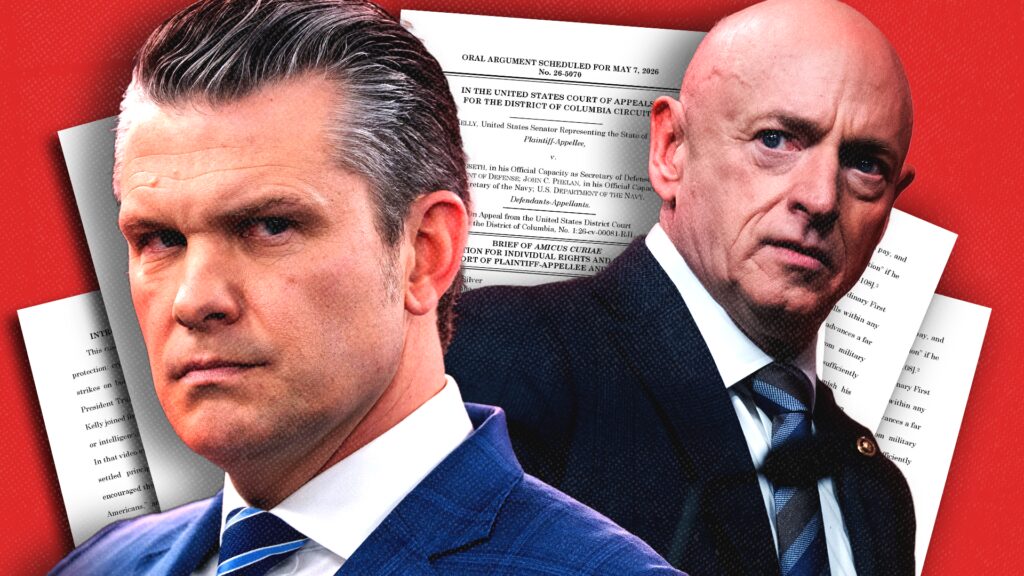
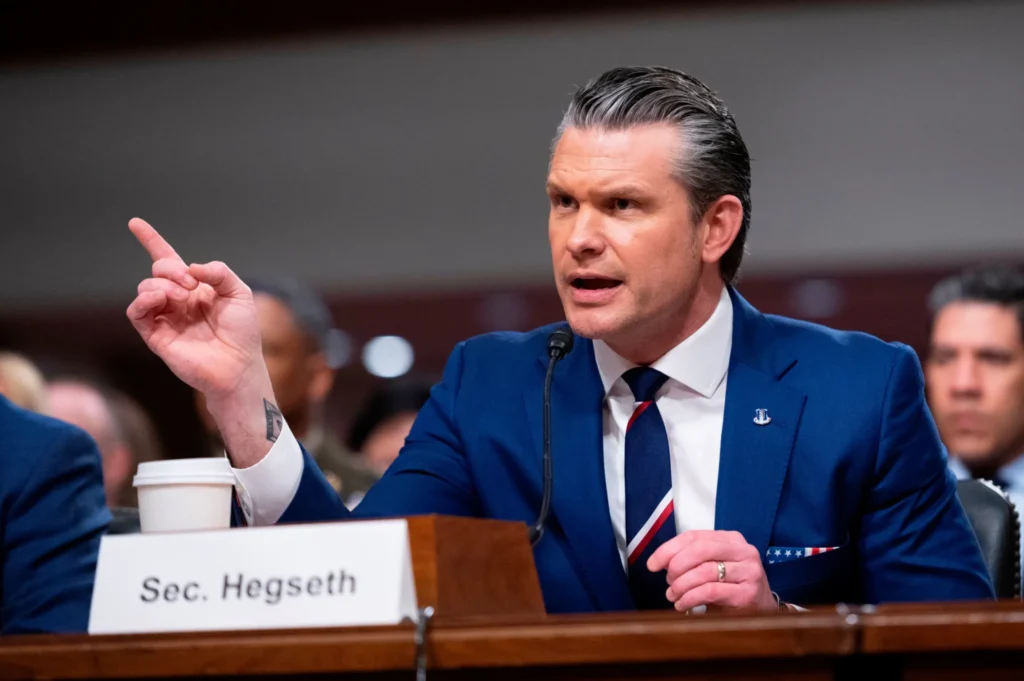
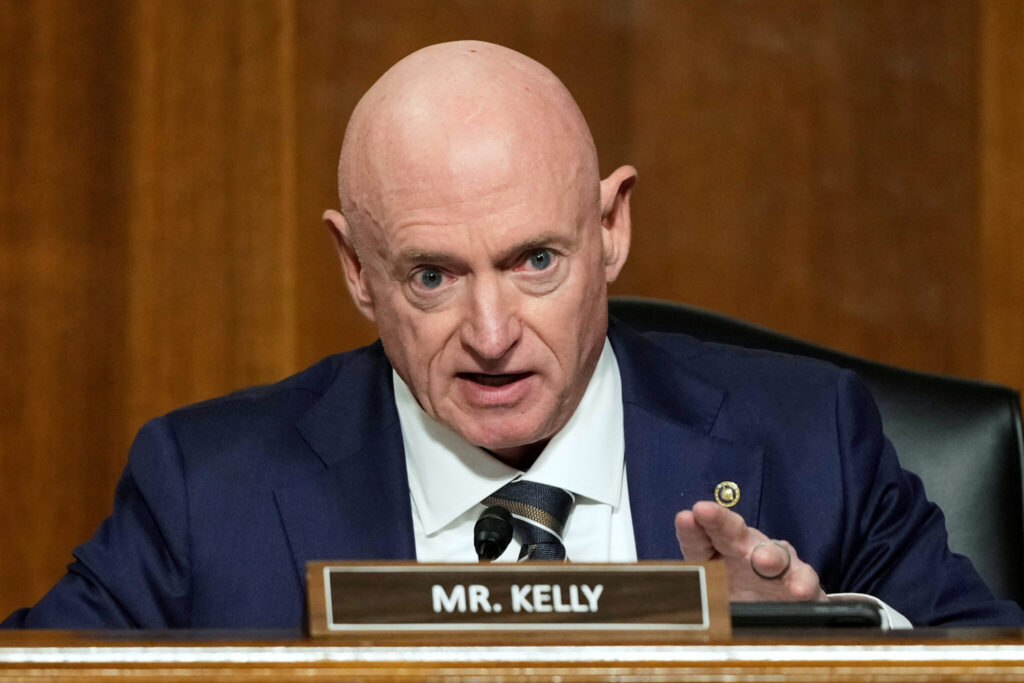
Court Skeptical about Hegseth Punishment to Mark Kelly over ‘Illegal Orders’ Video/ Newslooks/ WASHINGTON/ J. Mansour/ Morning Edition/ A federal appeals court appeared skeptical Thursday of Defense Secretary Pete Hegseth’s attempt to punish Sen. Mark Kelly over comments urging troops to reject illegal orders. Judges questioned whether Kelly’s remarks were protected under the First Amendment and longstanding military legal principles. The case has become a major test of free speech rights for retired military members amid growing political tensions.
Mark Kelly Pentagon Case Quick Looks
- Appeals judges sharply questioned Justice Department arguments
- Kelly accused Pentagon of political retaliation
- Case centers on retired military free speech rights
- Hegseth sought demotion and formal censure
- Judges cited military training on illegal orders
- Case tied to broader Trump administration conflicts
Deep Look
Appeals Court Appears Unconvinced By Pentagon Arguments
A federal appeals court on Thursday appeared poised to reject efforts by Defense Secretary Pete Hegseth to punish Democratic Sen. Mark Kelly over comments encouraging U.S. troops to refuse illegal orders.
During a lengthy hearing before the U.S. Court of Appeals for the D.C. Circuit, two judges on the three-member panel repeatedly challenged arguments made by Justice Department attorneys defending the Pentagon’s actions.
Judges Cite Military Training On Illegal Orders
Judge Nina Pillard noted that refusing illegal orders is a standard principle taught at military academies.
“That is something that is taught at Annapolis to every cadet,” Pillard said.
Judge Florence Pan also questioned the administration’s position, emphasizing the sacrifices made by military veterans.
“These are people who served their country — many put their lives on the line,” Pan said.
Both judges appeared doubtful that Kelly’s comments justified punitive action.
Kelly Sued After Pentagon Threatened Discipline
- Reduce Kelly’s military retirement rank
- Lower his retirement pay
- Issue an official letter of censure
The proposed penalties stemmed from a November video in which Kelly and five other Democratic lawmakers with military or intelligence backgrounds urged service members not to obey unlawful orders.
Trump Administration Framed Comments As Dangerous
The Trump administration argued the video undermined military discipline and could encourage insubordination.
Justice Department attorney John Bailey claimed:
“In the military context, the First Amendment is going to function differently.”
Government lawyers argued Kelly’s remarks were not merely educational or abstract legal commentary but part of a broader political effort criticizing administration military actions.
The administration compared the case to Vietnam-era rulings involving anti-war speech by active-duty officers.
Court Questions Reach Of Military Authority
However, judges repeatedly suggested the government’s comparison was flawed because Kelly is retired rather than active-duty military.
The panel explored whether retirees occupy a unique constitutional category:
- Not fully civilian
- But not fully active-duty military either
“It’s not clear what the standard is for a retiree.”
The discussion highlighted the lack of clear legal precedent governing the speech rights of retired military personnel who still receive military benefits.
Kelly Calls Effort Political Retaliation
Kelly’s attorney, Benjamin Mizer, argued the Pentagon’s actions were unconstitutional retaliation.
“He simply recited the bedrock principle of military law,” Mizer said.
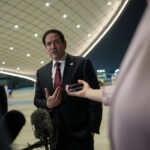
Outside the courthouse, Kelly accused the administration of trying to intimidate critics.
“If you say something that the president and this administration does not like, they’re going to come after you,” Kelly told reporters.
Case Reflects Broader Political Battles
The dispute is part of a broader campaign by President Donald Trump and allies to pursue legal or disciplinary action against political opponents.
Federal prosecutors previously attempted to indict Kelly and the other lawmakers involved in the video, but a grand jury declined to approve charges.
The case now stands as a significant legal test involving:
- First Amendment protections
- Military authority
- Political retaliation claims
- Free speech rights for veterans