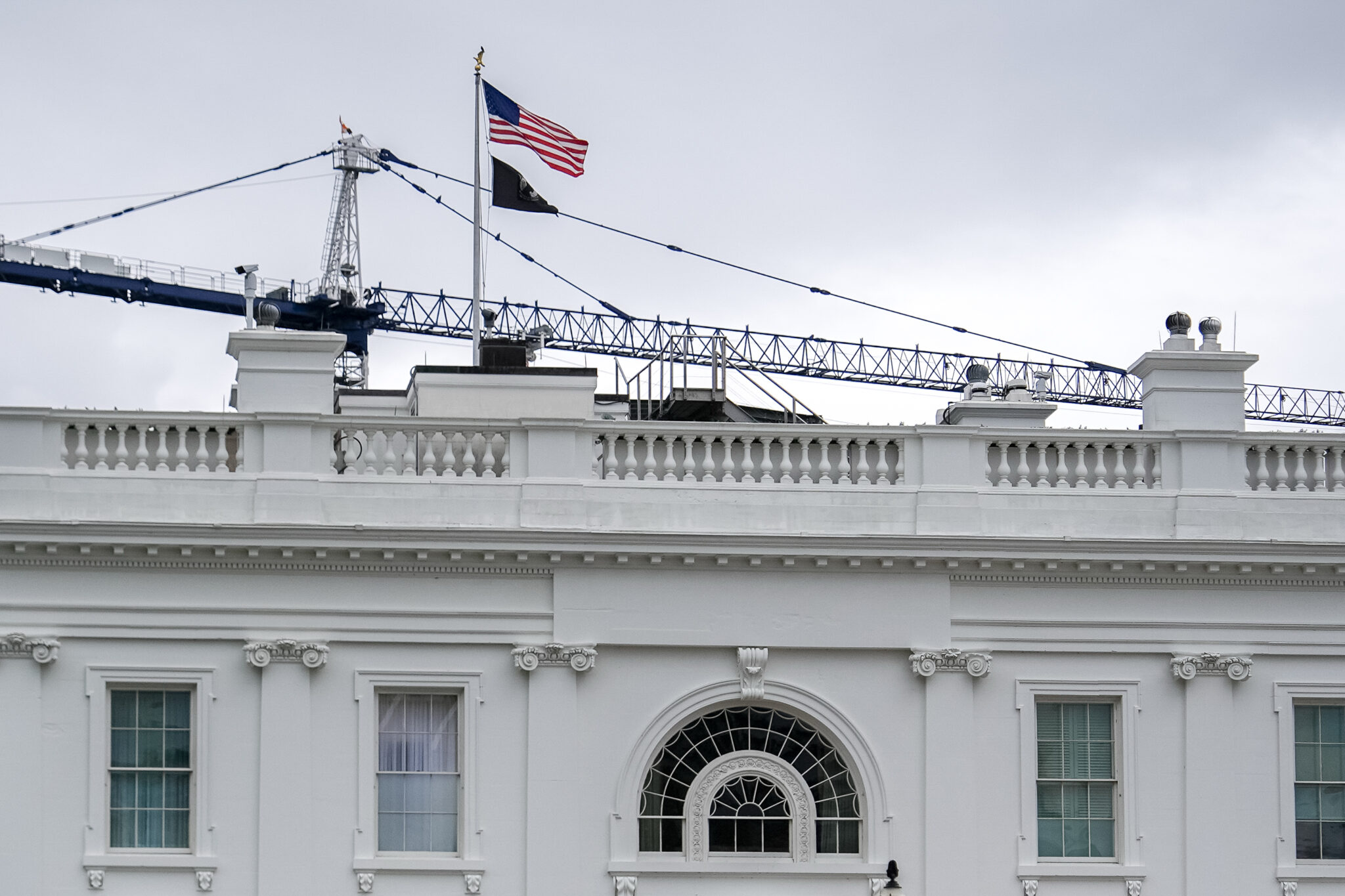
GOP Bill Would Fund $1B in White House Security Upgrades for Trump’s Ballroom/ Newslooks/ WASHINGTON/ J. Mansour/ Morning Edition/ Senate Republicans propose $1 billion for White House security. Funding tied to Trump’s ballroom project and recent threat. Democrats oppose spending, calling it unnecessary and excessive.
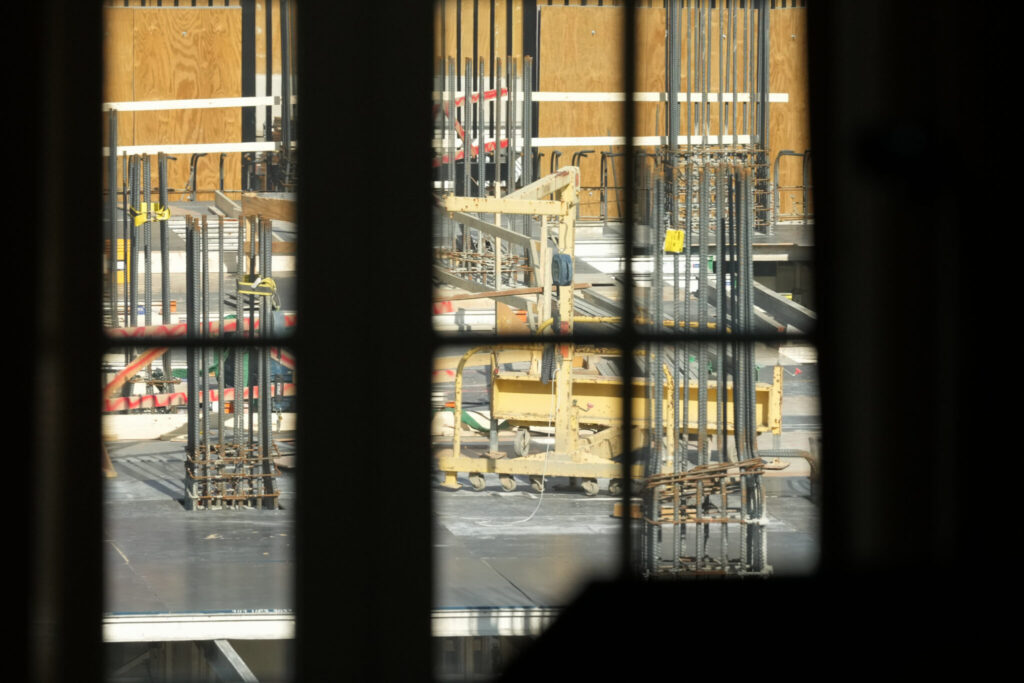
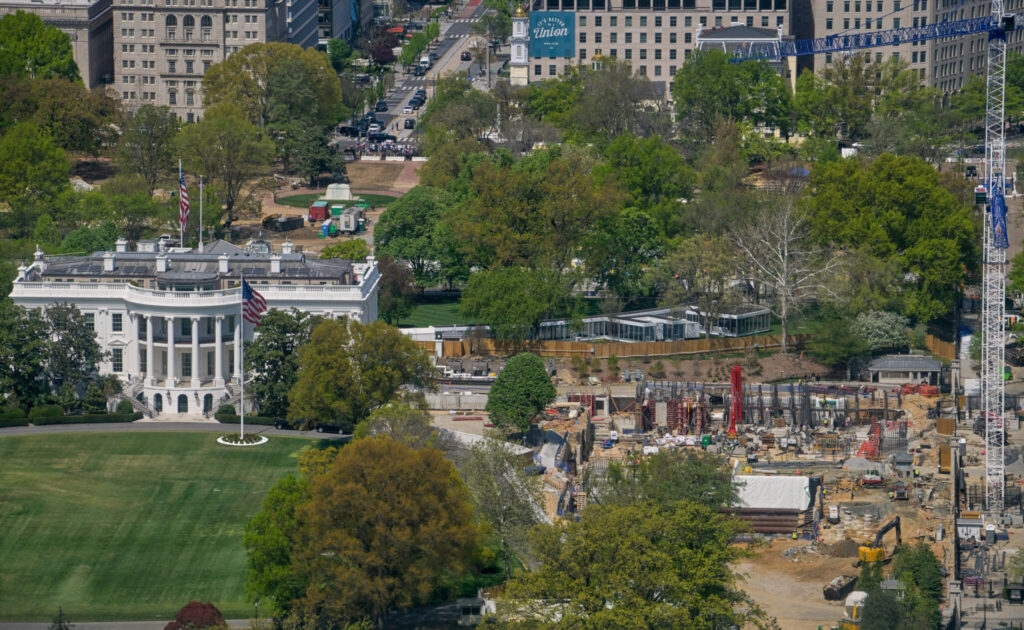
Trump Ballroom Security Funding Quick Looks
- GOP bill includes $1B for White House upgrades
- Funding tied to Trump ballroom project security
- Proposal follows alleged assassination attempt incident
- Secret Service would oversee enhancements
- Democrats strongly oppose the spending
- Legal battles over construction continue
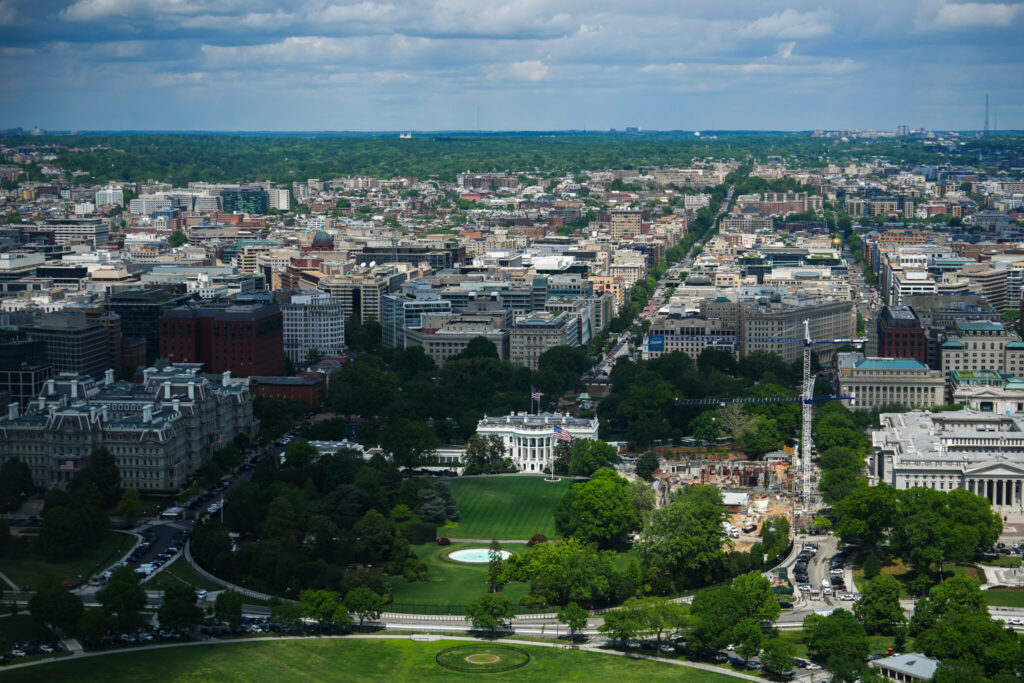
Deep Look
GOP Pushes Major Security Funding Plan
Senate Republicans have introduced legislation that includes $1 billion for security upgrades at the White House, tied to President Donald Trump’s proposed ballroom project.
The funding is part of a broader bill aimed at supporting immigration enforcement agencies, including ICE and Border Patrol.
Ballroom Project at Center of Proposal
The funding would go to the U.S. Secret Service for “security adjustments and upgrades” related to the ballroom project planned for the White House complex.
The proposal specifies that the money is intended strictly for security features, including both above-ground and underground enhancements.
Trump has previously said the ballroom should include advanced protections such as bulletproof glass and defenses against drone attacks.
Security Concerns Follow Recent Incident
The proposal comes after a man was charged with attempting to assassinate the president during the White House Correspondents’ Association dinner.
The incident has intensified calls from Republicans for stronger security measures at presidential event venues.
White House spokesperson Davis Ingle described the funding as necessary to “fully and completely harden the White House complex.”
Details of Spending Remain Unclear
While the proposed funding totals $1 billion, it significantly exceeds the estimated $400 million cost of constructing the ballroom itself.
It remains unclear how the full amount would be allocated, though court documents suggest plans for extensive fortifications.
These may include bomb shelters, military-grade infrastructure, and a medical facility beneath the ballroom.
Debate Over Public vs Private Funding
The White House has stated that private funds would cover construction costs, while public funds would be used for security upgrades.
However, some Republicans have argued that taxpayer money should fund the entire project, citing national security concerns.
“It would be insane” to hold the dinner at a hotel again, said Sen. Lindsey Graham.
Democrats Push Back on Proposal
Democrats have strongly opposed the funding, criticizing it as unnecessary spending.
“This proposal prioritizes a vanity project over the needs of American families,” said Sen. Dick Durbin.
Opponents argue that the funds could be better used to address broader economic challenges facing the country.
Legal Challenges Continue
The ballroom project is already facing legal opposition.
The National Trust for Historic Preservation has filed a lawsuit seeking to block construction, though a federal appeals court has allowed the project to proceed for now.
Partisan Divide Over Immigration Funding
The security funding is included in a larger bill aimed at financing immigration enforcement agencies.
The Senate is expected to begin voting on the measure soon, while the House has yet to release its version.
Outlook: Political and Security Debate Intensifies
The proposal highlights the intersection of national security concerns and political priorities.
As lawmakers debate the funding, questions remain about cost, necessity, and the broader implications for federal spending.
The outcome will likely shape both the future of the White House project and ongoing partisan battles in Congress.