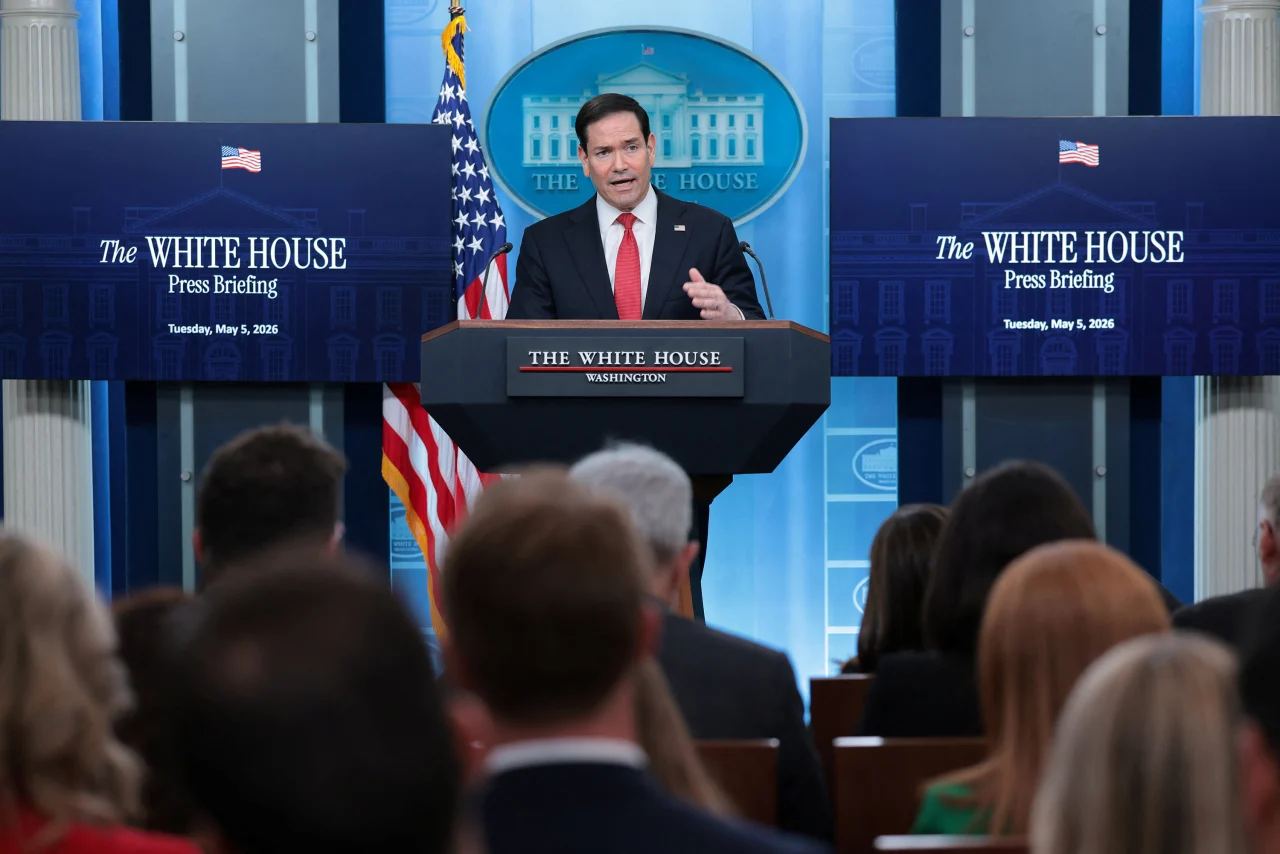
Rubio Declares Operation ‘Epic Fury’ Complete, Peace With Iran Elusive/ Newslooks/ WASHINGTON/ J. Mansour/ Morning Edition/ Rubio says the U.S. military operation against Iran is complete. However, tensions remain and peace negotiations are uncertain. Focus shifts to reopening the Strait of Hormuz and diplomacy.
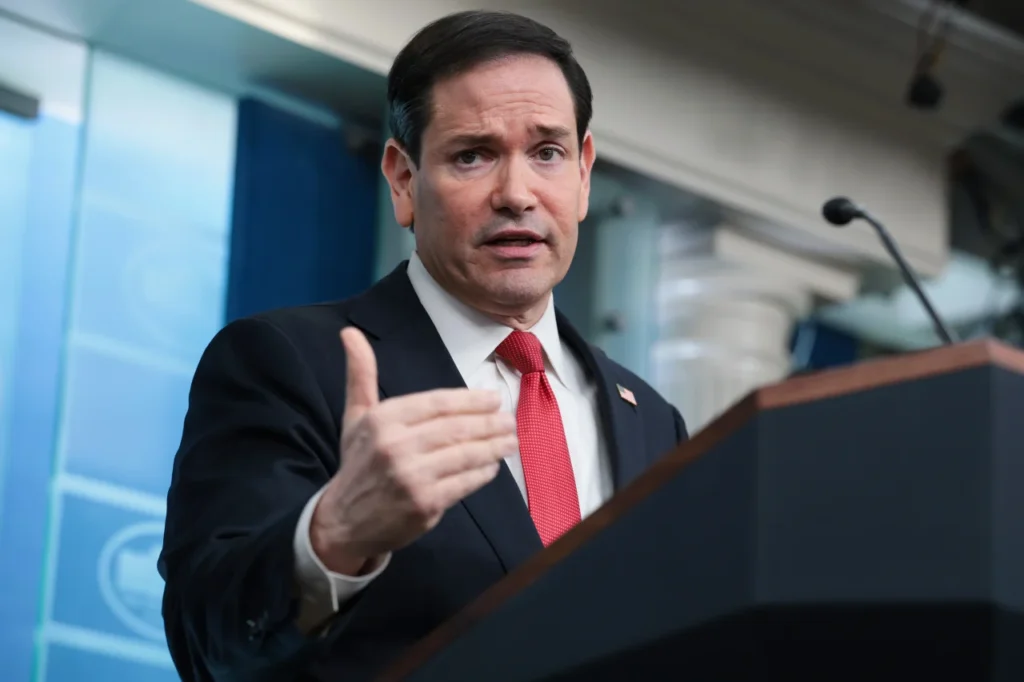
Rubio Iran War Update Quick Looks
- “Operation Epic Fury” declared complete
- Rubio says conflict could still restart
- U.S. pushes to reopen Strait of Hormuz
- Iran nuclear program remains key issue
- China urged to pressure Iran diplomatically
- Thousands of sailors stranded amid blockade
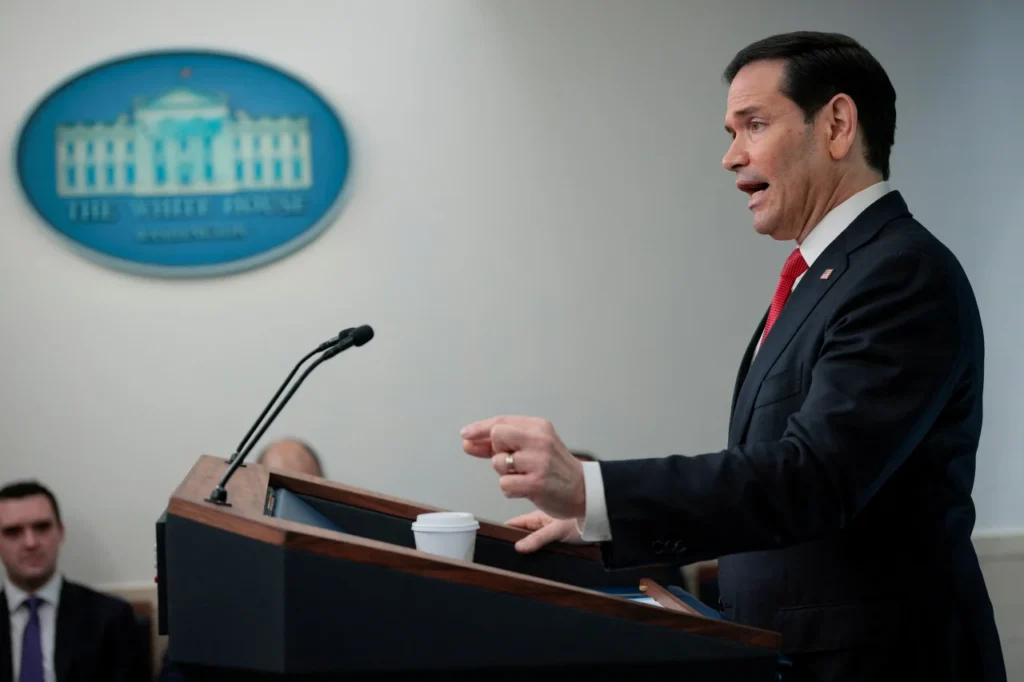
Deep Look
Rubio Declares Military Operation Complete
Marco Rubio said the major U.S. military campaign against Iran has concluded, marking the end of what officials called “Operation Epic Fury.”
“Operation Epic Fury” — the joint U.S. and Israeli operation launched earlier this year — “is concluded” because its objectives were achieved, Rubio said.
However, he stopped short of declaring a full end to the broader conflict.
Peace Still Uncertain Despite Ceasefire
Rubio emphasized that while the operation is over, lasting peace remains unresolved.
“We’re not cheering for an additional situation to occur,” he said. “We would prefer the path of peace.”
He added that stability depends on Iran meeting U.S. demands, particularly regarding its nuclear program and maritime activity.
Focus Shifts to Strait of Hormuz
A major priority now is reopening the Strait of Hormuz, a critical global shipping route disrupted by the conflict.
Rubio described ongoing U.S. efforts as defensive.
“There’s no shooting unless we’re shot at first, OK? We’re not attacking them. We’re not,” he said.
The U.S. initiative, sometimes referred to as “Project Freedom,” aims to guide ships safely through the region.
Humanitarian Concerns Grow
Rubio highlighted the plight of thousands of civilian sailors stranded due to the blockade.
“They’re sitting ducks, they’re isolated, they’re starving, they’re vulnerable,” he said. “At least 10 sailors have already died as a result.”
He noted that roughly 23,000 sailors from dozens of countries are affected, framing the situation as both a humanitarian and economic crisis.
Iran Nuclear Program Remains Central Issue
The dispute over Iran’s nuclear ambitions continues to dominate negotiations.
Rubio expressed skepticism about Tehran’s claims that it does not seek nuclear weapons.
He pointed to uranium enrichment, advanced centrifuge development, and underground facilities as evidence to the contrary.
“At this moment, there will never be a deal unless they agree that there will be no nuclear weapons,” said Donald Trump.
China’s Role in Diplomacy
Rubio urged China to use its influence over Iran to help de-escalate tensions.
“I hope the Chinese tell him what he needs to be told … You’re the bad guy in this,” Rubio said.
He argued that China, as a major trading nation, has a vested interest in restoring safe passage through the strait.
“It is in China’s interest that Iran stop closing the strait,” he added.
Global Effort Faces Limitations
While many countries support reopening shipping lanes, Rubio said few have the capacity to assist.
“The capabilities is the issue. A lot of countries would love to do something about it. But they don’t have a navy,” he explained.
As a result, the U.S. is leading the effort to stabilize the region.
Rubio Downplays Vatican Tensions
Ahead of a planned visit to the Vatican, Rubio also addressed tensions between Trump and Pope Leo XIV.
He suggested disagreements are rooted in differing views on Iran’s nuclear threat rather than a deeper divide.
Trump “doesn’t understand why anybody … would think that it’s a good idea for Iran to ever have a nuclear weapon,” Rubio said.
Outlook: Fragile Stability With Risks Ahead
Although military operations have paused, the situation remains volatile.
Negotiations, maritime security, and nuclear concerns will determine whether the current ceasefire evolves into lasting peace — or renewed conflict.
The coming weeks are likely to be critical in shaping the next phase of U.S.-Iran relations.