Rubio Says ‘Historic’ Israel-Lebanon Talks Should Agree Framework for Peace/ Newslooks/ WASHINGTON/ J. Mansour/ Morning Edition/ U.S. Secretary of State Marco Rubio expressed optimism as rare Israel-Lebanon talks began in Washington. The discussions aim to create a framework for a lasting peace and improved regional stability. The negotiations come amid ongoing conflict and fragile ceasefire efforts in the Middle East.
Israel Lebanon Talks Quick Looks
- Rubio hosts rare Israel-Lebanon talks
- First high-level direct negotiations in decades
- U.S. pushing framework for lasting peace
- Lebanon seeking ceasefire discussions
- Israel demanding Hezbollah disarmament
- Talks occur amid fragile regional ceasefire
- Senior U.S. diplomats attend negotiations
- Conflict has displaced over one million
- Iran war complicates diplomatic progress
- Rubio calls talks “process, not event”
Deep Look: Rubio Says ‘Historic’ Israel-Lebanon Talks Should Agree Framework for Peace
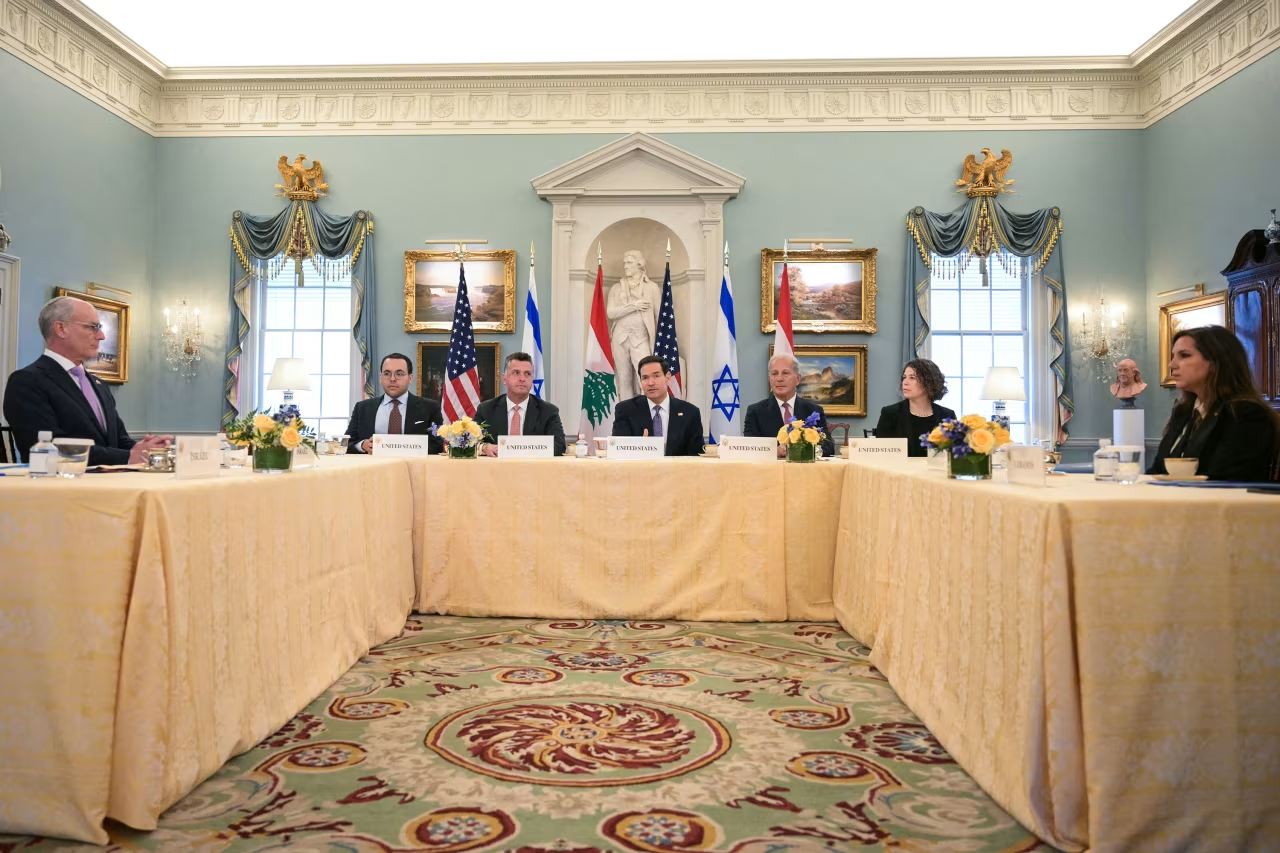
U.S. Secretary of State Marco Rubio expressed cautious optimism Tuesday as high-stakes talks between Israel and Lebanon began at the State Department in Washington, marking a rare diplomatic effort aimed at easing tensions and laying groundwork for a lasting peace.
Rubio said he hoped the negotiations would produce a framework for future progress, even while acknowledging the complexity of the issues facing both sides.
“All of the complexities of this matter are not going to be resolved in the next six hours, but we can begin to move forward and create the framework for something very positive, something very permanent,” Rubio said during opening remarks.
He added that the negotiations are intended to create conditions for long-term stability so Lebanese citizens can build a secure future and Israelis can live without fear.
“This is a process, not an event. This is more than just one day,” Rubio emphasized.
Rare Direct Talks Begin
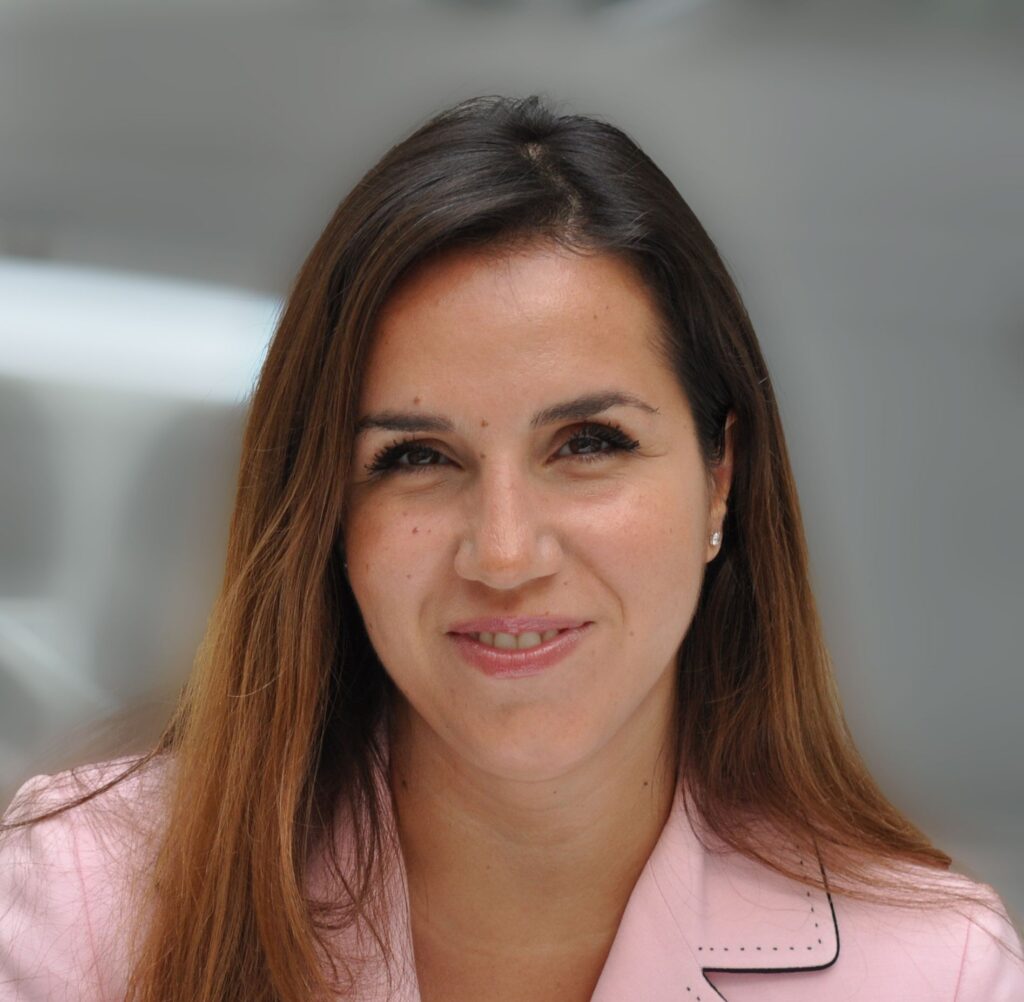
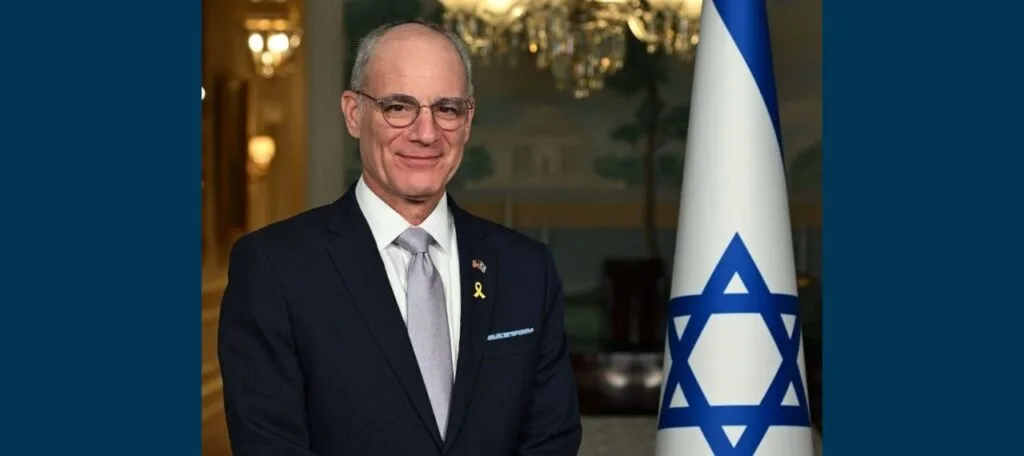
The meeting brought together Israeli Ambassador to the United States Yechiel Leiter and Lebanese Ambassador Nada Hamadeh Moawad. Also attending were U.S. Ambassador to Lebanon Michel Issa, U.S. Ambassador to the United Nations Mike Waltz, and State Department Counselor Michael Needham.
The gathering marks one of the rare direct diplomatic encounters between Israel and Lebanon, two countries technically still in a state of war.
The talks come at a critical moment in the broader Middle East crisis, following a fragile ceasefire involving the United States, Israel, and Iran. The conflict has fueled regional instability and triggered disruptions to global energy markets.
Rubio described the meeting as “historic” and said the United States hopes to begin outlining a path toward permanent peace.
Conflicting Priorities
Despite optimism from U.S. officials, both sides entered the talks with differing priorities.
Lebanese officials indicated their delegation was primarily authorized to discuss a ceasefire, reflecting domestic pressure to halt Israeli military operations and reduce humanitarian suffering.
Lebanese President Joseph Aoun said he hoped the meeting would mark the beginning of ending the suffering of Lebanese citizens, particularly those in southern regions affected by fighting.
Israel, however, has emphasized that discussions should focus on disarming Hezbollah, the Iran-aligned militant group that has fired rockets into Israel and triggered ongoing military operations.
Israeli officials have said any future peace agreement would require Hezbollah’s disarmament and security guarantees for Israel’s northern border.
Israeli Foreign Minister Gideon Saar said peace and normalization with Lebanon could only move forward after addressing Hezbollah’s military presence.
Conflict Continues to Complicate Talks
The talks come amid ongoing violence between Israeli forces and Hezbollah militants. Lebanese authorities say more than 2,000 people have been killed and over 1 million displaced since fighting intensified.
The conflict escalated after Hezbollah launched attacks in support of Iran following U.S.-Israeli strikes on Iran in late February.
The broader regional conflict has also disrupted global oil markets, contributing to economic pressure and increasing urgency for diplomatic solutions.
U.S. officials hope the Washington talks can create momentum for broader negotiations and help stabilize the region.
U.S. Role in Diplomacy
Rubio’s role in hosting the talks highlights Washington’s effort to reassert diplomatic leadership amid rising tensions in the Middle East.
The meeting also comes amid scrutiny over U.S. diplomatic strategy, particularly after Vice President JD Vance led recent Iran negotiations that ended without a breakthrough.
By hosting Israel-Lebanon talks, the State Department aims to open another diplomatic track that could reduce regional conflict.
Rubio emphasized patience, saying progress would take time but that establishing a framework is a critical first step.
“This is a historic gathering that we hope to build on,” Rubio said.
As negotiations begin, officials acknowledge that major breakthroughs are unlikely immediately. However, even incremental progress could mark a significant step toward de-escalation.
The outcome of the talks may influence broader Middle East diplomacy, including ongoing negotiations related to Iran and regional security.
For now, Rubio’s cautious optimism reflects hopes that diplomacy can begin to ease one of the region’s most persistent conflicts.