Trump Uses Longest-Ever State of the Union to Hail ‘Golden Age’ as Voters Sour on Economy/ Newslooks/ WASHINGTON/ J. Mansour/ Morning Edition/ President Donald Trump delivered the longest State of the Union address in history, declaring the U.S. is “winning so much.” He highlighted economic gains, tariffs, immigration crackdowns and foreign policy actions while downplaying affordability concerns. With midterms looming, Trump sought to boost Republican prospects amid sliding approval ratings.
Trump Longest State of the Union ‘Winning’ Message + Quick Looks
- Trump spoke for a record 108 minutes.
- Declared America is “winning so much.”
- Highlighted economic growth, immigration crackdowns, tariffs.
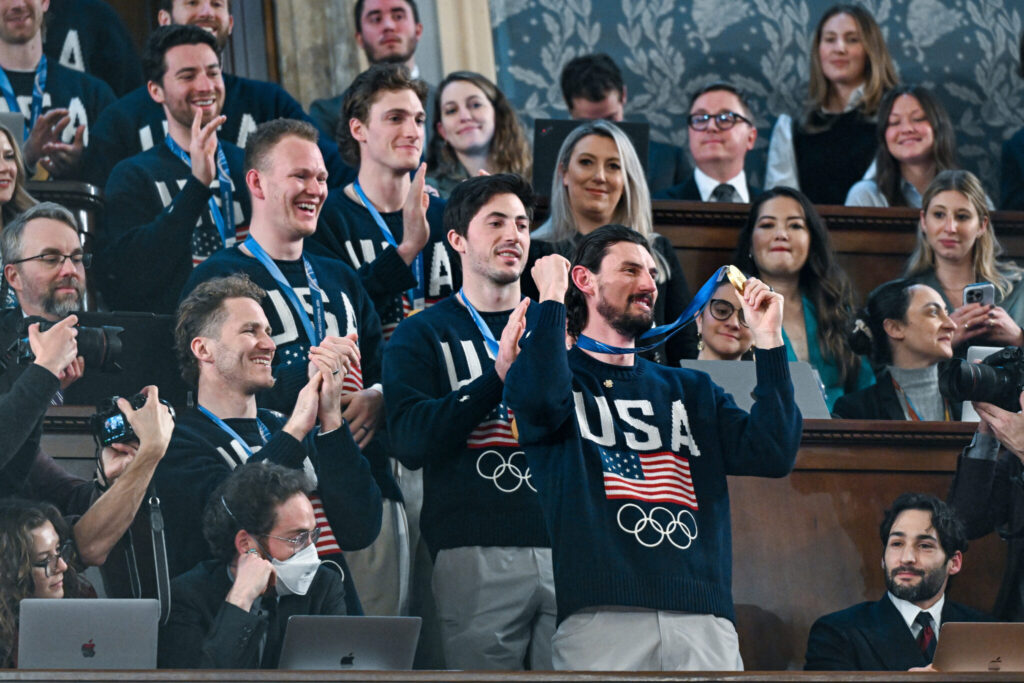
- Honored U.S. hockey team, military heroes.
- Vowed to bypass Supreme Court setback on tariffs.
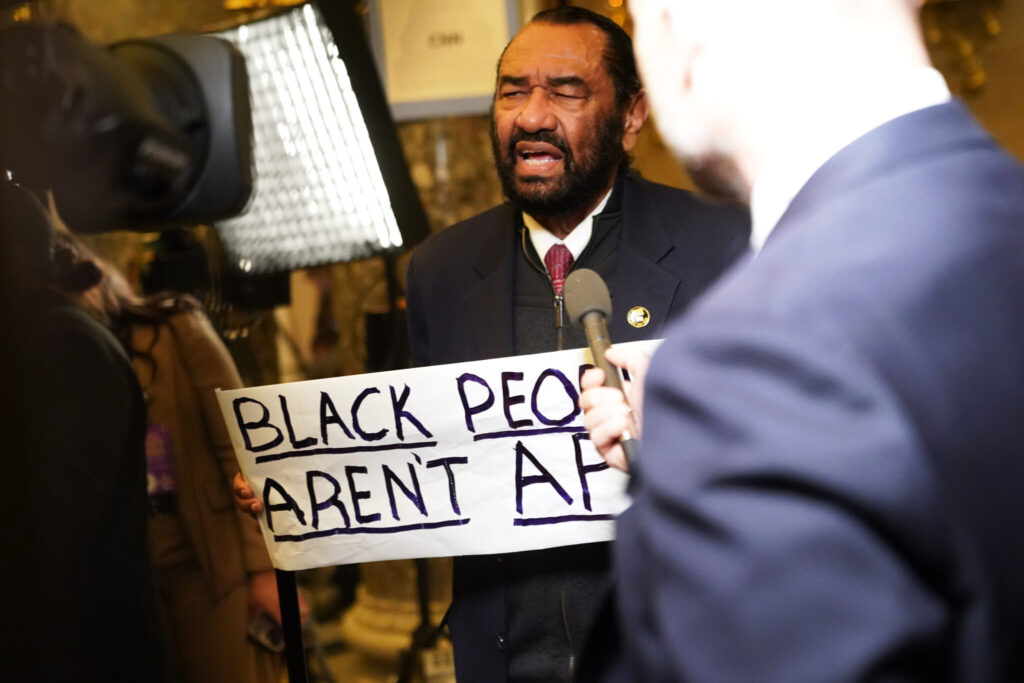
- Democrats heckled; Rep. Al Green removed.
- Warned Iran against pursuing nuclear weapons.
- Midterm elections central to speech strategy.
Deep Look: Trump Uses Longest-Ever State of the Union to Hail ‘Golden Age’ as Voters Sour on Economy
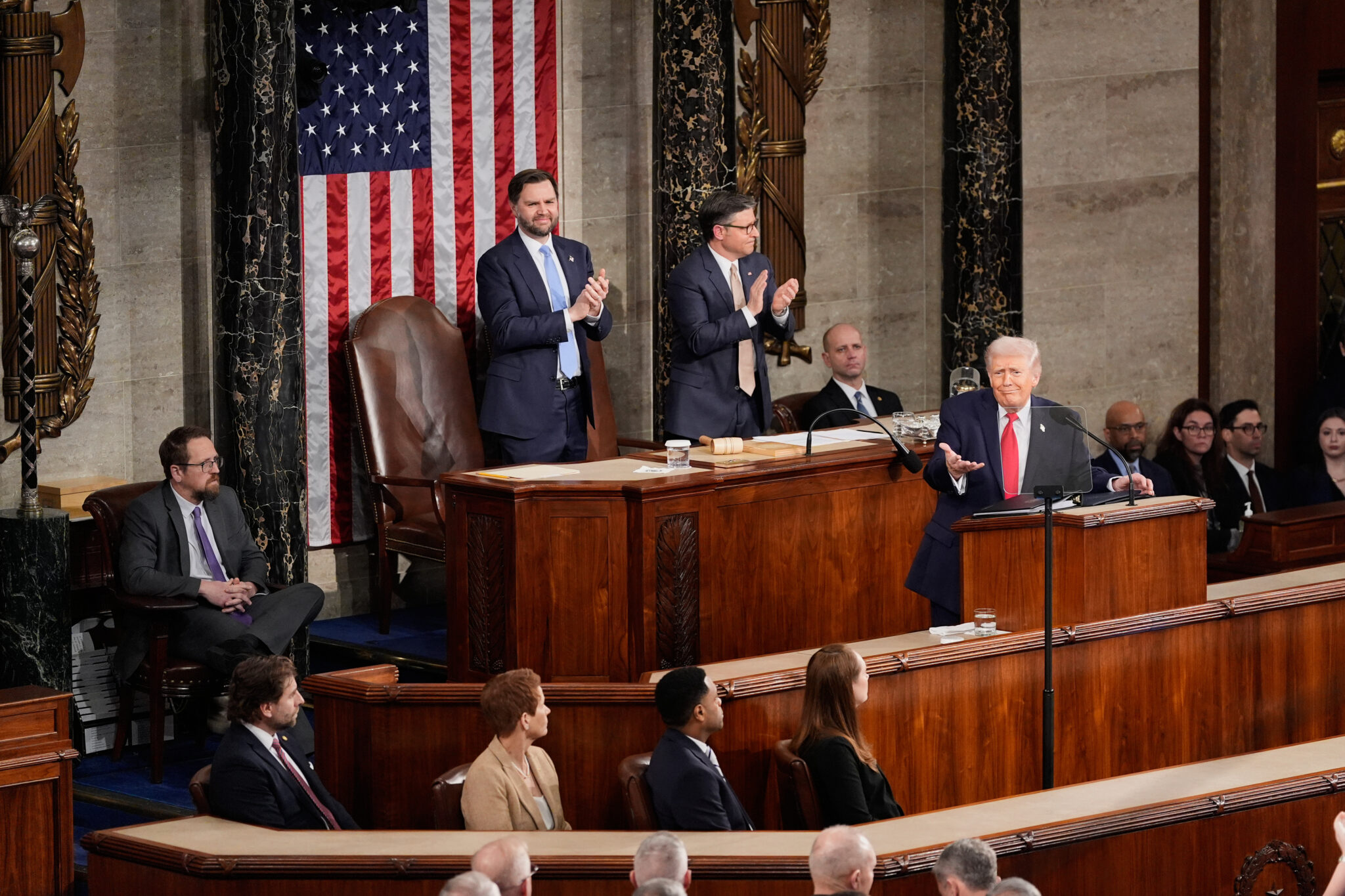
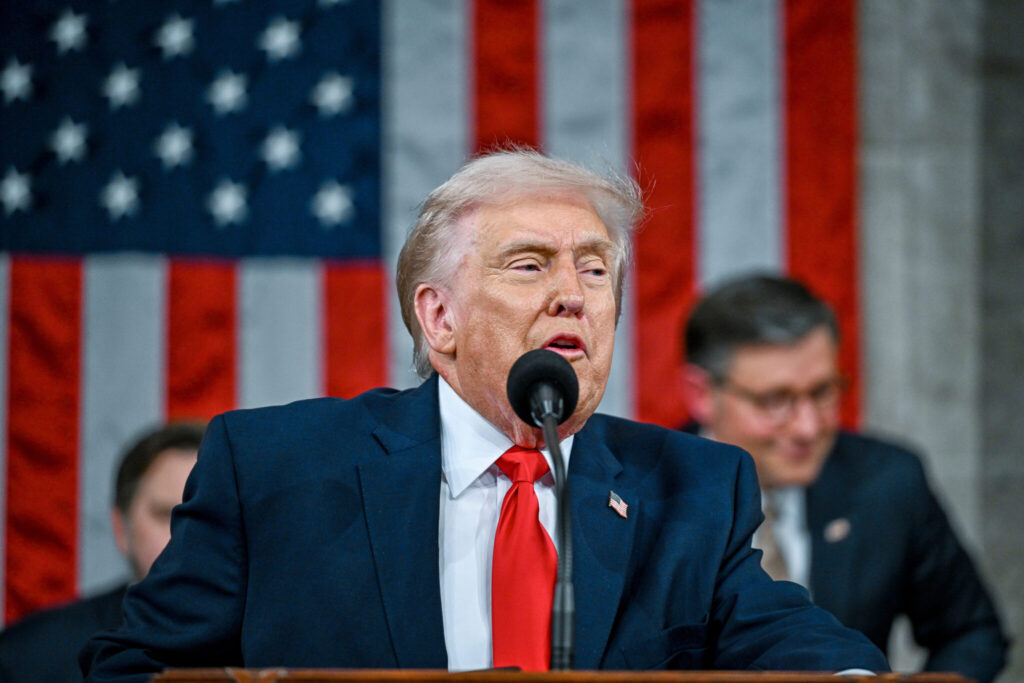
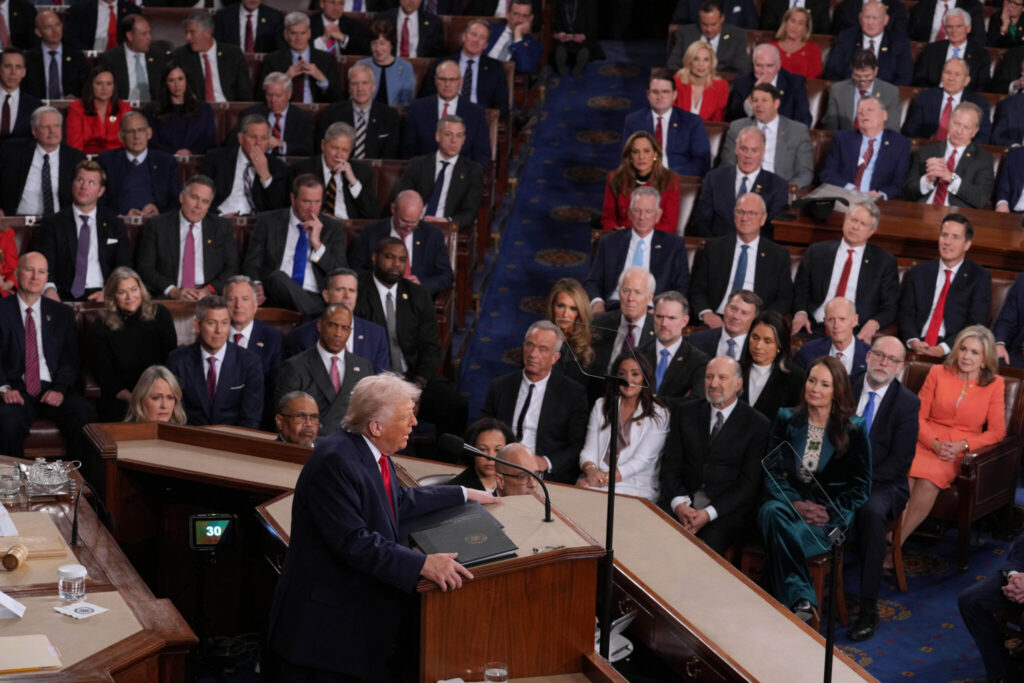
President Donald Trump delivered the longest State of the Union address in U.S. history Tuesday night, using the 108-minute speech to argue that America is “winning so much” under his leadership — and urging voters to cement that trajectory in November’s midterm elections.
The marathon address surpassed his previous record-setting speech by eight minutes, underscoring the president’s determination to make an expansive case for his domestic and foreign policy agenda. Facing slipping approval ratings and growing public anxiety over costs, Trump sought to reassure Americans that economic momentum is real and sustainable.
“Our country is winning again,” Trump said, insisting that job growth, manufacturing gains and financial market milestones prove that his administration has engineered a revival. The speech was more measured in tone than some of his past appearances, though he occasionally veered off-script to criticize Democrats.
Patriotic Moments and Surprise Honors
As in previous State of the Union addresses, Trump relied on dramatic guest appearances to punctuate his remarks. The loudest applause came when he welcomed the Olympic gold medal-winning U.S. men’s hockey team into the House chamber. The athletes, clad in “USA” sweaters and wearing their medals, drew bipartisan cheers.
In a carefully choreographed moment, Trump announced he would award the Presidential Medal of Freedom to the team’s goaltender, Connor Hellebuyck. The president also presented the Purple Heart to National Guard member Andrew Wolfe, who was shot while deployed in Washington. Wolfe’s appearance marked his first public outing since the incident.
The moment echoed a similar surprise during Trump’s first term, when he awarded the Medal of Freedom to conservative radio host Rush Limbaugh during a State of the Union speech.
Tariffs and the Supreme Court
Trade policy featured prominently. Trump criticized a recent ruling by the Supreme Court of the United States, which struck down his use of a 1977 law to justify sweeping tariffs. Calling the decision “an unfortunate ruling,” Trump vowed to continue imposing import taxes through alternative legal authorities.
“Congressional action will not be necessary,” he declared, signaling plans to sidestep legislative obstacles. Trump maintained that tariffs are paid by foreign governments, despite economists noting that costs are often passed on to American consumers and businesses.
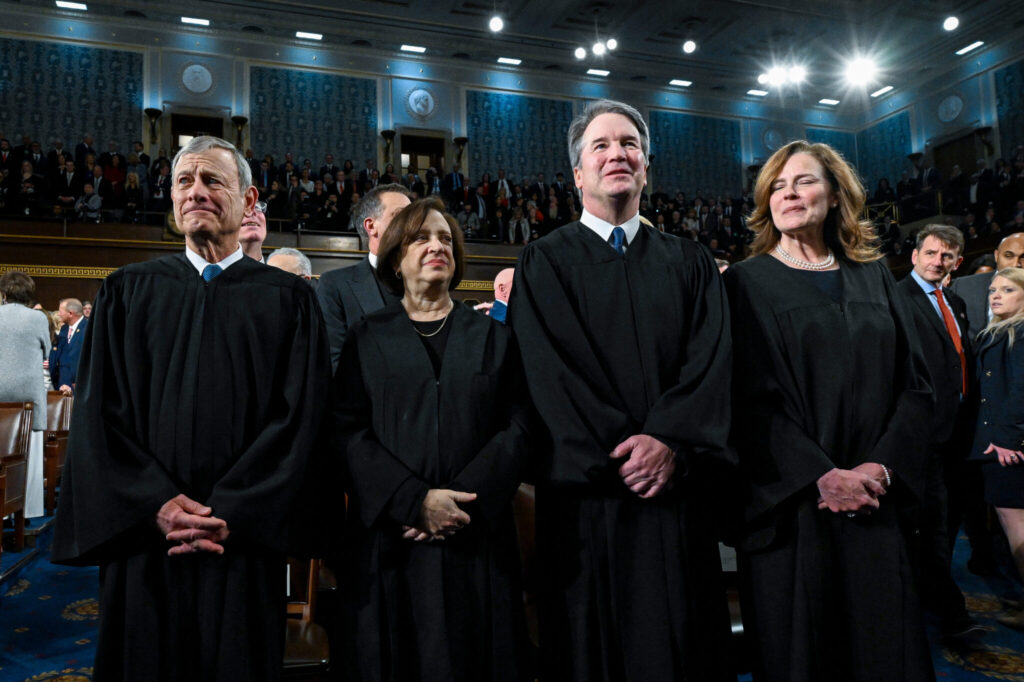
Chief Justice John Roberts and Justices Brett Kavanaugh, Amy Coney Barrett and Elena Kagan were present in the chamber. Trump greeted them before beginning his remarks, despite publicly criticizing Barrett for siding with the majority against his tariff policy.
Partisan Flashpoints
The speech unfolded against a tense political backdrop. Democratic Rep. Al Green was removed from the chamber early in the evening after displaying a protest sign referencing a previously posted video involving former President Barack Obama and former First Lady Michelle Obama.
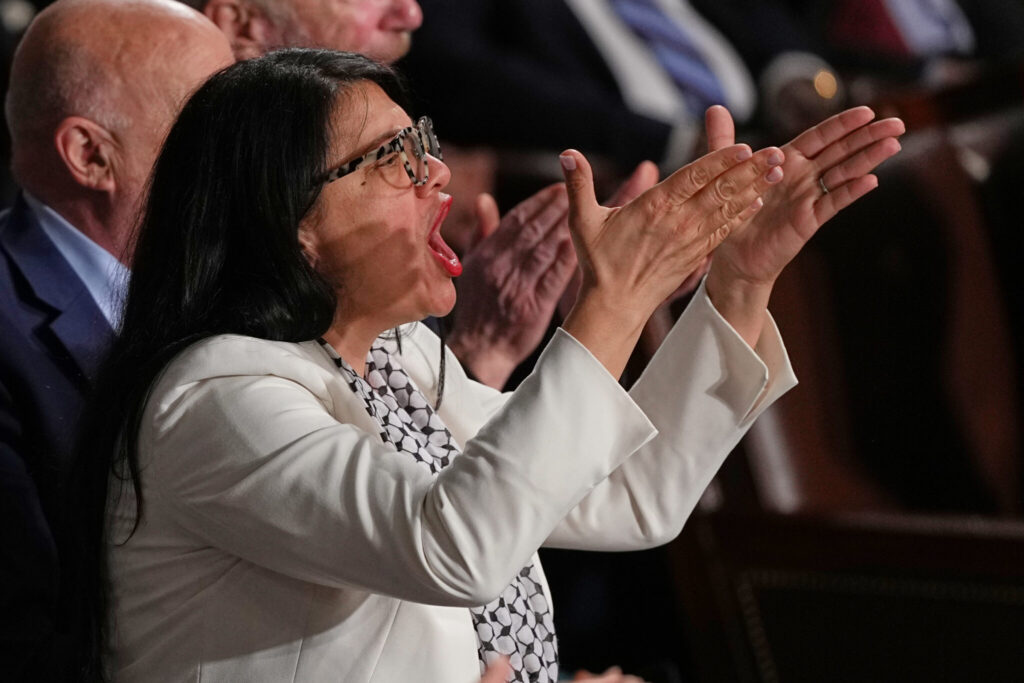
Other Democrats heckled Trump at times. Rep. Mark Takano shouted, “How about you first!” after Trump pledged to crack down on insider trading by members of Congress. Rep. Rashida Tlaib called him “the most corrupt president.” Trump fired back, saying critics “should be ashamed” and later describing Democrats as “crazy.”
Despite the clashes, Trump struck an overarching tone of patriotism. He urged lawmakers to “protect American citizens, not illegal aliens,” reaffirming his hardline immigration stance. He also promoted tighter voter identification laws and limits on mail-in ballots.
Affordability and Economic Questions
While Trump highlighted economic achievements — including stock market records and claims of controlled inflation — he devoted comparatively little time to detailed proposals aimed at lowering everyday living costs.
Concerns about grocery prices, housing and healthcare have weighed on voters, and economic growth slowed during the final quarter of last year. Critics warn that tariffs could contribute to higher consumer prices, potentially dampening job growth.
Trump blamed former President Joe Biden and Democratic lawmakers for lingering inflationary pressures. “You caused that problem,” he said, rejecting accusations that his policies have worsened affordability challenges.
In another proposal, Trump said he would push artificial intelligence companies operating energy-intensive data centers to pay higher electricity rates in areas where they operate — a move aimed at offsetting local power costs.
An off-script moment came when Trump referenced his “first year of the second term — should be my third term,” prompting chants of “Four more years!” from supporters in the chamber.
Virginia Gov. Abigail Spanberger, delivering the Democratic rebuttal, argued that Trump’s tariff policies amount to “another massive tax hike” and contended that affordability remains a pressing concern for families nationwide.
A Warning to Iran
Foreign policy was addressed but did not dominate the speech. Trump spoke as two U.S. aircraft carriers operate in the Middle East amid escalating tensions with Iran. He expressed a preference for diplomacy but warned that he would never allow Tehran to obtain a nuclear weapon.
Trump also cited U.S. airstrikes on Iranian nuclear facilities last summer and praised the operation that removed Venezuelan leader Nicolás Maduro from power. He pointed to his administration’s brokering of a ceasefire in Israel’s conflict with Hamas as further evidence of assertive leadership abroad.
“As president, I will make peace wherever I can,” Trump said. “But I will never hesitate to confront threats to America, wherever we must.”
Midterm Stakes
Ultimately, the address functioned as both a policy overview and a campaign appeal. With control of Congress at stake in November, Trump sought to frame the election as a choice between continued “winning” under Republican leadership or a reversal driven by Democrats.
The record-setting length of the speech underscored the president’s urgency in shaping that narrative. Whether voters accept his argument that America is thriving — or focus instead on persistent economic and political tensions — will help determine the outcome of the 2026 midterms and the trajectory of his second term.