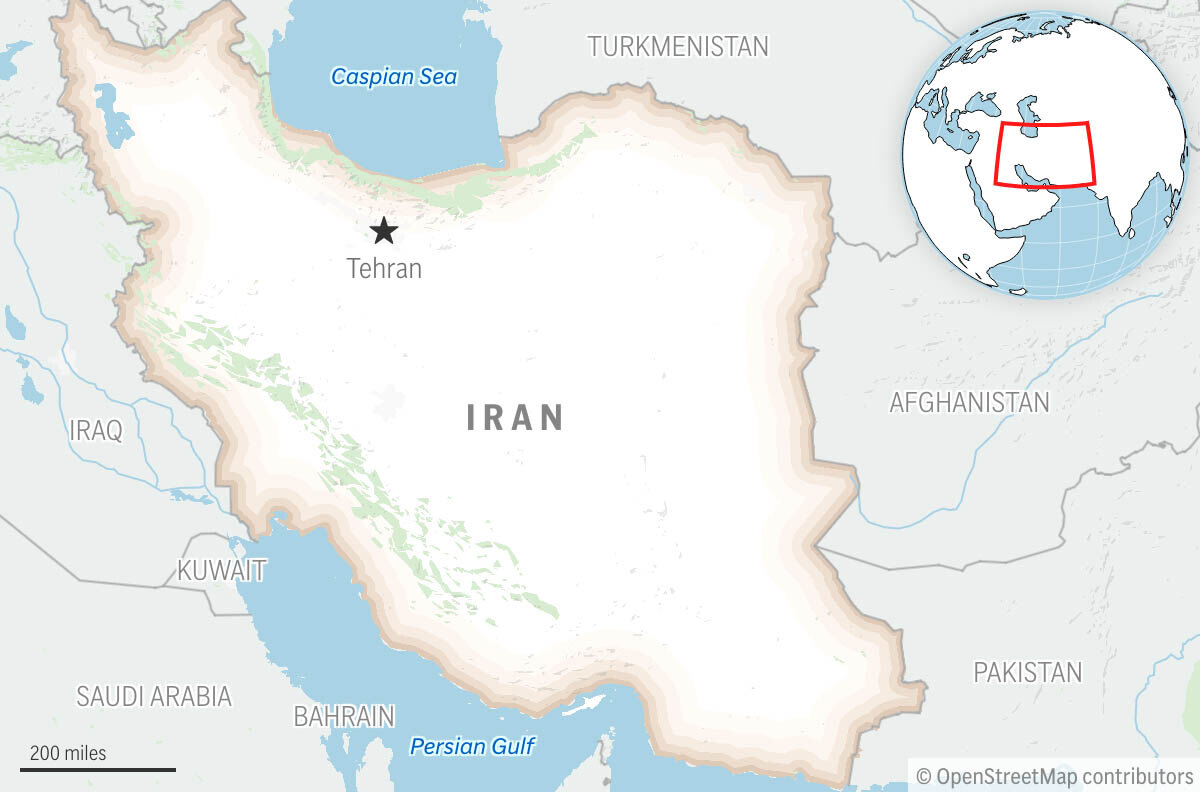
The conflict with Iran did not begin in 2026. It began forty-seven years ago, on November 4, 1979, when radical Islamist students — with the full support of the new revolutionary regime — stormed the U.S. Embassy in Tehran and took 52 American diplomats hostage. They held them in captivity for 444 days, releasing them only minutes after Ronald Reagan was sworn in as president. That act of war set the pattern for the next half-century: the Iranian regime has been killing Americans, attacking our interests, and exporting terrorism ever since.
No other nation on Earth has killed more Americans over the past 47 years than the Islamic Republic of Iran. Through its terrorist proxies — Hezbollah, Hamas, the Houthis, and Shia militias in Iraq and Syria — the regime has orchestrated attacks that have claimed the lives of hundreds of U.S. service members and civilians. It has supplied the weapons, funding, and training that enable these groups to sow chaos across the Middle East and beyond.
The fragile ceasefire and ongoing peace talks must be viewed through that long historical lens. President Trump’s recent military strikes against Iranian nuclear sites, missile facilities, and military infrastructure were not the start of a war — they were a necessary response to forty-seven years of unprovoked aggression.
Completely degrading the Iranian regime’s offensive capabilities — its navy, air force, ballistic missiles, drones, and nuclear program — makes strategic and moral sense. The mullahs do not maintain these forces to defend Iran from invasion. They use them to project power, intimidate their neighbors, and export terrorism and revolution. The regime has fired thousands of missiles and drones at Saudi Arabia, the UAE, Qatar, and other Gulf states that have never attacked Iran. Fortunately, U.S. and allied defensive systems have prevented a far greater catastrophe by intercepting the vast majority of missile firings and drone attacks.
Our friends and allies in the Gulf — the UAE, Qatar, Saudi Arabia, and others — are worth protecting. These nations have welcomed American partnership and are working to modernize their economies and move beyond the region’s old conflicts. Iran’s repeated attacks on their territory demonstrate that the regime views stability and prosperity in the Gulf as threats, not opportunities.
We should also work closely with other proven moderate Muslim-majority allies, such as the Kingdom of Morocco. Morocco has long been one of America’s closest partners in the region, with a strong record of counterterrorism cooperation and pragmatic diplomacy. Bringing Morocco into the negotiation process could provide an additional valuable perspective and additional leverage in the search for a genuine, long-term peace agreement backed by enforceable and ironclad verification mechanisms.
We must be clear-eyed about the difference between the Iranian regime and the Iranian people. The mullahs who rule Iran are not representative of the Iranian population. Polls and defector testimony consistently show that the vast majority of Iranians are pro-American and pro-Western. They are tired of living under a theocratic police state that murders its own citizens, stifles dissent, and squanders the nation’s wealth on foreign terrorism. If the Iranian people were free to choose their own government, Iran would certainly become a friend to the West and a constructive neighbor in the region.
That is why any peace agreement must be enforceable and backed by ironclad verification mechanisms. Working with our Gulf allies and Morocco to demand real concessions — verifiable dismantlement of the nuclear program, an end to ballistic missile development, and cessation of support for terrorist proxies — is prudent diplomacy. But we should harbor no illusions. The Iranian regime has a long record of using negotiations as a delaying tactic. It is highly likely that the current ceasefire is being exploited to reconstitute missile stocks, repair damaged nuclear facilities, and wait for political pressure in Washington to weaken American resolve, especially with midterm elections on the horizon.
The best outcome for the region and the world is the swift and decisive destruction of the mullahs’ military, nuclear, missile, and drone capabilities. Only by breaking the regime’s ability to wage offensive war can we create the conditions for a genuinely free and stable Iran to emerge. A post-mullah Iran that is at peace with its neighbors and friendly to the West would transform the Middle East for the better.
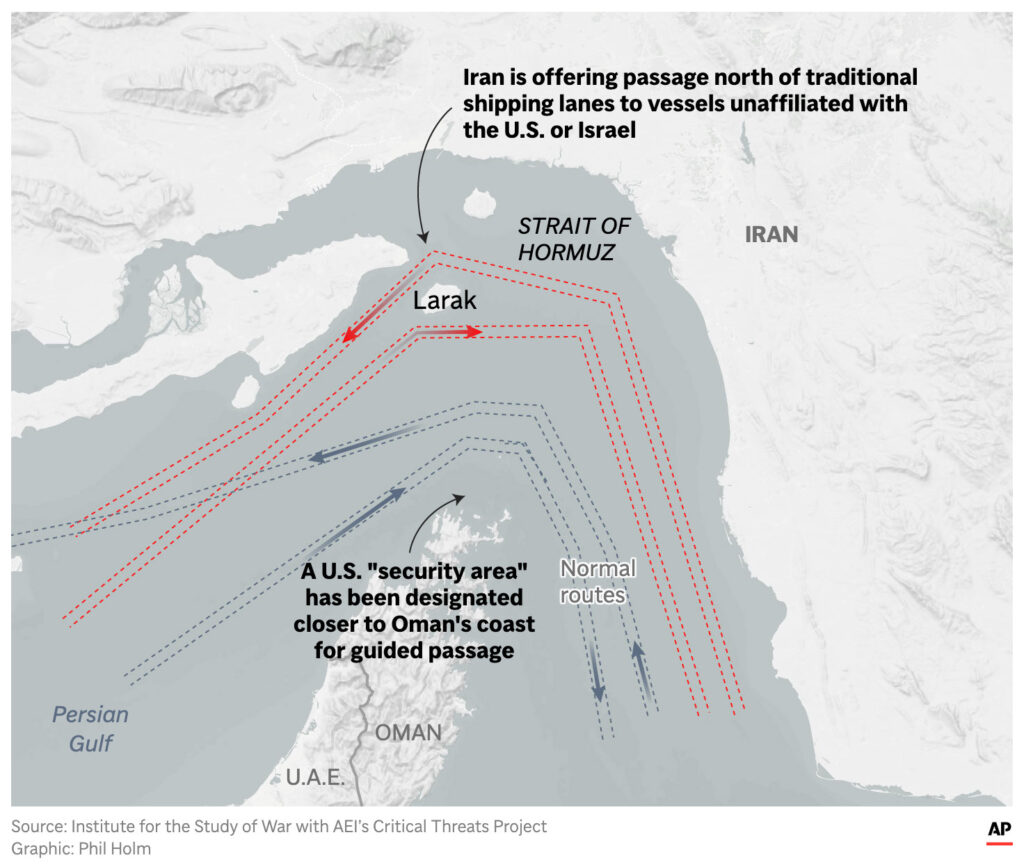
Until that day comes, the United States must continue to stand firmly with our Gulf partners and allies like Morocco. We should maintain the naval presence necessary to keep the Strait of Hormuz open and protect global energy markets. We should continue sharing defensive technologies that have already intercepted the vast majority of Iranian attacks. And we should make clear that American strength remains the foundation of any lasting peace.
Destroying the mullahcracy’s offensive machinery is not warmongering — it is the most realistic path to long-term stability. For forty-seven years, the Iranian regime has chosen confrontation and war over coexistence. The United States and our allies should now choose resolve over endless accommodation. Only by decisively defeating the regime’s ability to export terror can the Middle East — and the world — finally enjoy the peace and economic prosperity that has been denied for nearly half a century.
Food Regulation
Disclaimer: The views and opinions expressed in this article are those of the authors and do not necessarily reflect the official policy or position of Newslooks.com