Iran’s Situation ‘Perilous,’ Says EU’s Top Diplomat/ newslooks/ WASHINGTON/ J. Mansour/ Morning Edition/ The European Union’s top diplomat called the Iran crisis “perilous” after U.S.-Israeli strikes. EU leaders urged restraint and warned against further escalation. European governments are coordinating diplomacy and evacuation planning.
Quick Look
- EU foreign policy chief calls situation “perilous.”
- U.S. and Israel launched strikes after nuclear talks stalled.
- Iran responded with counterattacks.
- EU leaders stress nuclear safety and de-escalation.
- Cyprus activates evacuation plan.
- Trump calls operation “massive and ongoing.”
- Pentagon names campaign “Operation Epic Fury.”
Deep Look: Iran’s Situation ‘Perilous,’ Says EU’s Top Diplomat
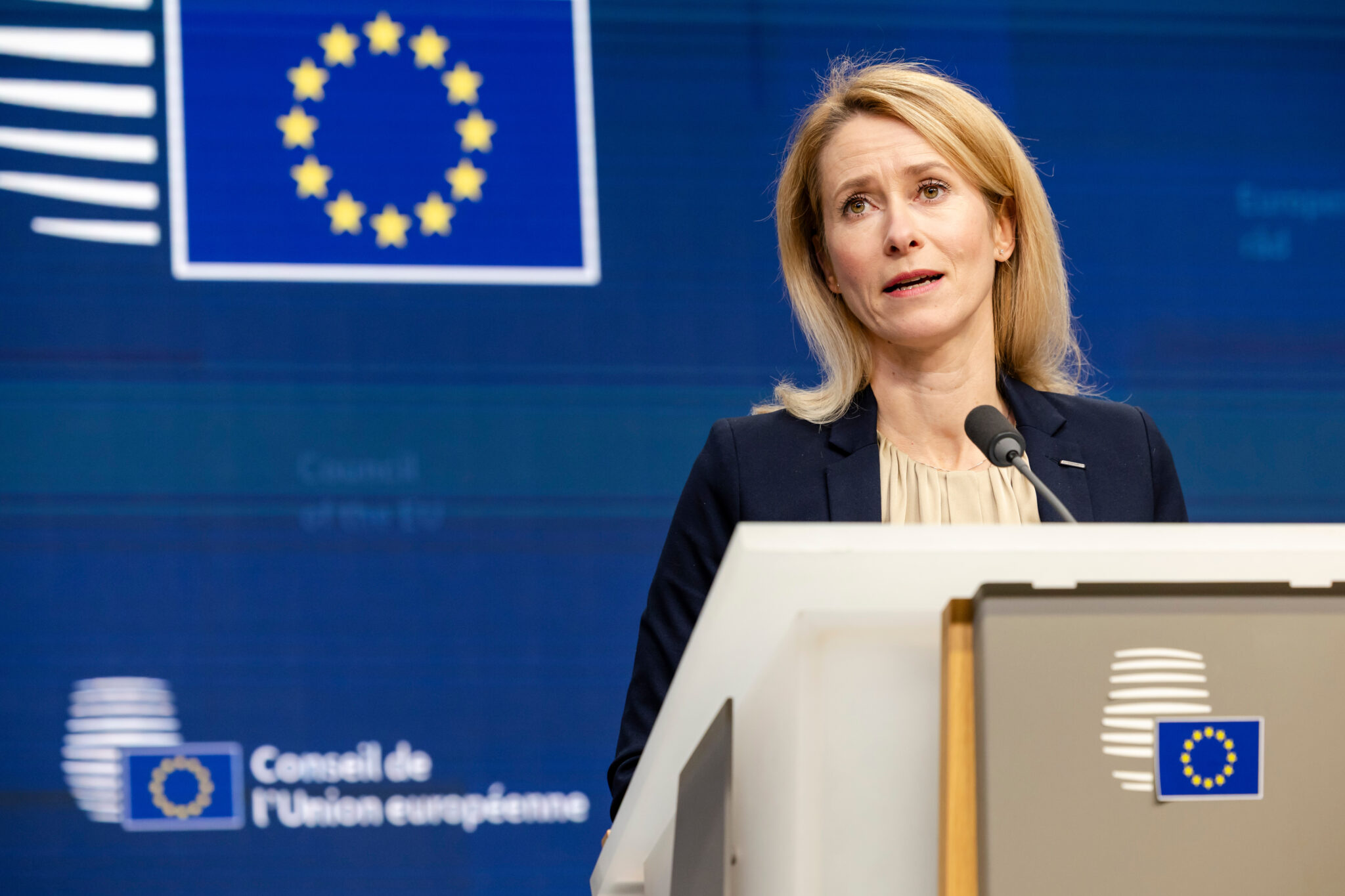
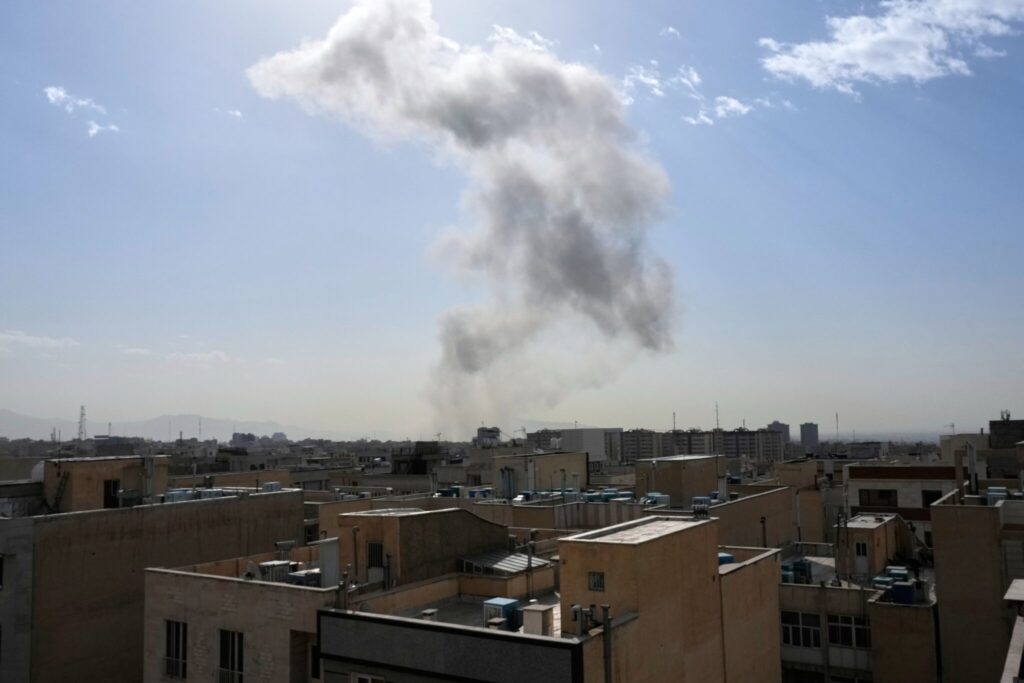
The European Union’s top diplomat warned Saturday that the situation surrounding Iran has become “perilous,” as European leaders called for restraint following joint U.S.-Israeli strikes on Tehran and Iran’s retaliatory attacks.
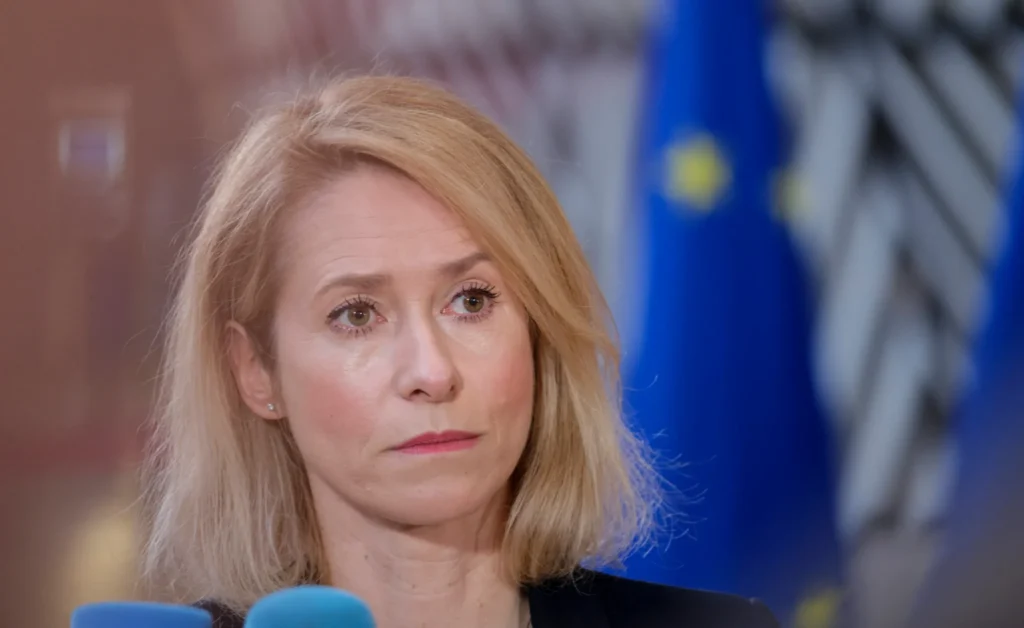
EU foreign policy chief Kaja Kallas described developments as deeply concerning and said Brussels is intensifying diplomatic outreach to prevent a broader regional conflict.
The strikes came after negotiations between Washington and Tehran failed to produce an agreement on Iran’s nuclear program. Iran responded with counterattacks targeting U.S. facilities in the region.
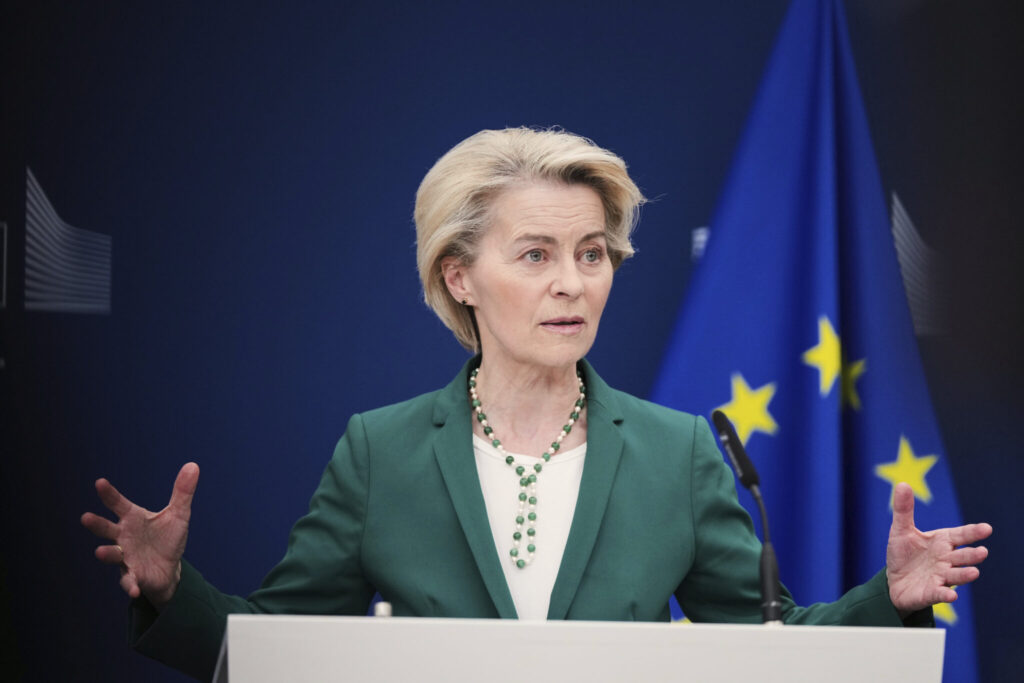
European Commission President Ursula von der Leyen and European Council President António Costa issued a joint statement urging “maximum restraint.” They emphasized that ensuring nuclear safety and safeguarding the global non-proliferation regime are of critical importance.
“The developments are greatly concerning,” the statement said, warning that further escalation could destabilize the Middle East and beyond.
European Parliament President Roberta Metsola echoed those concerns, saying the military exchanges “must not lead to a spiral of escalation that could threaten the Middle East, Europe and beyond.” She also condemned Tehran’s retaliatory strikes on U.S. bases in Gulf countries as “inexcusable and unjustifiable.”
Kallas said she had spoken with Israeli Foreign Minister Gideon Saar and was “coordinating closely with Arab partners to explore diplomatic paths” to reduce tensions.
Regional Precautions
Several European leaders urged citizens in the region to exercise caution.
Polish Prime Minister Donald Tusk called on Polish nationals in Iran to follow local authorities’ guidance and prioritize safety.
“The unity of Poles on the issue of security is particularly important today,” he wrote.
Finnish Prime Minister Petteri Orpo said halting both strikes and counterstrikes must be the immediate priority.
Cyprus activated a contingency plan to facilitate the safe evacuation of citizens from crisis areas across the broader Middle East, Foreign Minister Constantinos Kombos announced.
U.S. Position
In a video statement, President Donald Trump described the military campaign as a “massive and ongoing operation,” accusing Iran of attempting to rebuild its nuclear program.
In a separate social media post, Trump said Tehran was developing long-range missiles capable of threatening U.S. allies in Europe, American troops stationed overseas and potentially the U.S. homeland.
The Pentagon has designated the operation “Operation Epic Fury.”
Mounting Diplomatic Pressure
As exchanges continue, European leaders are balancing opposition to Iran’s nuclear ambitions with concerns about unilateral military action and the risk of a prolonged regional war.
With airspace closures, evacuation plans and diplomatic channels in motion, Europe is bracing for potential spillover effects — while urging all sides to step back from further escalation.