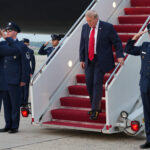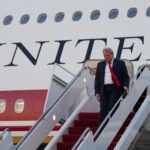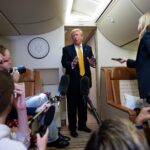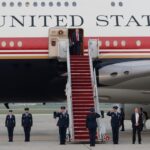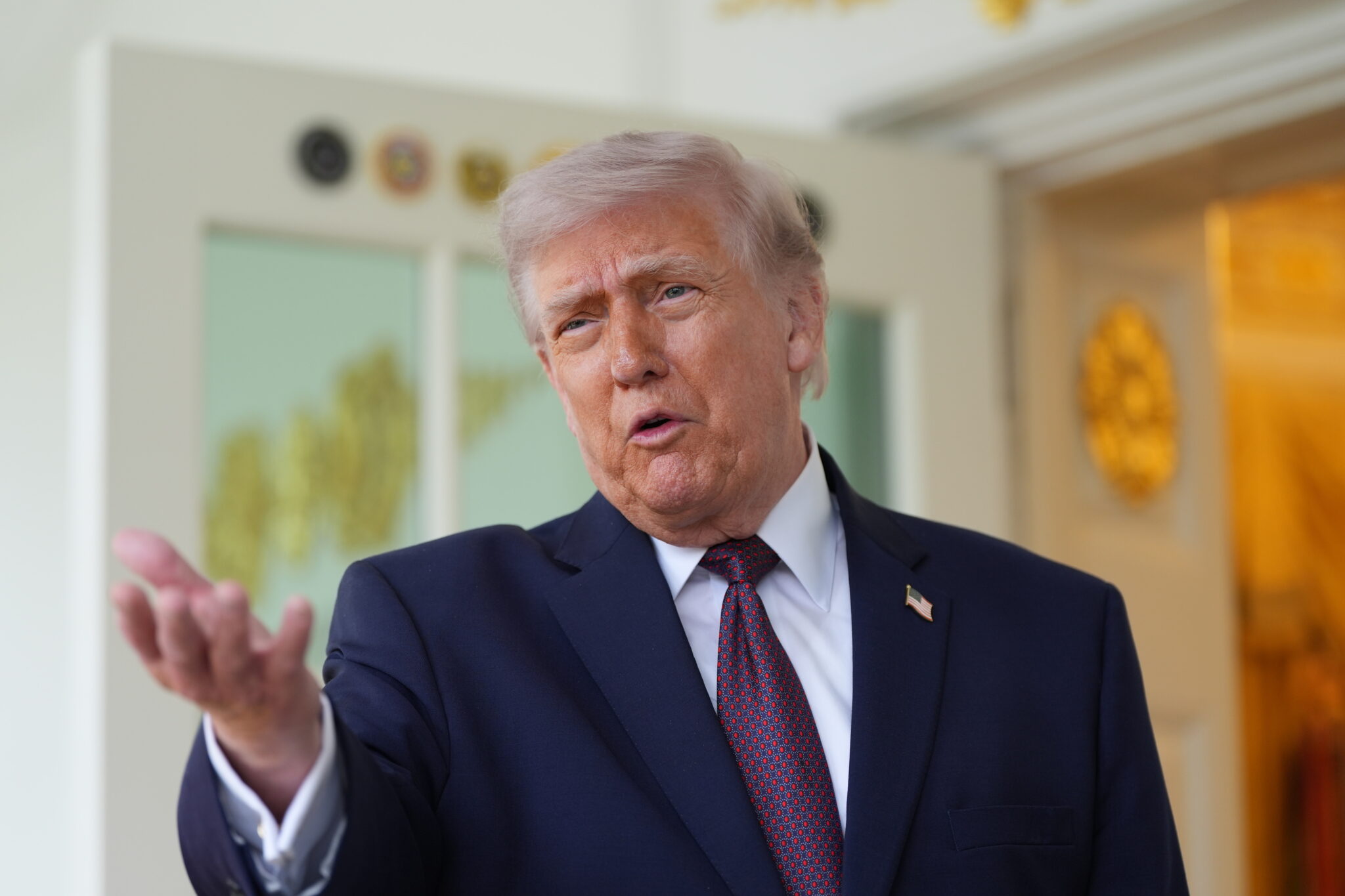
Trump to Promote Tax Cuts in Las Vegas Amid Rising Gas Prices/ Newslooks/ WASHINGTON/ J. Mansour/ Morning Edition/ President Donald Trump visits Las Vegas to highlight tax cuts benefiting tipped workers and overtime earners. Despite larger tax refunds, rising gas prices tied to the Iran conflict are straining household budgets. Economic concerns threaten to overshadow Republican messaging ahead of midterm elections.
Quick Looks
Trump Tax Cuts and Rising Gas Prices Quick Looks
- Trump promotes tax relief policies in Las Vegas
- Tipped workers and overtime earners see higher refunds
- Gas prices surge due to ongoing Iran conflict
- Rising living costs offset financial gains for many
- Economic concerns shape midterm election narratives
- Mixed public reaction to Trump’s economic performance
Deep Look: Trump to Promote Tax Cuts in Las Vegas Amid Rising Gas Prices
President Donald Trump is making a strategic stop in Las Vegas to spotlight his administration’s tax reforms, particularly those benefiting workers who rely on tips and overtime pay. The visit comes at a politically sensitive moment, as Republicans prepare for upcoming midterm elections and seek to reinforce their economic messaging.
The centerpiece of Trump’s pitch is the sweeping tax legislation signed into law last year, often referred to as the “One Big Beautiful Bill Act.” The policy introduced provisions designed to ease the tax burden on tipped income and overtime wages—two key income streams for many service industry employees. In a city like Las Vegas, where tourism drives the economy and gratuities are a major source of earnings, these measures were expected to resonate strongly.
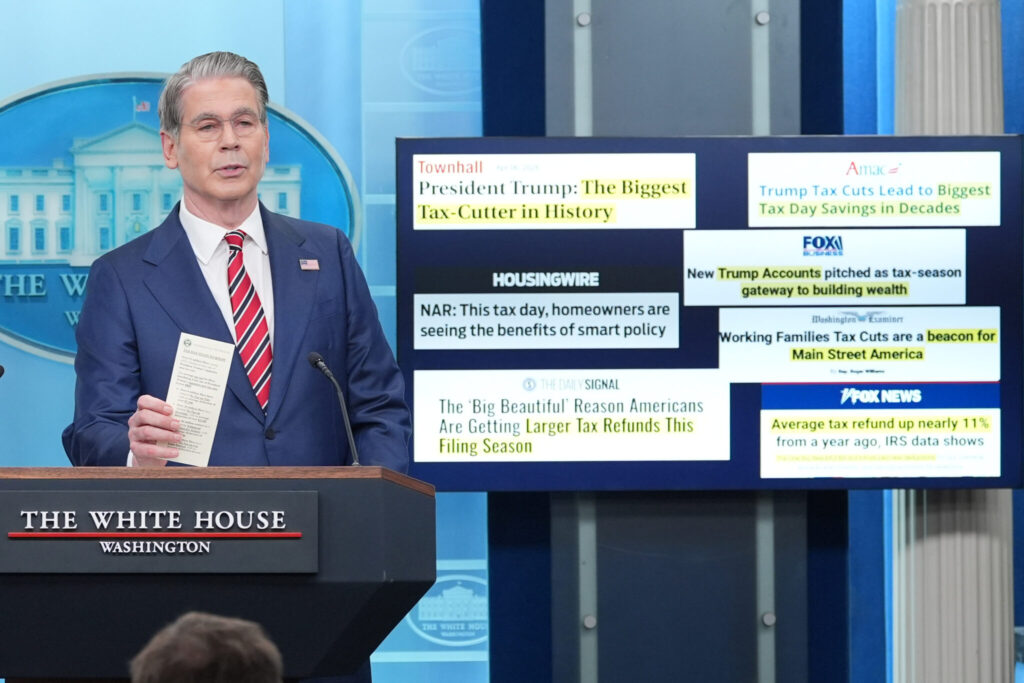
Indeed, early indicators suggest some financial benefit. According to Treasury Department data, the average tax refund this season has climbed above $3,400, marking an increase of roughly $340 compared to the previous year. For workers living paycheck to paycheck, that bump offers temporary relief.
However, the broader economic reality is more complicated.
Soaring gasoline prices, largely attributed to geopolitical tensions stemming from the Iran conflict, have significantly eroded those gains. In Las Vegas, gas prices have surged to around $5 per gallon—an increase of nearly 30% over the past year. For a city heavily dependent on commuting workers, this spike has become a daily burden.
Residents are feeling the squeeze. Nicholas Delaney, an airline attendant living in nearby Henderson, expressed frustration over the rising cost of living. While he acknowledged that tax breaks on tips were a positive step, he argued that escalating expenses for fuel and groceries outweigh the benefits. Filling up a gas tank now costs him over $100, a sharp increase that underscores the financial strain many households are facing.
Others offer a more nuanced perspective. Paula Goodman, a bartender working in a Henderson casino, also highlighted the rising cost of groceries, estimating her weekly food bill exceeds $400. Yet she remains supportive of the president’s policies, noting that even modest tax savings on tips make a meaningful difference. For workers in her position, every dollar counts, particularly during periods of economic uncertainty.
The White House continues to emphasize that the administration is focused on long-term affordability through tax cuts, deregulation, and increased domestic energy production. Officials describe the current spike in gas prices as a temporary consequence of international conflict rather than a structural issue.
Economic analysts, however, suggest the situation may not be so easily resolved. Data from the Bank of America Institute indicates that while higher tax refunds can offset increased fuel costs, the relief is limited—potentially covering only several months of elevated gasoline expenses. Similarly, Nationwide’s chief economist Kathy Bostjancic has warned that rising fuel prices could effectively cancel out the financial benefits provided by tax cuts, leaving overall consumer spending largely unchanged.
Complicating matters further is the challenge of maintaining a consistent political message. Trump’s efforts to highlight economic achievements have occasionally been overshadowed by unrelated controversies, diluting the impact of his policy-focused narrative. Republican strategists have expressed concern that without a clear and sustained message addressing voters’ immediate concerns—particularly the cost of living—the party may struggle to retain its congressional majority.
A key issue remains energy prices. While Trump has expressed optimism that the conflict with Iran will conclude soon, no concrete resolution has been reached. The uncertainty surrounding the situation makes it difficult to predict when fuel costs will stabilize.
The president has offered mixed signals on the outlook. In recent interviews, he initially suggested gas prices could remain elevated or even rise further by the time of the midterm elections. He later revised that assessment, expressing confidence that prices would decline significantly once geopolitical tensions ease.
Treasury Secretary Scott Bessent has taken a more cautious stance, suggesting that a return to $3-per-gallon gas could occur sometime between late June and early fall, depending on the progress of diplomatic negotiations.
As the election season approaches, the interplay between tax policy and everyday expenses is likely to remain a central issue. For many Americans, the question is not whether tax cuts provide benefits, but whether those benefits are enough to counterbalance the rising costs of daily life.