Top Counterterrorism Official Joe Kent Resigns over Trump’s Iran War, Says ‘Iran Posed No Imminent Threat’/ Newslooks/ WASHINGTON/ J. Mansour/ Morning EDition/ Joe Kent resigned as head of the National Counterterrorism Center, citing opposition to President Donald Trump’s Iran war. Kent said Iran posed no imminent threat, challenging the administration’s justification for military action. His departure highlights growing divisions within Trump’s administration and political base over the conflict.
Joe Kent Resignation Iran War Quick Looks
- Joe Kent resigns as National Counterterrorism Center director.
- Says Iran posed no imminent threat to the U.S.
- Criticizes justification for Trump’s military strikes.
- Signals internal dissent within Trump administration.
- Democrats and some Republicans question war rationale.
- Intelligence leaders to testify before Congress soon.
- Concerns grow over civilian casualties in Iran.
- Debate intensifies over U.S. involvement in Middle East conflict.
Deep Look: Top Counterterrorism Official Joe Kent Resigns over Trump’s Iran War, Says ‘Iran Posed No Imminent Threat’
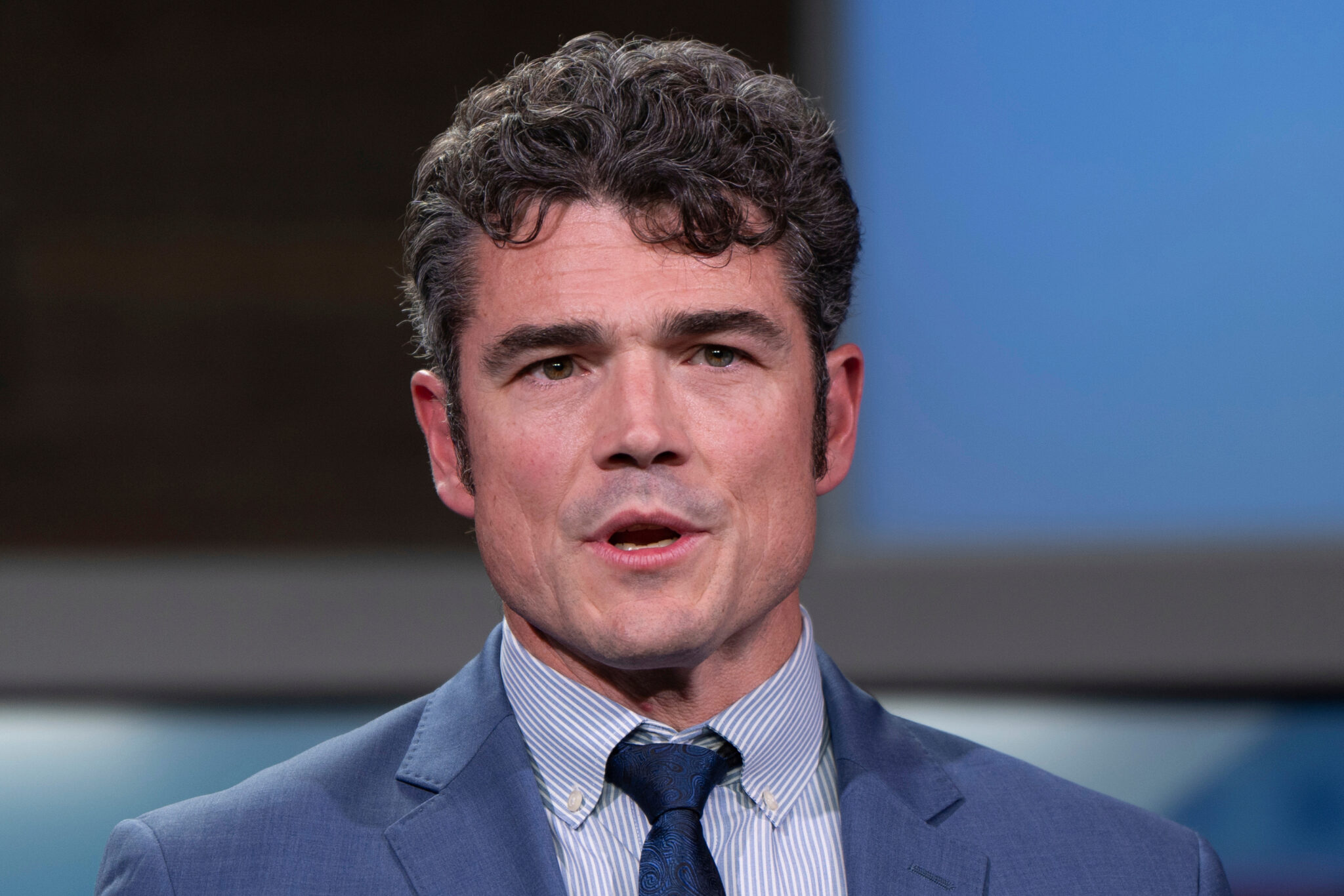
Joe Kent, the director of the National Counterterrorism Center, resigned Tuesday, citing deep concerns over the Trump administration’s decision to launch military strikes against Iran.
In a statement announcing his departure, Kent said he could not support the war and questioned the central justification offered by President Donald Trump.
“Iran posed no imminent threat to our nation,” Kent said, adding that he could not “in good conscience” back the conflict.
His resignation marks one of the most significant internal breaks within the administration since the war began, raising fresh questions about the intelligence and decision-making behind U.S. military action.
Dispute Over Justification for War
Kent’s criticism centers on whether Iran posed an immediate danger that warranted military strikes.
The Trump administration has offered varying explanations for its actions, including arguments that preemptive force was necessary to counter threats and maintain regional stability.
However, Kent’s statement directly challenges that narrative, suggesting that the war may not have been driven by urgent national security concerns.
He also pointed to external pressures, saying the United States entered the conflict partly due to influence from Israel and its supporters in Washington.
The White House has previously rejected claims that it was pushed into action, maintaining that the decision was based on U.S. interests.
Political Fallout and Divisions
Kent’s resignation highlights growing divisions not only within the administration but also across the broader political landscape.
While Democrats have widely criticized the war, skepticism is also emerging among parts of Trump’s political base — particularly those aligned with a more isolationist “America First” approach.
Sen. Mark Warner, the top Democrat on the Senate Intelligence Committee, said Kent’s concerns about the lack of an imminent threat were valid.
“There was no credible evidence of an imminent threat from Iran,” Warner said, arguing that the United States may have rushed into another conflict in the Middle East.
At the same time, Republican leaders have defended the administration’s approach, emphasizing national security concerns and the need to confront threats abroad.
Leadership Transition and Congressional Scrutiny
Kent’s departure comes at a sensitive moment for U.S. national security leadership.
He had been confirmed to the role just last year and oversaw the agency responsible for analyzing and detecting terrorist threats.
The leadership change also coincides with heightened concerns about domestic security following recent attacks in the United States.
Top intelligence officials, including Director of National Intelligence Tulsi Gabbard, CIA Director John Ratcliffe, and FBI Director Kash Patel, are scheduled to testify before Congress later this week.
Lawmakers are expected to press them on the Iran war, including questions about intelligence assessments and the decision-making process that led to the strikes.
Civilian Casualties Raise Concerns
The war has also drawn scrutiny over civilian casualties.
Reports that outdated intelligence may have contributed to a U.S. strike hitting an elementary school in Iran — killing more than 165 people — have intensified criticism of the operation.
Such incidents are likely to be a focal point in upcoming congressional hearings.
Kent’s Background and Controversy
Kent’s tenure at the National Counterterrorism Center was controversial from the outset.
Before joining the administration, he ran for Congress in Washington and faced criticism over past associations with far-right figures and groups.
During his political campaigns, he was linked to individuals connected to extremist organizations and faced scrutiny for promoting or refusing to disavow conspiracy theories.
Democrats opposed his confirmation on those grounds, while Republicans defended his qualifications, pointing to his military and intelligence experience.
Kent is a veteran who served multiple deployments as a Green Beret and later worked in intelligence roles, including with the CIA.
Broader Implications
Kent’s resignation underscores the broader challenges facing the Trump administration as it navigates the Iran conflict.
The departure of a senior counterterrorism official over disagreements about the war’s justification adds to mounting pressure on the White House to explain its strategy and objectives.
It also reflects a deeper debate within U.S. politics about the use of military force, intelligence reliability, and America’s role in the Middle East.
As Congress prepares to question top intelligence leaders, Kent’s departure is likely to remain a focal point — raising questions about whether the war was necessary and what comes next for U.S. policy in the region.