About 90 Ships Cross Hormuz During Iran War/ Newslooks/ WASHINGTON/ J. Mansour/ Morning Edition/ Roughly 90 ships have crossed the Strait of Hormuz since the Iran war began. Iran has still exported millions of barrels of oil despite attacks and severe disruption. Selective passage through the waterway is shaping global energy prices and diplomacy.
Strait of Hormuz Shipping Quick Looks
- Around 90 ships crossed the strait during the war.
- Traffic remains far below normal prewar levels.
- Iran continues exporting millions of barrels of oil.
- Many crossings involved Iran-linked or sanctioned vessels.
- Some Indian and Pakistani ships also made it through.
- Oil prices remain elevated above prewar levels.
- Passage appears selective rather than fully blocked.
- Diplomacy is helping some vessels transit safely.
Deep Look: About 90 Ships Cross Hormuz During Iran War
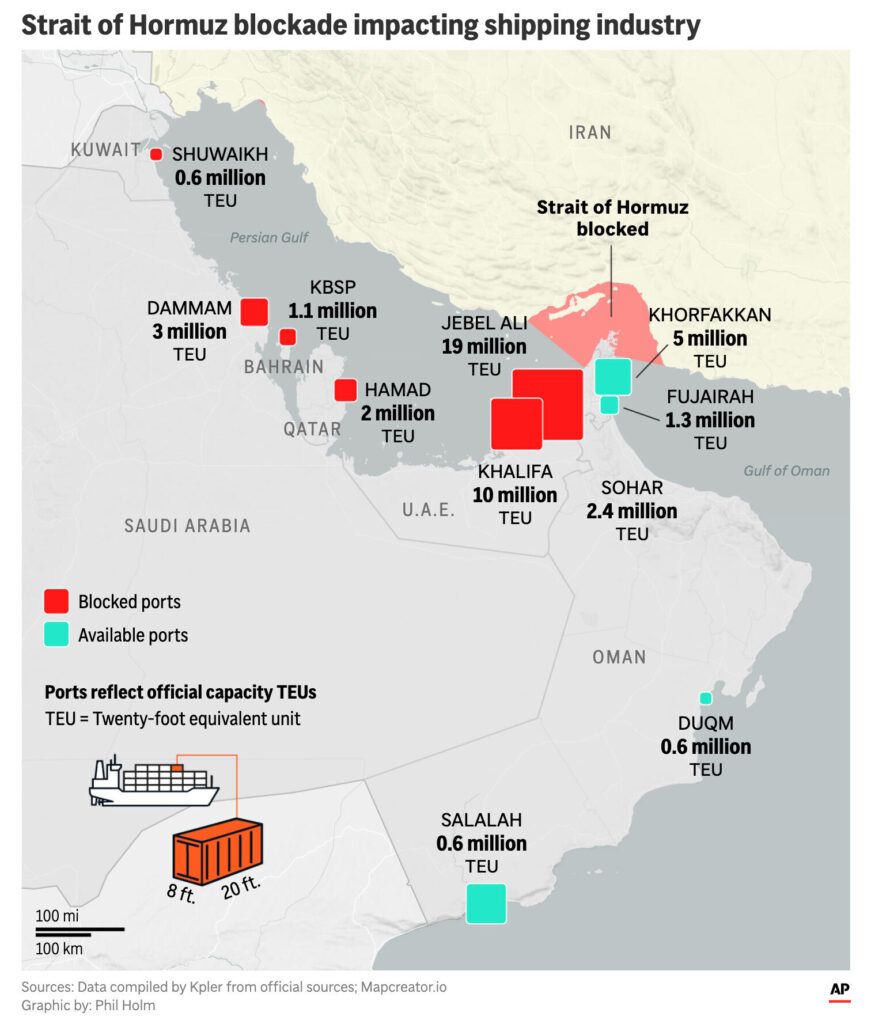
About 90 vessels, including oil tankers, have crossed the Strait of Hormuz since the start of the Iran war, showing that the strategic waterway is not completely shut even as attacks and military tension have sharply reduced normal shipping activity.
The strait remains one of the world’s most critical energy chokepoints, carrying about one-fifth of global traded oil in ordinary times. Since fighting began, however, traffic has dropped dramatically and the route has become a high-risk corridor shaped by war, sanctions evasion and quiet diplomacy.
Shipping continues, but far below normal
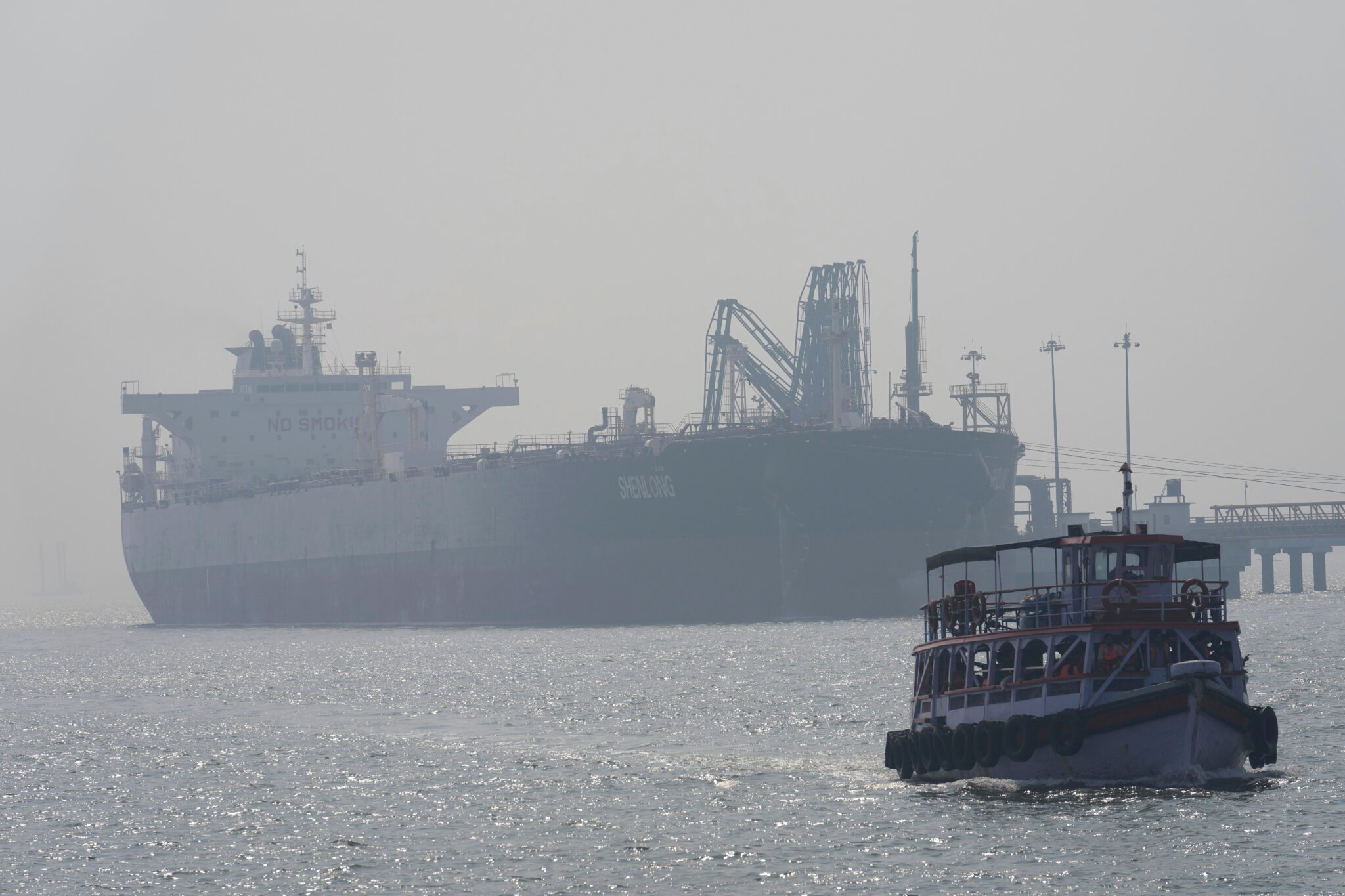
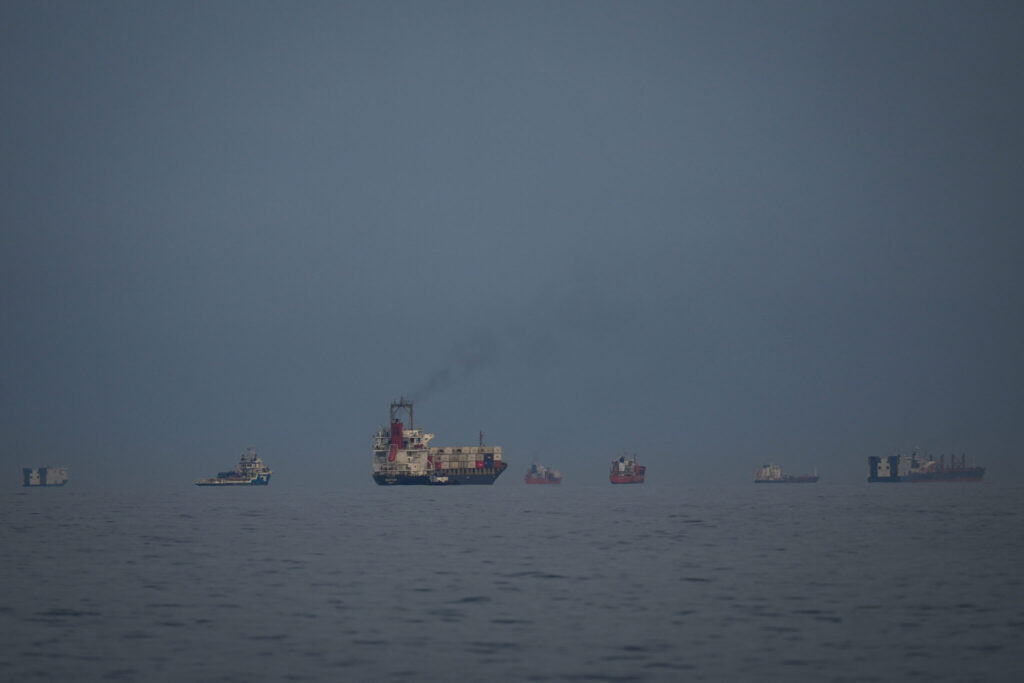
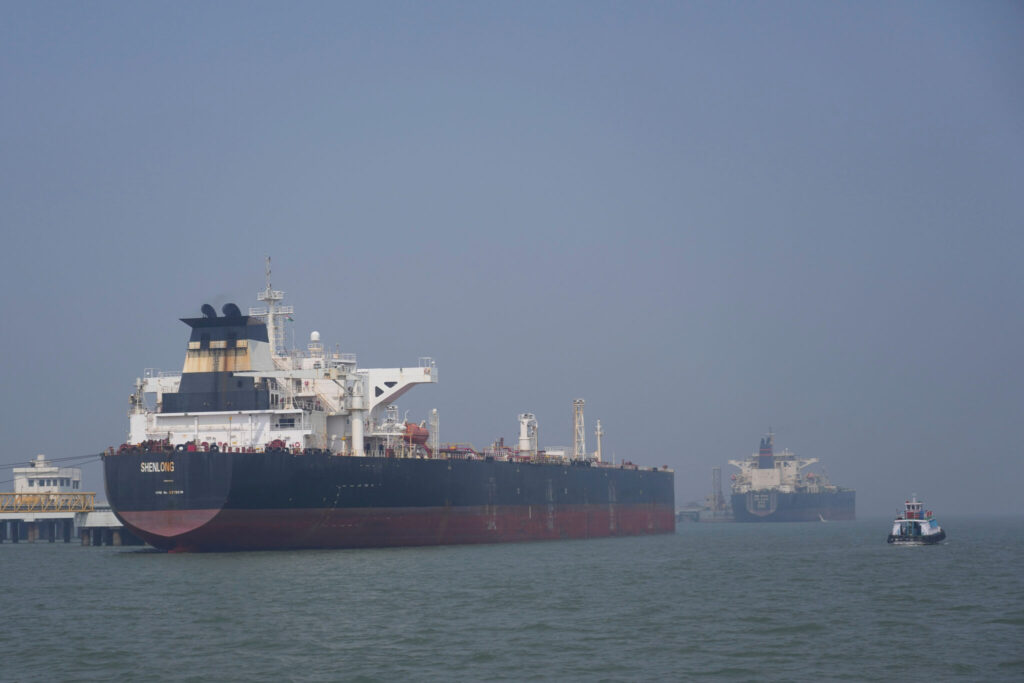
Maritime tracking data indicates that at least 89 ships crossed the strait between March 1 and March 15. That total included 16 oil tankers, a steep decline from the roughly 100 to 135 daily vessel passages seen before the conflict.
This means the waterway is still functioning, but only in a limited and selective way.
A significant share of the vessels that made the crossing were believed to be tied to Iran or engaged in so-called “dark” transits, meaning movements designed to avoid Western monitoring and sanctions enforcement. Analysts say this type of traffic has helped Tehran keep exports moving while the broader shipping market remains under pressure.
Iran still exporting oil during the war
Despite the disruption, Iran has exported more than 16 million barrels of oil since the beginning of March, according to trade estimates cited in the report. That suggests Tehran has preserved a vital revenue stream even as the war drives up risks across the Gulf.
China remains the main buyer of Iranian oil, reflecting existing sanctions-related trade patterns. Analysts say the continued flow of Iranian crude points to a strategy in which Tehran keeps its own exports alive while restricting or threatening other traffic through the strait.
That selective control gives Iran leverage in the global energy market while also increasing economic pressure on countries dependent on Gulf oil.
India and Pakistan-linked ships also passed
Not all successful transits were Iran-linked. Ships connected to India and Pakistan also reportedly made it through the strait in recent days.
Among them were the Pakistan-flagged crude tanker Karachi and Indian-flagged LPG carriers Shivalik and Nanda Devi. Reporting indicated that at least some of these crossings may have followed direct diplomatic engagement with Iran.
That suggests a narrow, unofficial safe-passage system may be emerging for certain countries or vessels, especially those seen as politically neutral or commercially important.
Selective closure is driving oil market anxiety
The latest shipping data reinforces the view that the Strait of Hormuz is not fully closed, but selectively restricted. In practice, that can be almost as disruptive as a total shutdown because uncertainty itself drives up costs, insurance premiums and oil prices.
Crude prices have surged more than 40% since the war began, rising above $100 a barrel at points during the conflict. Markets remain highly sensitive to any sign that tanker traffic could tighten further.
For the United States and its allies, the uneven flow of ships has added urgency to diplomatic and military discussions over how to restore broader confidence in the route.
Why this matters now
The current pattern in the strait shows how modern energy conflict can work: not through complete closure, but through selective access, intimidation and controlled disruption.
Iran appears to be allowing enough movement to keep some exports alive while still creating enough pressure to unsettle global markets. That balance gives Tehran a powerful tool as the conflict continues.
For oil-importing nations, every successful transit matters. But until normal traffic resumes, the Strait of Hormuz will remain one of the biggest risks to the global economy.