Japan Leader Visits Washington Amid Iran War Tensions/ Newslooks/ WASHINGTON/ J. Mansour/ Morning Edition/ Sanae Takaichi heads to Washington for high-stakes talks with Donald Trump. The visit is overshadowed by the Iran war and tensions over securing the Strait of Hormuz. Japan aims to balance alliance commitments, energy security, and regional concerns about China.
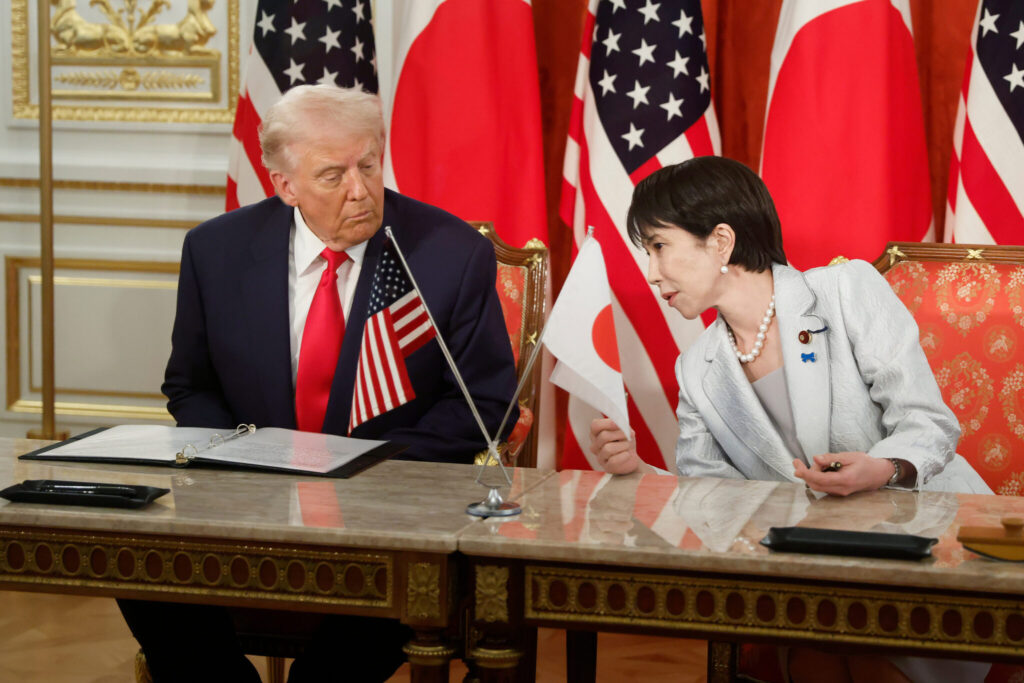
Japan–US Summit Quick Looks
- Takaichi calls visit “very difficult.”
- Iran war reshapes summit priorities.
- Trump urged allies to secure Strait of Hormuz.
- Japan declines to send warships for now.
- Energy security is a top concern for Tokyo.
- China’s growing influence remains central issue.
- Military cooperation and defense expansion on agenda.
- Investment deals and trade ties under discussion.
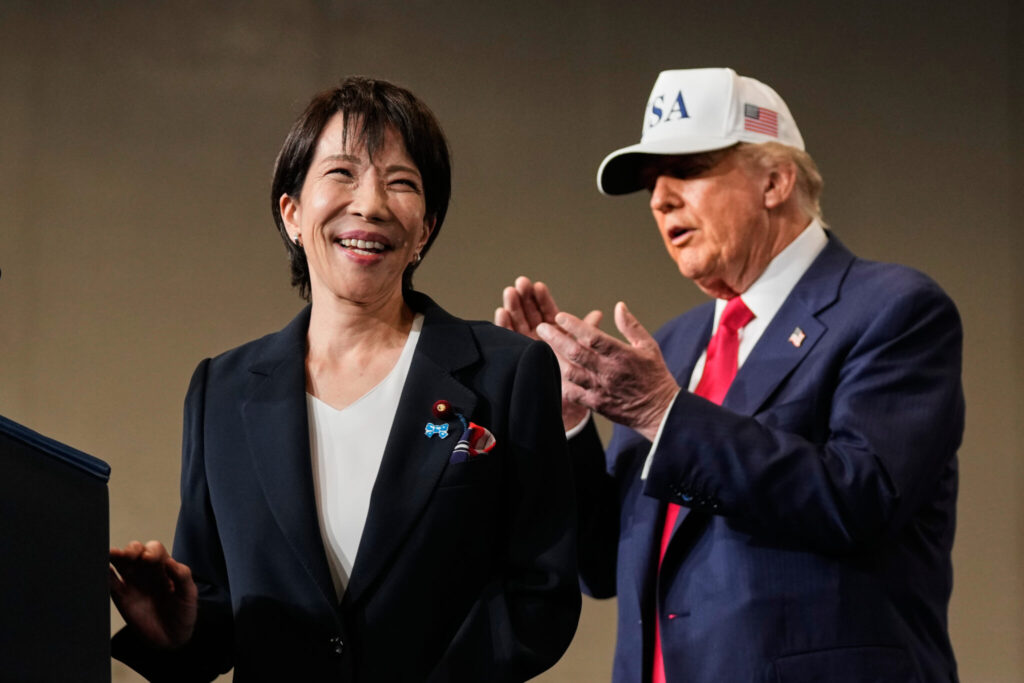
Deep Look: Japan Leader Visits Washington Amid Iran War Tensions
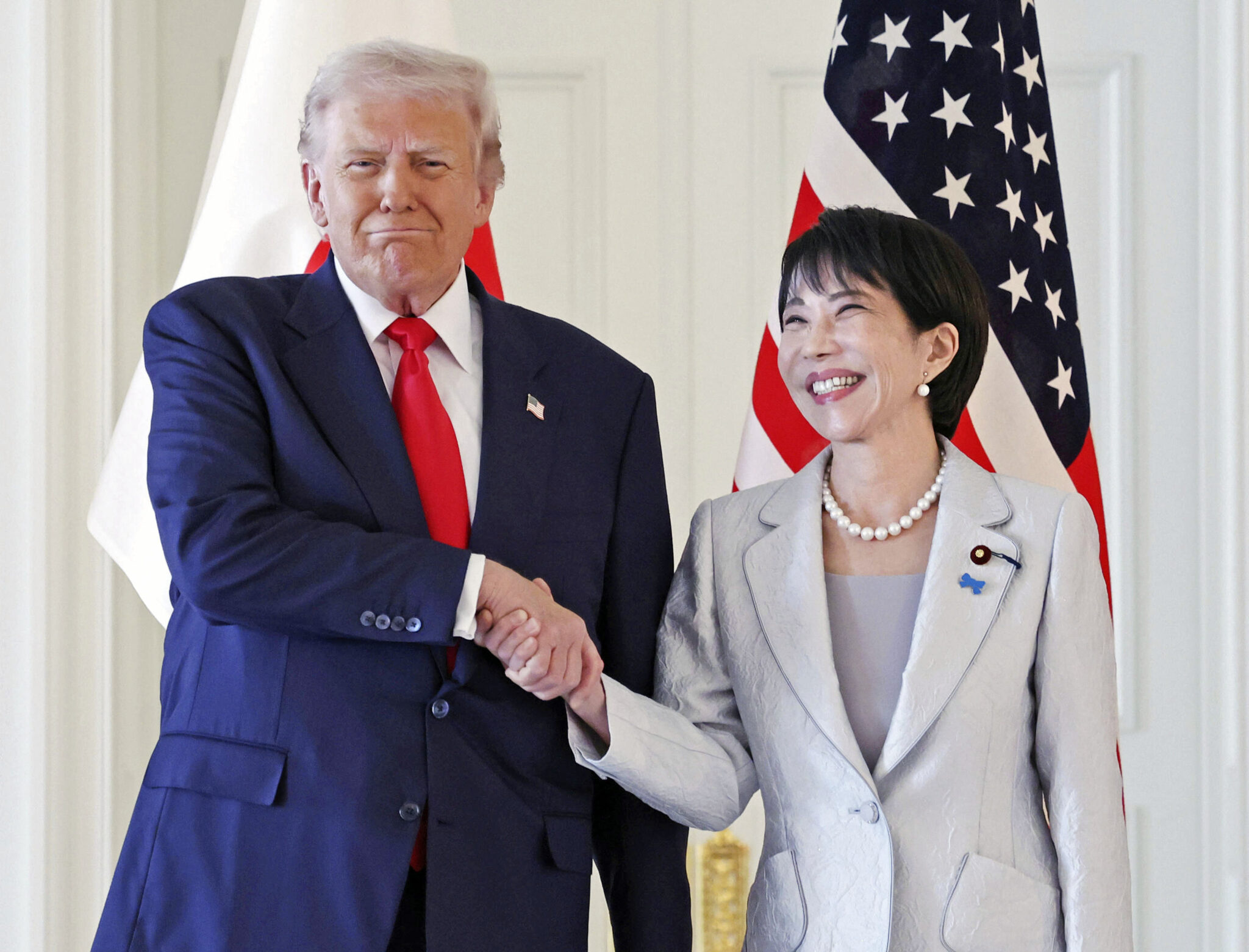
Sanae Takaichi arrived in Washington for a critical summit with Donald Trump, as the fallout from the Iran war complicates what was originally planned as a strategic and economic meeting.
The three-day visit was expected to focus on strengthening the U.S.-Japan alliance and addressing China’s growing influence in Asia. Instead, the conflict in the Middle East — and its impact on global energy markets and security — now dominates the agenda.
Takaichi acknowledged the challenges ahead, describing the trip as “very difficult” and emphasizing the need to protect Japan’s national interests amid rapidly shifting global conditions.
Strait of Hormuz tensions take center stage
A major source of friction is Trump’s call for allies, including Japan, to help secure the Strait of Hormuz — a vital shipping route for global oil.
Japan, heavily dependent on Middle Eastern energy imports, has taken a cautious stance. While it shares concerns about disruptions to oil supplies, Tokyo has stopped short of committing military support.
Takaichi told lawmakers that Japan has no immediate plans to send warships, citing legal constraints and public opposition. Under Japan’s postwar constitution, military actions abroad are tightly restricted.
Instead, Japan may consider limited roles such as intelligence gathering or minesweeping operations, but only after hostilities ease.
Balancing alliance and domestic constraints
Japan’s position reflects a delicate balancing act.
On one hand, Tokyo is a key U.S. ally and faces pressure to demonstrate support. On the other, it must navigate domestic legal limits and maintain stable relations with countries in the Middle East, including Iran — a significant source of its oil.
Takaichi stressed the importance of de-escalation, warning that prolonged conflict could harm Japan’s economy and disrupt energy supplies.
China and Indo-Pacific security remain priorities
Despite the immediate focus on Iran, China remains a central concern for both nations.
Japan is seeking assurances that the U.S. will maintain a strong presence in the Indo-Pacific, especially as some American military resources are redirected to the Middle East.
Takaichi is expected to highlight Japan’s ongoing military buildup, including plans to expand long-range strike capabilities — a notable shift from its traditional self-defense posture.
Tokyo also hopes to deepen cooperation with Washington on advanced defense systems, including potential participation in a U.S.-led missile defense initiative.
Economic and investment ties in focus
Economic cooperation is another key pillar of the visit.
Japan is working to advance a multibillion-dollar investment package in the United States, including projects in energy, infrastructure and advanced technology.
Discussions are expected to include investments in U.S. natural gas, oil production and emerging technologies, as well as joint efforts to develop rare earth resources — a strategic priority as both countries seek to reduce dependence on China.
Japan is also exploring ways to diversify its energy supply, including potential projects in Alaska and expanded stockpiling at home.
A high-stakes diplomatic moment
The meeting comes at a time of heightened global uncertainty, with the Iran war reshaping alliances and economic dynamics.
For Takaichi, the challenge is to reaffirm Japan’s commitment to its alliance with the United States while protecting domestic interests and avoiding deeper entanglement in the conflict.
For Trump, the summit offers a chance to press allies for greater support while reinforcing U.S. leadership in both the Middle East and Asia.
As the talks unfold, the outcome could influence not only U.S.-Japan relations but also the broader balance of power across two critical regions.