Mullin Faces Sharp Questions at DHS Confirmation Hearing/ Newslooks/ WASHINGTON/ J. Mansour/ Morning Edition/ Markwayne Mullin told senators he would bring steadier leadership to Homeland Security after weeks of turmoil. He defended Trump’s immigration priorities while facing bipartisan scrutiny over temperament and use-of-force comments. The hearing underscored how central DHS remains to deportation fights, funding battles and border policy.
Markwayne Mullin DHS Quick Looks
- Mullin cast himself as a stabilizing choice for DHS.
- He pledged loyalty to Trump’s immigration agenda.
- Senators pressed him on temperament and past remarks.
- Democrats questioned whether he could lead with restraint.
- Mullin said home and business entries should require a judge’s warrant in most cases.
- He expressed regret for some comments tied to a Minneapolis incident.
- Funding for DHS remained a major focus of the hearing.
- TSA staffing strains and shutdown impacts hovered over the debate.
- Mullin said DHS should not dominate headlines every day.
- FEMA restructuring also surfaced during questioning.
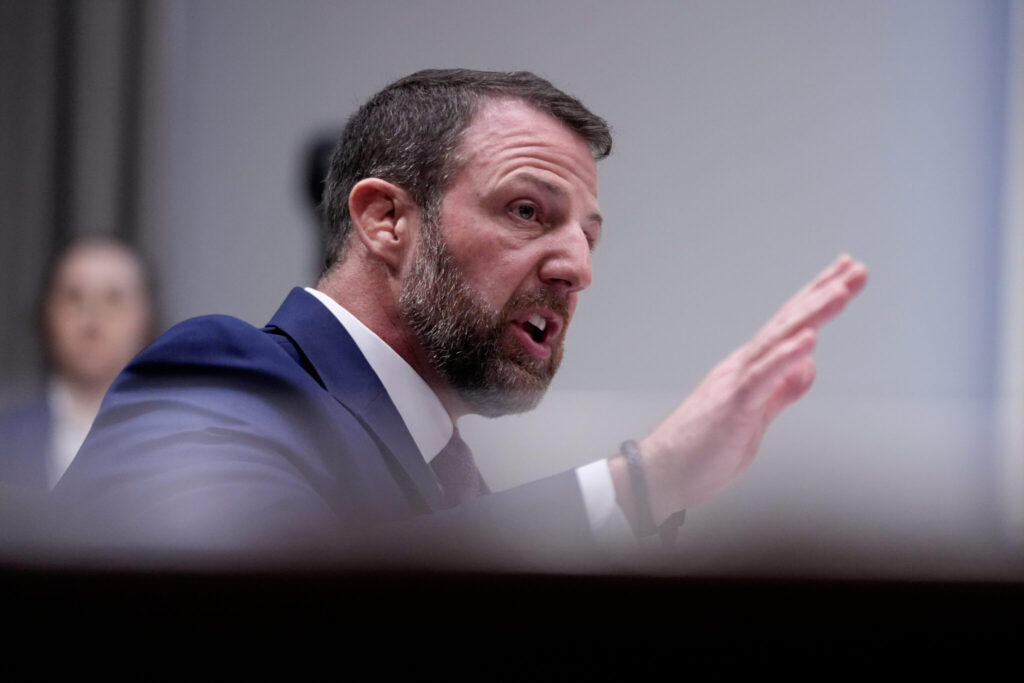
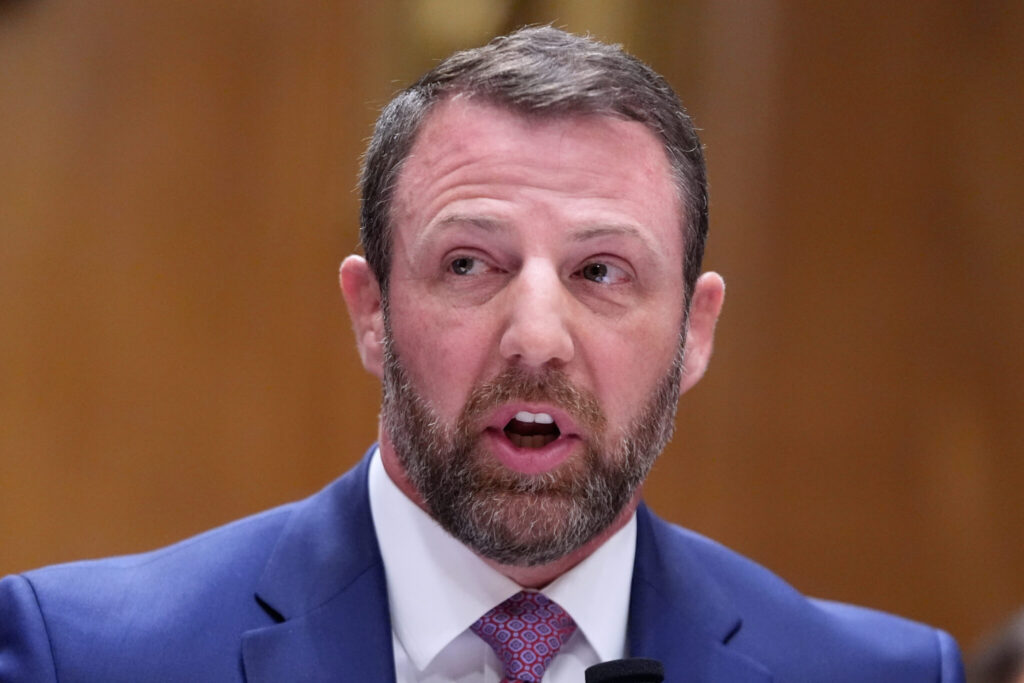
Deep Look: Mullin Faces Sharp Questions at DHS Confirmation Hearing
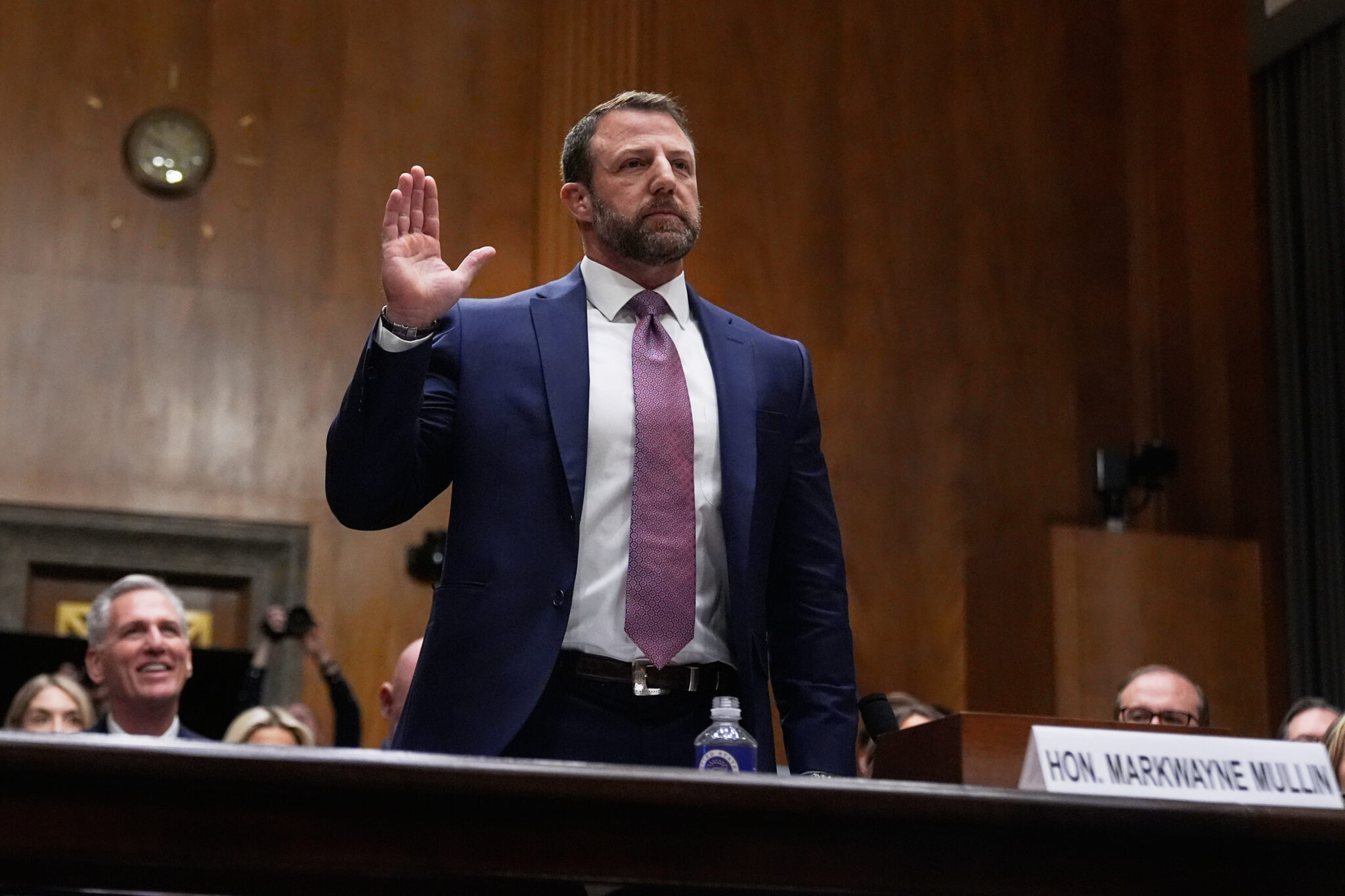
Markwayne Mullin used his Senate confirmation hearing to argue that he could bring discipline and stability to the Department of Homeland Security, a sprawling agency battered by leadership turmoil, funding fights and intense political conflict over immigration enforcement.
The Oklahoma Republican, chosen by President Donald Trump to replace ousted Homeland Security Secretary Kristi Noem, presented himself as a dependable manager who would lower the temperature inside a department that has become one of the administration’s most controversial flashpoints. But senators from both parties tested that claim, raising doubts about his temperament, his past rhetoric and how closely he would align himself with Trump’s hard-line immigration strategy.
Mullin’s appearance before the Senate Homeland Security and Governmental Affairs Committee marked his first major public defense of his plans for the government’s third-largest department. The hearing quickly made clear that his nomination is not simply about management style. It is also a referendum on the Trump administration’s broader enforcement agenda, especially as Democrats continue to withhold routine funding for DHS in a prolonged standoff tied to immigration tactics and the deaths of at least three U.S. citizens during federal operations.
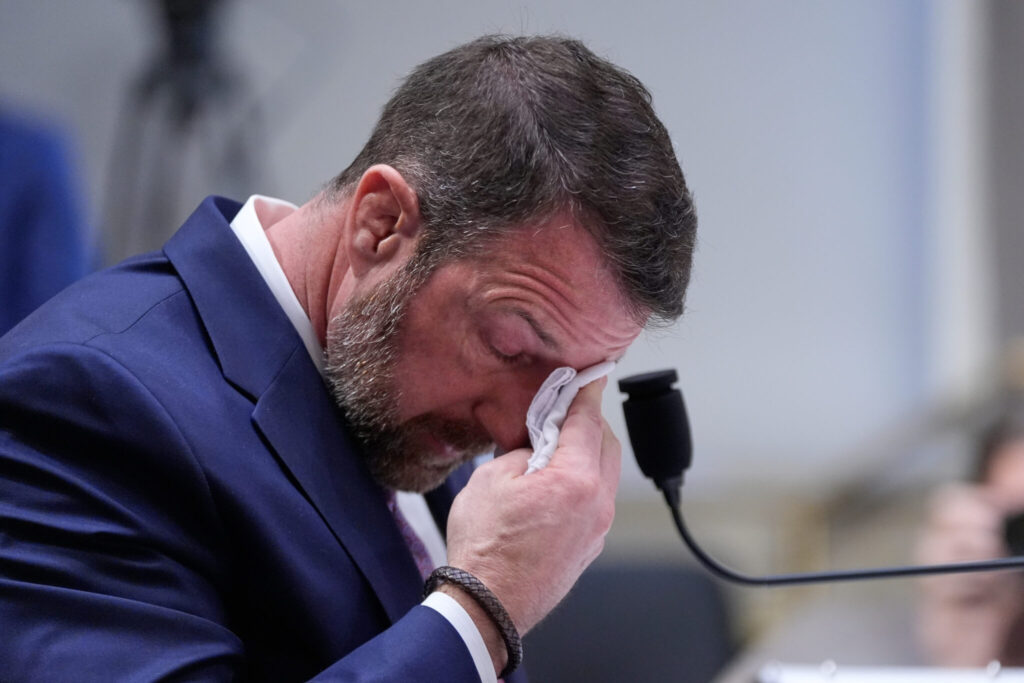
Throughout the hearing, Mullin worked to strike a balance between personal loyalty to Trump and assurances that he could act as a responsible steward of a department with sweeping domestic responsibilities. He spoke emotionally at points, invoking his family’s relationship with the president and his own commitment to public service. At other moments, he became combative, especially when senators questioned his judgment or accused him of endorsing violence.
Mullin told lawmakers that his top priority would be restoring focus and public trust at DHS. He said he wanted a department that was no longer constantly engulfed in controversy.
“I can have different opinions with everybody in this room, but as secretary of homeland I’ll be protecting everybody,” Mullin said, adding that his hope was for DHS to stop being the lead story every day.
Immigration policy remained at the center of the hearing. Democrats wanted to know how Mullin would carry out Trump’s deportation priorities at a time when public backlash has grown over aggressive enforcement tactics. Republicans, meanwhile, sought assurances that he would not retreat from the president’s promises.
Mullin signaled that he would remain aligned with Trump’s goals, but he also outlined at least one notable limit. He said immigration officers should no longer enter homes or businesses without a warrant signed by a judge, except in limited circumstances. That position would mark a shift from current practice, under which some entries can be authorized through internal immigration warrants rather than judicial approval.
He also revisited remarks he made after the fatal shooting of two protesters in Minneapolis. Mullin said he still believed an officer involved in one shooting had to make a split-second decision, but acknowledged he spoke too quickly in describing another victim as a “deranged individual.” He said he regretted making judgments before all the facts were known and said he would not respond that way as homeland security secretary.
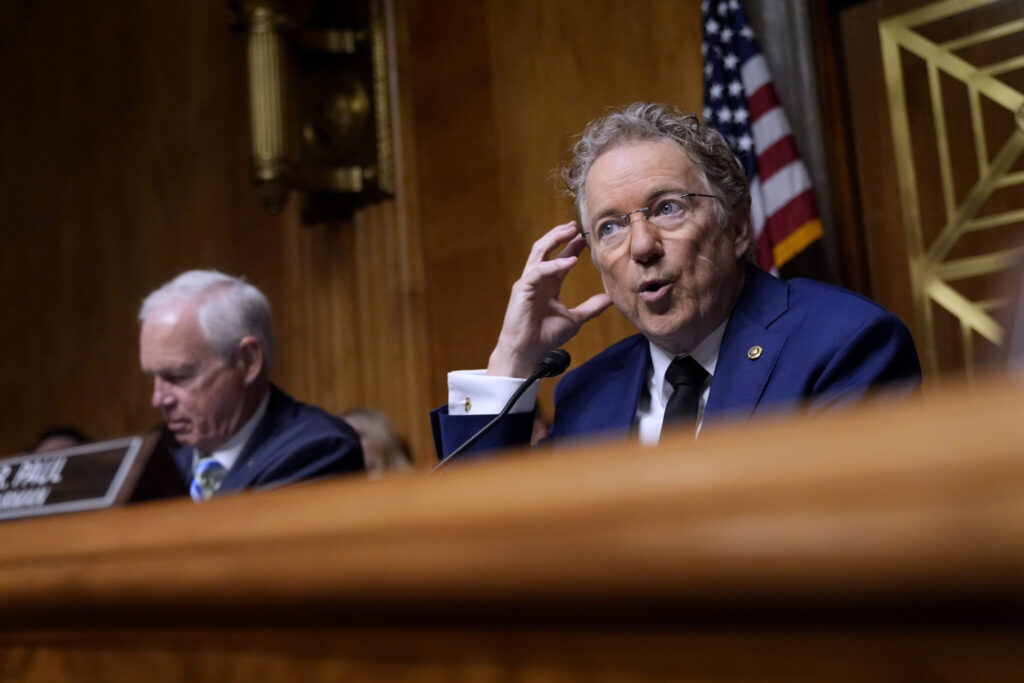
That answer appeared aimed at softening criticism that he lacks the restraint needed for the job. Still, the sharpest challenge came from Republican Sen. Rand Paul of Kentucky, the committee chair, who used his opening statement to question whether Mullin had the right disposition to lead an agency already under scrutiny for its use of force.
Paul cited reported remarks in which Mullin called him “a freaking snake” and suggested he understood why Paul had once been attacked by a neighbor during a dispute. Paul argued that someone who appeared to excuse violence against a political opponent might not be suited to lead DHS.
Mullin forcefully rejected being called dishonest and did not try to paper over the bad blood between them. He said plainly that he and Paul do not get along. The exchange offered a vivid example of the confrontational style that has helped make Mullin a favorite among Trump allies but also raised concern among critics who want steadier leadership at DHS.
The broader political environment added weight to the hearing. Democrats on the committee said they were not seeking radical changes, but rather basic guardrails similar to those followed by local law enforcement agencies. Michigan Sen. Gary Peters, the panel’s top Democrat, said DHS faces grave responsibilities ranging from Iranian threats to cyberattacks and needs calm, credible leadership. He suggested he was not convinced Mullin had yet shown that kind of readiness.
At the same time, Mullin repeatedly returned to the need for Congress to restore DHS funding. He praised employees working without pay and warned that partisan brinkmanship was putting homeland security and public confidence at risk. His message came as airport security lines have grown longer during the partial government shutdown, with Transportation Security Administration staffing strains becoming harder to ignore.
The hearing also looked beyond immigration. Senators asked Mullin about the future of FEMA, which has been caught in upheaval after Trump suggested the agency should be overhauled or possibly eliminated. Mullin said he would look to restructure FEMA, signaling support for significant changes but not laying out a detailed roadmap.
That issue reflects a larger challenge for any DHS secretary: the department’s mission reaches far beyond the border. It includes disaster response, cybersecurity, transportation security and domestic preparedness. Mullin’s supporters say his private-sector background, congressional experience and close relationship with Trump make him well positioned to carry out the administration’s goals. Critics counter that those same qualities may make him too political for a department that requires discipline, balance and public trust.
By the end of the hearing, Mullin had made clear that he sees himself as both a fighter and a fixer. Whether senators believe he can be the steady hand he promised remains the central question hanging over his nomination.