Trump Loosens Venezuela Oil Rules Amid Rising Prices/ Newslooks/ WASHINGTON/ J. Mansour/ Morning Edition/ The Trump administration loosened Venezuela oil sanctions as it looks for more global supply during the Iran war. Treasury’s move allows limited business with PDVSA, while the White House also announced a temporary Jones Act waiver. The policy shift comes as oil and gasoline prices surge, adding new political and economic pressure.
Venezuela Oil Sanctions Quick Looks
- The U.S. eased sanctions on Venezuela’s oil sector.
- Treasury authorized limited transactions with PDVSA.
- U.S. firms can again buy Venezuelan oil under restrictions.
- The White House also announced a 60-day Jones Act waiver.
- The moves aim to ease oil supply pressure during the Iran war.
- U.S. gas prices have climbed to their highest level since 2023.
- Officials say the relief is limited, not a full sanctions rollback.
- Payments must go through a U.S.-controlled account.
- Deals involving Russia, Iran, North Korea, Cuba and some Chinese entities remain barred.
- Analysts say any impact on gasoline prices will take time.
Deep Look: Trump Loosens Venezuela Oil Rules Amid Rising Prices
The Trump administration has taken a major step to loosen long-standing oil sanctions on Venezuela, opening the door for U.S. companies to do business again with the country’s state-run energy giant as Washington searches for ways to add crude to a strained global market during the war with Iran.
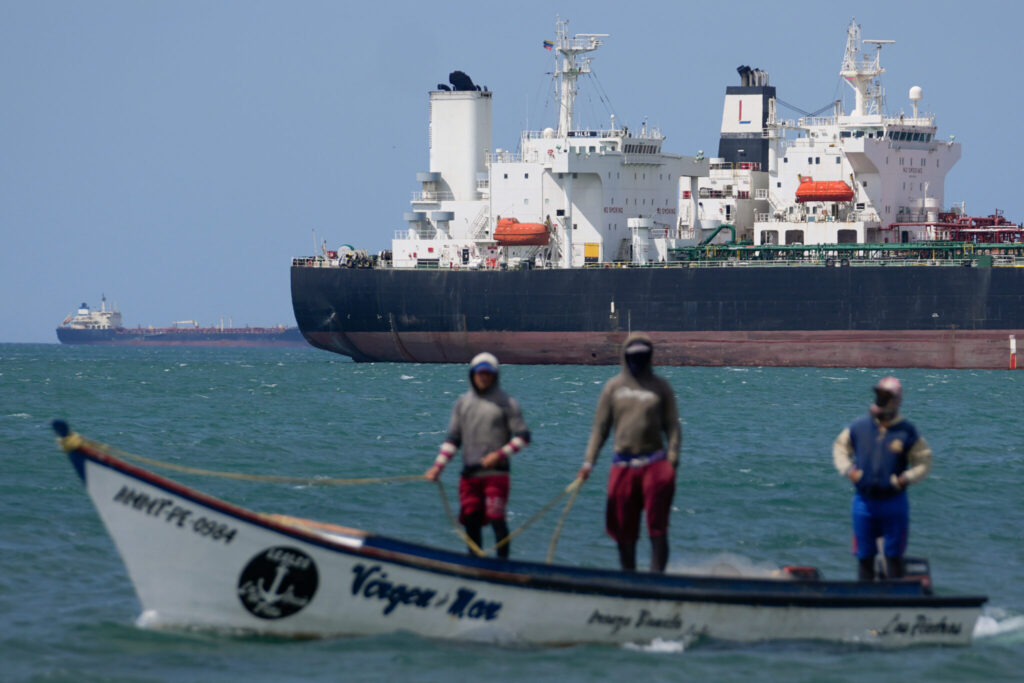
On Wednesday, the Treasury Department issued a broad new license allowing Petróleos de Venezuela S.A., or PDVSA, to sell Venezuelan oil directly to U.S. companies and into global markets under specified limits. The move marks a sharp shift in U.S. policy after years of isolating Venezuela’s oil industry through sanctions aimed at punishing its government and choking off a key source of revenue.
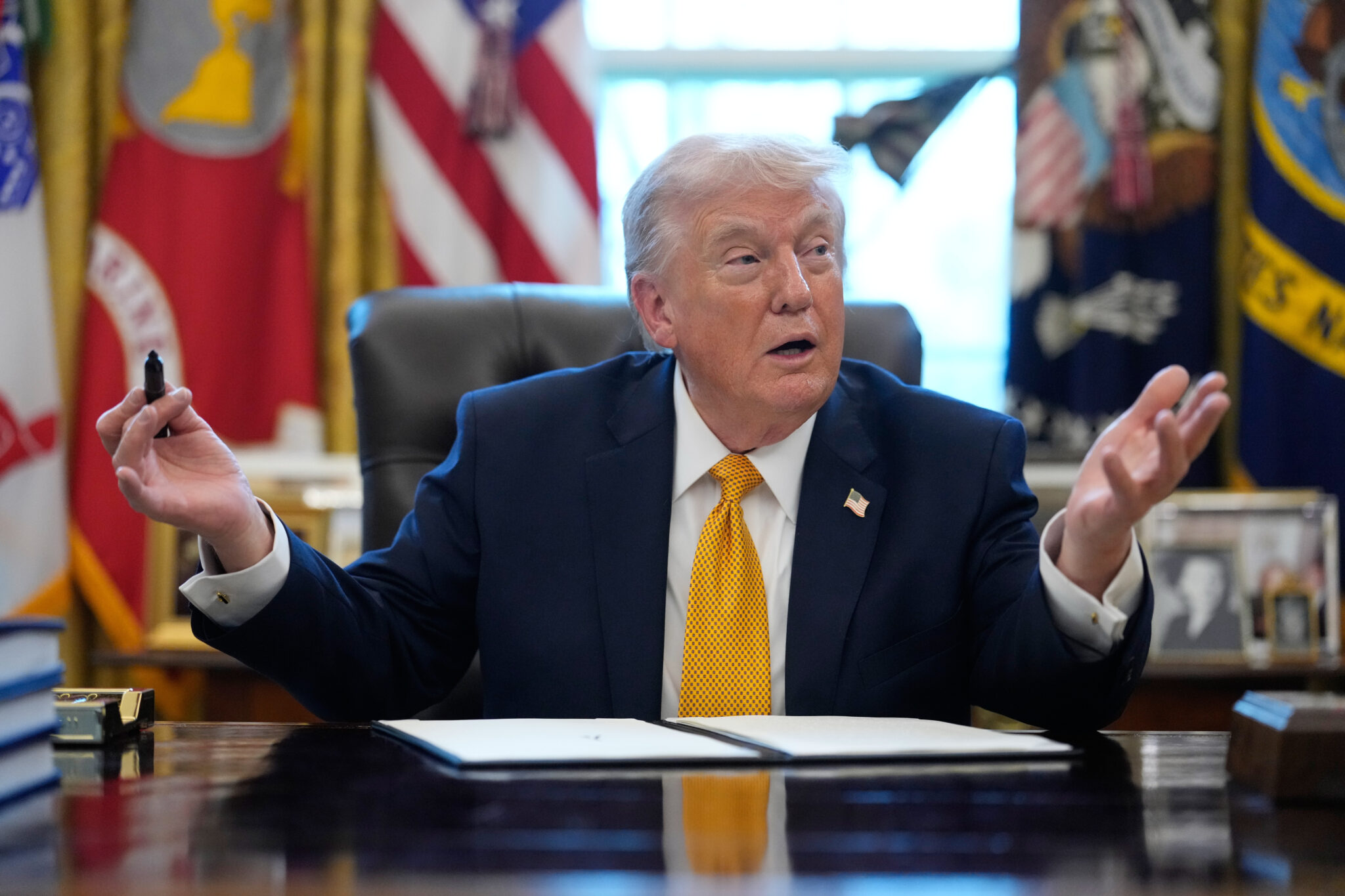
At the same time, the White House said President Donald Trump would temporarily waive Jones Act shipping rules for 60 days. That law generally requires cargo moved between U.S. ports to travel on U.S.-flagged vessels. The administration says the waiver is designed to help ease short-term disruptions in the oil market and improve the movement of fuel and related commodities across the country.
Together, the two actions show how urgently the administration is trying to respond to rising energy costs. Since the United States and Israel began strikes on Iran on Feb. 28, oil markets have been under severe stress. Iran’s actions in and around the Strait of Hormuz have disrupted one of the world’s most important energy chokepoints, sending crude prices sharply higher and lifting fuel costs for consumers worldwide.
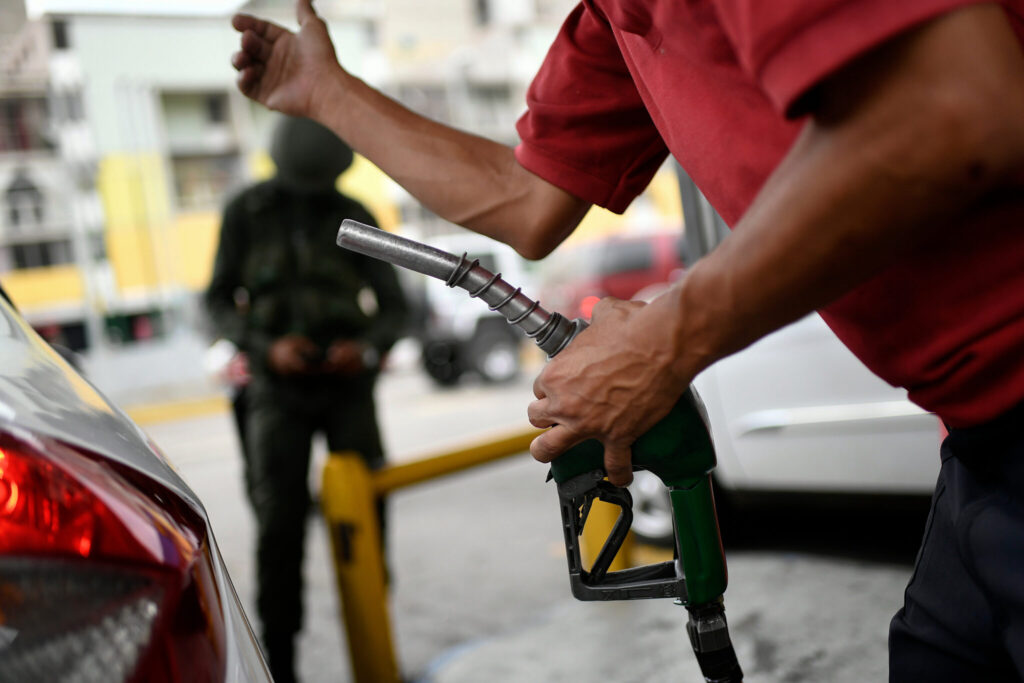
In the United States, the average price for a gallon of regular gasoline climbed above $3.84 on Wednesday, according to AAA. Before the conflict began, that average stood at $2.98. The increase has pushed pump prices to their highest level in roughly two and a half years and added to voter frustration over the cost of living at a politically sensitive moment for Republicans heading into November.
Vice President JD Vance acknowledged that Americans are feeling the squeeze and said the administration is trying to keep prices from rising further. He described the jump as temporary, but the policy moves announced Wednesday make clear the White House is under pressure to act quickly.
Treasury officials framed the Venezuela license as a controlled effort to encourage energy investment while boosting oil supply for both the United States and the broader market. But the relief stops well short of a full rollback of sanctions. Only companies that existed before Jan. 29, 2025, are eligible to participate, and payments cannot go directly to sanctioned Venezuelan entities such as PDVSA. Instead, money must be routed into a special U.S.-controlled account, allowing Washington to permit the trade while retaining oversight of the revenue.
The new authorization also keeps strict barriers in place around certain foreign ties. Transactions involving Russia, Iran, North Korea, Cuba and some Chinese entities are still prohibited. Deals tied to Venezuelan debt or bonds are not allowed either. And the license explicitly bars payments made in gold or cryptocurrency, including the petro, the digital token once promoted by the Venezuelan government.
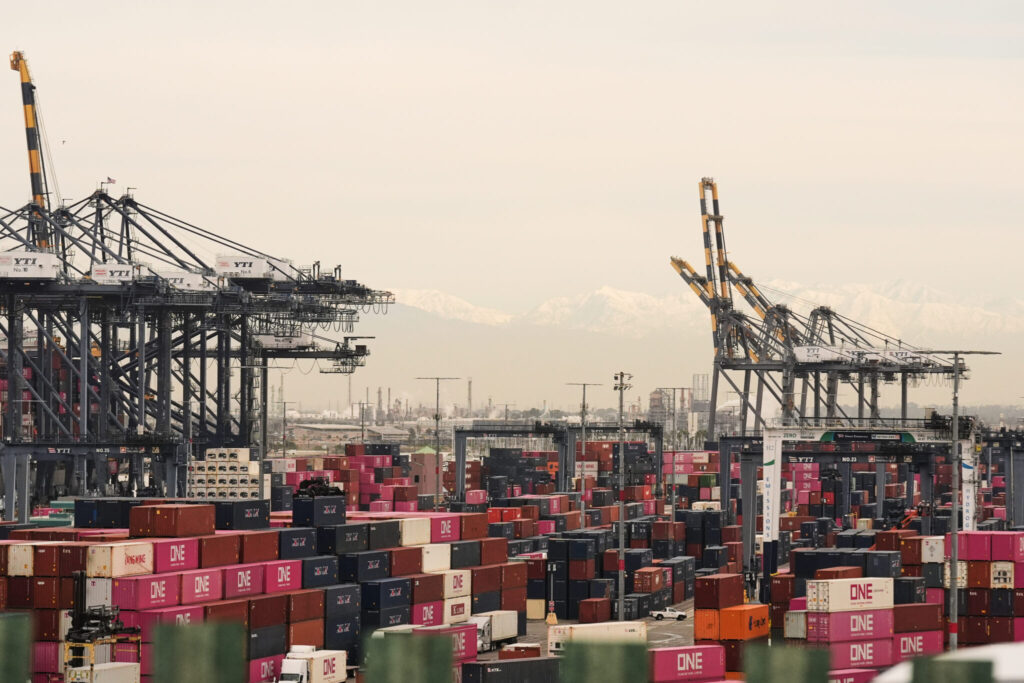
The decision is expected to give Venezuela’s struggling oil sector a meaningful boost and may encourage companies that had been hesitant to invest. For years, sanctions and internal dysfunction have crippled production in a country that holds some of the world’s largest oil reserves. Venezuela once produced around 3.5 million barrels per day, but output collapsed over time because of corruption, poor management and economic pressure. By 2020, production had fallen below 400,000 barrels per day.
That decline transformed the country’s economy and forced Venezuela to sell much of its remaining oil at steep discounts, especially to buyers in China and elsewhere in Asia. It also pushed the government into more unconventional payment methods, including barter arrangements, ruble transactions and crypto-related workarounds.
Still, analysts caution that even with sanctions relief, Americans should not expect immediate relief at the gas pump. Venezuela’s production capacity cannot rebound overnight. Significant gains in output would likely take many months, and any additional barrels would need time to move through global supply chains and refinery systems before affecting retail fuel prices in the United States.
The temporary Jones Act waiver could have a faster, though still limited, effect in some areas. By loosening coastwise shipping requirements, the administration hopes to move oil, natural gas, fertilizer and coal more efficiently between domestic ports. Energy analysts say that may help certain regions, particularly parts of the mid-Atlantic, where supply logistics can play a bigger role in pump prices. But the benefits are unlikely to be evenly felt nationwide, and the waiver may put new pressure on U.S. shipping companies by exposing them to more foreign competition.
The broader political risk for the White House is that voters may not care about the complexity of energy logistics if prices remain high. Trump had often boasted about lower gasoline prices before the Iran conflict. Now, his administration is trying to contain a fast-moving energy shock with a mix of sanctions relief, shipping flexibility and supply diversification.
The Venezuela move also carries diplomatic and moral complications. Critics argue it effectively strengthens officials who remain tied to Nicolás Maduro’s old governing network, even as repression, corruption and human rights abuses continue to weigh heavily on Venezuelan society. For the administration, however, the immediate focus appears to be the oil market.
With crude prices still elevated, the U.S. is signaling that geopolitical strategy and energy necessity are now colliding in ways that are reshaping policy far beyond the Middle East.