Fed Holds Rates Steady, Keeps Single Cut Forecast/ Newslooks/ WASHINGTON/ J. Mansour/ Morning Edition/ The Federal Reserve left interest rates unchanged and still projected one rate cut in 2026. Officials expect the Iran war to push inflation higher this year but see only modest effects on growth and unemployment. The central bank signaled that higher gas prices may be temporary, with inflation easing again over time.
Federal Reserve Rate Cut Quick Looks
- The Fed kept short-term rates unchanged.
- Policymakers still expect one rate cut this year.
- Officials said the Middle East conflict creates economic uncertainty.
- Inflation is now expected to run higher in 2026 than previously forecast.
- Core inflation is also projected to finish the year above earlier estimates.
- The Fed sees little change in unemployment by year-end.
- Growth expectations remain relatively steady despite the Iran war.
- Rising gas prices are seen as a temporary inflation pressure.
- Officials still expect inflation to move closer to target in 2027 and 2028.
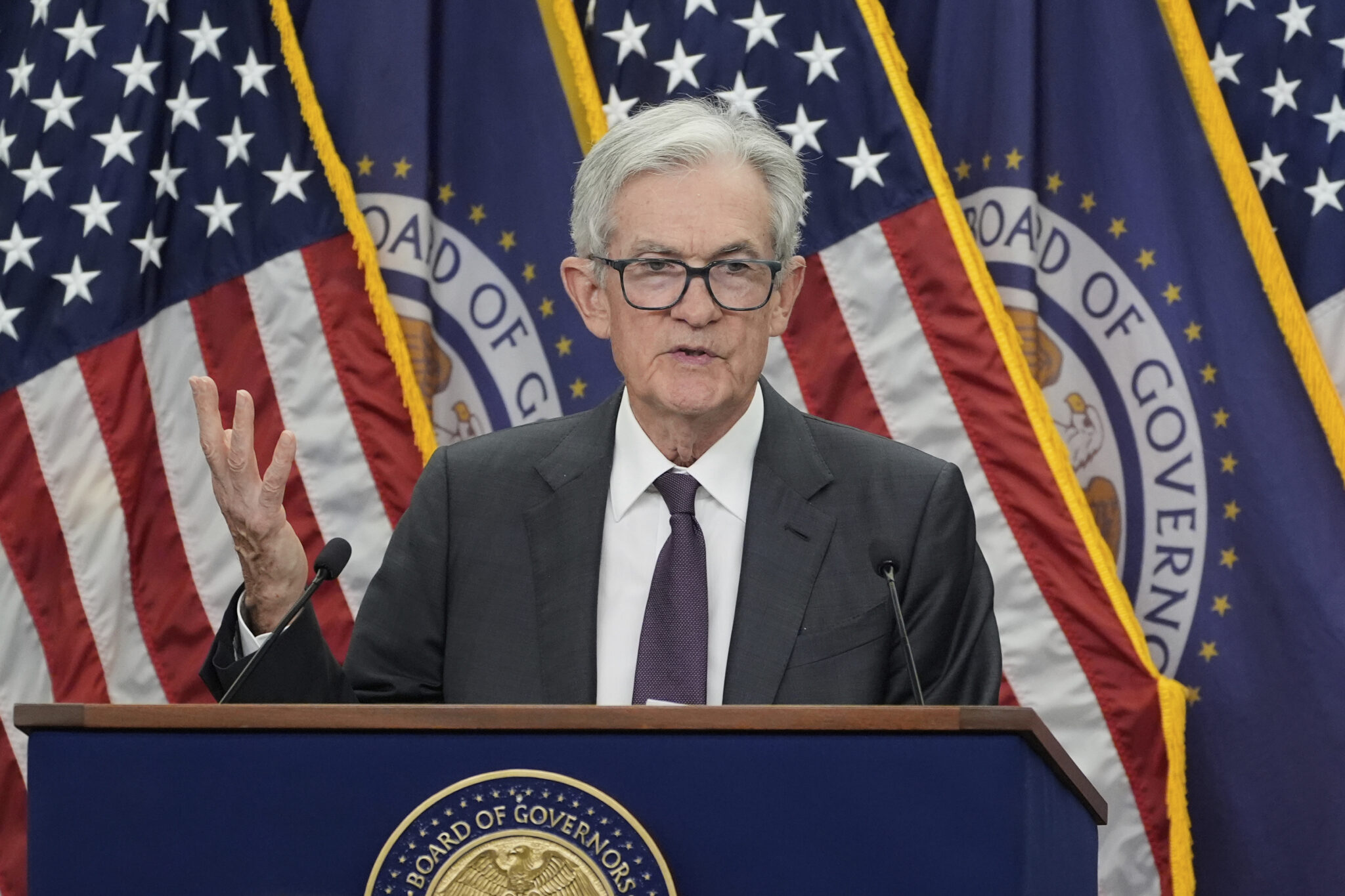
- The rate decision comes during Jerome Powell’s final months as chair.
Deep Look: Fed Holds Rates Steady, Keeps Single Cut Forecast
The Federal Reserve left interest rates unchanged on Wednesday and signaled that it still expects to cut rates once this year, even as officials warned that the Iran war will likely push inflation higher in the near term.
After its latest policy meeting, the central bank kept its benchmark short-term rate at about 3.6%, marking the second straight meeting without a change. In its statement, the Fed said the economic effects of developments in the Middle East remain uncertain, but its updated projections showed policymakers still see enough stability in the broader economy to maintain their outlook for a single cut in 2026.
That decision suggests Fed officials believe the recent surge in gasoline and energy prices will likely be temporary rather than the start of a more damaging inflation cycle. While the war has added fresh pressure to consumer costs, the central bank does not currently appear to view the conflict as a major threat to overall economic growth.
Officials now expect inflation to end this year at 2.7%, higher than they projected in December. Core inflation, which strips out volatile food and energy prices and is seen as a better guide to long-term trends, is also forecast to finish the year at 2.7%, up from an earlier estimate of 2.5%. Even so, the Fed still expects inflation to cool further in the years ahead, falling to 2.2% in 2027 before reaching its 2% target in 2028.
The updated outlook indicates that policymakers see the energy shock from the Iran conflict as short-lived. Gasoline prices have jumped sharply since the war began on Feb. 28, and that increase is expected to push headline inflation higher in the coming months. But if oil markets stabilize and the conflict does not deepen further, the Fed appears to believe some of those price gains could reverse later this year.
At the same time, the central bank is not forecasting major labor market deterioration. Officials expect unemployment to remain essentially unchanged by the end of the year, a more upbeat assessment than many private economists have offered. That matters because the Fed is balancing two competing risks: inflation that may remain too high for too long, and an economy that could weaken if higher fuel costs drain consumer spending.
That balancing act has become harder because rising prices and weaker growth usually call for opposite policy responses. When inflation accelerates, the Fed typically keeps rates elevated or raises them further to cool demand. When unemployment rises and growth slows, it usually cuts rates to support borrowing and spending. A period of both higher inflation and weaker hiring would leave policymakers with few easy options.
Before the Iran conflict, the Fed was already dealing with a mixed economic picture. Inflation had remained stubbornly above target, while some labor market data had started to soften. Earlier reports showed price pressures were not easing as quickly as hoped, and job growth weakened in February while the unemployment rate ticked slightly higher. Those trends had already complicated the case for more rate cuts.
Now, the war has added another layer of uncertainty. Higher oil prices risk feeding through to transportation, goods and services, while pricier gasoline can squeeze household budgets and reduce spending elsewhere. That could slow the economy later in the year, even as inflation moves up in the short run.
The policy decision also arrives during a sensitive leadership period for the central bank. Chair Jerome Powell is nearing the end of his term, which expires on May 15. President Donald Trump has nominated former Fed official Kevin Warsh to succeed him, but the nomination has been delayed in the Senate. That means Powell could remain in place slightly longer if confirmation drags out.
Political attention around the Fed has also intensified because Trump has repeatedly pushed for lower rates, arguing they would help growth and financial markets. But the central bank’s latest stance shows that policymakers are still wary of cutting too quickly while inflation remains above target and energy prices are climbing.
For now, the Fed’s message is cautious but not alarmed. Officials are acknowledging that the Iran war has complicated the inflation outlook, yet they are not signaling panic about growth or employment. By sticking with their forecast for one rate cut this year, they are effectively betting that the war’s economic damage will remain limited and that inflation will eventually move lower again once energy markets settle.