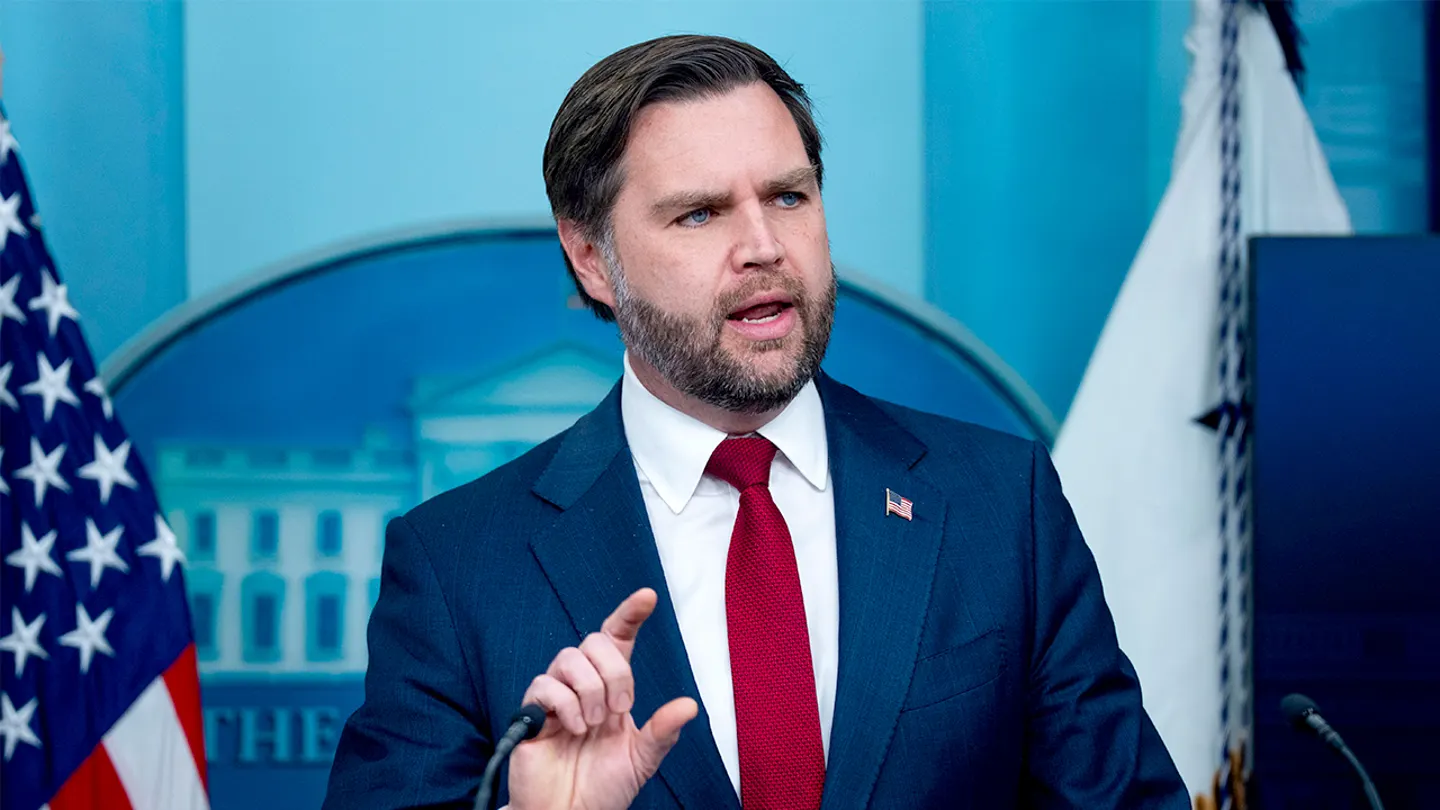
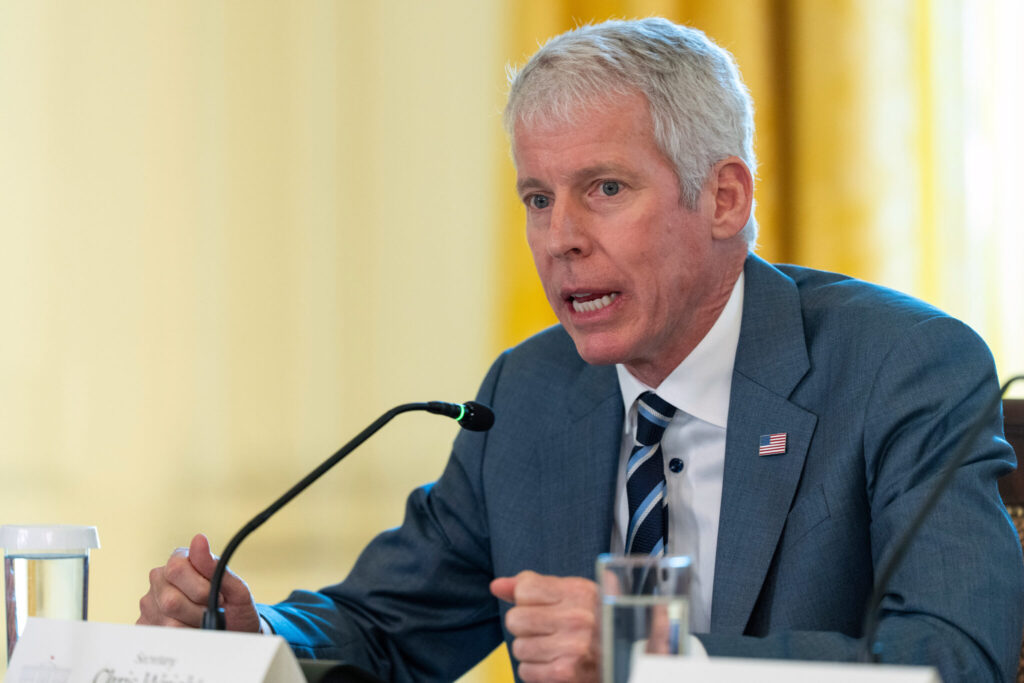
Vance and Wright Meet Oil Chiefs Amid Price Spike/ Newslooks/ WASHINGTON/ J. Mansour/ Morning Edition/ Vice President JD Vance and Energy Secretary Chris Wright are set to meet top oil executives in Washington this week. The talks come as oil and gasoline prices surge following disruptions in the Strait of Hormuz. The meeting highlights pressure on the Trump administration to contain energy costs during the Iran conflict.
Vance Oil Executives Meeting Quick Looks
- JD Vance and Chris Wright will address the American Petroleum Institute board.
- The board includes leaders from major global oil companies.
- The session comes as oil and gasoline prices climb sharply.
- Iran’s disruption of Strait of Hormuz traffic has tightened global supply.
- The administration is under pressure to ease the economic fallout.
- Vance said more steps to lower prices could be announced soon.
- Industry leaders and the White House have clashed over production expectations.
- Executives say war-driven price spikes do not guarantee long-term drilling growth.
- Some emergency policy ideas were discussed but reportedly set aside.
- The meeting was initially expected to focus on permitting reform.
Deep Look: Vance and Wright Meet Oil Chiefs Amid Price Spike
Vice President JD Vance and Energy Secretary Chris Wright are scheduled to meet with senior oil industry executives in Washington this week, as the Trump administration tries to respond to rising fuel costs linked to the war with Iran.
The gathering will take place at a board meeting of the American Petroleum Institute, the country’s largest oil and gas lobbying group. The association confirmed that both Vance and Wright will speak to its board, which includes executives from some of the world’s biggest energy companies.
Although the session had reportedly been planned months ago and was originally expected to center on permitting reform, the focus has shifted as the White House confronts a sharp rise in oil and gasoline prices. The disruption stems from the Iran war and the squeeze on tanker traffic through the Strait of Hormuz, one of the most important routes for global crude shipments.
The meeting underscores growing friction between the administration and the oil industry over how to respond to the market shock. Energy companies are dealing with volatile prices, uncertain demand and the broader business risks that come with a fast-moving geopolitical crisis. At the same time, the White House is under political pressure to show it is working to keep consumer fuel costs from rising further.
Speaking in Michigan, Vance acknowledged that gas prices have moved higher but argued the jump would not last. He said the administration was working on multiple steps to ease prices and suggested new actions could be announced soon. He also said the White House expects prices to move back down once the conflict is brought under control.
The energy market backdrop is severe. Iran’s moves in and around the Strait of Hormuz have slowed tanker traffic through a passage that normally handles around one-fifth of the world’s oil supply. That has pushed benchmark Brent crude above $106 per barrel, a steep increase from levels seen before the war began. U.S. gasoline prices have also climbed sharply, adding more pressure to household budgets and creating a political headache for Republicans ahead of the midterm elections.
The American Petroleum Institute said it welcomed the chance to discuss market conditions and the role of domestic oil and natural gas production in supporting reliable energy supply during a period of global instability. The group framed the discussion as part of a broader effort to strengthen American energy resilience over the long run.
Behind the scenes, however, tensions have been building. Administration officials have publicly suggested that higher oil prices should encourage drillers to raise output. But industry leaders have pushed back, arguing that sudden, war-driven spikes are not the same as durable market signals that justify major new investment. Companies say they are already working existing wells and remain cautious about making large expansion decisions while the duration of the conflict remains unclear.
Reports of possible emergency responses have also added to industry unease. According to people familiar with the discussions, ideas such as limiting crude exports or imposing gasoline price controls were floated inside the administration but have not moved forward. Even the discussion of those options has frustrated some in the sector, who argue they would distort markets and create more uncertainty.
That frustration points to a broader challenge for the White House. President Donald Trump has long promised lower energy prices, but the Iran conflict has complicated that message. While higher crude prices can help producers, they also raise costs for drivers and businesses, making inflation concerns harder to contain.
The Vance-Wright appearance before oil executives is therefore more than a routine industry meeting. It is a sign of how urgently the administration is trying to manage the economic fallout of the conflict while maintaining support from an industry it sees as central to its energy and political strategy.