Trump Warns He Won’t Endorse Lawmakers Who Oppose Save America Act/ Newslooks/ WASHINGTON/ J. Mansour/ Morning Edition/ President Donald Trump is intensifying pressure on lawmakers to support the SAVE America Act as the bill faces slim odds in the Senate. The measure would tighten voter registration and voting rules, but it has exposed notable Republican divisions. GOP leaders are moving ahead with debate and test votes even though the legislation is unlikely to clear the chamber.
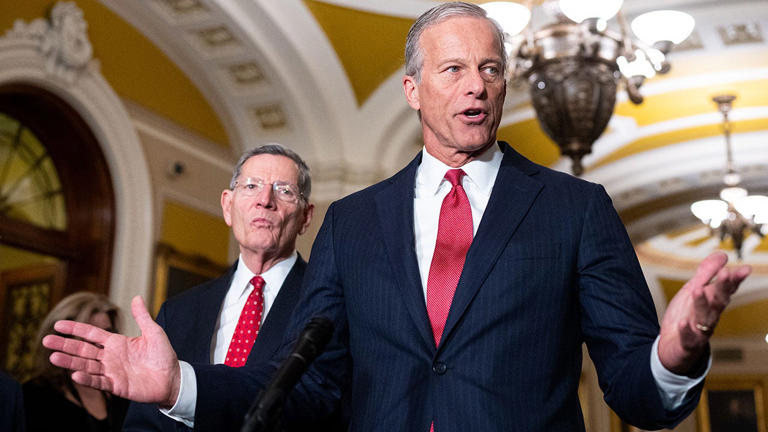
SAVE America Act Quick Looks
- Trump warned he will not endorse lawmakers who vote against the bill.
- The SAVE America Act would require proof of citizenship to register for federal elections.
- It would also impose stricter voter identification requirements.
- Senate Republicans do not currently have the 60 votes needed to advance it.
- GOP leaders are using floor debate to spotlight Democratic opposition.
- Some Republicans support the bill’s goals but oppose parts of its scope.
- Mail-in voting restrictions have become a major sticking point inside the party.
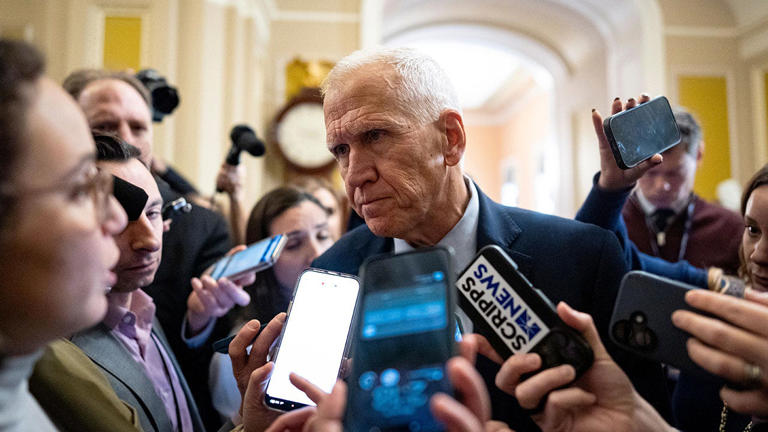
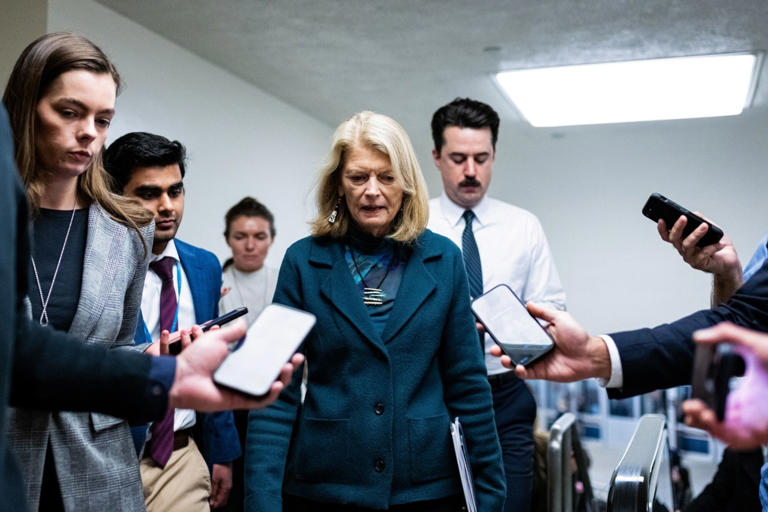
- Sens. Lisa Murkowski and Thom Tillis are among Republicans resisting the legislation.
- John Thune has said the political math for passage is not there.
- The fight has become a test of Trump’s influence over Senate Republicans.
Deep Look: Trump Warns He Won’t Endorse Lawmakers Who Oppose Save America Act
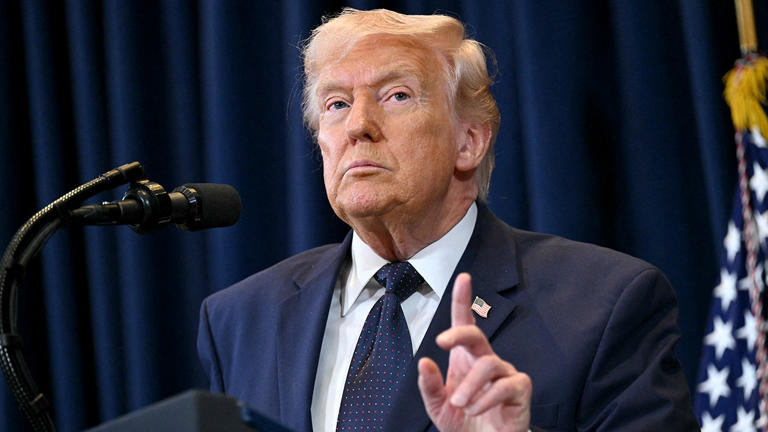
President Donald Trump has raised the political stakes around the SAVE America Act, warning that he will withhold endorsements from any lawmaker who votes against the election measure as Republicans push forward with a Senate fight they know is unlikely to end in victory.
The legislation has become one of Trump’s clearest demands ahead of the midterm elections. He has framed it as a major test of party loyalty and a centerpiece of his broader push for stricter national voting rules. In recent public comments, Trump cast the bill as essential to election security and said lawmakers who oppose it would face consequences in future campaigns.
That pressure campaign is landing as Senate Republicans confront a basic reality: they do not have the votes needed to pass the bill. While the GOP holds a majority in the chamber, it still falls short of the 60-vote threshold required to move the measure forward under current Senate rules. Democratic opposition remains unified, and several Republicans are also uneasy with either the bill itself or the tactics some conservatives want to use to force it through.
The SAVE America Act would require documentary proof of U.S. citizenship for voter registration in federal elections and would tighten identification requirements for casting ballots. Supporters say the proposal is needed to prevent noncitizen voting and strengthen confidence in elections. Critics argue such fraud is already rare and say the bill would create new barriers for eligible voters who may not have easy access to required documents.
The legislation has also become broader and more politically charged than a simple voter ID measure. Debate around it now includes restrictions tied to mail-in voting and a wider federal role in shaping election procedures that have traditionally been handled by states. That expansion has helped fuel resistance, even among some Republicans who say they support secure elections but do not want Washington imposing sweeping mandates.
Senate Majority Leader John Thune has tried to manage expectations, saying the numbers are not there for final passage. Still, Republicans are pressing ahead with procedural votes and extended floor debate in hopes of forcing Democrats onto the record and showing conservative voters that the party is fighting on the issue. The strategy is more about public pressure and political messaging than about a realistic path to enactment.
That approach has not solved the party’s internal divide. Some conservatives want Republicans to go further by changing Senate procedures or using a traditional talking filibuster to keep the bill alive until opponents give way. But GOP leaders have rejected that route, arguing that it would paralyze other Senate business and still fail without broader support. They also lack enough Republican votes to scrap or weaken the 60-vote standard.
Substantive objections are also emerging from within the conference. Lisa Murkowski has argued the proposal would federalize election administration and create special burdens for states such as Alaska, where geography alone can make in-person registration requirements far more difficult. Thom Tillis has objected to the scope of the legislation and signaled strong opposition to letting it move ahead in its current form. Other Republicans have raised concerns about strict limits on mail-in voting, noting that vote-by-mail is common and popular in many rural and red states.
That tension leaves Republicans trying to balance Trump’s demands with the practical and political limits of the Senate. For Trump, the bill offers another chance to make election law a rallying point for his base and to pressure lawmakers into public alignment with his agenda. For senators, it is a more complicated calculation. Many want to show support for election security without embracing provisions that could backfire at home or create headaches for their own state systems.
The debate has therefore become about more than the policy itself. It is also a measure of how much leverage Trump still holds over congressional Republicans, how far Senate leaders are willing to go to satisfy him, and whether the party can stay unified when its legislative options are narrow.
Even if the SAVE America Act fails, as many in both parties expect, the issue is unlikely to disappear. Republicans appear determined to use the debate to energize their voters, while Democrats are preparing to argue that the proposal is a federal voter suppression effort dressed up as election reform. The longer the Senate standoff lasts, the more it will serve as a campaign-stage preview of the election battles still to come.