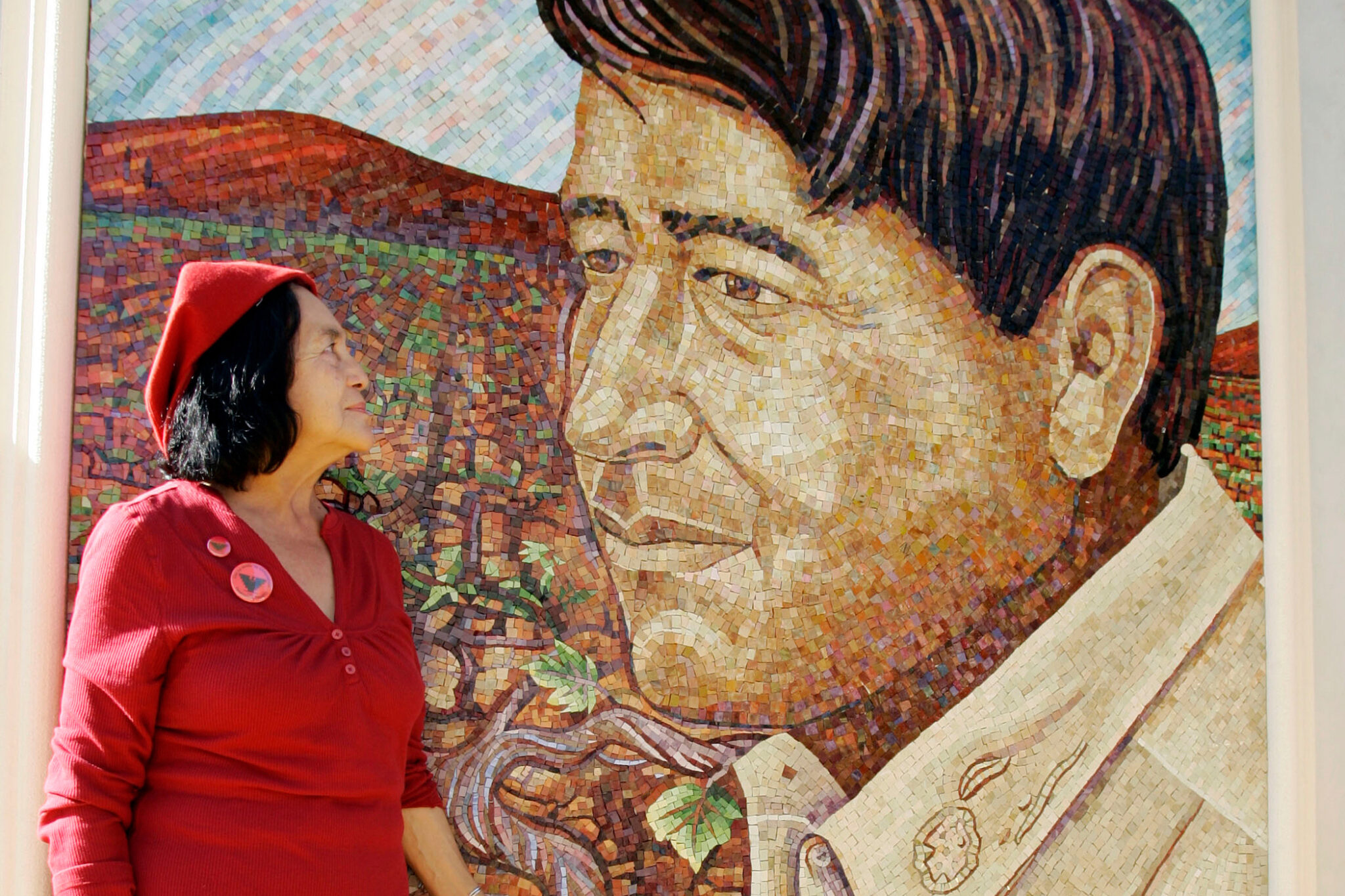
César Chavez Sexual Abuse Allegations Shake Farmworker Movement Legacy/ Newslooks/ WASHINGTON/ J. Mansour/ Morning Edition/ Dolores Huerta says she was among women abused by labor leader César Chavez. The allegations have sparked national debate over Chavez’s legacy and public honors. Leaders across the U.S. are reconsidering celebrations, memorials, and recognitions tied to his name.
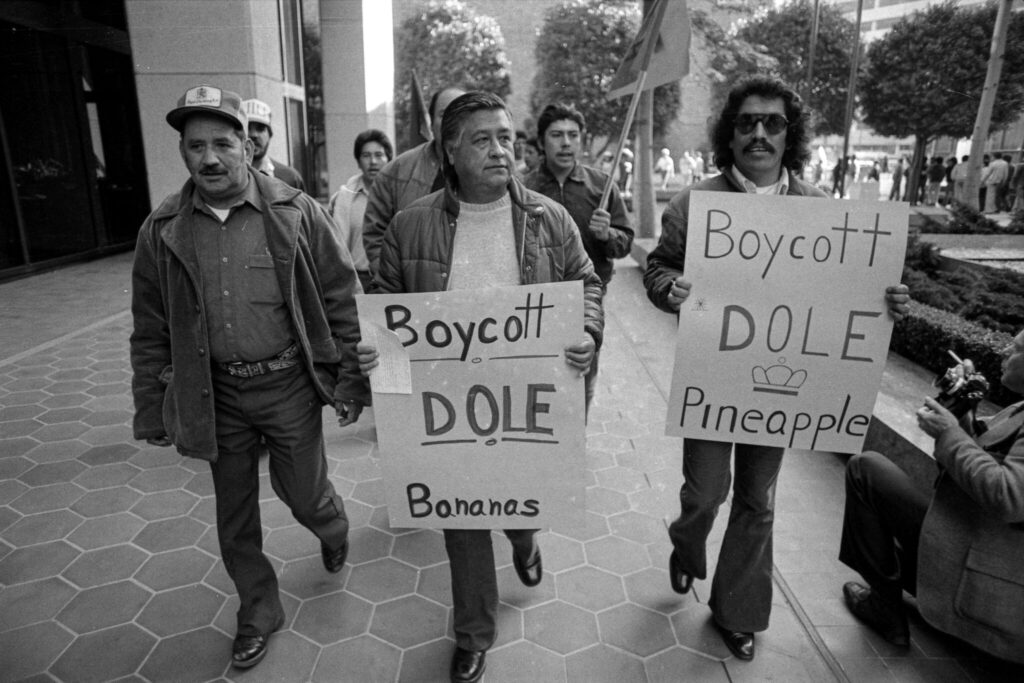
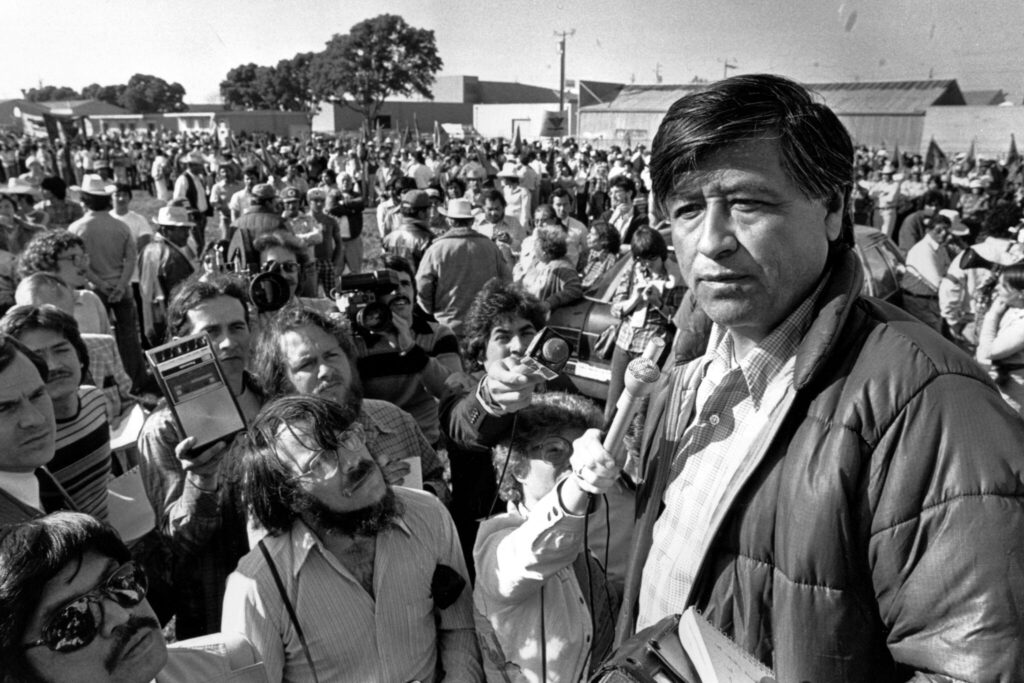
César Chavez abuse allegations Quick Looks
- Dolores Huerta alleges she was sexually abused by César Chavez.
- She said she remained silent for decades to protect the farmworker movement.
- Additional claims suggest Chavez abused other women and girls.
- Chavez co-founded the United Farm Workers and is a major civil rights figure.
- His family expressed sorrow and support for those coming forward.
- Cities and states are reconsidering holidays and memorials tied to Chavez.
- Some officials have called for removing his name from public spaces.
- Advocacy groups stress the broader movement extends beyond one individual.
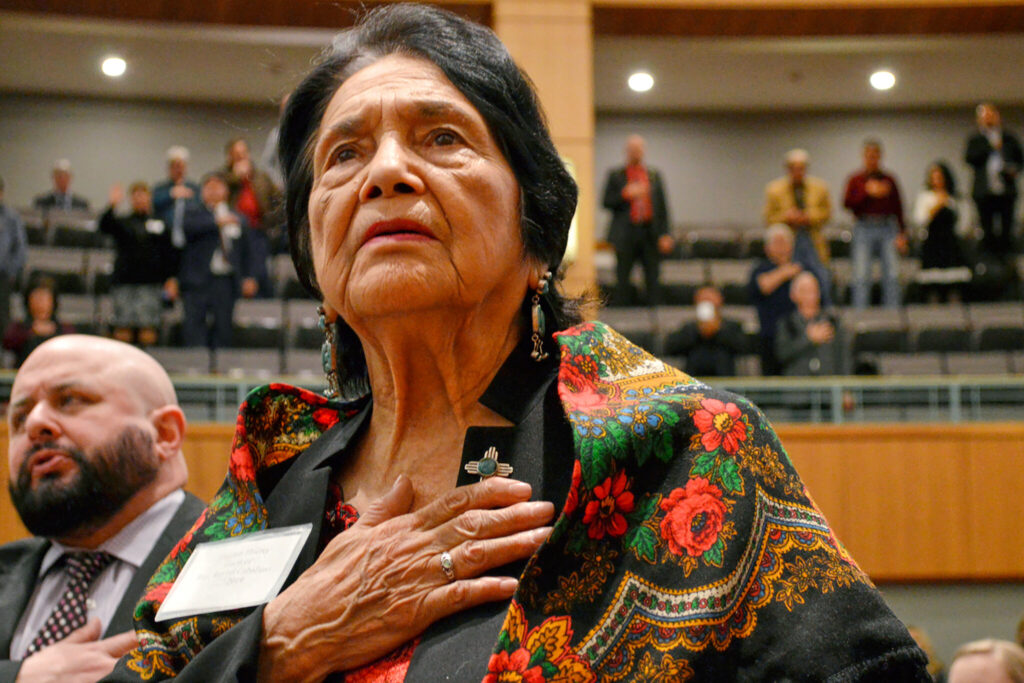
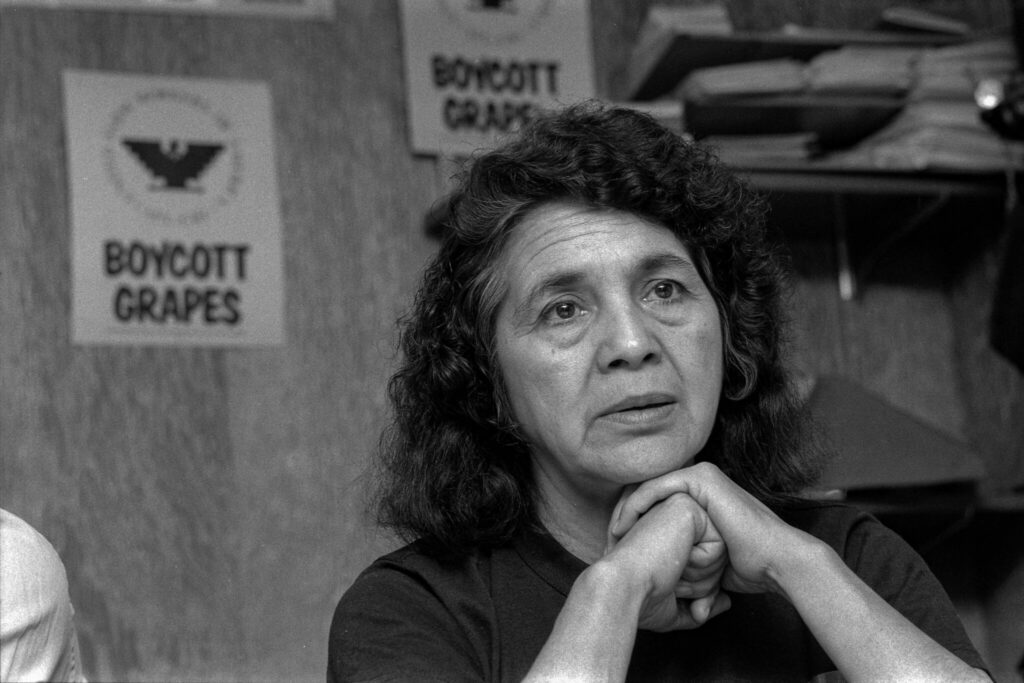
Deep Look: César Chavez Sexual Abuse Allegations Shake Farmworker Movement Legacy
Allegations of sexual abuse against César Chavez, one of the most prominent figures in American labor and civil rights history, have triggered a wave of national reflection, political reaction, and reassessment of his legacy.
At the center of the revelations is Dolores Huerta, a towering labor leader who co-founded the farmworker movement alongside Chavez. Huerta disclosed that she was among several women and girls who say they were sexually abused by Chavez, a claim that has stunned supporters of the movement he helped build. Chavez, who died in 1993, had long been celebrated as a champion of farmworkers and Latino civil rights.
Huerta said she kept her experiences private for decades, explaining that she feared speaking out would damage the fragile and critical farmworker movement. According to her account, she experienced two sexual encounters with Chavez—one involving manipulation and pressure, and another she described as forced. She said both incidents resulted in pregnancies, which she kept secret, with the children raised by other families.
Her decision to remain silent for 60 years, she said, was rooted in a commitment to advancing labor rights. She emphasized that organizing farmworkers and securing union protections took precedence over confronting Chavez publicly at the time. Even now, Huerta has stressed that while Chavez’s actions must be condemned, they do not erase the broader achievements of the movement built by thousands of workers and organizers.
The allegations gained wider attention after investigative reporting brought forward claims that Chavez had groomed and abused young girls involved in the labor movement. Huerta later confirmed her own experiences publicly, adding a deeply personal dimension to the accusations.
The response from Chavez’s family has been one of grief and acknowledgment. In a statement, relatives said they were devastated by the revelations and expressed support for survivors who have come forward. At the same time, they noted that their personal memories of Chavez include the contributions he made to improving the lives of farmworkers across the United States.
The fallout has extended quickly into the political and public sphere. Chavez’s name is widely commemorated across the country, with streets, schools, parks, and public holidays honoring his legacy. California recognizes César Chavez Day, and the federal government has also formally acknowledged his contributions in the past.
Now, officials are reconsidering those honors. Some events celebrating Chavez have already been canceled at the request of organizations tied to his legacy. In Texas, Gov. Greg Abbott announced the state would no longer observe César Chavez Day and said he would push to eliminate it entirely. Other leaders, including those in California and Arizona, have taken a more cautious approach, saying they are still evaluating the situation.
Local governments are also taking action. In Phoenix, officials are preparing to vote on whether to rename the March 31 holiday and reconsider public spaces that bear Chavez’s name. Proposals include replacing the holiday with one that broadly honors farmworkers rather than a single individual. In Albuquerque, city leaders have initiated a review of how Chavez is recognized in public institutions.
At the national level, members of Congress and advocacy groups have expressed both outrage and concern. Some lawmakers have called for removing Chavez’s name from public honors altogether, while others have emphasized the importance of preserving the history of the farmworker movement while acknowledging the allegations.
Civil rights organizations have also weighed in, drawing a distinction between Chavez as an individual and the broader movement he helped inspire. Groups such as the League of United Latin American Citizens and Voto Latino condemned the alleged abuse and stressed that no historical figure should be beyond accountability. At the same time, they highlighted the contributions of countless women and grassroots organizers whose work was essential to advancing labor rights.
The United Farm Workers union, which Chavez helped found, has also responded by distancing itself from celebrations centered on its founder. Instead, the organization is encouraging supporters to focus on service and advocacy efforts, particularly around immigration and workers’ rights.
The controversy underscores a broader societal question: how to reconcile the achievements of influential leaders with allegations of personal misconduct. Chavez’s role in organizing farmworkers, leading boycotts, and securing better wages and working conditions remains a defining chapter in American labor history. Yet the emerging accusations are forcing institutions, communities, and individuals to reconsider how that legacy should be remembered.
For many, the path forward involves both accountability and context—recognizing the harm described by survivors while preserving the collective achievements of a movement that transformed labor rights in the United States. As more voices weigh in and additional details potentially emerge, the debate over Chavez’s legacy is likely to continue shaping public discourse in the weeks and months ahead.