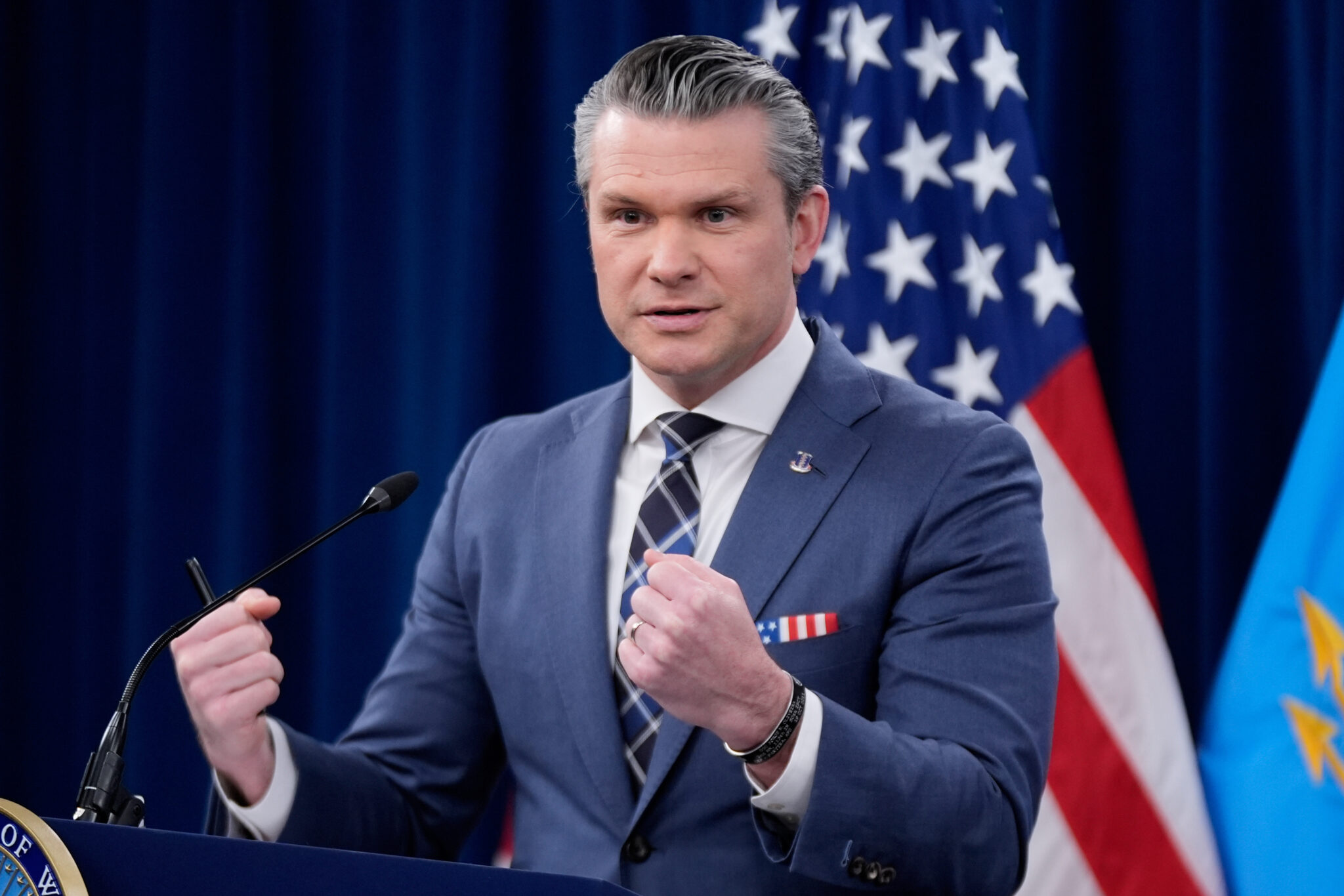
Pete Hegseth’s Christian Rhetoric Faces Sharper Scrutiny Amid Iran War/ Newslooks/ WASHINGTON/ J. Mansour/ Morning Edition/ Defense Secretary Pete Hegseth is facing renewed attention over his Christian rhetoric as the U.S. war with Iran intensifies. Critics say his language risks blurring the line between personal faith and military leadership. The debate now centers on pluralism, religious freedom, and how wartime messaging shapes perceptions at home and abroad.
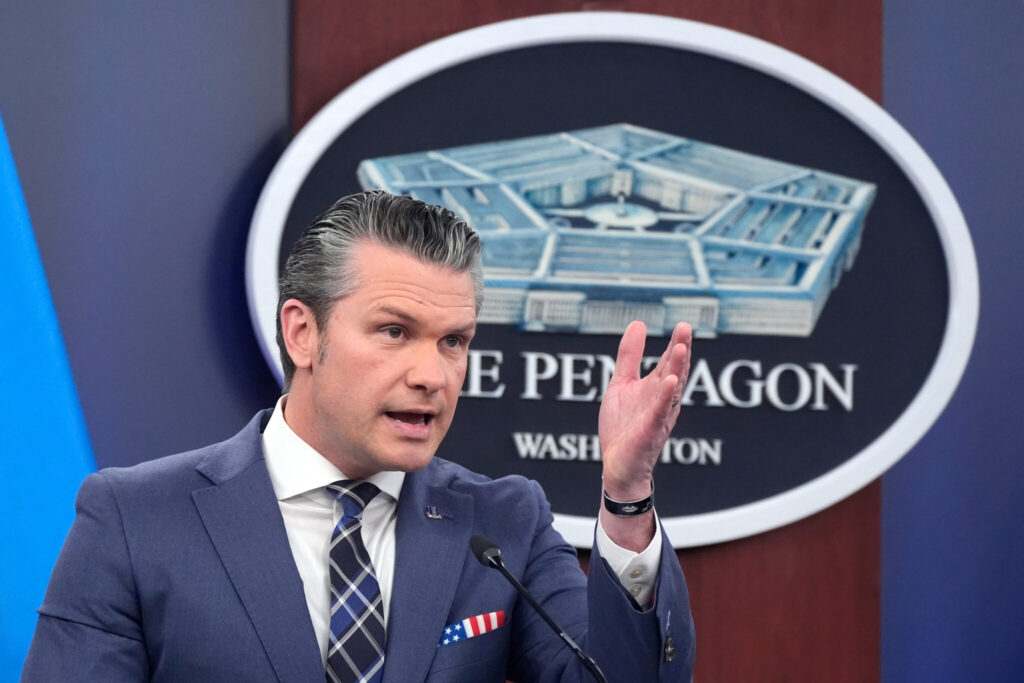
Pete Hegseth Christian rhetoric Quick Looks
- Hegseth has brought overt Christian messaging into Pentagon life.
- He has hosted worship services and used Bible verses in defense-related messaging.
- His rhetoric is drawing sharper scrutiny during the Iran war.
- Critics argue religious language could complicate a conflict involving an Islamic theocracy.
- Questions have also resurfaced over his past praise of Crusader symbolism.
- Unverified claims about biblical prophecy being cited to troops remain disputed.
- Hegseth has also pushed changes aligned with a more conservative religious worldview.
- Supporters see his faith as personal conviction, while critics fear exclusion and sectarian signaling.
Deep Look: Pete Hegseth’s Christian Rhetoric Draws Renewed Scrutiny Amid Iran War
Defense Secretary Pete Hegseth is under renewed scrutiny as the war with Iran deepens, with critics and religious freedom advocates questioning whether his public Christian rhetoric is appropriate for the leader of a military that is both secular in mission and religiously diverse in composition.
Since taking office, Hegseth has made faith a visible part of his leadership style. He has promoted Christian worship inside the Pentagon, incorporated biblical references into public-facing messaging, and repeatedly framed American identity and military service through a distinctly Christian lens. That approach was already controversial before the current conflict. But the war with Iran has given it a new and more volatile context.
The issue is not simply that Hegseth is openly religious. Senior public officials in the United States have long spoken about faith. The concern raised by critics is that Hegseth’s rhetoric appears to move beyond personal belief and toward something more institutional, creating the impression that Christian language is becoming embedded in the culture and public posture of the Pentagon itself.
That concern has intensified because the current war is against Iran, a state defined by its Islamic clerical rule. In that setting, Hegseth’s references to Scripture, his talk of religious fanatics, and the resurfacing of his earlier comments about the Crusades carry extra weight. Critics argue that such language risks feeding the perception that the conflict is civilizational or religious in character, even if the administration insists the war is about security and nuclear threats.
Part of the unease comes from Hegseth’s own history. He has previously spoken favorably about Crusader imagery and used phrases associated with Christian military campaigns of the medieval era. While supporters may see those references as symbolic or cultural, opponents argue they are especially inflammatory when used by a defense secretary overseeing military operations against a Muslim-majority nation.
The debate has also spread to questions about the internal climate of the armed forces. The U.S. military includes Christians, Jews, Muslims, Hindus, Buddhists, atheists, and many others. Its chaplain system and traditions are designed to protect that pluralism while allowing service members to practice their beliefs freely. Critics say that when top leadership consistently speaks in one religious register, it can send a message, intended or not, that some troops are more fully represented than others.
That is why Hegseth’s broader agenda matters here as well. He has supported changes and policy moves that reflect a strongly conservative religious worldview, from cultural battles inside the military to calls for reshaping the chaplain corps. For supporters, this is a correction to what they see as excessive secularism and progressive ideology. For critics, it looks like an effort to redefine military culture around a narrower religious and political identity.
The controversy has been amplified by allegations that commanders may have cited biblical prophecy to troops in connection with the war. Those claims remain unverified, and no clear public evidence has been produced to support them. Even so, their rapid spread shows how sensitive the atmosphere has become. When a defense secretary is already associated with overt religious symbolism, rumors of prophecy language in wartime quickly gain traction.
There is also a strategic dimension. American wartime messaging is not only heard domestically; it is also watched closely abroad. Religious language that resonates with parts of a U.S. political base may be interpreted very differently in the Middle East, where adversaries can use it to reinforce narratives that America is hostile to Islam rather than opposed to specific governments or armed threats. Critics argue that this can make diplomacy harder and propaganda easier for hostile actors.
Supporters of Hegseth would counter that faith has always played a role in American public life and that his religious convictions should not be treated as disqualifying. They may also argue that moral clarity, spiritual resilience, and open belief can strengthen leadership rather than weaken it. But the question raised by this moment is not whether he is allowed to be religious. It is whether the way he expresses that faith from the Pentagon risks narrowing the space for pluralism inside the military and complicating the message the United States sends during war.
With the Iran conflict expanding and public attention intensifying, that question is no longer theoretical. Hegseth’s words now carry the weight of wartime leadership, and that makes the boundary between private faith and public power more consequential than ever.