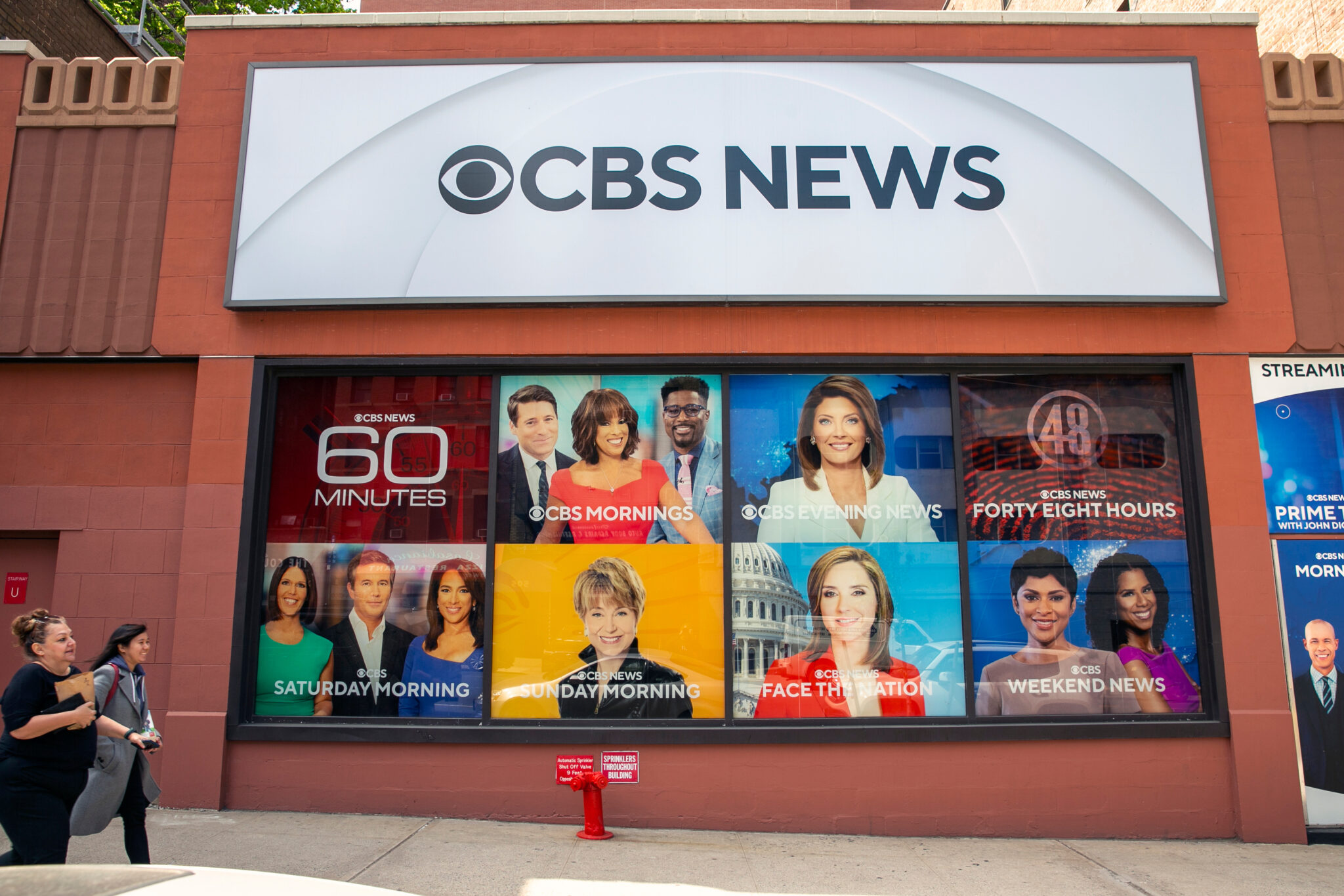
CBS News Ends Radio Service After Nearly A Century/ Newslooks/ WASHINGTON/ J. Mansour/ Morning Edition/ CBS News is shutting down its long-running radio news service after nearly 100 years. The move comes amid layoffs, economic pressure, and changing radio programming strategies. The closure marks the end of a major chapter in American broadcast journalism history.
CBS News Radio shutdown Quick Looks
- CBS News will end its radio news service on May 22.
- The service dates back to 1927 and predates the full network.
- It currently provides content to about 700 stations nationwide.
- The outlet is best known for top-of-the-hour radio newscasts.
- CBS said the closure is tied to economic pressures and programming shifts.
- The shutdown is part of a broader round of layoffs.
- The service played a major role in U.S. broadcast news history.
- The decision comes during a period of major change under CBS News leadership.
Deep Look: CBS News Ends Radio Service After Nearly a Century
CBS News is closing its historic radio news service, bringing to an end one of the oldest and most recognizable institutions in American broadcast journalism. The shutdown, announced as part of a broader round of layoffs, will take effect on May 22 and marks the conclusion of a platform that helped define how generations of Americans received breaking news.
The service dates back to September 1927, making it one of the foundational pieces of the CBS story itself. In many ways, CBS News Radio was not just another division inside the company but an early engine of the larger network. It helped launch the business career of William S. Paley and later became a vital outlet for some of the most important reporting in modern media history.
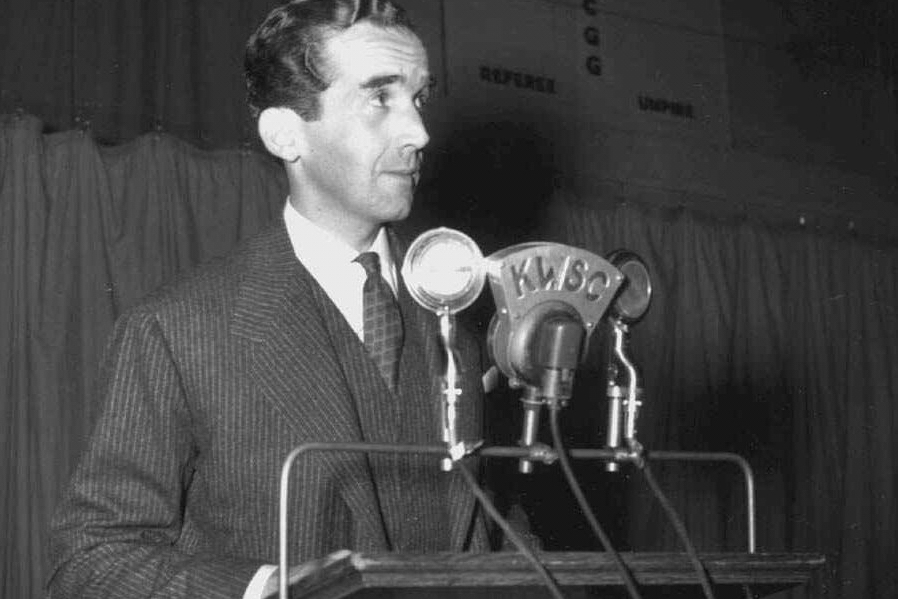
Its legacy includes work by iconic broadcaster Edward R. Murrow, whose reports from London during World War II became part of radio journalism’s golden age. At a time when radio was central to public life, news bulletins and scheduled reports shaped national understanding of war, politics, crisis, and culture. For decades, radio was one of the main ways Americans encountered the world beyond their homes.
That influence has steadily faded over time. First television overtook radio as the dominant mass-news format, and then digital media, smartphones, social platforms, and podcasts transformed how audiences consume audio and breaking information. In today’s media environment, legacy radio news services face pressure not only from declining traditional listenership but also from changing station formats and economics. CBS said the closure reflects both difficult business conditions and changes in how radio stations program content.
Even so, the service remained substantial until the end. CBS News Radio still supplied material to roughly 700 stations around the country and remained especially associated with top-of-the-hour national news updates. That means its closure is not just symbolic. It also removes a longstanding source of packaged broadcast reporting from local radio ecosystems nationwide.
The move arrives during a turbulent period for CBS News leadership. Bari Weiss, the network’s editor-in-chief, and president Tom Cibrowski told staff the decision was necessary, though painful. Weiss has already become one of the most closely watched and divisive figures in network journalism. Since taking the role, she has signaled a desire to shake up editorial strategy, challenge internal assumptions, and move CBS away from what she sees as stale legacy thinking.
That broader leadership context makes the radio shutdown feel like more than an isolated cost-cutting move. It also fits into a larger redefinition of what CBS News wants to be in a fast-changing media landscape. Whether that transformation strengthens the organization or further unsettles it remains an open question, but the end of the radio service is one of the clearest signs yet that the company is willing to cut deeply into its own institutional history.
There is also a larger media story here. The shutdown underscores how legacy news organizations continue to pull back from long-established formats as audience habits evolve. Radio once delivered presidents’ speeches, wartime dispatches, and urgent bulletins into American homes in real time. Now, many listeners get audio news through on-demand streaming and podcasts, often bypassing traditional stations entirely.
For CBS, ending the radio news service closes a chapter that lasted nearly a century. For the industry, it is another reminder that even the most historic media brands are not immune to economic strain and technological change. And for journalism itself, it is the loss of a storied platform that once stood at the center of the national conversation.