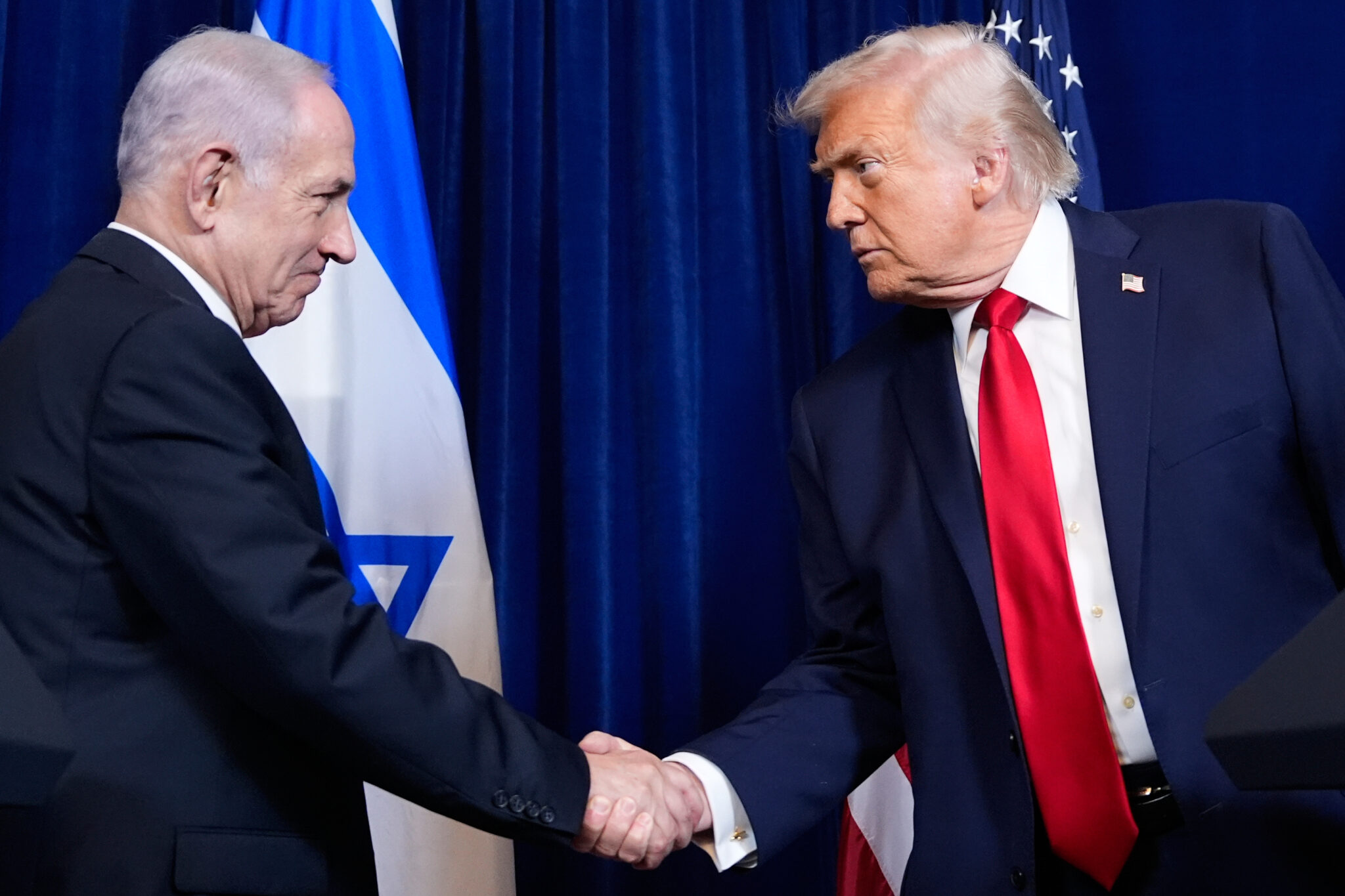
Trump, Netanyahu Split on Iran Gas Field Attack, Raise Questions on Whether They’re in Sync on War/ Newslooks/ WASHINGTON/ J. Mansour/ Morning Edition/ Donald Trump and Benjamin Netanyahu showed rare public differences over Israel’s strike on Iran’s South Pars gas field. The attack triggered broader energy-market turmoil and retaliation against Gulf infrastructure. The disagreement has fueled new questions about whether Washington and Jerusalem remain fully aligned on the war’s goals.
Trump Netanyahu gas field attack Quick Looks
- Trump said he told Netanyahu not to strike the gas field.
- Netanyahu said Israel acted alone but agreed to pause further attacks there.
- The South Pars strike intensified fears around global energy supplies.
- Iran responded by targeting regional energy infrastructure.
- U.S. officials said Washington and Israel have different war objectives.
- Trump has centered his public rationale on stopping Iran from getting a nuclear weapon.
- Netanyahu has cast the war more broadly as a chance to reshape Iran’s leadership.
- The episode raised fresh questions about how the war could end.
Deep Look: Trump, Netanyahu Split on Iran Gas Field Attack, Raise Questions on Whether They’re in Sync on War
A rare public divergence has opened between President Donald Trump and Israeli Prime Minister Benjamin Netanyahu, with both leaders offering noticeably different accounts of Israel’s strike on Iran’s South Pars gas field and, more broadly, signaling that Washington and Jerusalem may not be perfectly aligned on the goals of the war.
The disagreement matters because the South Pars attack was not just another military strike. It hit a critical energy asset tied to the world’s largest natural gas reserve, sent fresh shock waves through already strained global energy markets, and helped trigger Iranian retaliation against infrastructure in Gulf states. In doing so, it created a new test of coordination between the United States and Israel at a sensitive point in the conflict.
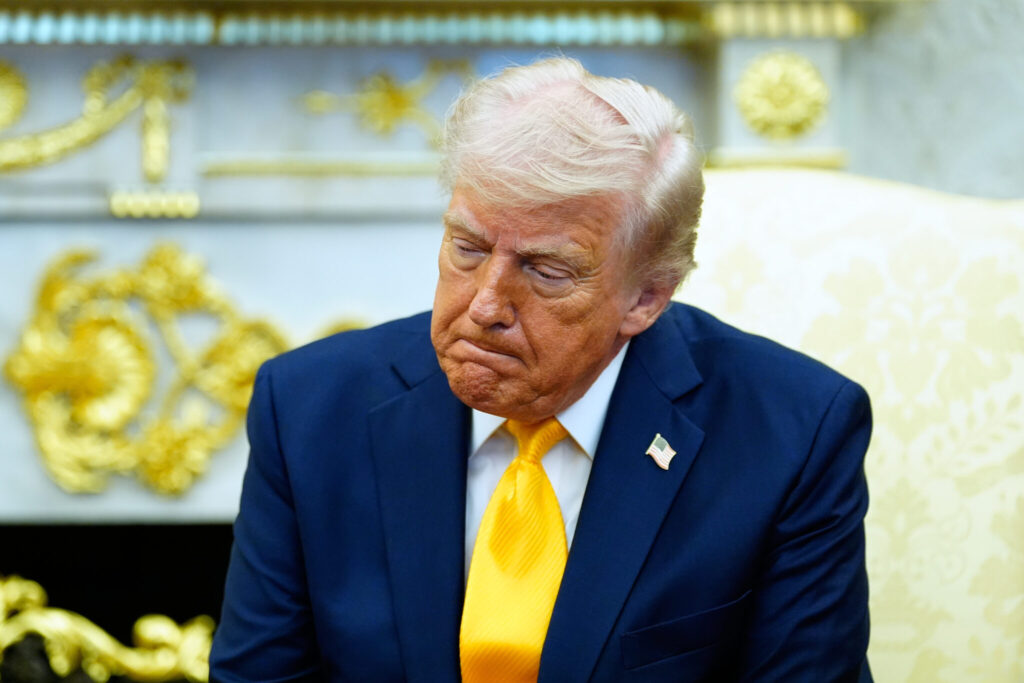
Trump made his position unusually clear. Speaking at the White House, he said he had told Netanyahu not to strike the field and indicated that he did not approve of the move. He added that while the U.S. and Israel are coordinating closely, there are times when Israel acts and he does not agree. That language was striking because Trump has generally projected a united front with Netanyahu since the war began.
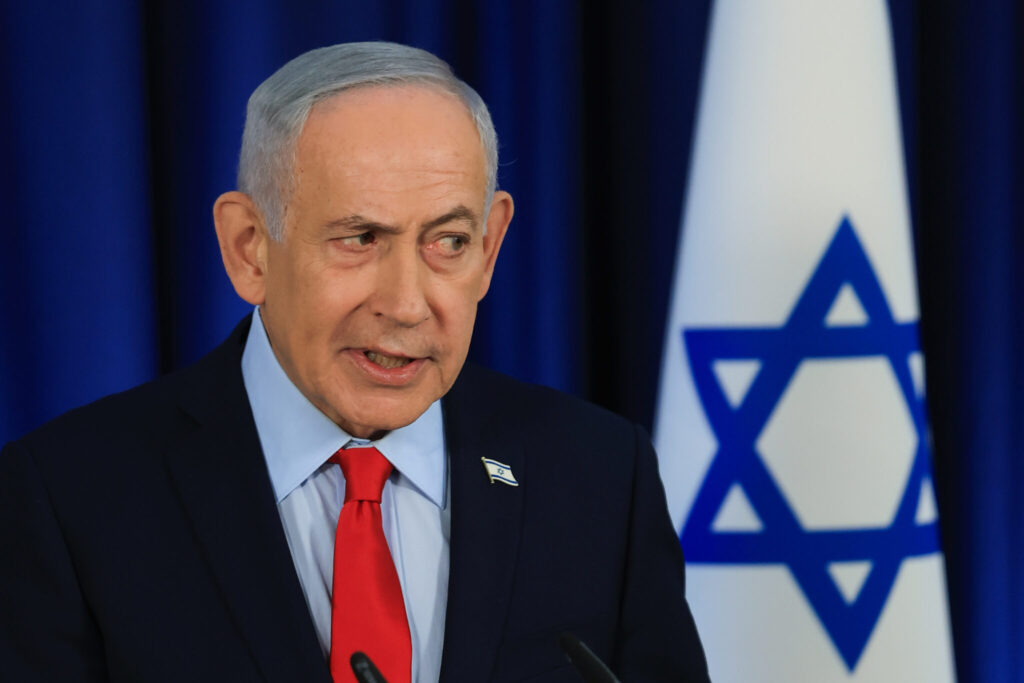
Netanyahu, for his part, said Israel acted alone on the gas field strike but agreed to Trump’s request not to launch further attacks there. At the same time, he downplayed the idea of any meaningful split, emphasizing that he and Trump remain highly coordinated and that the United States is leading while Israel acts as an ally. His response seemed aimed at containing perceptions of discord while preserving Israel’s freedom to pursue broader military goals.
The conflicting messages left an obvious question: are Trump and Netanyahu actually divided, or are they simply managing different audiences and priorities? The answer may be both.
On one level, U.S. and Israeli officials continue to present the alliance as strong. But there are real differences in emphasis. Trump has consistently said his central objective is to ensure Iran never obtains a nuclear weapon. Netanyahu has framed the war more expansively, not only in terms of degrading Iran’s military and nuclear capabilities but also in terms of weakening or even replacing the country’s clerical leadership.
That distinction is significant. A campaign aimed at destroying nuclear and missile capacity can, at least in theory, be narrower and more time-limited. A campaign that seeks political transformation in Tehran opens the door to a much longer, riskier, and less predictable conflict. U.S. intelligence officials have now publicly acknowledged that the two governments are not describing the mission in exactly the same way.
The South Pars strike brought those differences into sharper focus because it touched on an area where U.S. interests are especially sensitive: global energy stability. Israel may view attacks on Iranian economic lifelines as useful pressure. Washington, however, has to weigh the broader market consequences, including oil and gas spikes, inflation risks, and the reaction of Gulf partners whose infrastructure is now under fire. That makes a strike on a gas field different from a strike on a missile base or military compound.
There is also a political dimension inside both countries. Netanyahu appears to have more domestic room to sustain a maximalist campaign, particularly if Israeli public opinion remains supportive. Trump, by contrast, faces the possibility of political backlash if the war drags on, energy prices keep rising, or the U.S. becomes more deeply entangled. That may explain why he has become more cautious in his public comments about regime change and more attentive to limiting the economic fallout.
Even so, the broader alliance remains intact. Trump has backed the campaign, U.S. forces have played a central role, and the two governments are still strategically connected. The disagreement over South Pars does not amount to a rupture. But it does suggest that as the war expands and costs mount, the gap between military coordination and political synchronization may widen.
That could matter most when the time comes to decide how the conflict ends. Israel and the United States may still be fighting on the same side, but they are not necessarily measuring success in exactly the same way. If the war continues, questions about target selection, escalation, and the desired end state are likely to become harder to paper over.