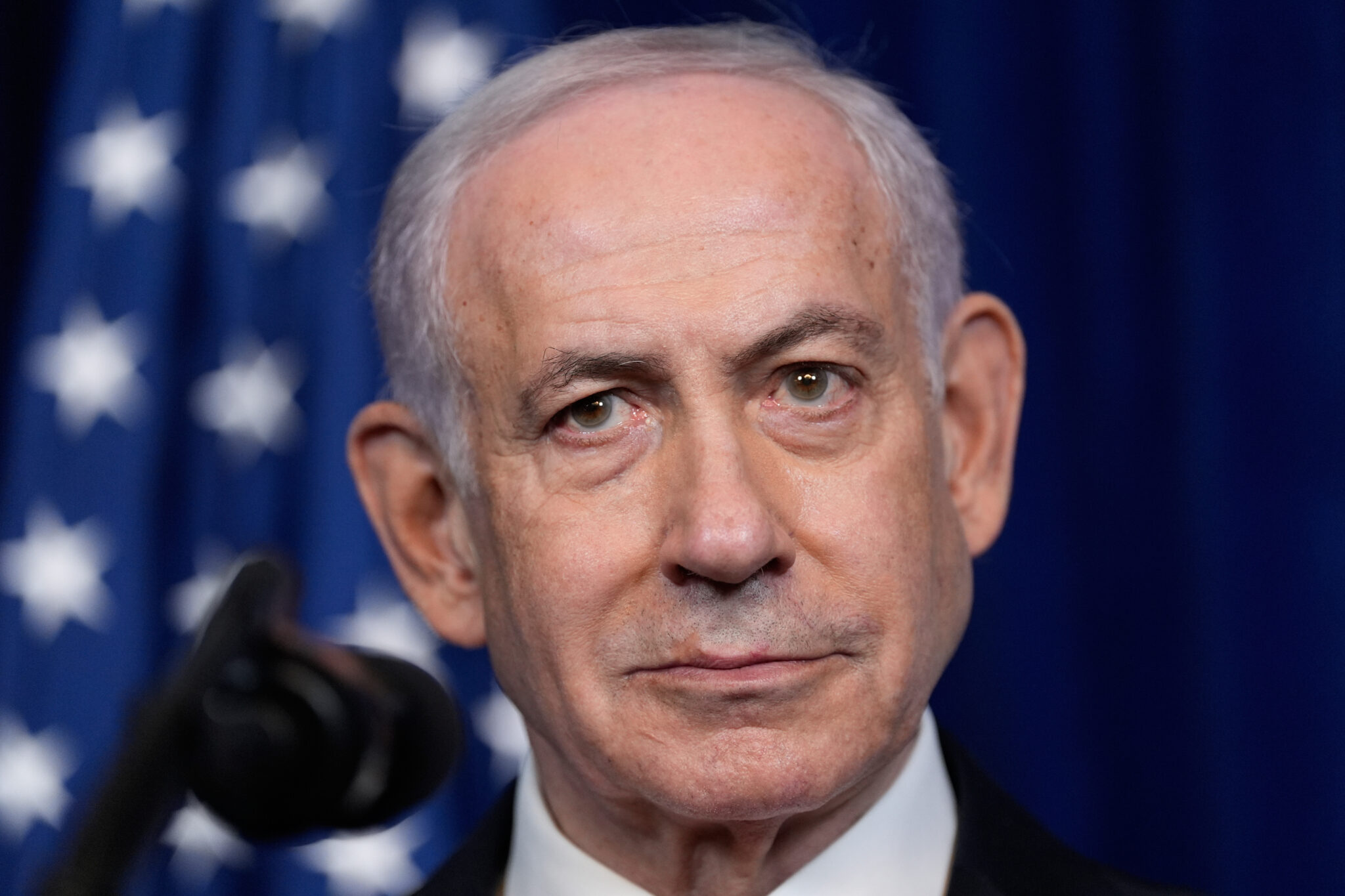
Netanyahu Election Timing Shaped by Iran and Lebanon Wars/ Newslooks/ WASHINGTON/ J. Mansour/ Morning Edition/ Israel’s ongoing wars are shaping Prime Minister Benjamin Netanyahu’s election timing strategy. Military outcomes and public opinion could determine whether elections come early or later. Regional conflicts with Iran and Hezbollah add uncertainty to his political future.
Netanyahu Election Timing War Impact Quick Looks
- Netanyahu must hold elections by October deadline
- Option to call early elections if war success boosts support
- Ongoing Iran conflict weakens chances of early vote
- Hezbollah fighting intensifies pressure on northern Israel
- Polls show strong war support but limited political gains
- Prolonged war risks casualties and voter fatigue
- Possible tensions with U.S. could affect timing decisions
- September seen as optimal election window before holidays
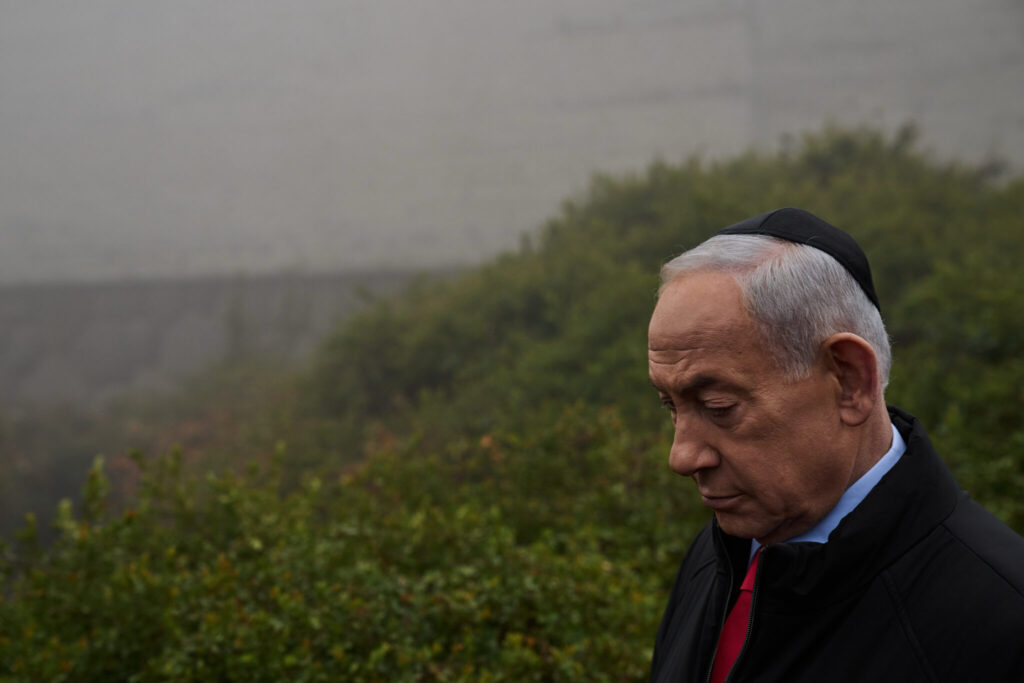
Deep Look: Netanyahu Election Timing Shaped by Iran and Lebanon Wars
As Israel navigates an intensifying multi-front conflict, Prime Minister Benjamin Netanyahu faces a pivotal political decision: when to call the country’s next national election. While the timing is formally dictated by a deadline later this year, the realities of war with Iran and Hezbollah are increasingly influencing the calculation.
Israel is required to hold elections by the end of October, marking the close of the government’s four-year term. However, Netanyahu retains the authority to dissolve his coalition earlier and trigger a vote ahead of schedule—a common practice in Israeli politics. The timing of such a decision could be critical, as it may determine not only his political survival but also how history judges his leadership during one of Israel’s most turbulent periods.
A decisive and swift military victory could provide Netanyahu with a powerful political boost. In such a scenario, he could campaign on a platform of strength, highlighting Israel’s military capabilities and its close coordination with the United States. This would also allow him to frame the war as a turning point that reshaped regional dynamics in Israel’s favor following the devastating Hamas attack in October 2023.
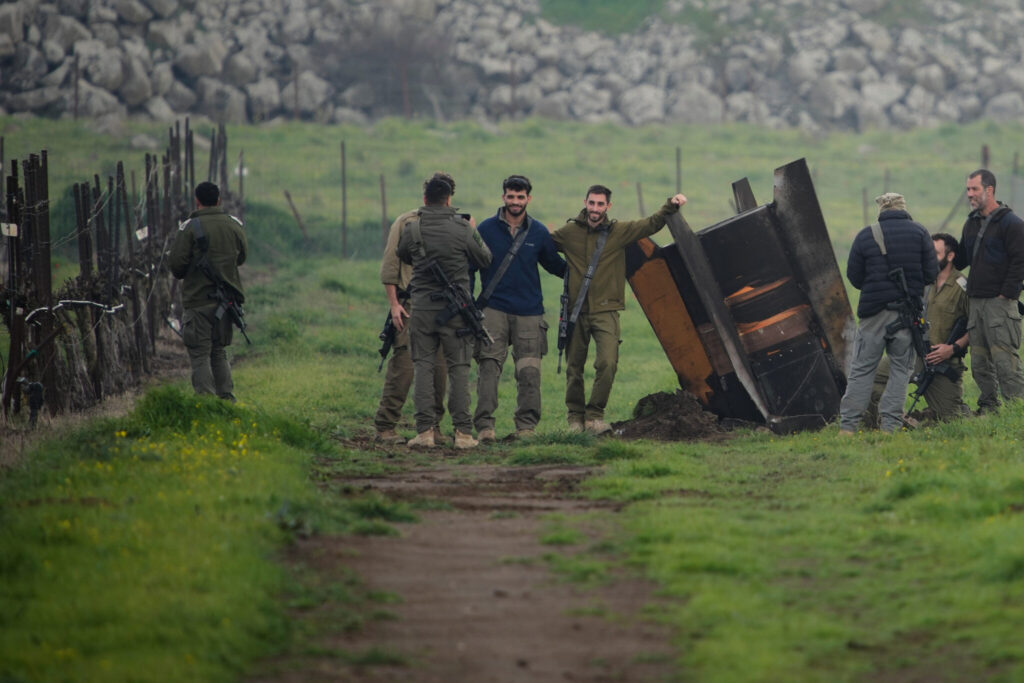
However, that outcome appears increasingly uncertain. Weeks into the conflict, Iran continues to launch missiles into Israel, disrupting daily life and keeping millions of citizens under threat. At the same time, clashes with Hezbollah in Lebanon have escalated, particularly along Israel’s northern border. These ongoing hostilities are straining the public and complicating any narrative of a clear or imminent victory.
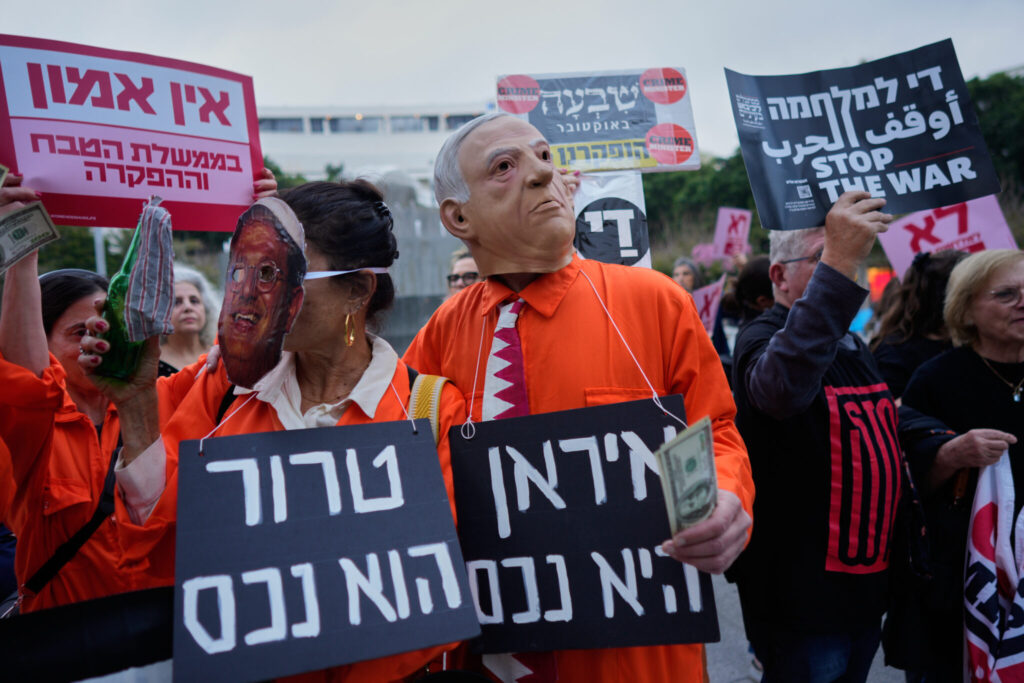
Public opinion reflects this complexity. While there is widespread support among Israelis for the military campaign, polling suggests that Netanyahu and his governing coalition are not seeing a corresponding rise in political support. This disconnect reduces the incentive to call early elections, as the expected political gains from wartime leadership have yet to materialize.
Experts suggest that Netanyahu is likely to delay elections in hopes of improving his standing. By extending the timeline, he may gain additional opportunities to demonstrate progress in the war or shift public perception in his favor. A longer runway could also allow tensions to stabilize or for a clearer outcome to emerge on the battlefield.
Still, prolonging the conflict carries risks. Continued fighting could lead to more casualties and deepen public fatigue, particularly in areas like northern Israel where Hezbollah attacks have intensified. Residents in these regions, including some traditionally supportive of Netanyahu, have expressed frustration over the government’s inability to fully halt the attacks.
International dynamics further complicate the picture. A drawn-out war could strain Israel’s relationship with key allies, including the United States. While cooperation remains strong, differences in strategic priorities or prolonged economic fallout from the conflict could introduce new tensions.
Another factor is timing within Israel’s broader calendar. Analysts point to early September as a potentially optimal window for elections. Holding a vote just before the Jewish holiday season could avoid logistical challenges and minimize overlap with national commemorations. Waiting beyond that period risks pushing the election close to the anniversary of the October 7 attacks—a moment likely to reignite public scrutiny over the government’s handling of the crisis.
Ultimately, Netanyahu’s decision will hinge on a delicate balance between military developments and political strategy. The wars with Iran and Hezbollah are not only shaping regional security but also playing a direct role in determining Israel’s domestic political trajectory.
As the deadline approaches, the prime minister faces a narrowing set of choices. Whether he opts for early elections or waits until the final months of his term, the outcome of the conflicts surrounding Israel may prove just as influential as any campaign message in determining his political future.