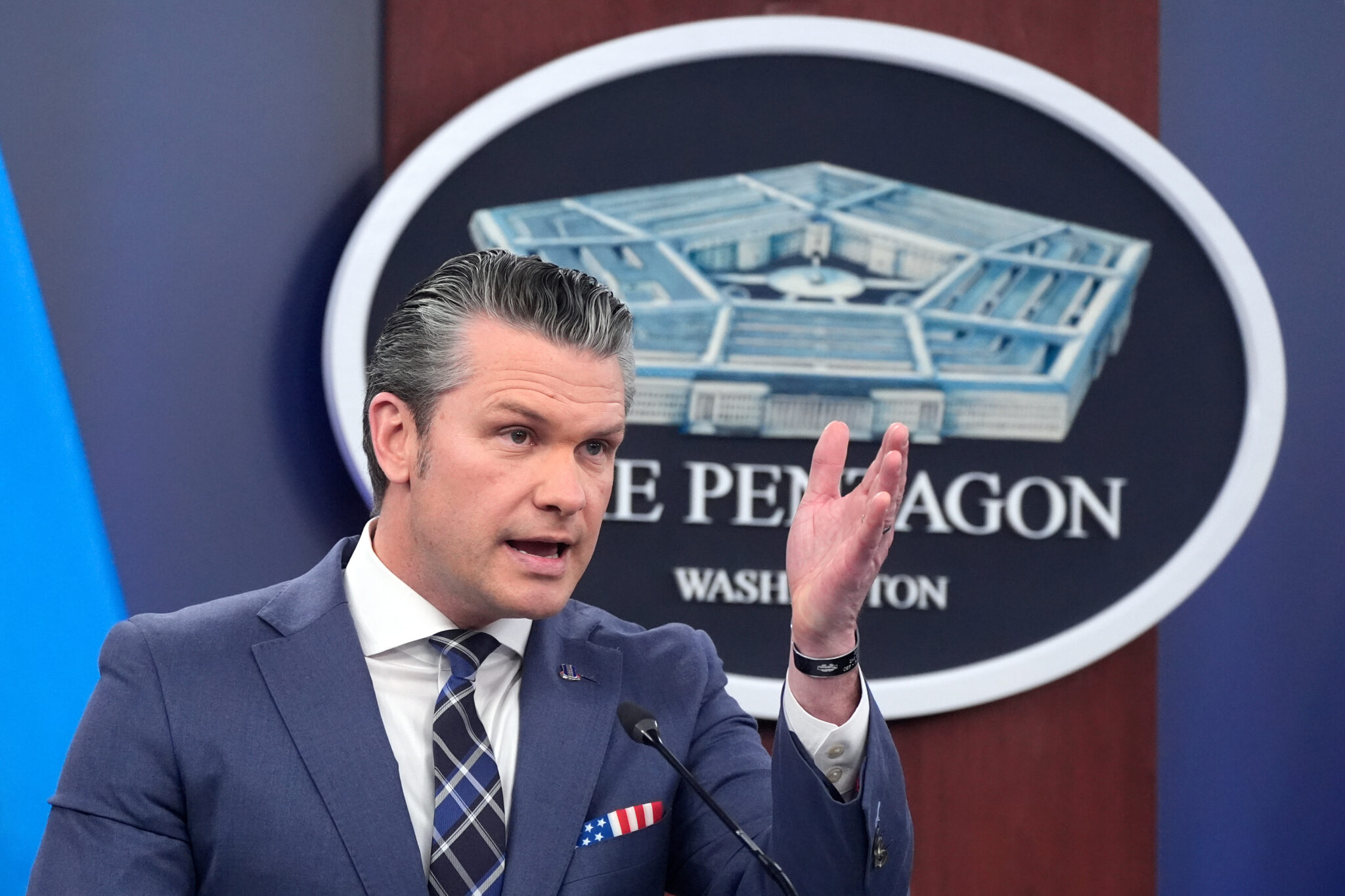
Judge Blocks Pentagon Policy Restricting Reporter Access Rights/ Newslooks/ WASHINGTON/ J. Mansour/ Morning Edition/ A federal judge blocked Pentagon rules limiting journalist access. The court ruled the policy violated free speech and due process rights. The Trump administration plans to appeal the decision.
Pentagon Press Access Ruling Quick Looks
- Judge blocks Pentagon policy restricting reporters
- Rules violate First and Fifth Amendment protections
- New York Times lawsuit led to decision
- Credentials of affected journalists must be restored
- Policy accused of targeting unfavorable media outlets
- Pentagon argues rules protect national security
- Administration plans immediate appeal
- Decision applies broadly to all affected journalists
Deep Look: Judge Blocks Pentagon Policy Restricting Reporter Access Rights
A federal judge has struck down key parts of a Pentagon policy that restricted journalists’ access to military headquarters, delivering a significant victory for press freedom and raising fresh questions about the balance between national security and transparency.
U.S. District Judge Paul Friedman ruled that the Trump administration’s credentialing rules unlawfully limited reporters’ ability to operate inside the Pentagon. The decision came in response to a lawsuit filed by The New York Times, which argued that the policy violated constitutional protections for free speech and due process.
At the center of the case was a requirement that journalists agree to new conditions in order to maintain access to the Pentagon. Several major news organizations declined to accept those terms, leading to the suspension or restriction of their press credentials. The judge found that the policy failed to clearly define what conduct could lead to such penalties, leaving reporters uncertain about how to perform their duties without risking exclusion.
In his ruling, Friedman emphasized the foundational role of a free press in a democratic society. He wrote that limiting access to journalists — especially during times of military conflict — undermines the public’s ability to understand and evaluate government actions. The decision underscored that constitutional protections remain vital even in matters involving national security.
The court ordered the reinstatement of credentials for multiple journalists and indicated that the ruling should apply broadly, not just to those directly involved in the lawsuit. This could lead to wider restoration of access for reporters who had been sidelined under the policy.
The Pentagon defended the rules as necessary safeguards designed to prevent the unauthorized release of sensitive information. Government attorneys argued that the measures were “common sense” protections aimed at ensuring operational security within military facilities.
However, the judge concluded that the policy went beyond legitimate security concerns. He found evidence suggesting that it may have been used to exclude journalists based on viewpoint, effectively favoring outlets more aligned with the administration while limiting access for others. Such actions, he ruled, constitute unconstitutional discrimination against certain forms of speech.
Supporters of the ruling hailed it as a reaffirmation of press freedoms. Representatives for The New York Times said the decision reinforces the principle that journalists must be able to question government actions without fear of retaliation or exclusion. Press advocacy groups also called on the Pentagon to fully comply with the order and restore access to all affected reporters.
The ruling comes at a time of heightened scrutiny over government transparency, particularly as the United States remains engaged in international conflicts. The judge noted that public access to diverse perspectives is especially important during wartime, when decisions carry significant consequences for both national security and global stability.
Despite the court’s decision, the legal battle is far from over. The Pentagon has announced plans to appeal the ruling, signaling that the administration will continue to defend its approach to managing media access.
In the meantime, the decision places immediate pressure on the Defense Department to comply. The judge has required officials to provide a status update on their actions within a week, setting the stage for further legal developments.
The case also highlights broader tensions between government control and journalistic independence. As administrations grapple with how to manage information in an era of rapid communication and heightened political polarization, disputes over press access are likely to remain a recurring issue.
Ultimately, the ruling reinforces a longstanding principle: that a free and independent press is essential to holding power accountable. Whether the Pentagon’s policies will be permanently reshaped or reinstated through appeal remains uncertain, but for now, the court has drawn a clear line in favor of constitutional protections.