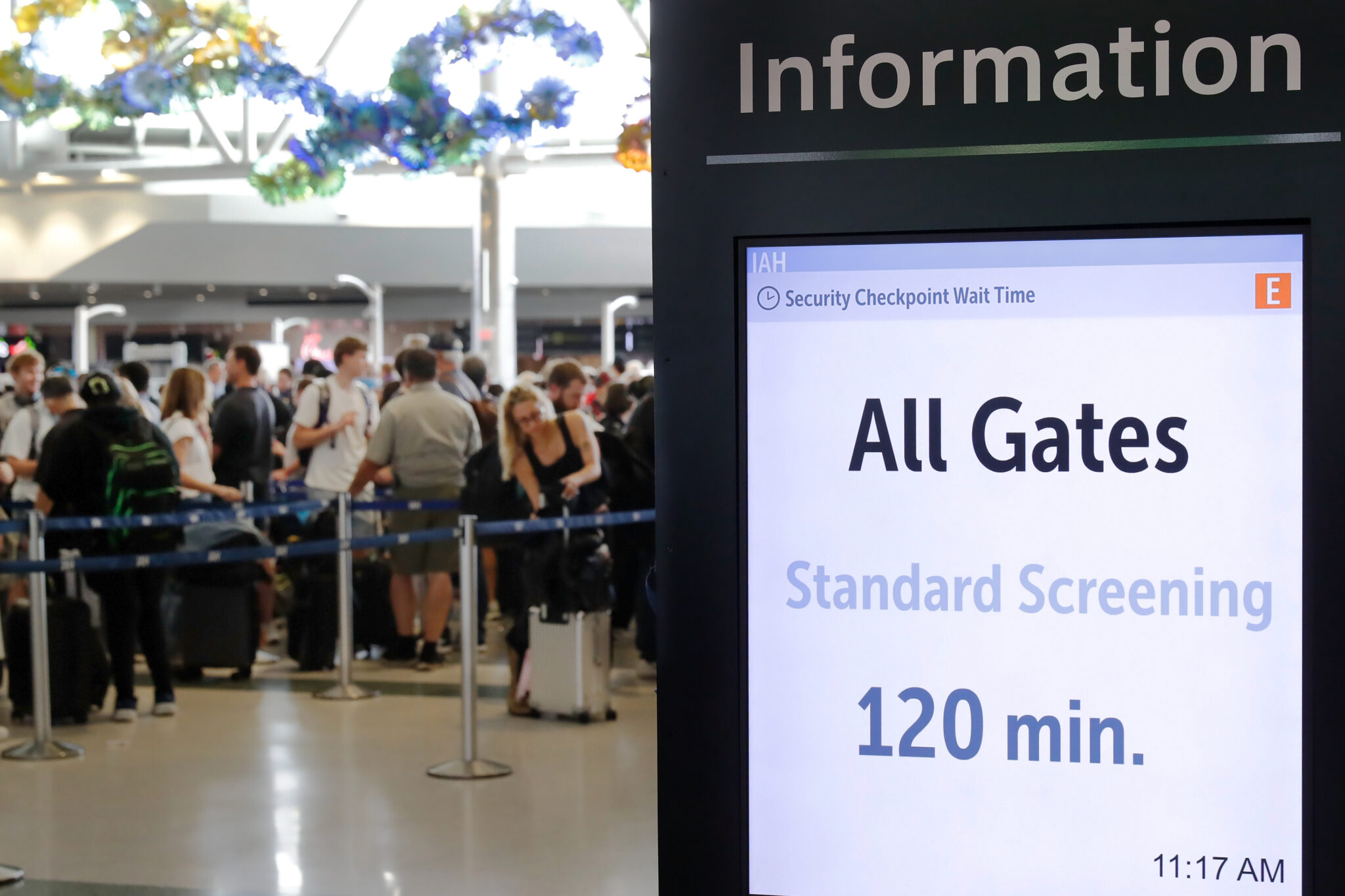
TSA Officers Quit As Shutdown Forces Unpaid Airport Work/ Newslooks/ WASHINGTON/ J. Mansour/ Morning Edition/ TSA officers are quitting as shutdown forces them to work unpaid. Airport delays worsen as staffing shortages increase nationwide. Financial strain on workers highlights deep workforce challenges.
Tsa Shutdown Airport Delays Quick Looks
- Over 376 TSA officers have quit during shutdown
- Workers forced to operate without pay for weeks
- Absentee rates spiking at major U.S. airports
- Travelers facing long security wait times
- Officers dealing with financial hardship and instability
- Lawmakers remain divided on resolving DHS funding
Deep Look: TSA Officers Quit As Shutdown Forces Unpaid Airport Work
A growing number of Transportation Security Administration (TSA) officers are leaving their jobs as a prolonged government funding standoff forces them to work without pay, creating ripple effects across U.S. airports and raising concerns about travel disruptions.
Union leaders and federal officials say TSA workers are facing mounting financial hardships, including eviction threats, repossessed vehicles, empty refrigerators and drained bank accounts. These pressures come as the latest shutdown — the third in less than six months — continues to delay paychecks for thousands of federal employees tasked with screening passengers and luggage.
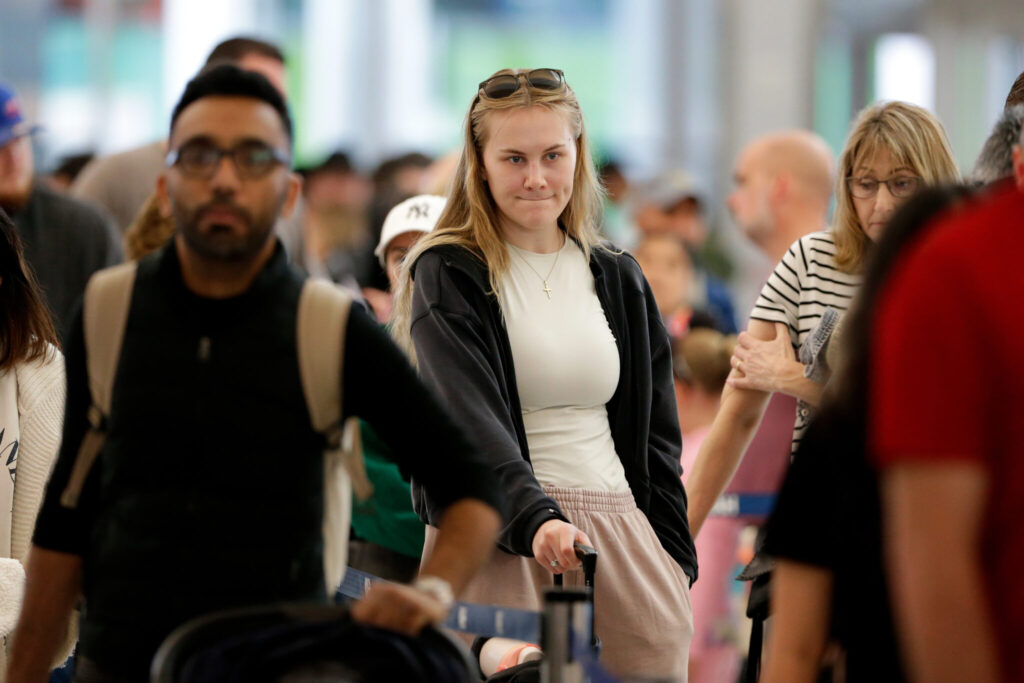
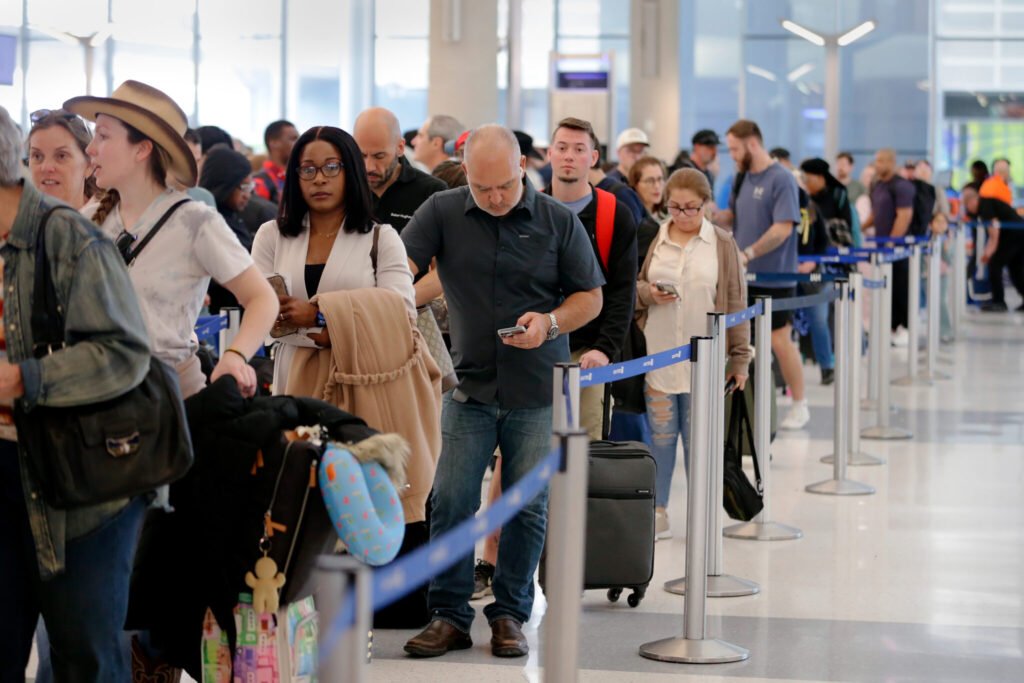
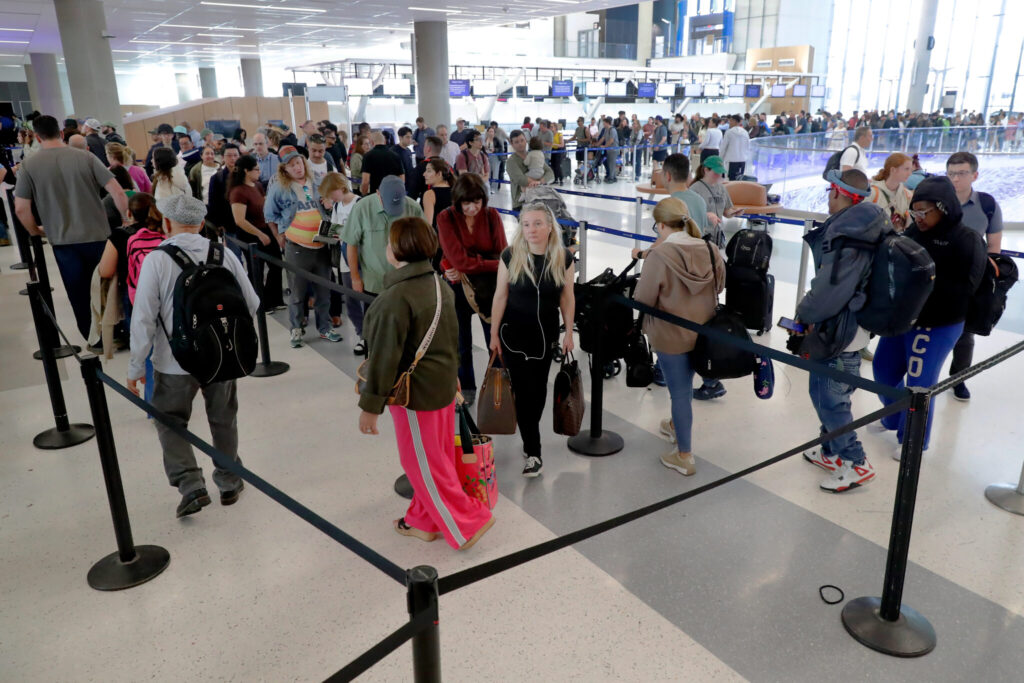
The impact is already visible to travelers. Staffing shortages have led to longer security lines and unpredictable wait times at airports nationwide, as some officers take leave to find supplemental income while others exit the workforce entirely.
Since the shutdown began on Feb. 14, at least 376 TSA employees have resigned, according to federal data. This adds to an agency already struggling with high turnover and low morale, longstanding issues that have persisted for years.
“It’s just exhausting,” said Cameron Cochems, a TSA union leader in Idaho, describing the emotional and financial toll on workers. He noted that the official resignation numbers likely understate the true extent of dissatisfaction, as many employees remain only because of limited job alternatives.
TSA officers have spent nearly half of the past several months without consistent pay due to repeated funding disruptions. In addition to the current shutdown, employees endured a 43-day lapse last fall and a brief interruption earlier this year. Despite these challenges, they are classified as essential workers and must continue reporting to duty regardless of whether they are paid.
The financial strain has been severe for many families. Some workers have turned to food drives organized at airports to make ends meet, while others have taken on additional jobs. For Cochems, the situation worsened after his wife unexpectedly lost her job, leaving the family struggling to cover basic expenses.
The broader workforce issues at TSA are not new. A 2024 Government Accountability Office report found that TSA employees rank among the lowest in morale across the federal government. Contributing factors include relatively low pay, inconsistent management practices and poor work-life balance.
Entry-level TSA officers earn about $34,500 annually, with average salaries ranging from $46,000 to $55,000. While recent pay increases have helped somewhat, dissatisfaction remains widespread.
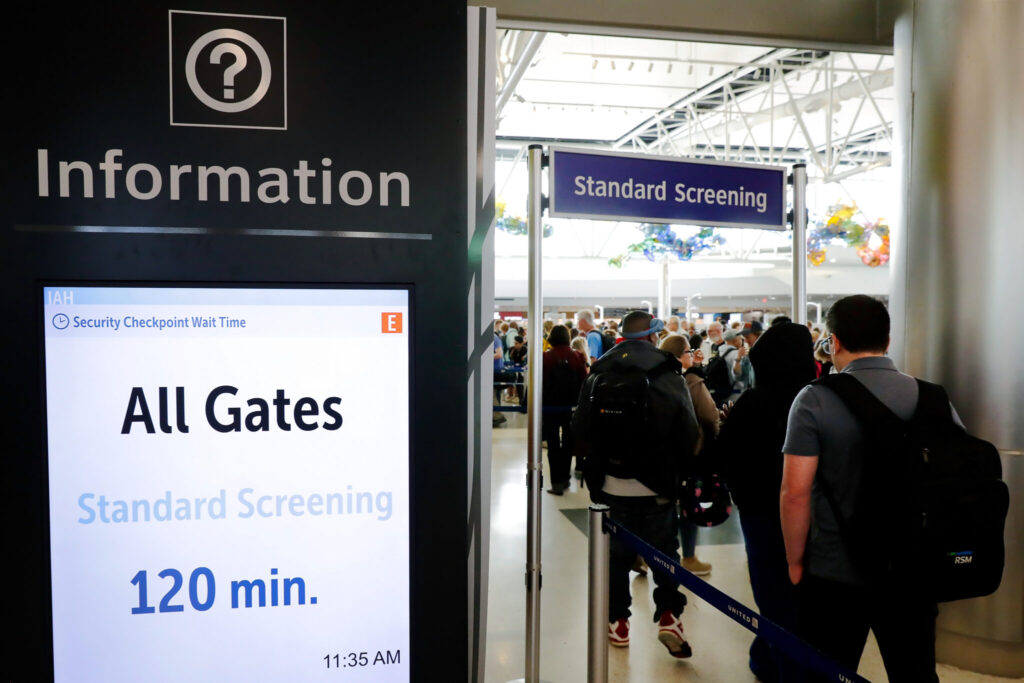
As more officers leave or call out sick, airport operations are becoming increasingly strained. Nationwide absentee rates reached about 10% recently, but were significantly higher at some major hubs. Houston’s George Bush Intercontinental Airport reported absentee rates as high as 33%, while New York’s JFK Airport saw nearly 29% of officers absent. Other airports, including New Orleans and Baltimore-Washington, also reported elevated absence levels.
At Atlanta’s Hartsfield-Jackson International Airport, absentee rates hovered between 32% and 38% during the week, contributing to fluctuating wait times that ranged from minutes to multiple hours.
Passengers have felt the impact firsthand. In cities such as Houston, Atlanta and New Orleans, travelers have reported waiting hours in security lines, sometimes missing flights. Social media posts have shown lines stretching across terminals and into baggage claim areas.
To cope with staffing shortages, some airports have been forced to close security checkpoints, further complicating passenger flow. Wait times can swing dramatically throughout the day, creating uncertainty for travelers trying to plan their departures.
Homeland Security officials warn that the longer the shutdown continues, the worse the situation could become. Acting Deputy TSA Administrator Adam Stahl said attrition rates surged after the previous shutdown and are likely to climb again.
“We’re going to see this get worse, not better,” he warned, emphasizing that restoring funding and pay is critical to stabilizing the workforce.
The current funding impasse stems from disagreements in Congress over immigration enforcement policies tied to the Department of Homeland Security. Democrats have pushed for reforms following fatal incidents involving federal agents, while Republicans have resisted funding the department in parts.
Lawmakers are continuing negotiations, but progress has been slow. With Congress scheduled to recess in early April, there are growing concerns that the shutdown — and its effects on airport security — could drag on even longer.
For TSA workers, the uncertainty is taking a personal and professional toll. Many entered federal service seeking stability, only to find themselves navigating repeated financial disruptions.
For travelers, the consequences are becoming harder to ignore. As staffing shortages deepen and delays increase, the nation’s airport security system is under growing strain — a situation that may persist until a political resolution is reached.