US Pauses Iran Oil Sanctions Amid Rising Prices/ Newslooks/ WASHINGTON/ J. Mansour/ Morning Edition/ U.S. temporarily lifts sanctions on Iranian oil shipments in transit. Move aims to stabilize global oil markets and curb gas prices. Critics warn policy could financially benefit Iran during war.
US Iran Oil Sanctions Quick Looks
- Treasury allows sale of Iranian oil already in transit
- Roughly 140 million barrels covered under authorization
- Policy aimed at lowering surging global oil prices
- Sanctions relief limited to a 30-day window
- Trump administration maintains broader pressure campaign
- Critics say move gives Iran economic breathing room
Deep Look: US Pauses Iran Oil Sanctions Amid Rising Prices
The United States has temporarily eased sanctions on certain Iranian oil shipments in an effort to stabilize global energy markets and ease rising gasoline prices amid the ongoing conflict with Iran.
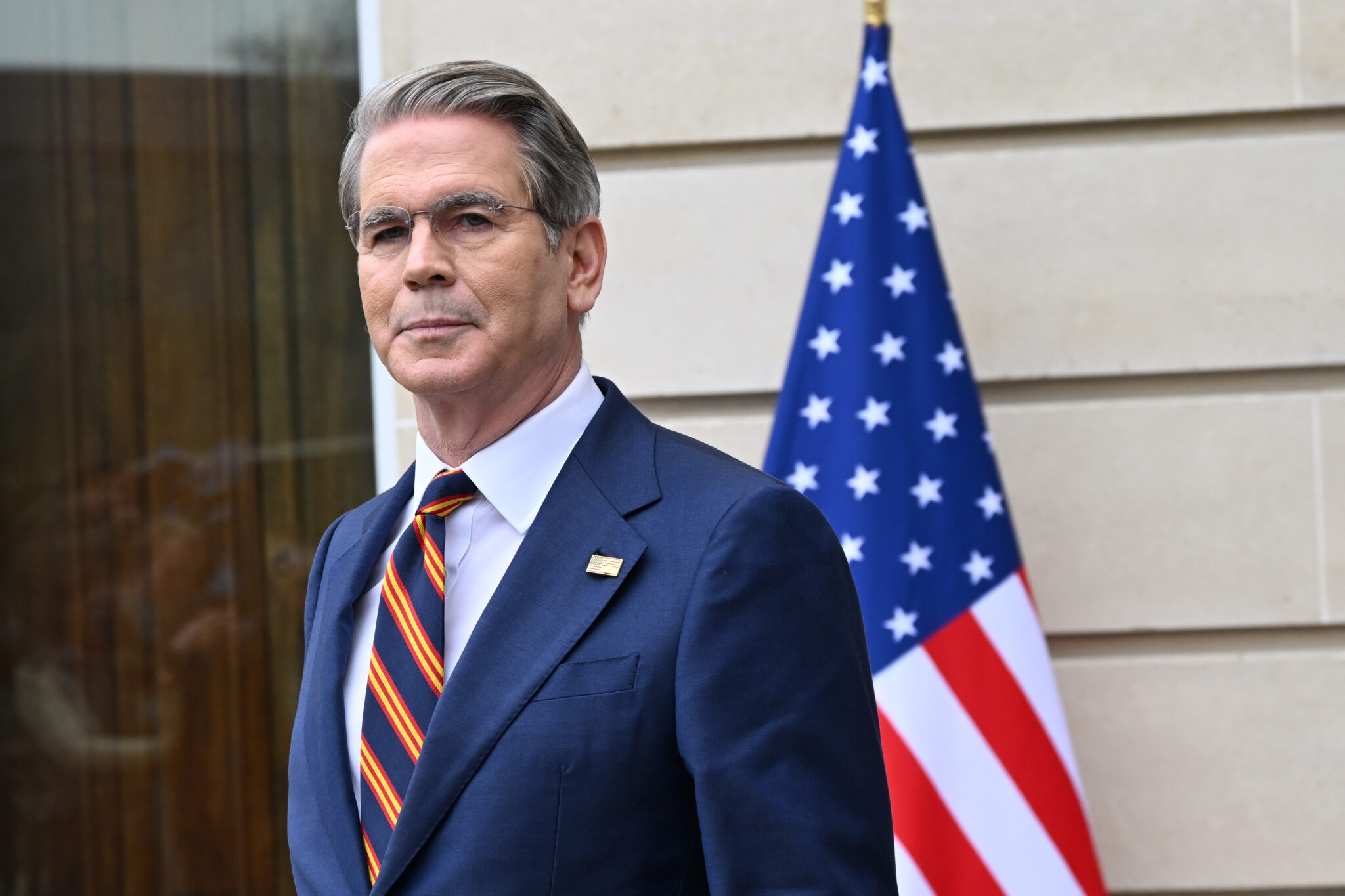
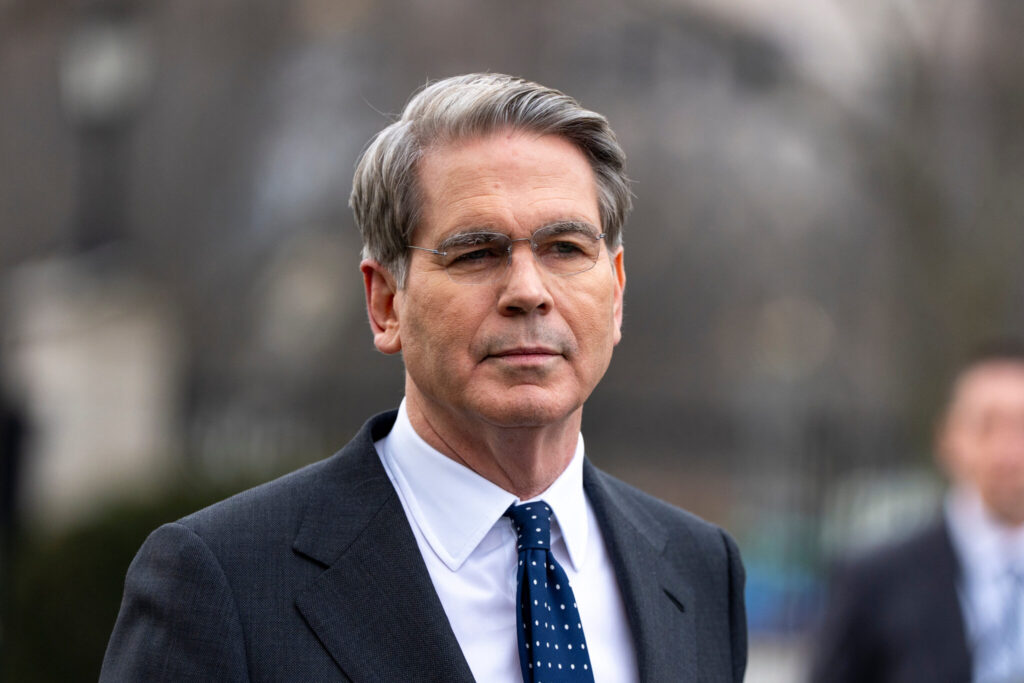
Treasury Secretary Scott Bessent announced that the administration will permit the sale of Iranian oil already in transit, granting a limited authorization designed to address immediate supply disruptions. The move applies to approximately 140 million barrels of crude and is expected to remain in effect for 30 days.
According to Bessent, the decision is intended to counteract short-term volatility in global energy markets triggered by the war, which began three weeks ago following U.S. and Israeli military strikes on Iran. Oil prices have since surged past $100 per barrel, contributing to higher fuel costs for consumers.
In explaining the policy shift, Bessent said the administration is effectively using existing Iranian oil supplies to help stabilize prices without fully lifting economic pressure on Tehran. He emphasized that while the shipments may be sold, Iran is expected to face challenges accessing the resulting revenue due to ongoing financial restrictions.
The announcement marks a notable, though limited, departure from the administration’s broader “maximum pressure” strategy, which has relied heavily on sanctions to weaken Iran’s economy and constrain its global influence.
Energy markets have been particularly volatile since the conflict escalated. Israeli strikes on Iran’s major offshore gas infrastructure and Tehran’s actions to restrict traffic through the Strait of Hormuz — a critical artery for global oil and natural gas shipments — have significantly disrupted supply chains.
The Strait of Hormuz plays a central role in global energy flows, with a substantial portion of the world’s oil passing through the narrow waterway. Iran’s ability to interfere with shipping there has heightened fears of prolonged supply shortages and sustained price increases.
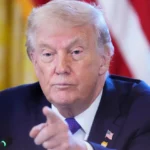
President Donald Trump acknowledged that higher oil prices were an anticipated consequence of the conflict, though he suggested the increases have not been as severe as initially expected. Speaking at the White House, Trump said he had prepared for a sharper spike in prices following the launch of military operations.
Despite the temporary sanctions relief, administration officials maintain that the broader economic campaign against Iran remains intact. Bessent reiterated that the United States will continue efforts to limit Iran’s access to the international financial system and apply pressure on its economy.
He framed the policy as a pragmatic adjustment, arguing that short-term disruptions are necessary to achieve longer-term security and economic stability for the United States.
However, the move has drawn criticism from some lawmakers, particularly Democrats, who argue that easing sanctions — even temporarily — could provide Iran with financial relief at a time when the U.S. is engaged in active conflict.
Sen. Jeanne Shaheen, a senior member of the Senate Foreign Relations Committee, criticized the decision, saying it risks giving Tehran a “financial lifeline” while American consumers continue to face rising costs tied to the war.
The debate underscores the broader tension facing policymakers: balancing the need to maintain economic pressure on Iran with the realities of global energy markets and domestic economic concerns.
As the conflict continues, the administration is navigating a complex landscape in which military objectives, economic stability and geopolitical strategy are increasingly intertwined. The temporary sanctions pause reflects an effort to manage those competing priorities — even as questions remain about its longer-term implications.