Trump Delays Iran Strike Deadline Amid Hormuz Tensions/ Newslooks/ WASHINGTON/ J. Mansour/ Morning Edition/ Trump delays planned strikes on Iran’s power plants by five days. The move signals possible diplomacy but uncertainty remains high. Oil markets react as tensions over Hormuz Strait continue.
Trump Iran Deadline Extension Quick Looks
- Trump delays strike on Iranian power plants for five days
- Extension tied to potential negotiations with Iran
- Iran denies any active talks with the U.S.
- Strait of Hormuz crisis continues impacting global markets
- Threats of retaliation escalate across the region
- Oil prices fluctuate amid geopolitical uncertainty
Deep Look: Trump Delays Iran Strike Deadline Amid Hormuz Tensions
President Donald Trump has postponed a planned U.S. military strike on Iran’s power infrastructure, extending a key deadline by five days as tensions over the Strait of Hormuz continue to rattle global markets and raise fears of wider conflict.
The decision marks a notable shift in tone after days of escalating threats between Washington and Tehran. Trump had previously warned that the U.S. would target Iranian power plants unless Iran reopened the strategic waterway — a vital corridor for global oil shipments — within 48 hours.
Instead, the president announced that the U.S. would temporarily hold off on those strikes, citing what he described as “productive conversations” that could potentially lead to a broader resolution of the conflict.
Speaking publicly, Trump suggested that Iran is interested in reaching an agreement. He said U.S. representatives, including Middle East envoy Steve Witkoff and adviser Jared Kushner, had engaged in discussions that could continue in the coming days. However, he did not identify any Iranian officials involved.
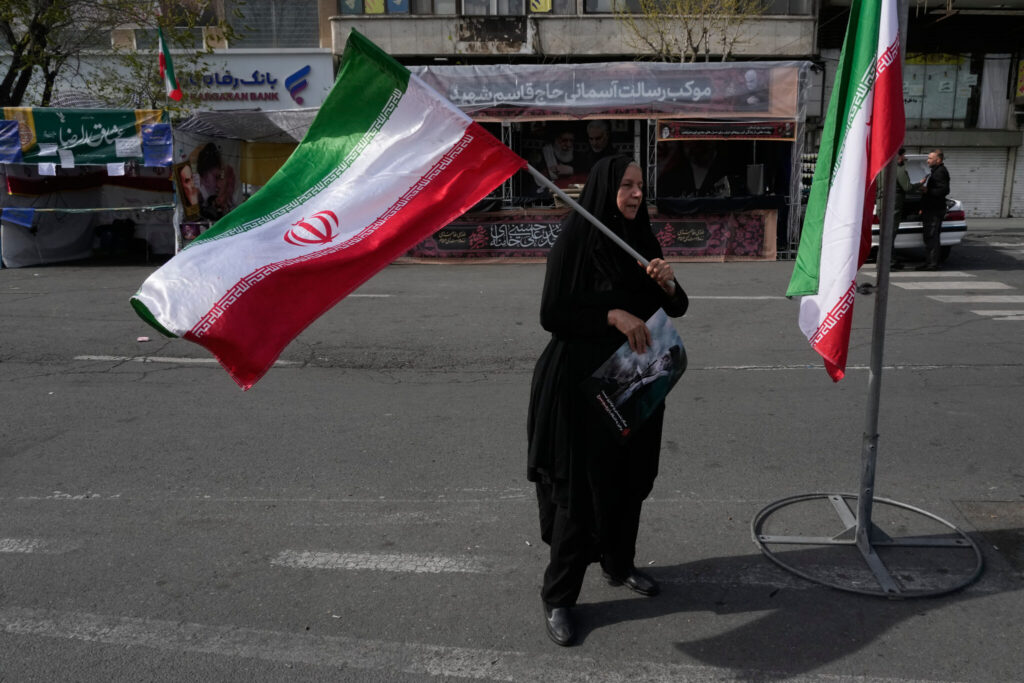
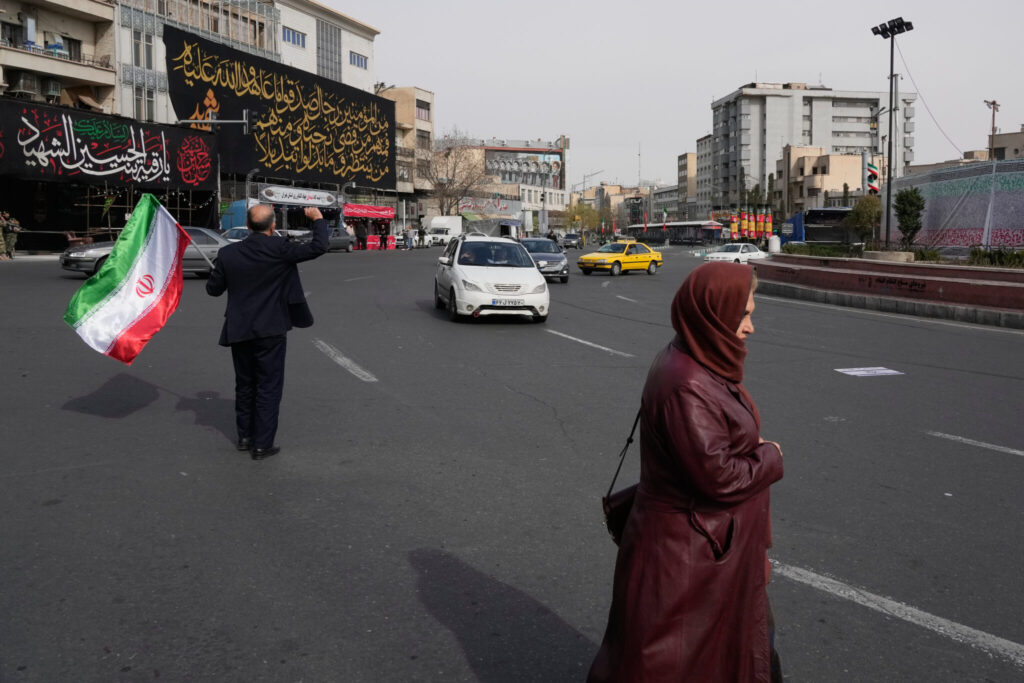
Iranian authorities quickly pushed back, rejecting claims that negotiations were underway. State media portrayed Trump’s decision as a retreat in the face of Iranian warnings, underscoring the deep mistrust between the two sides.
The delay comes as the war enters its fourth week, with devastating consequences already unfolding across the region. Thousands have been killed, including high-ranking Iranian leaders, and critical infrastructure — particularly in the energy sector — has been heavily damaged.
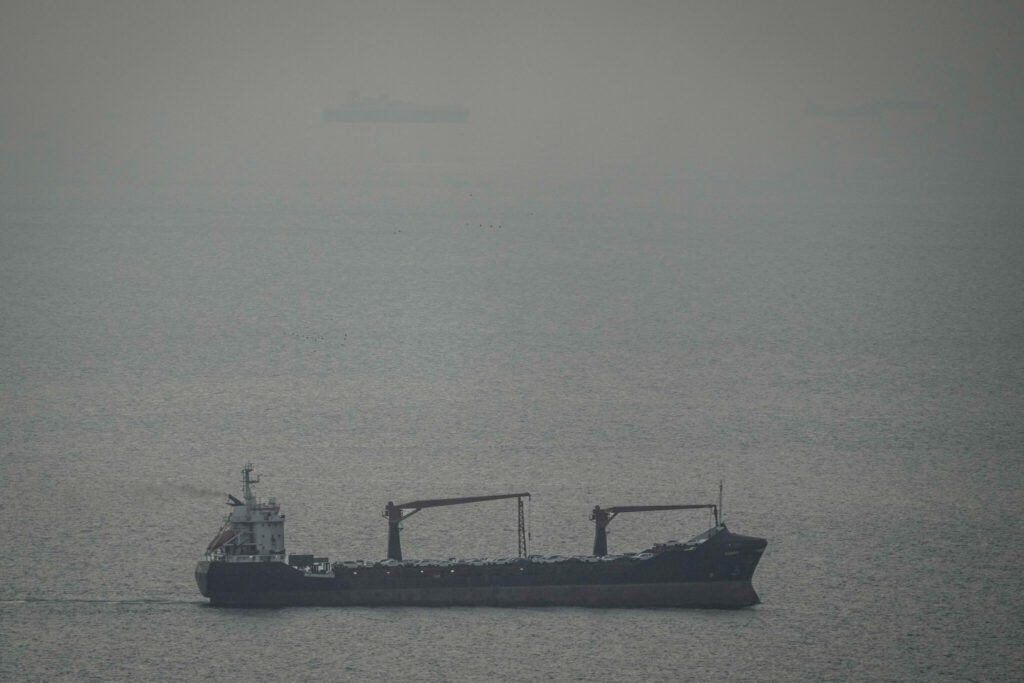
The conflict has also triggered significant economic fallout. Iran’s effective blockade of the Strait of Hormuz has disrupted a major share of global oil shipments, sending energy prices soaring and increasing costs for consumers worldwide. Markets reacted immediately to Trump’s announcement, with oil prices dropping after initially remaining elevated.
Despite the temporary pause, the risk of escalation remains high. Iranian officials warned that any attack on their energy infrastructure would prompt widespread retaliation, including strikes on facilities supplying electricity to U.S. bases and key industrial sites across the region.
Tehran has also signaled it could target desalination plants and other critical infrastructure in Gulf countries — facilities essential for drinking water in arid regions. Additionally, Iranian military leaders warned that any attempt to attack coastal areas or islands could lead to the mining of key maritime routes, further threatening global shipping.
Meanwhile, the U.S. has continued to build its military presence in the region, deploying additional warships and Marines. While Trump has publicly stated he does not intend to send ground troops into Iran, he has also emphasized that all options remain on the table.
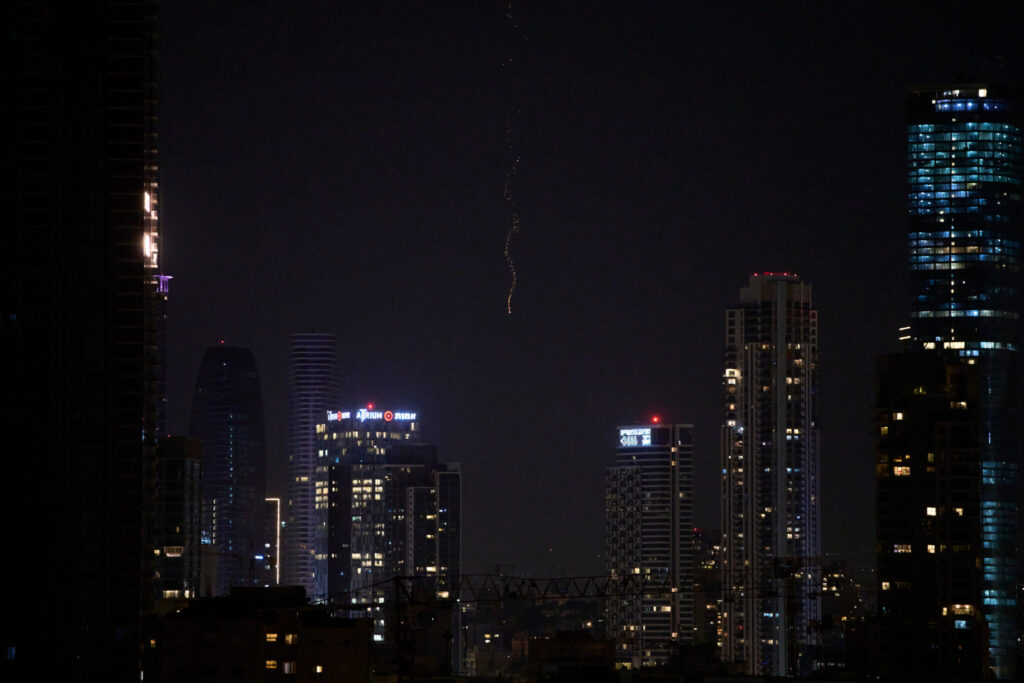
The situation is further complicated by Israel’s ongoing military campaign. Israeli forces have launched fresh strikes in Tehran and expanded operations into Lebanon, targeting Hezbollah positions. The widening scope of attacks has raised concerns among regional leaders about a broader war engulfing multiple countries.
Diplomatic efforts are also underway behind the scenes. Countries like Turkey and Egypt have attempted to mediate, urging de-escalation and dialogue. However, no clear pathway to a ceasefire has emerged.
Energy experts warn that the longer the Strait of Hormuz remains disrupted, the greater the risk to the global economy. The waterway typically handles a significant portion of the world’s oil and gas supply, making it a critical chokepoint for international trade.
While Trump’s decision to delay strikes offers a brief window for diplomacy, it also highlights the difficult balancing act facing the administration. Military action could reopen the strait but risks triggering a broader and more destructive conflict. On the other hand, stepping back without resolving the crisis could leave global markets vulnerable and U.S. allies exposed.
For now, the situation remains fluid. The coming days will be critical in determining whether the pause leads to meaningful negotiations — or simply delays another escalation in an already volatile conflict.