Supreme Court Reviews Mail Ballot Deadlines Before Midterms, a Trump Target/ Newslooks/ WASHINGTON/ J. Mansour/ Morning Edition/ The Supreme Court signaled skepticism toward late-arriving mail ballots. The case could impact voting laws across multiple states. A ruling is expected before the 2026 midterm elections.
Supreme Court Mail Ballots Quick Looks
- Case challenges counting ballots arriving after Election Day
- Could affect 13 states and Washington, D.C.
- Conservative justices question fraud risks
- Liberal justices favor state authority over election rules
- Decision expected by June ahead of midterms
- Issue tied to broader debate over mail-in voting
Deep Look: Supreme Court Reviews Mail Ballot Deadlines Before Midterms, a Trump Target
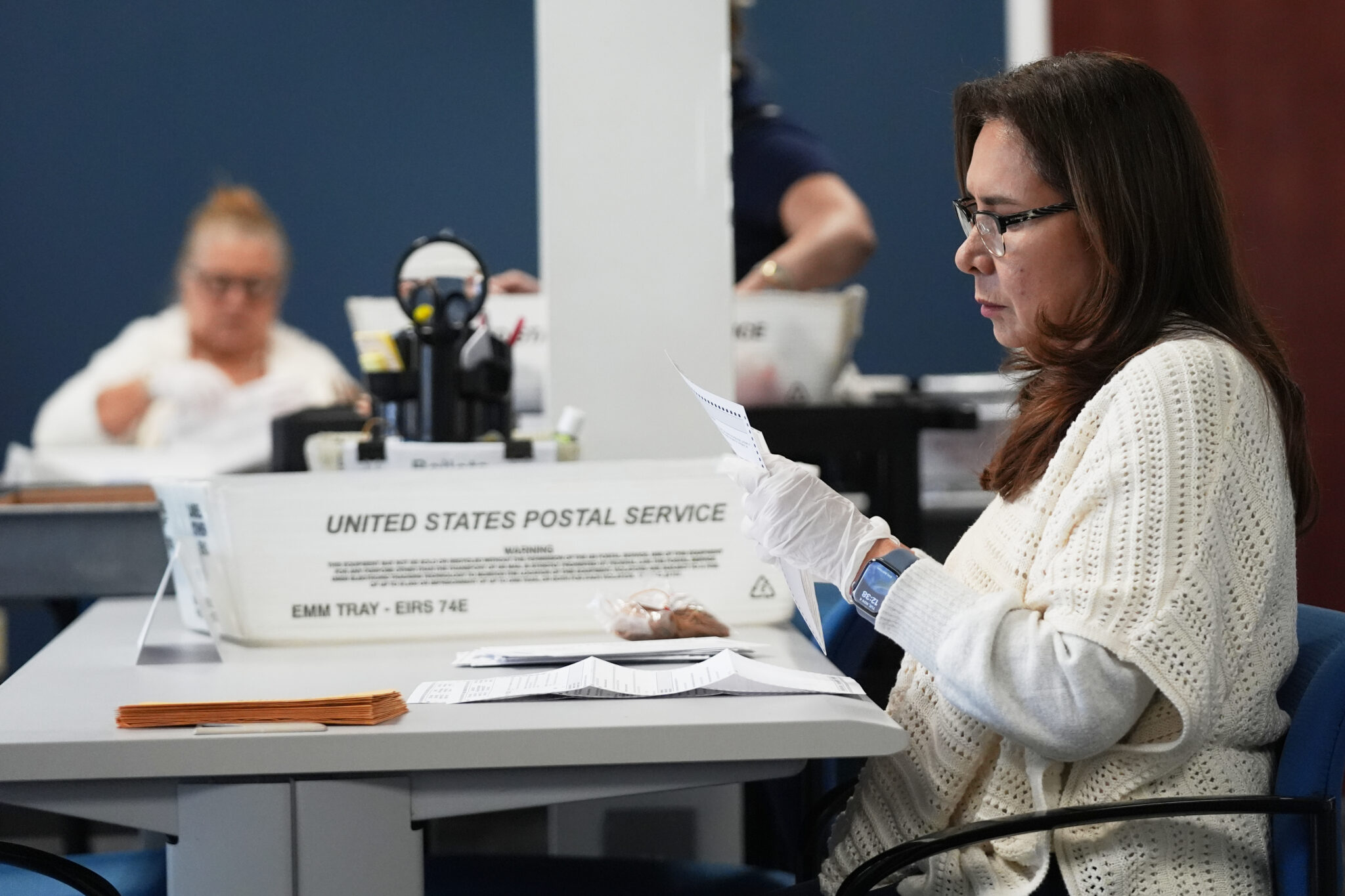
The U.S. Supreme Court appeared divided Monday as it heard arguments over whether states can count mail-in ballots that arrive after Election Day, even if they were sent on time — a practice long criticized by President Donald Trump.
During oral arguments in a case originating from Mississippi, several members of the court’s conservative majority expressed concern about laws that allow ballots to be counted days after an election. Their questions suggested a willingness to limit or potentially eliminate such grace periods, which are currently used in multiple states.
The case carries wide-reaching implications. A ruling against Mississippi’s law could affect voting procedures in at least 13 other states and Washington, D.C., where similar policies permit late-arriving ballots to be counted if they are postmarked by Election Day. Additional states that provide extended deadlines for military and overseas voters could also face changes.
At the heart of the dispute is whether federal law requires ballots not only to be cast by Election Day but also to be received by that date. Lower courts have been split on the issue, and the Supreme Court’s decision — expected by late June — is likely to set a nationwide precedent just months before the 2026 midterm elections.
Conservative justices echoed concerns frequently raised by Trump and his allies about the potential for fraud or the perception of irregularities tied to late-counted ballots. Justice Samuel Alito, for example, questioned scenarios where a large number of ballots arriving after Election Day could dramatically alter election outcomes, raising doubts about public confidence in the results.
However, attorneys defending Mississippi’s law pushed back, noting that no evidence has been presented showing that such policies have led to fraud. Mississippi Solicitor General Scott Stewart emphasized that despite years of criticism, no documented cases have demonstrated that late-arriving ballots have compromised election integrity.
The court’s liberal justices appeared more inclined to uphold the current system, arguing that states should retain flexibility in managing elections. Justice Sonia Sotomayor suggested that decisions about ballot deadlines should be made by lawmakers rather than courts, highlighting concerns about federal overreach.
Election officials from various states and major cities also warned that changing long-standing rules so close to an election could create confusion and potentially disenfranchise voters. In written submissions to the court, they argued that established systems for handling mail ballots have functioned effectively for years and should not be disrupted without careful consideration.
States such as California, Texas, New York and Illinois currently allow ballots to be counted after Election Day if they meet certain requirements. In geographically challenging areas like Alaska, extended deadlines are often necessary due to logistical hurdles such as distance and weather.
The legal challenge is backed by Republican and Libertarian groups, along with the Trump administration, which are seeking to uphold a lower court ruling that struck down Mississippi’s five-day grace period for counting ballots. That ruling, issued by the 5th U.S. Circuit Court of Appeals, concluded that federal law requires ballots to be received by Election Day.
The appellate decision was authored by Judge Andrew Oldham and joined by Judges James Ho and Stuart Kyle Duncan, all of whom were appointed during Trump’s first term.
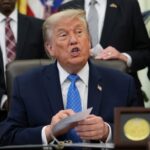
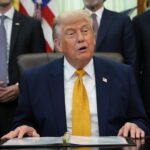
The broader political context adds to the case’s significance. Trump has repeatedly criticized mail-in voting, arguing it increases the risk of fraud — a claim that election experts and numerous studies have consistently disputed. Last year, he signed an executive order aimed at requiring ballots to be both cast and received by Election Day, though that order has been blocked in ongoing legal challenges.
Meanwhile, several Republican-led states, including Ohio, Kansas, North Dakota and Utah, have already eliminated grace periods for mail ballots, signaling a broader shift in election policy.
As the Supreme Court weighs its decision, the outcome could reshape how millions of Americans vote — and how their ballots are counted — in future elections.