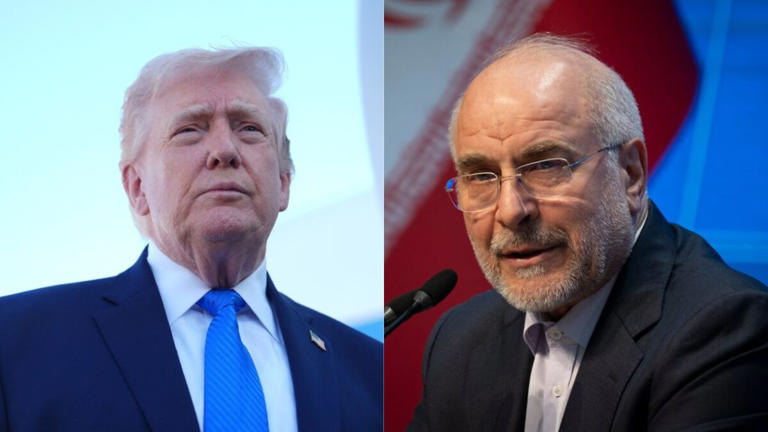
Trump: US is Talking to ‘Top Person’ in Iran, as ‘Major Points of Agreement’ Reached/ Newslooks/ WASHINGTON/ J. Mansour/ Morning Edition/ Trump says U.S. is negotiating with a senior Iranian official. Iran denies talks despite reports of indirect mediation efforts. Diplomatic signals ease tensions and stabilize global markets.
US Iran Negotiations Quick Looks
- Trump says talks underway with senior Iranian figure
- Iran denies direct negotiations with the U.S.
- Mediators include Turkey, Egypt and Pakistan
- Possible in-person meeting under discussion
- Talks focus on ending war and easing tensions
- Markets react positively to signs of diplomacy
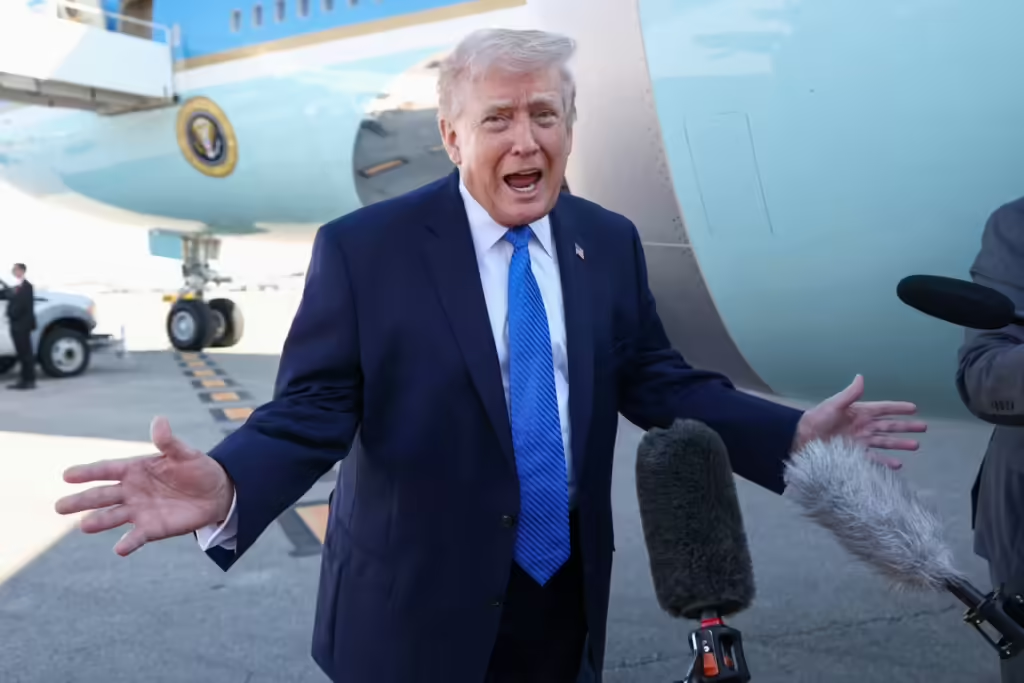
Deep Look: Trump: US is Talking to ‘Top Person’ in Iran, as ‘Major Points of Agreement’ Reached
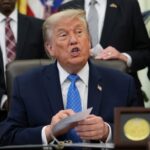
President Donald Trump said the United States is engaged in negotiations with a high-ranking Iranian official, suggesting that both sides may be nearing agreement on key issues as efforts intensify to de-escalate the ongoing conflict.
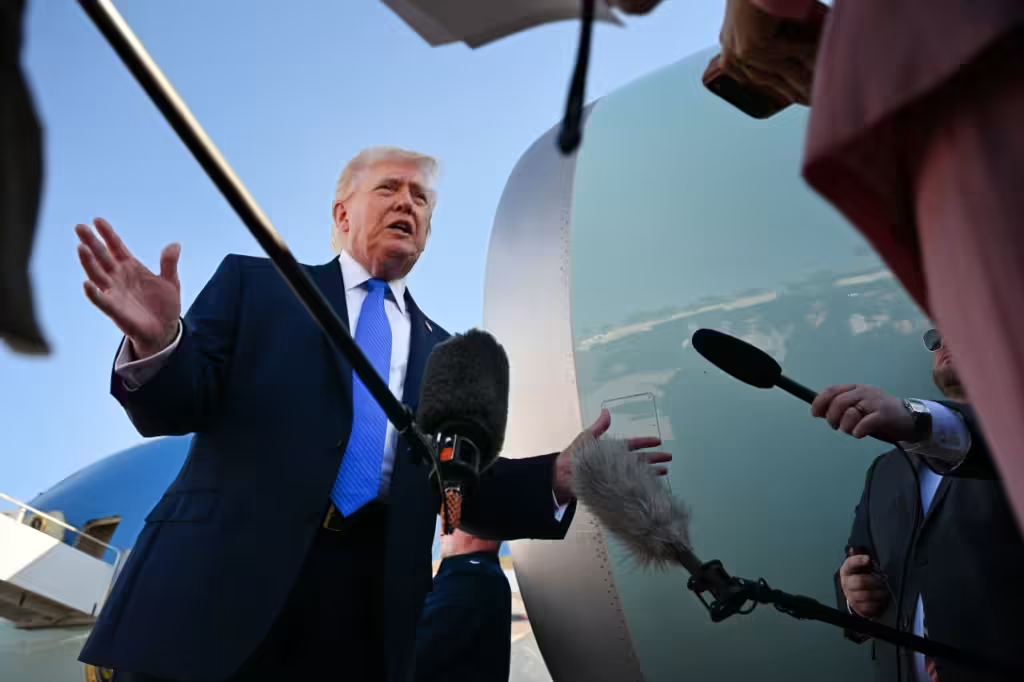
Speaking to reporters and in public statements, Trump indicated that his envoys — including Steve Witkoff and Jared Kushner — have been in communication with a senior figure within Iran’s leadership. While Trump declined to identify the individual, he described the person as highly respected and influential, though not Iran’s supreme leader.
According to Trump, the discussions have been productive, with both sides aligned on several major points. He expressed optimism that the negotiations could lead to a broader agreement aimed at ending hostilities in the Middle East.
“We are dealing with someone who represents the leadership,” Trump said, adding that talks are expected to continue and could potentially lead to an in-person meeting in the coming days.
Despite these claims, Iranian officials have pushed back, denying that direct negotiations with the United States have taken place. Iran’s foreign ministry acknowledged that regional efforts to reduce tensions are ongoing but rejected Trump’s characterization of active bilateral talks.
Behind the scenes, however, multiple reports suggest that indirect communication channels are active. Mediators from Turkey, Egypt and Pakistan have reportedly been relaying messages between Washington and Tehran, helping to bridge gaps and explore potential terms for de-escalation.
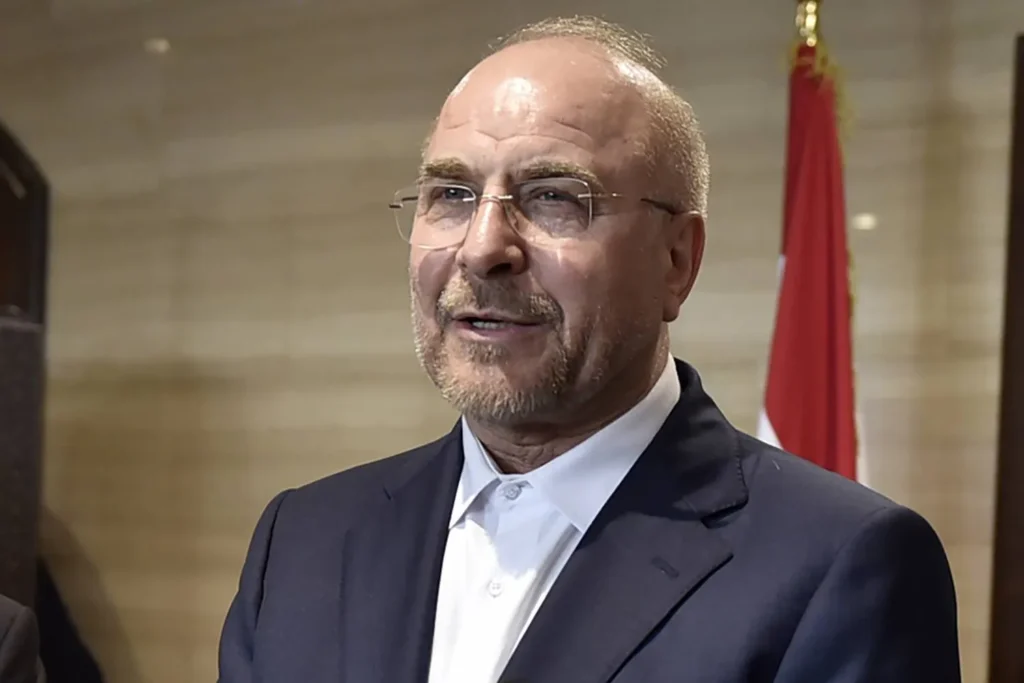
One name emerging in reports is Mohammad Bagher Ghalibaf, the speaker of Iran’s parliament and a prominent figure within the country’s political and military establishment. While Ghalibaf has denied direct involvement in talks, sources indicate he may play a key role given his influence and proximity to Iran’s leadership.
The mediation efforts are focused on laying the groundwork for more formal negotiations. According to sources familiar with the discussions, both sides signaled readiness to engage over the weekend, driven in part by mounting pressure from global markets and rising energy prices.
The stakes are high. Trump recently issued an ultimatum demanding that Iran reopen the Strait of Hormuz — a critical shipping route for global energy supplies — or face major military action. Iran responded with threats of its own, warning it could target energy infrastructure across the region.
These escalating tensions rattled financial markets, pushing oil prices higher and raising fears of a broader economic crisis. However, Trump’s subsequent decision to delay potential strikes — combined with reports of diplomatic progress — helped stabilize markets, with oil prices falling and stock futures rebounding.
Trump has also outlined what he claims are potential areas of agreement under discussion. These include Iran stepping back from nuclear ambitions, limiting missile activity and reopening the Strait of Hormuz. He suggested that if such commitments are fulfilled, they could pave the way for ending the conflict.
“If this happens, it could be the beginning of rebuilding,” Trump said, framing the negotiations as an opportunity for long-term stability.
Still, uncertainty remains about who is truly negotiating on Iran’s behalf. The country’s leadership structure has been disrupted by recent strikes, and questions persist about whether those involved in discussions have the authority to finalize a deal.
Trump acknowledged the complexity but expressed confidence that the individuals engaged in talks are representative of Iran’s governing structure.
Meanwhile, U.S. officials continue to coordinate closely with Israel, which has been kept informed of diplomatic developments even as it maintains military pressure on Iran.
The coming days could prove decisive. If indirect talks evolve into formal negotiations, they may offer a pathway to ending a conflict that has already shaken global markets and heightened geopolitical tensions.
For now, diplomacy and uncertainty are moving in tandem — with the outcome still far from certain.