Chevron CEO Warns Iran War Hit Oil Markets Hard/ Newslooks/ WASHINGTON/ J. Mansour/ Morning Edition/ Chevron’s CEO says the Iran war disrupted oil markets severely. Supply chains and inventories may take time to recover. Energy leaders warn shortages could persist even after reopening.
Iran War Oil Impact Quick Looks
- Chevron CEO says Iran war hit markets harder than Ukraine war
- Strait of Hormuz disruption halted major oil and gas flows
- Asia facing shortages in diesel and jet fuel
- LNG, fertilizer and fuel shipments delayed
- Recovery of supply chains expected to take time
- U.S. officials urge increased production to stabilize markets
Deep Look: Chevron CEO Warns Iran War Hit Oil Markets Hard
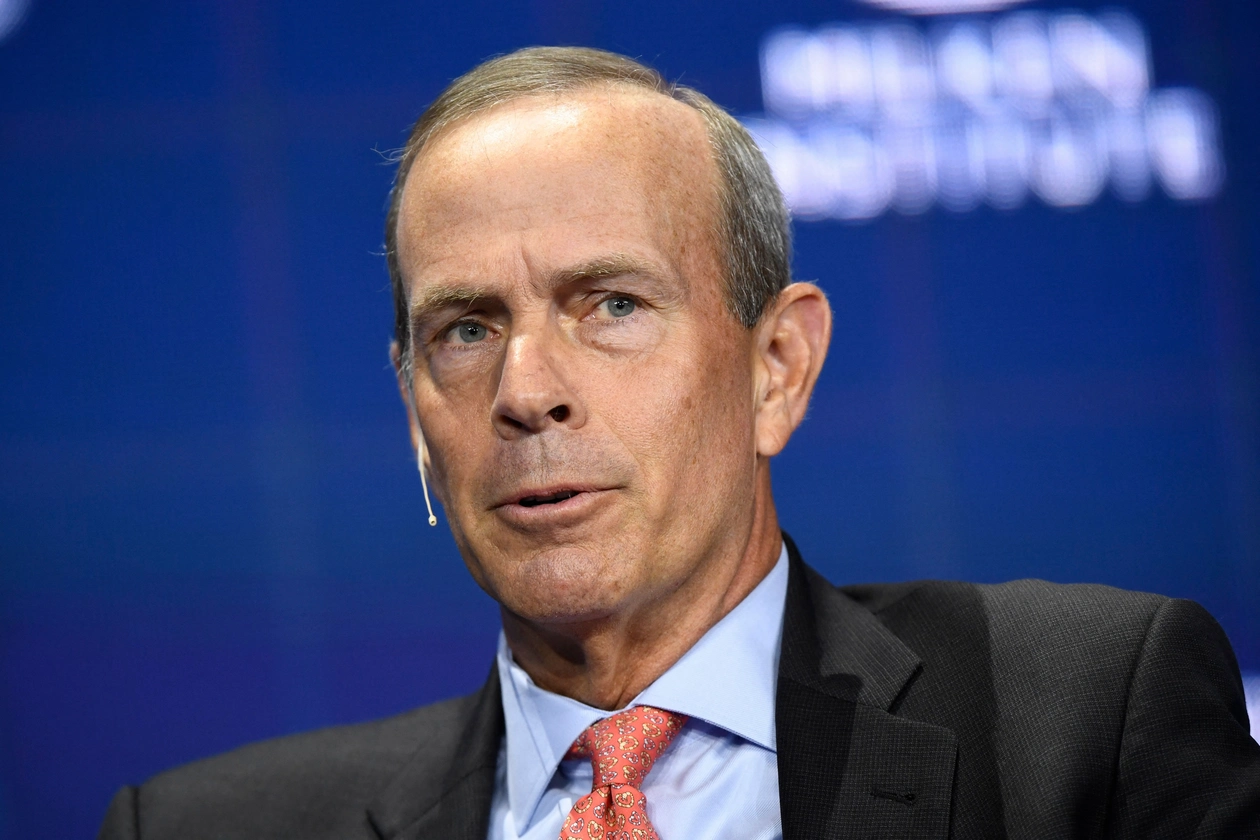
The ongoing U.S.-Iran conflict has caused deeper disruption to global oil and gas markets than the Russia-Ukraine war, according to Chevron CEO Mike Wirth, highlighting the scale of the energy crisis unfolding across international supply chains.
Speaking at the CERAWeek conference in Houston, Wirth warned that even if the Strait of Hormuz — one of the world’s most critical energy chokepoints — reopens, the global energy system will not rebound quickly. He emphasized that rebuilding supply chains and restoring inventories will be a gradual process.
“We’ve got a lot of oil and gas now that is not flowing into the market,” Wirth said, noting that physical supply systems require time to adjust. Even after shipments resume, restoring the correct mix of crude grades and refined fuels will take sustained effort.
The disruption stems largely from Iran’s actions targeting oil tankers and restricting passage through the Strait of Hormuz, a narrow waterway through which a significant share of the world’s oil and liquefied natural gas typically flows. The bottleneck has effectively choked off supply routes, sending shockwaves through global markets.
Wirth said the damage has been more severe than the energy fallout from the Russia-Ukraine war, which had already strained global fuel supplies. The current conflict, however, has compounded those challenges by directly interfering with shipping lanes and key infrastructure in the Middle East.
The impact is being felt most acutely in Asia, where several countries are experiencing dwindling reserves of diesel and jet fuel. At the same time, delays in shipments of liquefied natural gas, fertilizers and other essential commodities are adding pressure to already fragile supply chains.
Another major concern is the uncertainty surrounding the extent of the damage. Wirth noted that it remains unclear how much production capacity has been taken offline or how severely facilities have been affected by the conflict. This lack of visibility complicates efforts to plan for recovery and stabilization.
Despite the grim outlook, U.S. Energy Secretary Chris Wright struck a more optimistic tone at the same event, suggesting that the disruption could ultimately prove temporary. He encouraged energy producers to respond to rising prices by increasing output, arguing that market forces will help restore balance over time.
“Markets do what markets do,” Wright said, explaining that higher prices are designed to incentivize additional production and ease supply shortages.
Still, the path to recovery is expected to be uneven. Even if oil begins flowing freely again through the Strait of Hormuz, logistical bottlenecks, damaged infrastructure and depleted inventories could continue to weigh on markets for months.
The broader economic implications are significant. Elevated fuel prices have already contributed to inflation concerns worldwide, while supply disruptions threaten industries that depend on stable energy and raw material flows.
As the conflict continues, energy executives and policymakers alike are bracing for prolonged volatility. The consensus emerging from industry leaders is clear: reopening supply routes will be only the first step in a much longer process of restoring global energy stability.