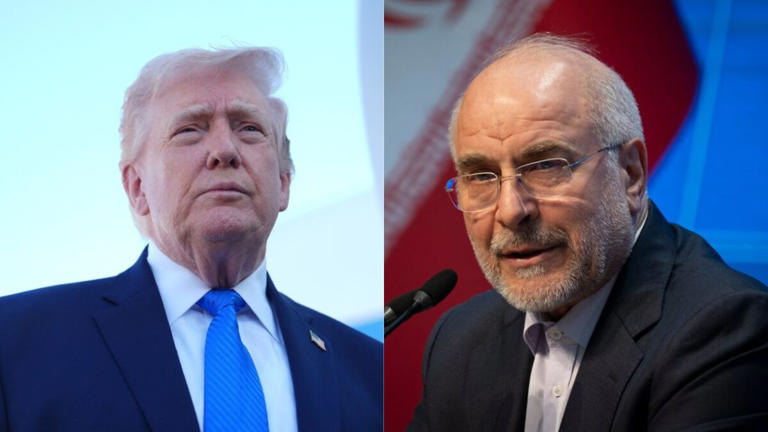
Iranian Parliament Speaker Denies Negotiations With US/ Newslooks/ WASHINGTON/ J. Mansour/ Morning Edition/ Iran’s parliament speaker denied any negotiations with the U.S. Reports had suggested he was leading backchannel talks. Tensions remain high as Trump signals possible diplomacy.
Iran Denies US Talks Quick Looks
- Mohammad-Bagher Ghalibaf rejects reports of negotiations
- Iranian officials call claims “fake news”
- Trump recently suggested talks with Iranian representatives
- Iran says only indirect communication via mediators exists
- Strait of Hormuz crisis remains central issue
- Conflict continues with high geopolitical and economic stakes
Deep Look: Iranian Parliament Speaker Denies Negotiations With US
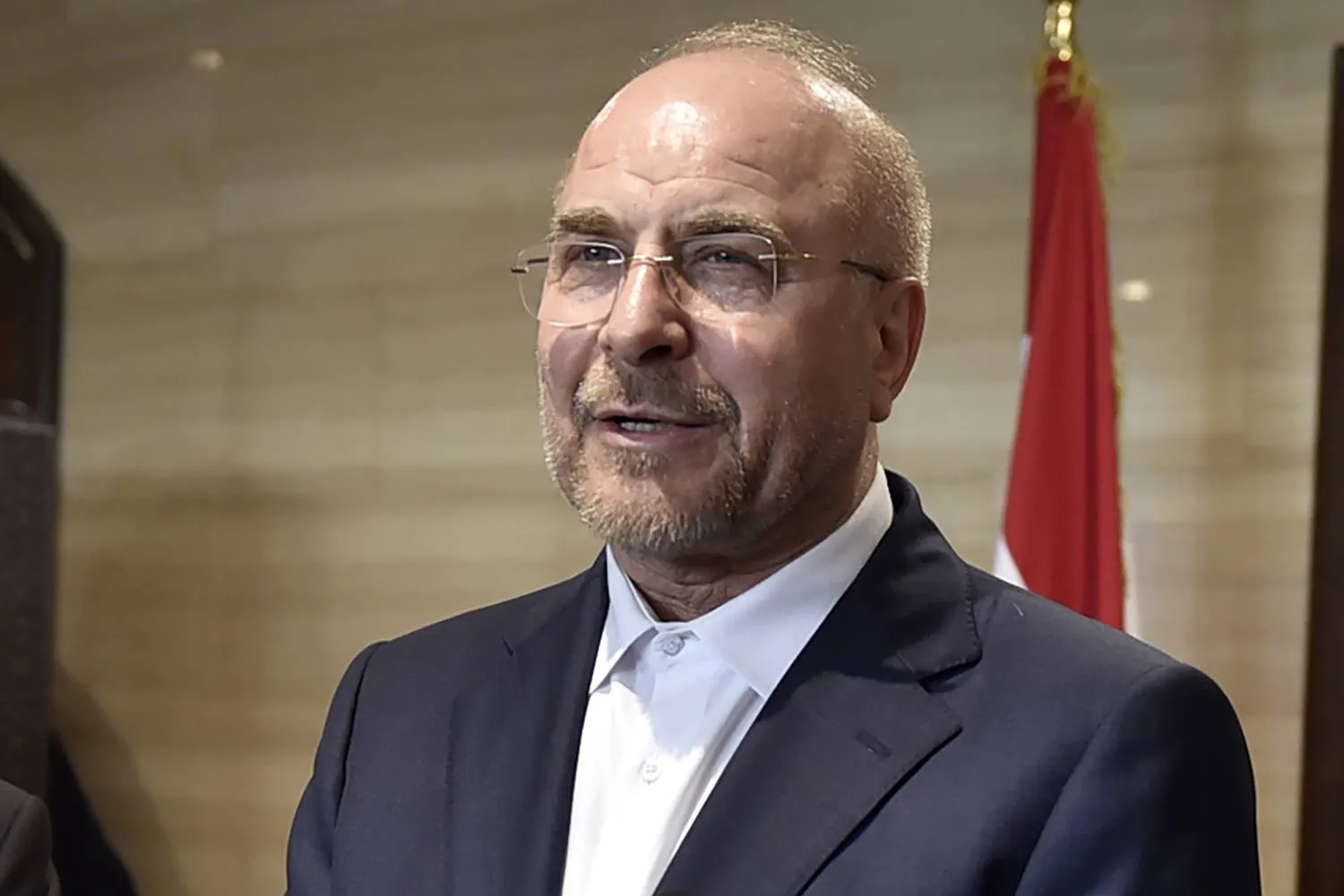
Iran’s parliament speaker Mohammad-Bagher Ghalibaf has firmly denied reports that he is engaged in negotiations with the United States, pushing back against claims that he is serving as a key intermediary in potential talks between Washington and Tehran.
In a statement posted on social media, Ghalibaf dismissed the reports as false and accused Western and Israeli sources of spreading misinformation to influence global markets. He argued that such claims were being used to manipulate oil prices and distract from the broader challenges facing the United States and its allies in the ongoing conflict.
“No negotiations have been held with the U.S.,” Ghalibaf said, adding that Iranian officials remain united behind the country’s leadership and its response to the war.
The denial comes after Israeli media reports suggested that Ghalibaf had taken a central role in backchannel discussions with U.S. officials. Those reports emerged shortly after President Donald Trump indicated that his administration had engaged in “productive” conversations with Iranian representatives, prompting speculation about who might be involved on Tehran’s side.
Trump, however, did not identify the individuals participating in the discussions. He clarified only that he had not spoken directly with Iran’s supreme leader, Ayatollah Mojtaba Khamenei, leaving open questions about the level and legitimacy of any communication.
Iranian officials have consistently denied the existence of direct talks with the United States. Instead, they have acknowledged that some regional countries are working to reduce tensions through indirect channels. These efforts are believed to involve intermediaries relaying messages between the two sides rather than formal negotiations.
The conflicting narratives highlight the uncertainty surrounding diplomatic efforts as the war continues. While the Trump administration has signaled openness to a potential agreement, Tehran has maintained a more cautious stance, emphasizing resistance and unity in the face of external pressure.
At the center of the dispute is the Strait of Hormuz, a vital global shipping route that Iran has effectively restricted during the conflict. The closure has disrupted international energy markets and heightened pressure on world leaders to find a resolution.
Trump has repeatedly called for the reopening of the strait and has threatened military action against Iranian energy infrastructure if the situation is not resolved. At the same time, his recent comments about possible negotiations have raised hopes of a diplomatic breakthrough.
However, Ghalibaf’s denial underscores the challenges facing any such effort. The absence of confirmed direct talks — combined with differing public statements from both sides — suggests that diplomacy remains tentative and uncertain.
As the conflict drags on, the gap between public rhetoric and behind-the-scenes maneuvering continues to complicate efforts to de-escalate tensions. Whether indirect communication can evolve into formal negotiations remains one of the key questions shaping the next phase of the crisis.