Soaring Gas Prices Trigger Biggest 3.3% Inflation Surge Since 2022/ Newslooks/ WASHINGTON/ J. Mansour/ Morning Edition/ Gas prices surged sharply in March, causing the biggest monthly inflation jump in nearly four years. The increase, driven partly by geopolitical tensions involving Iran, threatens Federal Reserve rate cuts. Economists warn higher fuel costs may slow consumer spending and economic growth.
Gas Price Inflation Surge Quick Looks
- March inflation rose 3.3% year-over-year, up from 2.4% in February
- Monthly inflation jumped 0.9%, biggest rise in nearly four years
- Gas prices surged to $4.15 per gallon nationwide
- Core inflation rose modestly to 2.6% annually
- Federal Reserve may delay interest rate cuts
- Higher fuel costs may slow consumer spending
- Food prices expected to rise in coming months
- Investors now expect rate cuts delayed until 2027
Deep Look: Soaring Gas Prices Trigger Biggest 3.3% Inflation Surge Since 2022
WASHINGTON — A dramatic spike in gasoline prices pushed U.S. inflation sharply higher in March, creating new economic uncertainty and complicating the Federal Reserve’s efforts to bring price growth under control.
According to the Labor Department, consumer prices climbed 3.3% in March compared with a year earlier, a significant increase from February’s 2.4% pace. On a monthly basis, inflation jumped 0.9% from February — the largest monthly increase in nearly four years.
The surge represents the first inflation report reflecting the economic impact of escalating tensions tied to the Iran conflict, which triggered a sharp rise in oil and gasoline prices nationwide.
Energy prices played the dominant role in March’s inflation spike. Gasoline costs surged dramatically, marking the largest monthly increase in more than six decades. AAA reported the national average price for gasoline reached $4.15 per gallon Friday, compared with $2.98 just before the conflict began.
While overall inflation climbed significantly, core inflation — which excludes volatile food and energy prices — rose more modestly. Core prices increased 2.6% annually in March, slightly above February’s 2.5%. On a monthly basis, core prices rose just 0.2%, suggesting the surge in gas prices has not yet spread broadly across the economy.
Still, economists warn the energy shock could shift inflation’s trajectory away from the Federal Reserve’s 2% target. The sudden increase in fuel costs is expected to delay anticipated interest rate cuts and may even push policymakers toward considering rate hikes if inflation remains elevated.
Higher gasoline prices often have an outsized impact on consumers because fuel costs are unavoidable for many households. Most Americans rely heavily on driving for commuting, shopping, and daily activities. As a result, when fuel prices rise sharply, consumers typically cut back on discretionary spending elsewhere.
This reduction in spending could slow economic growth in the coming months. Economists say the key question is whether rising oil prices will trigger broader inflation, similar to the surge that followed the COVID-19 pandemic.
During 2021 and 2022, inflation soared to a peak of 9.1% as supply chain disruptions and government stimulus boosted consumer demand. Prices increased across groceries, furniture, restaurant meals, and services.
However, economists note that today’s conditions differ significantly. Consumer spending is weaker, wage growth has slowed, and there are no large stimulus payments supporting demand. Although unemployment remains relatively low at 4.3%, companies are no longer aggressively hiring as they did after the pandemic.
Alan Detmeister, an economist at UBS, said weaker demand may prevent inflation from spreading widely throughout the economy.
“That’s where this really differs — we aren’t seeing anywhere near the strength of demand,” Detmeister explained. Income growth during 2021 and 2022 increased strongly, but similar growth is not occurring today.
Some economists believe the current situation more closely resembles the early 1990s. During that period, higher oil prices following Iraq’s invasion of Kuwait contributed to slower growth and recession risks but did not trigger widespread inflation.
The ultimate impact of rising fuel costs will depend largely on how long oil prices remain elevated. In the short term, economists expect industries heavily dependent on fuel — such as airlines, shipping, and public transportation — to feel the most immediate pressure.
Despite these concerns, the U.S. economy is less dependent on oil than in past decades, which could limit long-term inflation effects.
Nevertheless, the sudden inflation jump has already changed expectations at the Federal Reserve. At the start of the year, policymakers anticipated cutting interest rates multiple times. Now, many officials are considering keeping rates steady — or even raising them — if inflation remains persistent.
The Fed’s key interest rate currently stands near 3.6%, and most officials are expected to hold rates steady while monitoring economic conditions. Investors now anticipate rate cuts may not occur until late 2027.
Higher fuel prices also present a dilemma for the Federal Reserve. Rising costs typically require higher interest rates to curb inflation. However, if fuel prices slow economic growth and increase unemployment, the Fed might need to cut rates instead to support the economy.
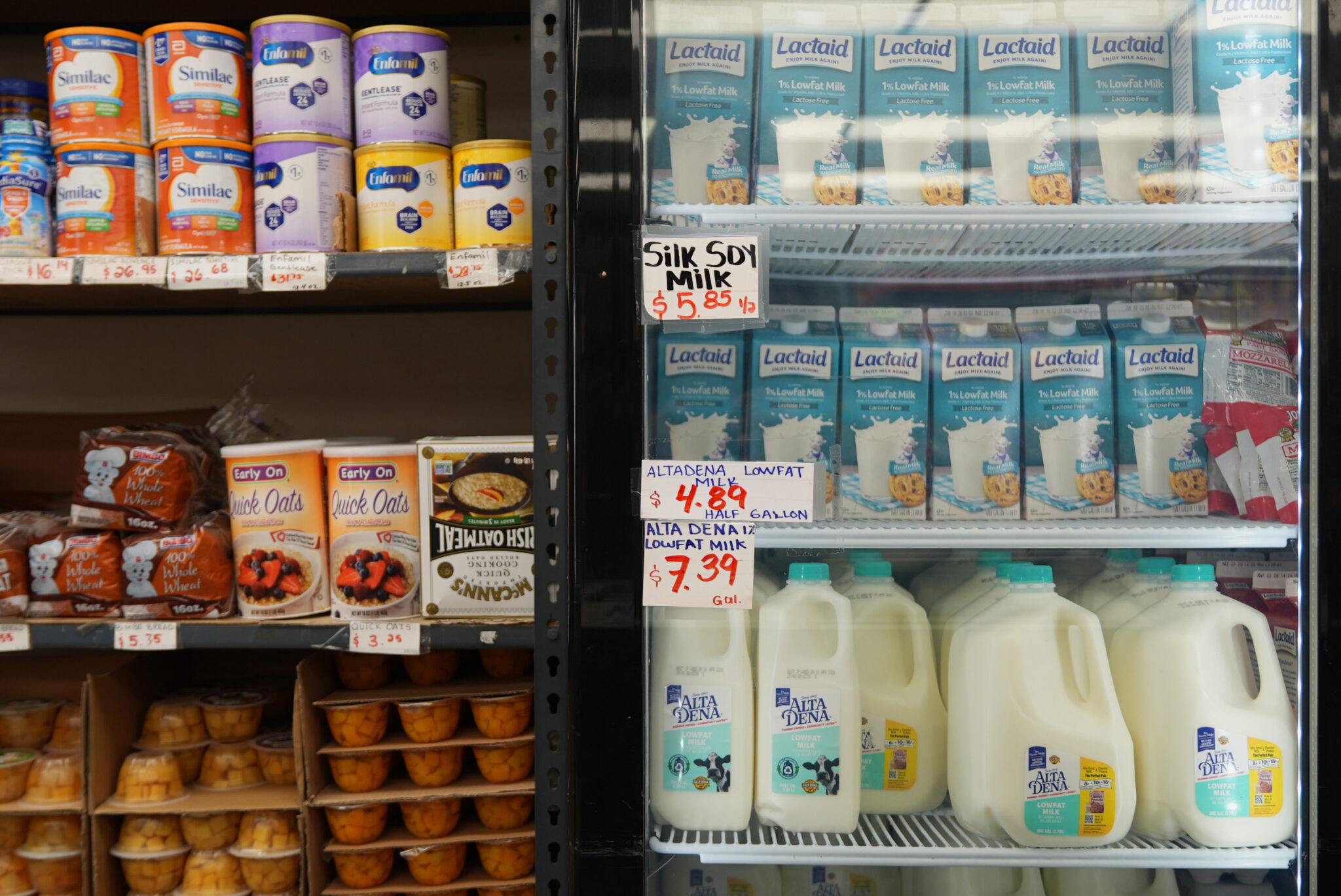
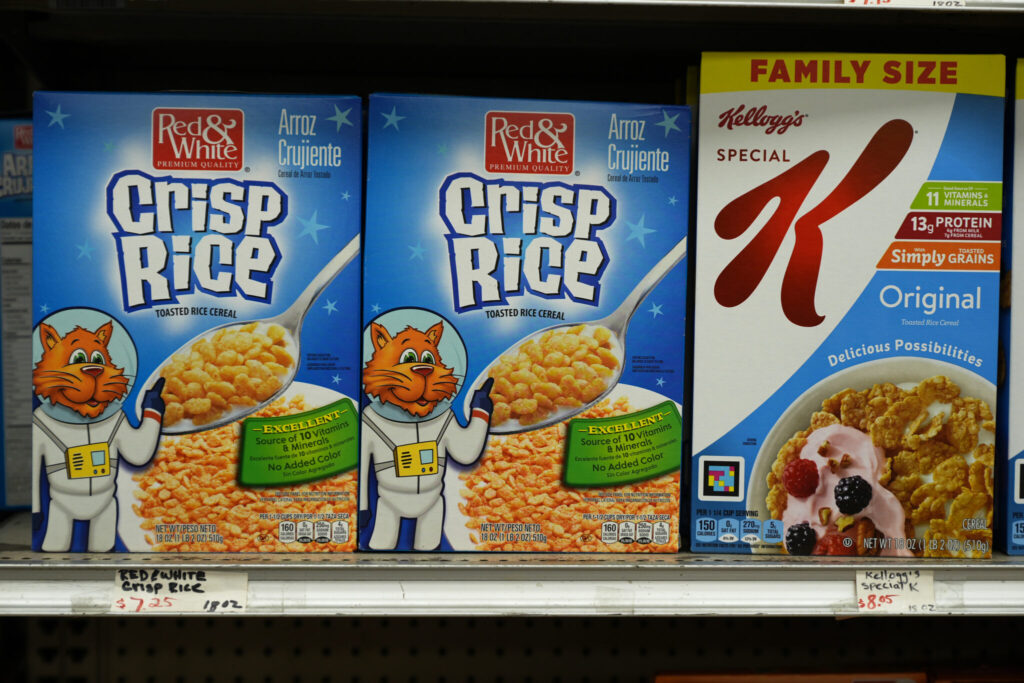
Meanwhile, consumers may soon face additional pressure from grocery prices. Nearly all food products are transported by diesel-powered trucks, and diesel prices have risen even faster than gasoline. Analysts expect grocery costs to begin climbing within the next one to two months.
Americans have already experienced roughly a 25% increase in food prices since the pandemic. Further increases could strain household budgets and weigh on consumer confidence.
As energy markets remain volatile, economists warn inflation may stay elevated for several months, keeping policymakers, businesses, and consumers closely watching fuel prices and economic developments.