Vance Warns Iran Not to ‘Play’ US Ahead of High-Stakes Peace Talks/ Newslooks/ WASHINGTON/ J. Mansour/ Morning Edition/ Vice President JD Vance traveled to Pakistan to lead negotiations aimed at ending the U.S.-Iran conflict. Vance warned Iran not to “play” the United States as ceasefire tensions remain fragile. The high-stakes diplomacy could shape both U.S. foreign policy and Vance’s political future.
JD Vance Iran Negotiations Quick Looks
- Vice President JD Vance traveling to Pakistan
- Talks aimed at ending six-week U.S.–Iran conflict
- Temporary ceasefire at risk of collapse
- Iran and U.S. disagree on ceasefire conditions
- Strait of Hormuz reopening remains key issue
- Jared Kushner and Steve Witkoff joining talks
- Trump optimistic but warns Iran on compliance
- Negotiations carry major political stakes for Vance
Deep Look: Vance Warns Iran Not to ‘Play’ US Ahead of High-Stakes Peace Talks
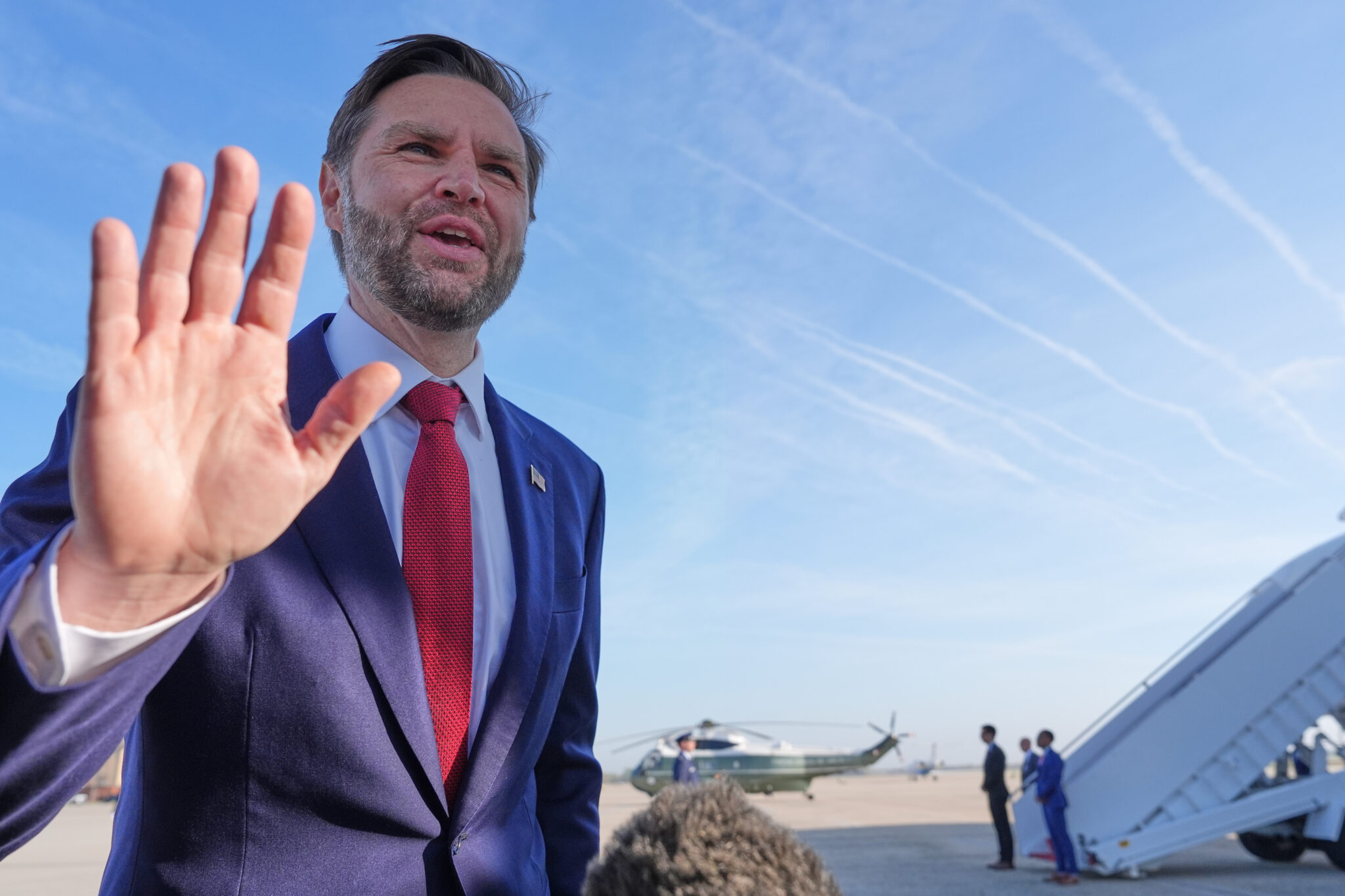
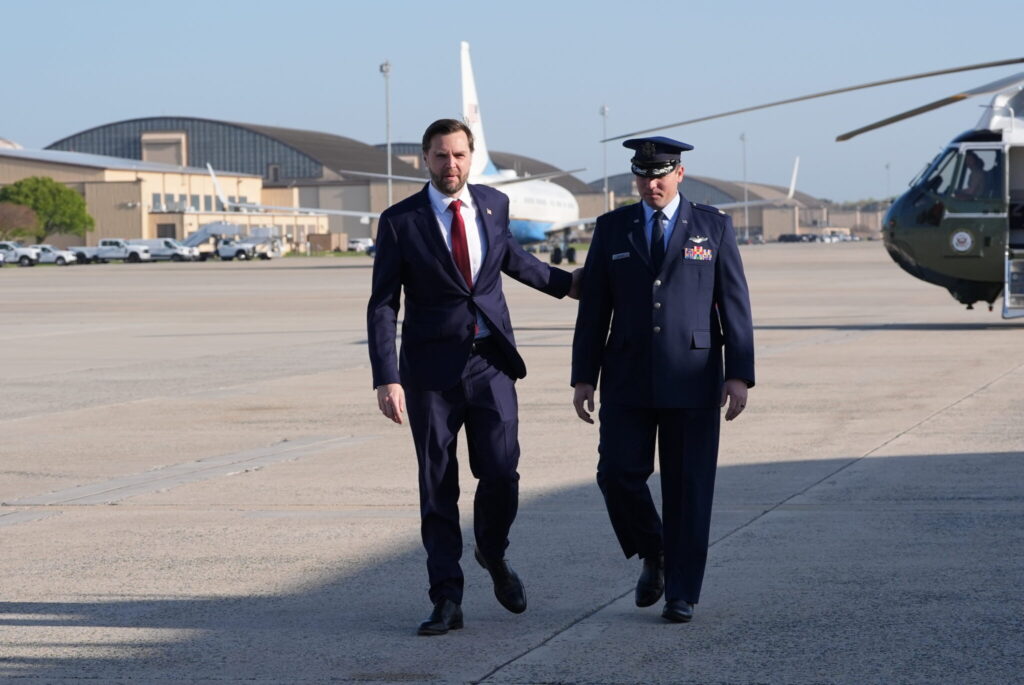
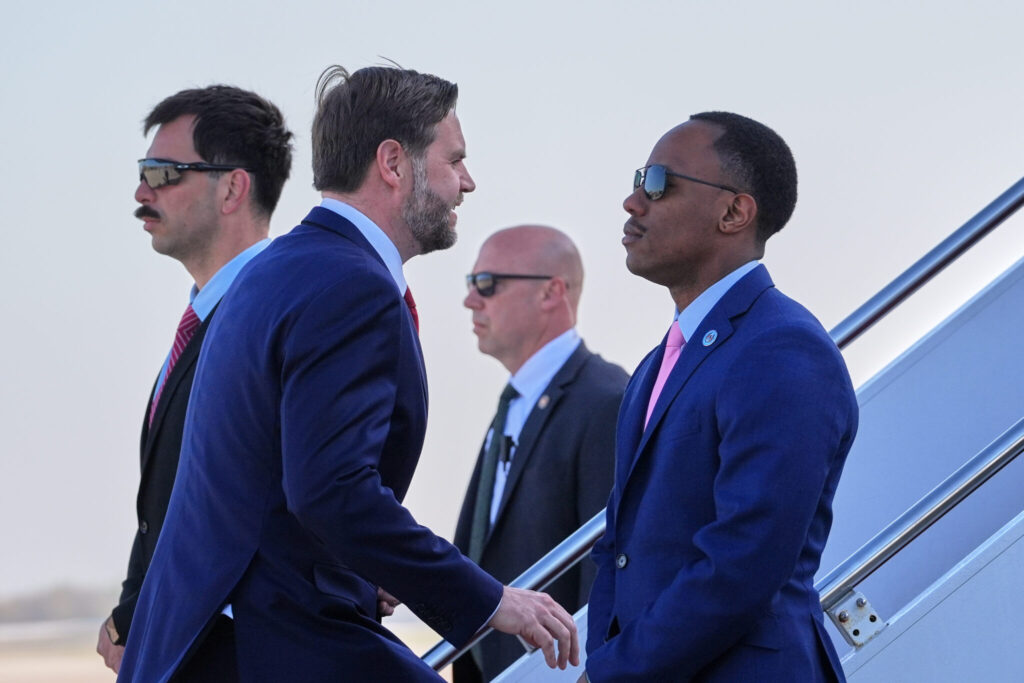
WASHINGTON — Vice President JD Vance warned Iran not to attempt to “play” the United States as he departed Friday for high-stakes negotiations aimed at ending the six-week conflict between Washington and Tehran.
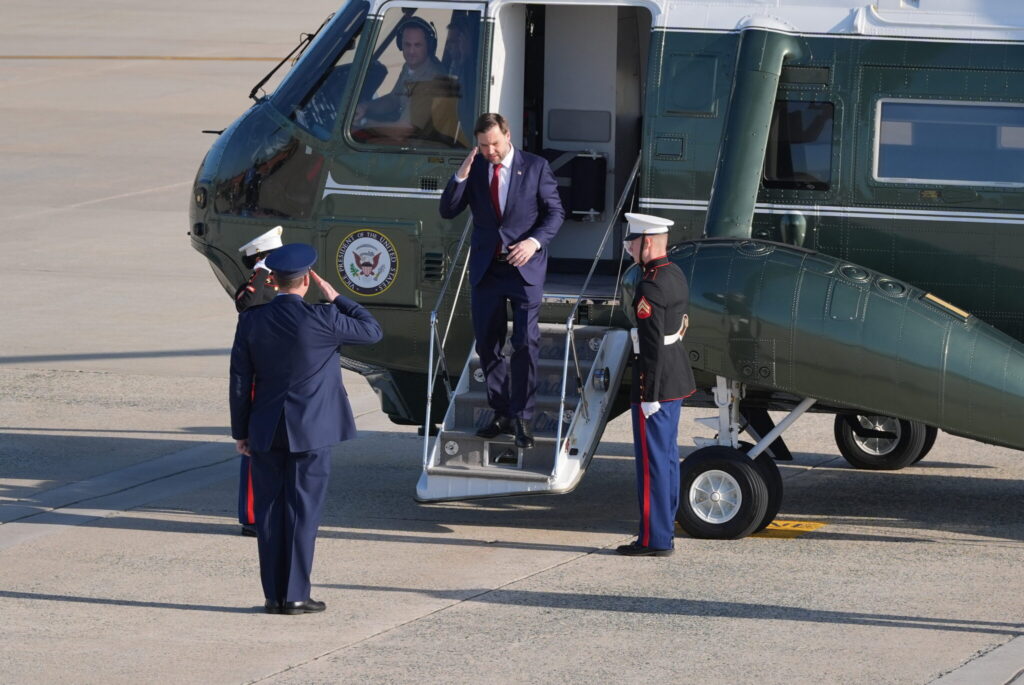
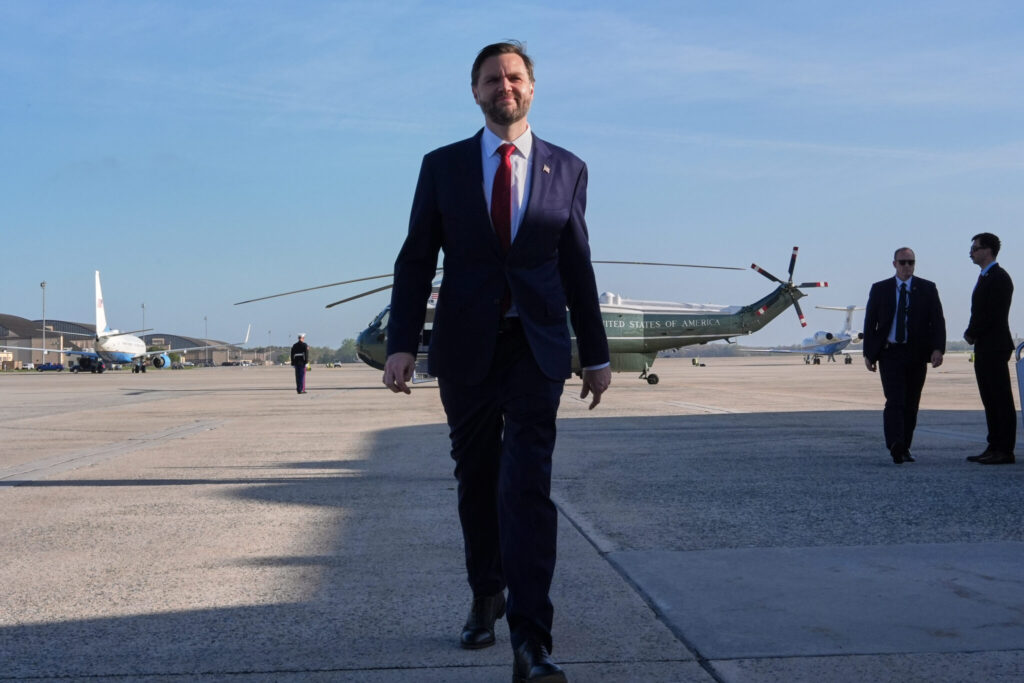
Vance boarded Air Force Two en route to Islamabad, Pakistan, where mediated talks are expected to take place. The vice president expressed cautious optimism about the discussions but emphasized that the United States would only engage if Iran negotiates sincerely.
“We’re looking forward to the negotiation. I think it’s gonna be positive,” Vance said before departing. However, he added a firm warning: “If the Iranians are willing to negotiate in good faith, we’re certainly willing to extend the open hand. If they’re gonna try and play us, then they’re gonna find that the negotiating team is not that receptive.”
President Donald Trump has tasked Vance with leading negotiations despite the vice president previously expressing skepticism about prolonged foreign military engagements. The assignment represents one of Vance’s most significant diplomatic responsibilities since taking office.
The talks come at a delicate moment. A temporary ceasefire announced earlier in the week is already showing signs of strain, with disagreements emerging over key conditions. Iran has insisted that Israeli military operations in Lebanon be halted as part of the truce. However, both Trump and Israeli Prime Minister Benjamin Netanyahu have stated the ceasefire does not apply to Lebanon, allowing Israeli operations there to continue.
Another major sticking point involves the Strait of Hormuz — one of the world’s most critical oil shipping routes. Iran had closed the waterway in response to Israeli military actions against Hezbollah forces in Lebanon. The United States has demanded Iran reopen the strait, but Trump criticized Tehran on Thursday, saying Iran was doing “a very poor job” allowing oil tankers to pass.
White House officials say Trump remains optimistic about reaching a lasting agreement during the two-week ceasefire window. White House spokeswoman Anna Kelly said Trump would only accept a deal that benefits U.S. interests and maintains security stability.
Vance is traveling with key Trump allies, including special envoy Steve Witkoff and Jared Kushner, Trump’s son-in-law. Both participated in earlier rounds of indirect negotiations with Iranian officials prior to the outbreak of hostilities on Feb. 28. Those earlier talks focused on Iran’s nuclear program, ballistic missile development, and Tehran’s support for proxy groups across the Middle East.
However, the White House has not clarified whether the upcoming negotiations will be direct or indirect. Nor has it provided detailed expectations for potential outcomes.
The diplomatic engagement marks one of the highest-level U.S. contacts with Iran in decades. Since Iran’s 1979 Islamic Revolution, direct communication between leaders has been rare. One notable exception occurred in 2013 when President Barack Obama spoke with Iranian President Hassan Rouhani about nuclear negotiations.
For Vance, the negotiations carry significant political and diplomatic stakes. The vice president has seen his responsibilities expand rapidly in recent months — first addressing domestic government oversight efforts, and now attempting to resolve a major international conflict.
Vance’s background includes military service in Iraq as a Marine, along with a short tenure as U.S. senator from Ohio before becoming vice president. However, he has limited diplomatic experience, making the assignment particularly challenging.
Some analysts say Vance’s skepticism toward foreign intervention could make him a more appealing negotiating partner for Iranian officials. Jonathan Schanzer, executive director of the Foundation for Defense of Democracies, described Vance as an “interesting choice” given his limited experience but cautious approach to military conflicts.
Schanzer noted that Vance’s involvement could signal a willingness to pursue diplomatic solutions rather than prolonged military engagement. Still, he warned the negotiations represent a serious challenge.
“This is as serious as it gets,” Schanzer said, emphasizing the complexity and stakes involved.
The White House has not disclosed all participants in the negotiations but confirmed officials from the National Security Council, State Department, and Pentagon will play supporting roles.
The negotiations also carry implications for U.S. domestic politics. Both Vance and Secretary of State Marco Rubio are viewed as potential Republican presidential contenders in 2028. While neither has formally declared intentions, Vance’s role in the talks could shape his political future.
Experts say success could elevate Vance’s standing, while failure could expose him to criticism.
Joel Goldstein, a vice presidency expert at Saint Louis University, noted it is unusual for vice presidents to lead negotiations aimed at ending conflicts involving U.S. military forces.
“If things go south, people will point fingers at him,” Goldstein said. “If things go well, then it will be something he could point to.”
Despite the uncertainty, Vance said he believes diplomacy offers a path forward. The outcome of the negotiations could influence not only the current conflict but also broader Middle East stability and global economic conditions.
As the talks begin, the fragile ceasefire and deep disagreements highlight the challenges ahead. Whether diplomacy succeeds may depend on both sides’ willingness to compromise and pursue a lasting peace.