US-Iran Ceasefire Talks Loom as Israel-Lebanon Negotiations Begin/ Newslooks/ WASHINGTON/ J. Mansour/ Morning Edition/ U.S. and Iranian officials prepare for ceasefire negotiations as regional tensions intensify. Israel authorizes direct negotiations with Lebanon while fighting with Hezbollah continues. Iran’s control of the Strait of Hormuz remains a major obstacle to peace.
US-Iran Ceasefire Talks Quick Looks
- U.S. and Iran preparing for high-level negotiations
- Ceasefire remains fragile amid regional violence
- Israel approves direct talks with Lebanon
- Iran maintains control of Strait of Hormuz
- Oil prices surge more than 30% since war
- Hezbollah-Israel clashes threaten negotiations
- JD Vance traveling to Pakistan for talks
- Nuclear and missile issues remain unresolved

Deep Look: US-Iran Ceasefire Talks Loom as Israel-Lebanon Negotiations Begin
DUBAI, United Arab Emirates — The United States and Iran prepared Friday for critical ceasefire negotiations as fighting across the Middle East threatened to derail fragile diplomatic efforts aimed at ending weeks of escalating conflict.
Despite a temporary truce, tensions remained high as Israel and Hezbollah exchanged fire and Iran continued restricting access to the Strait of Hormuz, one of the world’s most important oil shipping routes. The combination of military activity and economic pressure underscored the fragile nature of the ceasefire and the challenges facing negotiators.
Iran signaled that upcoming talks could be jeopardized if Israeli military operations in Lebanon continue. Iran’s semiofficial Tasnim news agency reported that negotiations scheduled for Saturday might not proceed unless Israel halts its attacks on Hezbollah positions in Lebanon.
Meanwhile, U.S. President Donald Trump criticized Iran for failing to allow adequate shipping traffic through the Strait of Hormuz. The strategic waterway once handled roughly 20% of the world’s traded oil, making it central to global energy markets and economic stability.
Additional tensions emerged after Kuwait reported a drone attack late Thursday that it blamed on Iran and allied militias. Iran’s Revolutionary Guard denied responsibility, although the organization has previously conducted attacks in the region without acknowledging involvement.
Despite these developments, preparations for negotiations continued. Vice President JD Vance departed Washington for Pakistan, where mediated discussions between U.S. and Iranian officials are expected to take place. Vance expressed cautious optimism before leaving, while warning that the United States would not tolerate bad-faith negotiations.
At the same time, diplomatic efforts expanded beyond U.S.-Iran talks. Israel authorized direct negotiations with Lebanon, marking a significant development in regional diplomacy. According to officials familiar with the plans, the talks are expected to take place in Washington in the coming week.
Israel’s insistence that its conflict with Hezbollah is separate from the Iran ceasefire has complicated the situation. On the day the truce was announced, Israeli airstrikes struck Beirut, killing more than 300 people, according to Lebanon’s Health Ministry — the deadliest day in the country since the conflict began on Feb. 28.
President Trump later urged Israeli Prime Minister Benjamin Netanyahu to reduce strikes. However, Israeli forces reported early Friday that they targeted approximately 10 rocket launchers in Lebanon following attacks on northern Israel.
Iranian leaders warned that continued Israeli operations would carry consequences. Iran’s parliament speaker Mohammad Bagher Qalibaf said ongoing strikes against Hezbollah would result in “explicit costs and strong responses.”
Netanyahu confirmed he authorized negotiations with Lebanon aimed at disarming Hezbollah militants and potentially improving relations between the neighboring countries, which have technically been in a state of war since Israel’s founding in 1948.
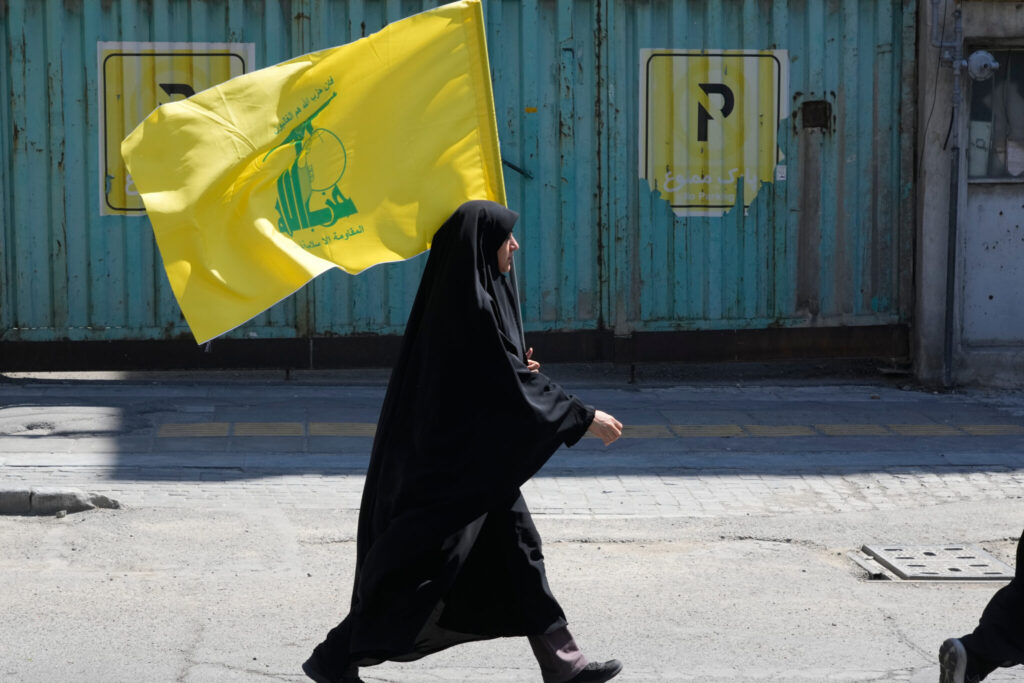
Lebanese officials had not publicly responded to the proposal, and Hezbollah leadership urged caution. Hezbollah chief Naim Kassem warned Lebanese authorities against offering concessions but did not explicitly reject negotiations.
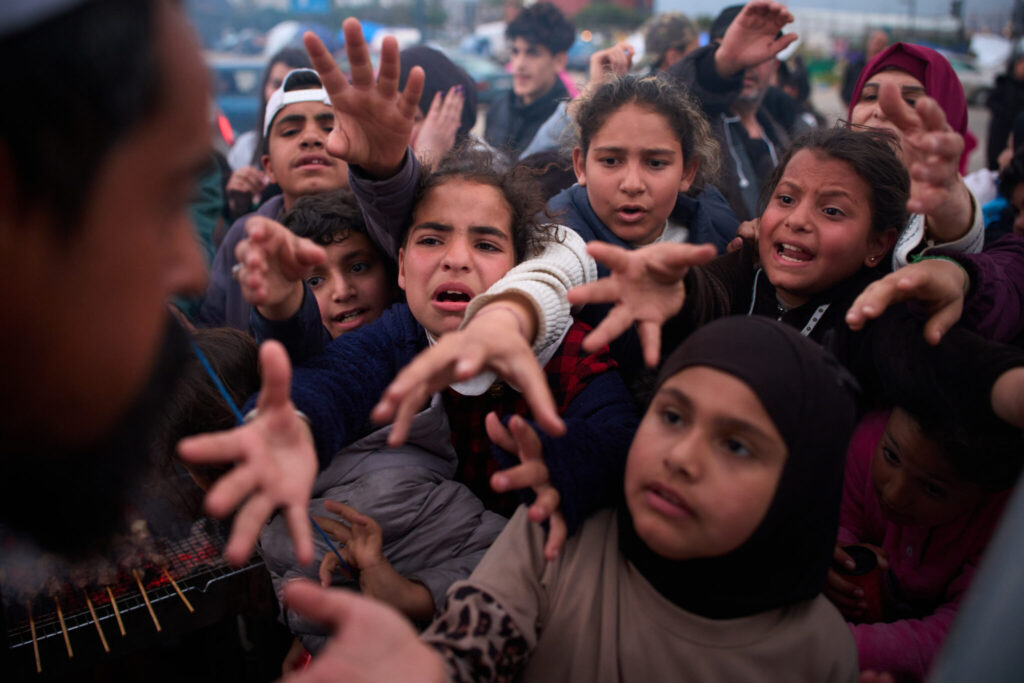
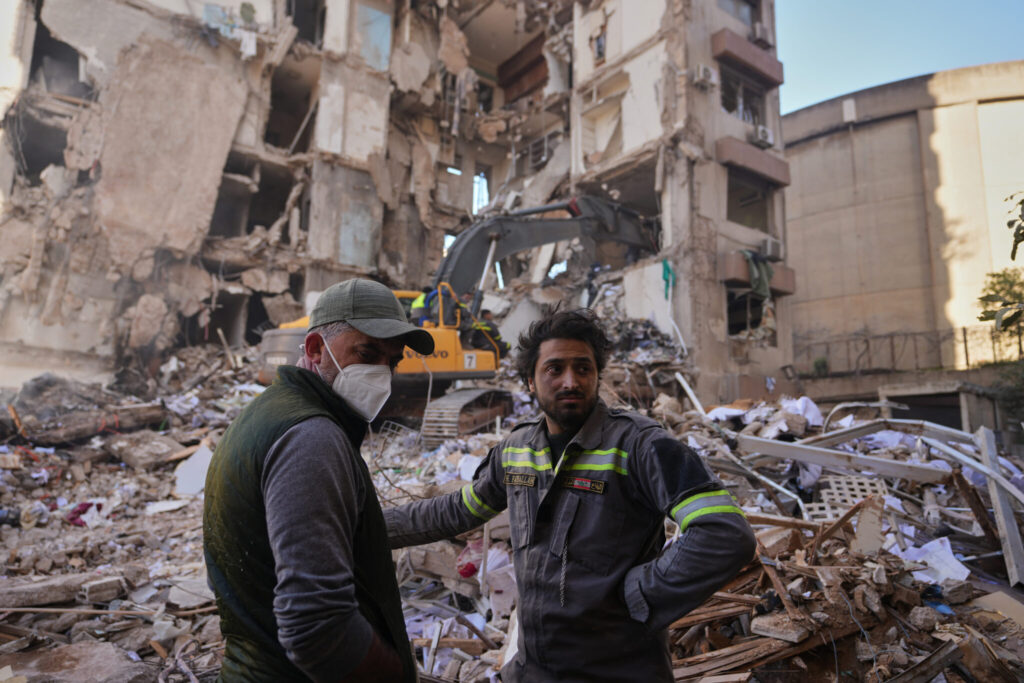
Meanwhile, civilians in Lebanon began assessing the damage following recent airstrikes. Residents sifted through rubble, searching for belongings and salvaging what remained of their homes.
“There is no substitute for family,” said one resident, emphasizing the human toll of the conflict.
The Strait of Hormuz remains one of the most contentious issues in negotiations. Iran’s control of the waterway has significantly impacted global markets. Brent crude oil prices climbed to around $97 per barrel, representing a more than 30% increase since hostilities began.
Before the war, more than 100 ships passed through the strait daily. Since the ceasefire, only about 12 vessels have been recorded navigating the route, highlighting the continuing disruption.
Adding to concerns, ship-tracking data showed a liquefied natural gas tanker flagged by Botswana attempting to exit the Persian Gulf before turning around after receiving routing instructions from Iran’s Revolutionary Guard.
Energy officials warned that hundreds of vessels remain stuck. The head of the United Arab Emirates’ major oil company said roughly 230 oil-laden ships were waiting to pass through the strait, calling for unrestricted navigation.
President Trump also criticized Iran’s limited access, stating that Tehran was failing to uphold commitments related to shipping traffic.
Beyond shipping concerns, negotiations also face disagreements over Iran’s nuclear and missile programs. The United States and Israel seek to prevent Iran from developing nuclear weapons and want to remove highly enriched uranium stockpiles.
Iran maintains its nuclear program is peaceful and insists preserving its uranium enrichment capability is essential for any agreement. Iran’s nuclear chief emphasized that enrichment rights are non-negotiable.
The conflict has taken a heavy toll across the region. Iranian officials reported more than 3,000 deaths in Iran, while Lebanon has recorded over 1,800 fatalities and displaced approximately 1 million people. Additional casualties have occurred across Gulf countries, Israel, and the West Bank, along with 13 U.S. service members killed.
The conflict also expanded internationally, with Ukrainian President Volodymyr Zelenskyy saying Ukrainian forces shot down Iranian-designed drones operating in Middle Eastern countries. The effort aimed to counter weapons similar to those used by Russia in Ukraine.
As diplomatic efforts continue, the fragile ceasefire faces mounting pressure from military clashes, economic disruption, and unresolved political disputes. The coming negotiations could determine whether the region moves toward lasting peace or renewed escalation.