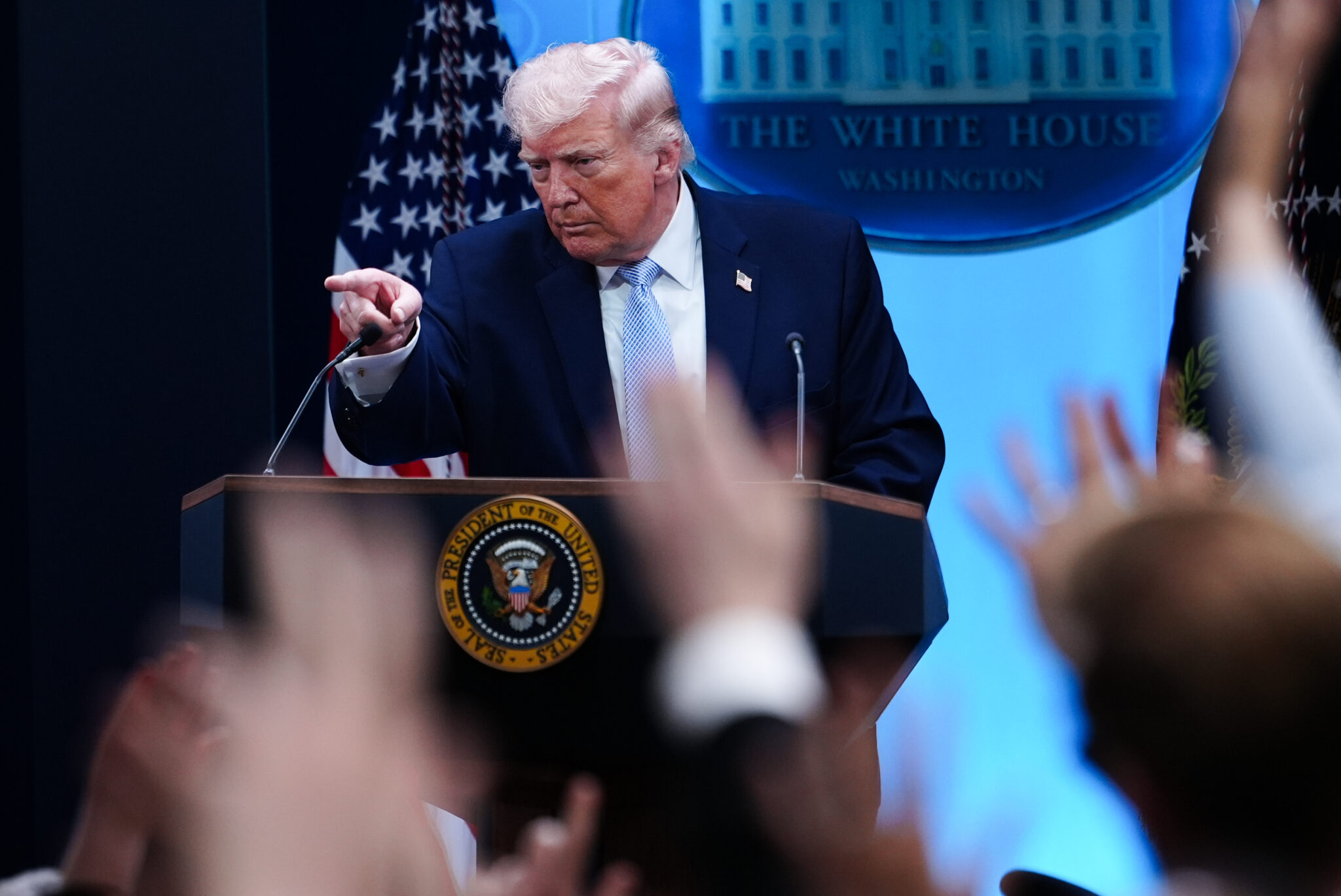
Trump’s Iran Exit Strategy Doesn’t Succeed to Heal Republican Divisions/ Newslooks/ WASHINGTON/ J. Mansour/ Morning Edition/ President Donald Trump’s effort to exit the Iran conflict is exposing deep Republican divisions. Some conservative allies criticize negotiations, while GOP leaders remain largely silent. The political fallout could influence midterm elections and Trump’s broader agenda.
Trump Iran Exit Plan Quick Looks
- Trump seeks off-ramp from Iran war
- Republican divisions deepen over conflict
- Conservatives criticize negotiations with Iran
- JD Vance leads diplomatic talks in Pakistan
- GOP leaders largely silent amid tensions
- Midterm elections add political pressure
- Gas prices and war costs raise concerns
- War powers vote may challenge Republicans

Deep Look: Trump’s Iran Exit Strategy Fails to Heal Republican Divisions
WASHINGTON — President Donald Trump’s efforts to find an exit from the six-week conflict with Iran are exposing significant divisions within the Republican Party, highlighting tensions that have simmered since the war began.
Trump’s political coalition — built largely on his “America First” agenda and skepticism toward foreign military involvement — is now facing one of its most serious internal tests. While the president has attempted to shift from aggressive rhetoric to diplomatic efforts, the fragile ceasefire and planned negotiations have done little to unite Republicans.
Initially, Trump issued strong warnings to Iran, including threats of severe consequences if Tehran did not agree to terms. More recently, his administration pivoted toward a ceasefire and negotiations, with Vice President JD Vance leading diplomatic talks expected to begin in Pakistan.
However, the shift has drawn criticism from some of Trump’s most vocal supporters.
Conservative activist Laura Loomer, who has frequently backed Trump, rejected the idea of negotiating with Iran and criticized the decision to place Vance in charge of talks.
“I support President Trump,” Loomer said, “I just don’t believe in negotiating with Islamic terrorists.”
Vance’s office did not immediately respond to requests for comment.
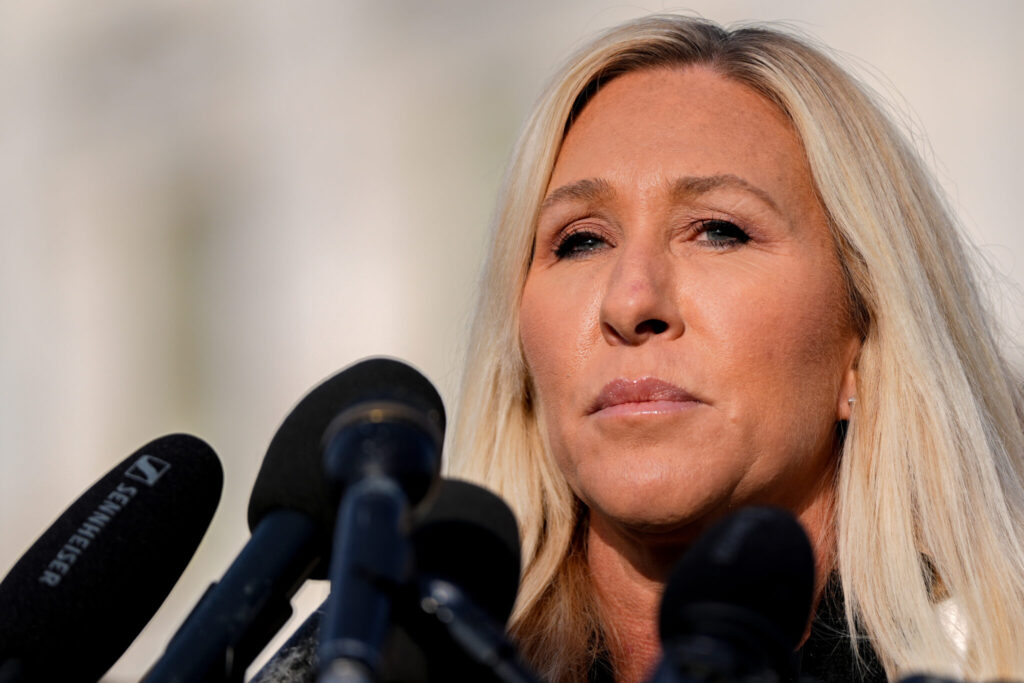
The criticism has extended beyond activist circles. Former Rep. Marjorie Taylor Greene of Georgia — once a staunch Trump ally — called for the president’s removal under the 25th Amendment following Trump’s warning that a “whole civilization” could be destroyed if Iran failed to reach an agreement.
Media personalities have also weighed in. Podcast host and former Fox News anchor Megyn Kelly sharply criticized Trump’s rhetoric, questioning his tone and approach during the crisis.
Even conservative commentators have publicly speculated about the durability of the ceasefire. During a recent broadcast, host Charlie Kirk joked about whether the truce would last longer than his show.
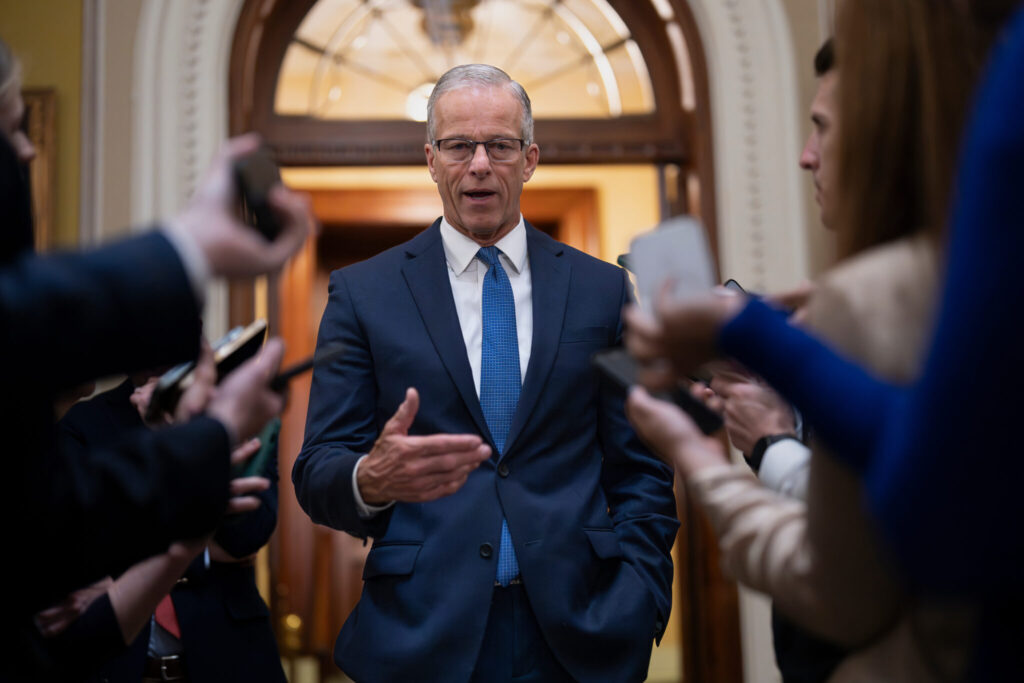
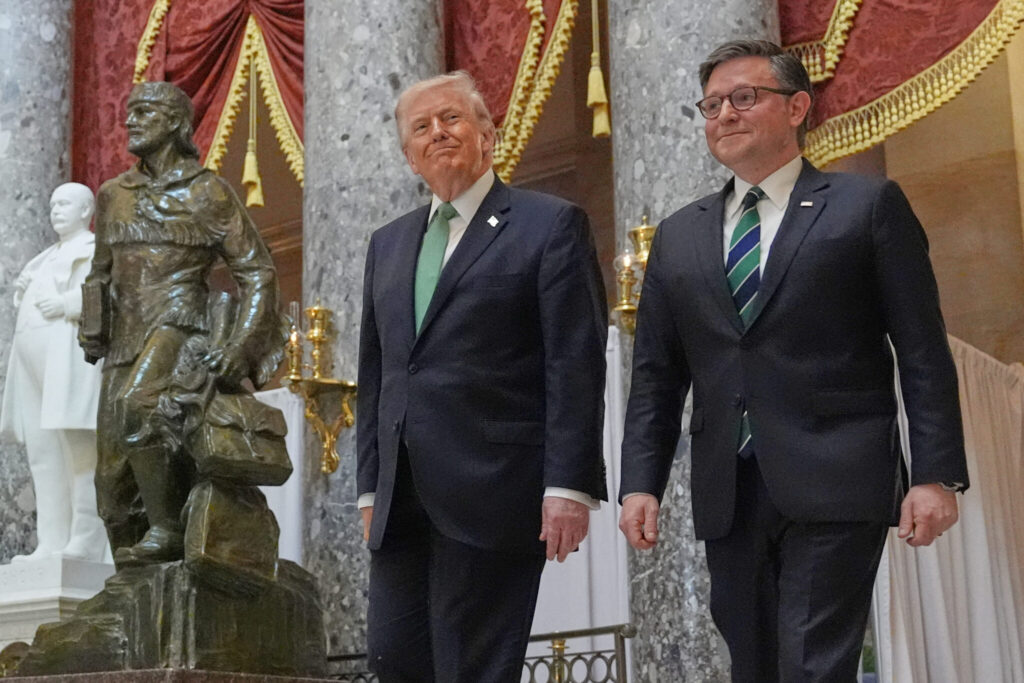
Despite these public disagreements, Republican leadership in Congress has largely remained quiet. With lawmakers on recess during the first two weeks of April, House Speaker Mike Johnson and Senate Majority Leader John Thune have offered little public reaction.
Some lawmakers say the rapidly changing situation makes it difficult to take firm positions.
Rep. Dave Schweikert of Arizona said developments have shifted too quickly for definitive statements.
“How do you go up and give a presentation or speech in a situation where every 12 hours, the baseline story has a new gradient?” Schweikert said, describing the rapidly evolving conflict.
The internal GOP divisions come as Republicans already face a challenging political environment ahead of November’s midterm elections. Some strategists hope the Iran conflict fades from public attention before voters head to the polls.
Chris Wilson, a Republican strategist, said foreign policy issues rarely dominate midterm elections compared to domestic concerns like inflation and economic conditions.
“My hope is that it will be long behind us by the time votes are cast,” Wilson said.
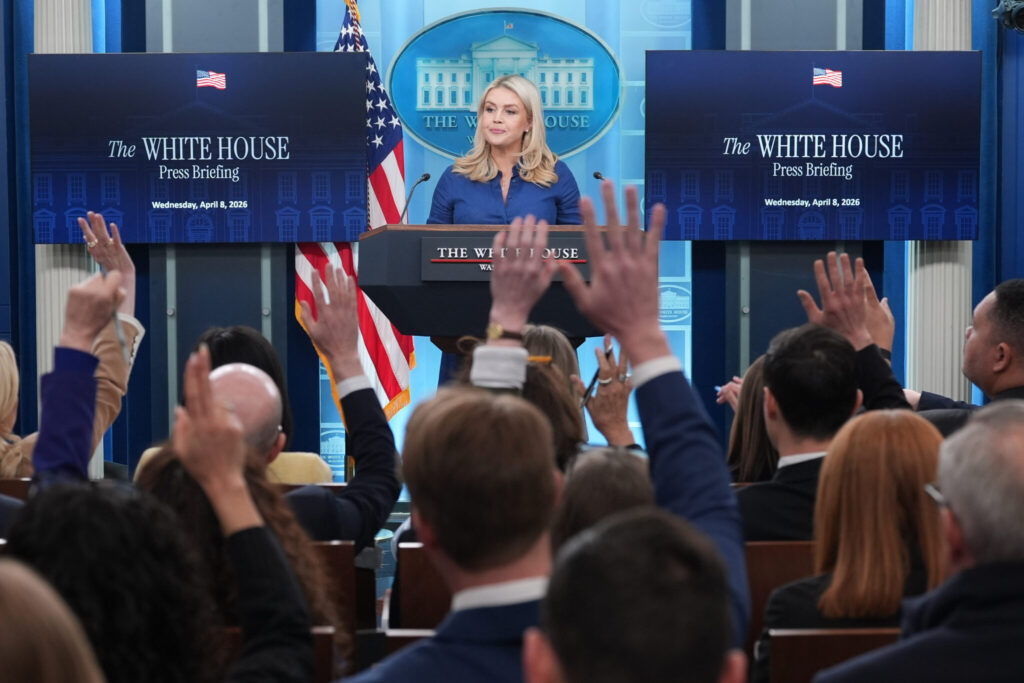
Trump and his administration remain confident in their approach. The president described the ceasefire announcement as a “big day for World Peace,” while White House officials framed the agreement as a major achievement.
Trump also dismissed critics on social media, accusing opponents of seeking publicity and undermining progress.
Some Republicans in Congress defended Trump’s actions, arguing that confronting Iran aligns with the administration’s broader national security priorities.
Rep. David Kustoff of Tennessee said addressing threats from Iran is consistent with the “America First” approach.
“Part of America First is making sure that the homeland stays safe,” Kustoff said. “We are all hopeful that the ceasefire holds.”
Still, recent election results have raised concerns for Republicans. In Georgia, Republican Clay Fuller won Marjorie Taylor Greene’s former district by a smaller margin than Greene achieved previously. In Wisconsin, Democrats expanded their majority on the state Supreme Court.
These developments follow strong Democratic performances in other recent contests, including races in Florida near Trump’s Mar-a-Lago residence.
Polling data also suggests potential vulnerability. A recent Associated Press-NORC survey found that roughly 4 in 10 Americans approve of Trump’s performance as president — similar to his approval rating during his first term before Democrats gained House seats in 2018.
Although many Republicans support airstrikes against Iranian targets, fewer back a prolonged military engagement. The survey found 63% of Republicans support airstrikes, but only 20% favor deploying ground troops.
Economic concerns also weigh heavily. Rising gasoline prices linked to the conflict have worried voters, with about six in ten Republicans expressing concern about fuel affordability in the coming months.
Some Republican lawmakers say voters remain willing to tolerate short-term economic pain if the conflict is resolved quickly.
Rep. Kustoff said constituents in his district expressed general support for Trump’s actions, even amid higher gas prices.
However, Republicans may soon face difficult decisions. If the conflict continues beyond 60 days, lawmakers could debate whether Trump must seek congressional approval for ongoing military involvement.
The administration is also seeking billions in additional funding for the conflict, potentially forcing budget-focused Republicans into a politically sensitive vote.
Democrats are preparing to push for another war powers resolution aimed at limiting Trump’s authority in Iran. A similar measure failed previously, but renewed efforts could increase pressure on Republican lawmakers.
Schweikert described the potential vote as part of the political dynamics between the parties.
“Their job is to try to embarrass us and our job as the majority is to try to make things work,” he said.
As negotiations continue and the ceasefire remains fragile, Trump’s efforts to exit the Iran conflict may continue to test Republican unity — with political consequences that could extend into the upcoming midterm elections and beyond.