US-Iran Talks Begin in Pakistan as Fragile Ceasefire Holds/ Newslooks/ WASHINGTON/ J. Mansour/ Morning Edition/ U.S. and Iranian officials began high-stakes negotiations in Pakistan. A fragile two-week ceasefire remains under pressure amid ongoing regional conflict. Disputes over the Strait of Hormuz and Lebanon remain key obstacles.
US-Iran Pakistan Talks Quick Looks
- U.S.-Iran negotiations begin in Pakistan
- JD Vance leads U.S. delegation
- Iran demands compensation and asset release
- Fragile ceasefire enters seventh week of war
- Strait of Hormuz remains major sticking point
- Israel continues strikes in southern Lebanon
- Oil prices remain elevated due to disruptions
- Thousands killed across Middle East conflict
Deep Look: US-Iran Talks Begin in Pakistan as Fragile Ceasefire Holds
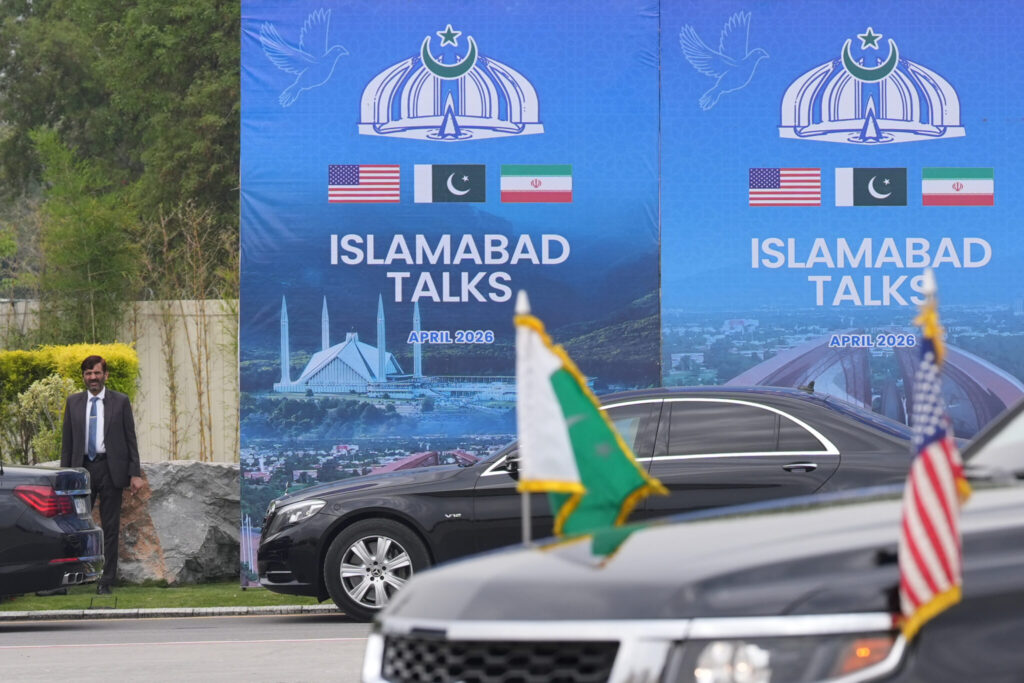
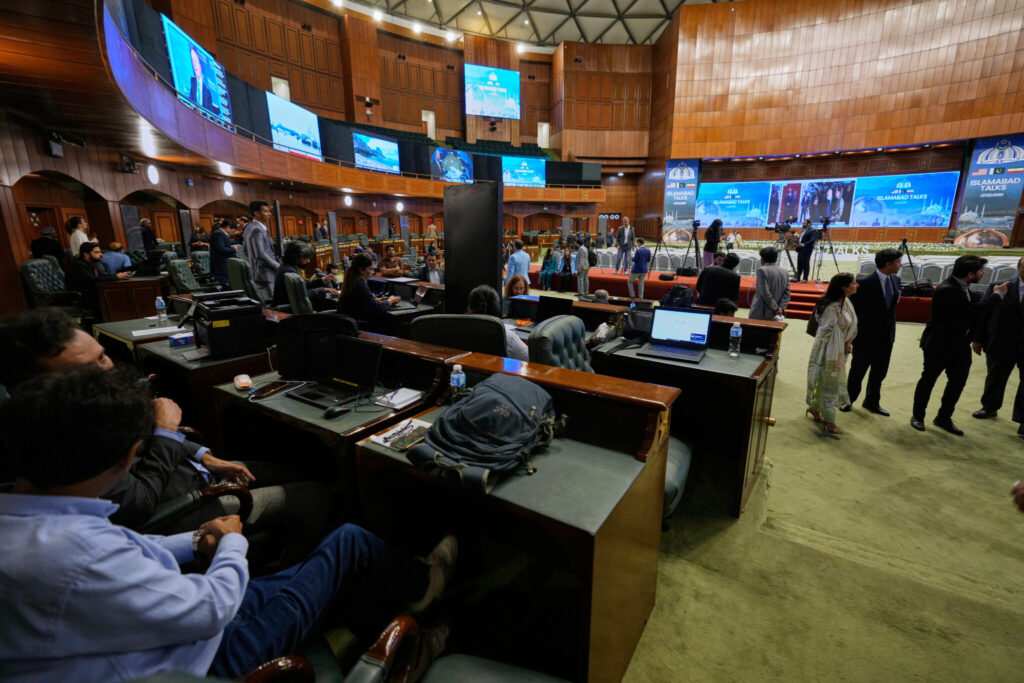
ISLAMABAD — The United States and Iran began high-stakes negotiations Saturday in Pakistan, marking a crucial diplomatic effort days after a fragile two-week ceasefire was announced in a conflict that has killed thousands and disrupted global energy markets.
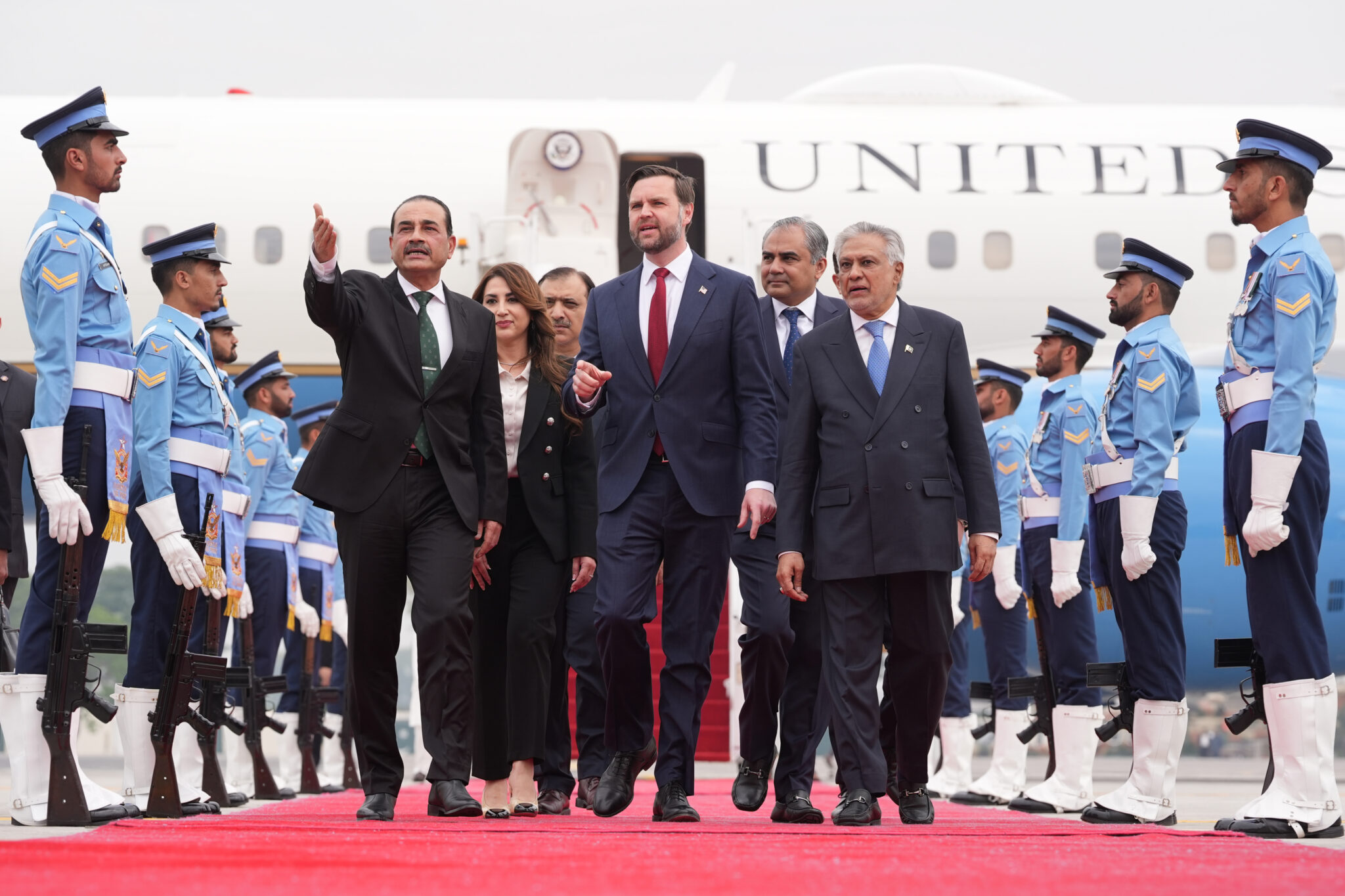
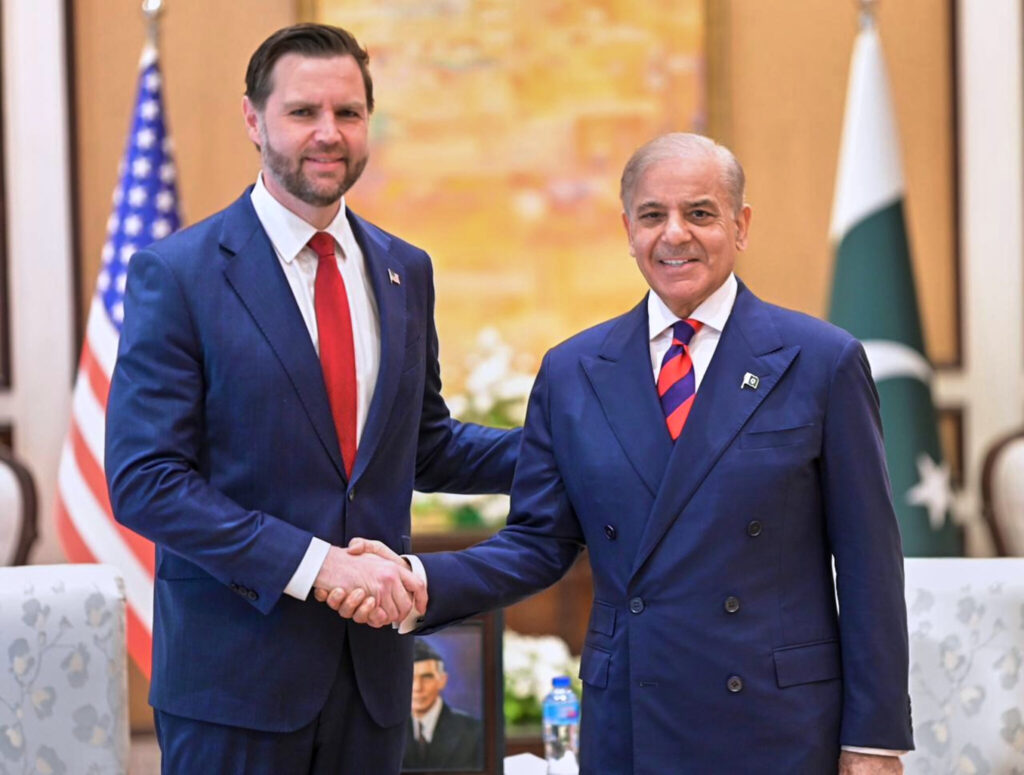
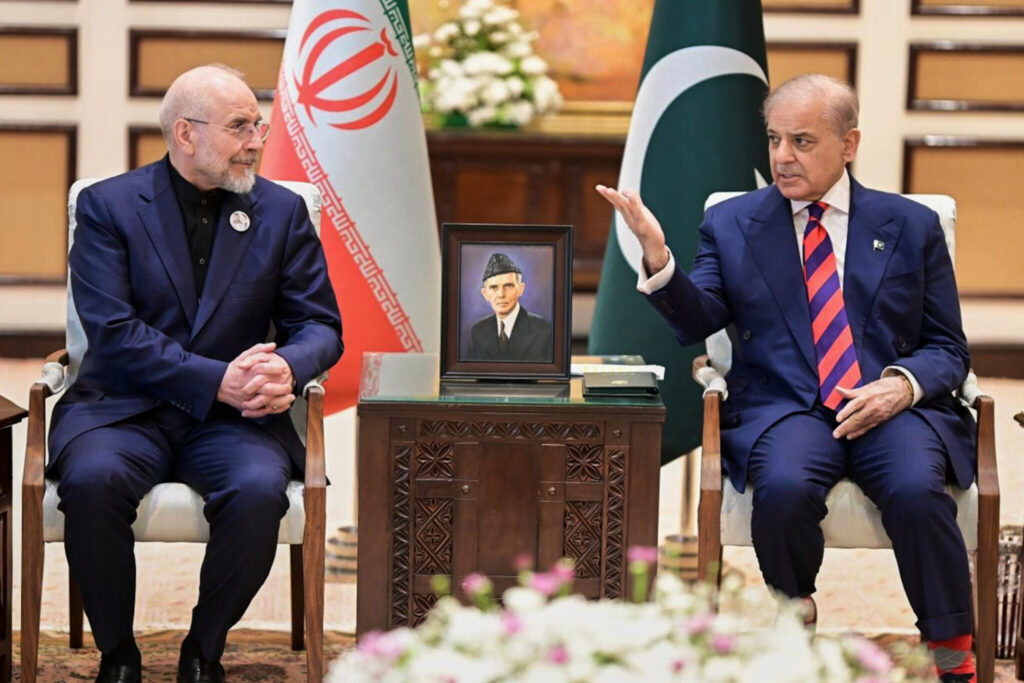
The talks, hosted in Islamabad, brought together a U.S. delegation led by Vice President JD Vance and an Iranian delegation headed by Parliament Speaker Mohammad Bagher Qalibaf. Pakistani officials confirmed that discussions were underway following preliminary meetings with Prime Minister Shehbaz Sharif.
Iran’s state-run media reported that negotiations began after Tehran’s preconditions were partially met, including a reduction in Israeli strikes in southern Lebanon. Officials did not confirm whether U.S. and Iranian negotiators were meeting directly or through intermediaries.
“I cannot say whether they are sitting in the same room or in separate rooms, but talks have started and are progressing well,” a Pakistani official familiar with negotiations said.
High Stakes After Seven Weeks of War
The negotiations come as the war enters its seventh week, with widespread casualties and economic disruption across the region. According to officials, the conflict has resulted in:
- At least 3,000 deaths in Iran
- 1,953 fatalities in Lebanon
- 23 deaths in Israel
- Additional casualties in Gulf Arab nations
The fighting has also caused extensive infrastructure damage across multiple countries and disrupted global energy markets.
Iran’s control over the Strait of Hormuz has significantly limited oil and gas exports from the Persian Gulf, sending energy prices higher and contributing to global inflation concerns.
Iran Sets “Red Lines” for Negotiations
Iran’s delegation reaffirmed several key demands during early discussions, describing them as “red lines.” These include:
- Compensation for U.S. and Israeli strikes
- Release of frozen Iranian assets
- Broader ceasefire including Lebanon
- Greater control over the Strait of Hormuz
Iranian officials also warned that Tehran retains the right to retaliate if attacks resume.
Iran’s Foreign Minister Abbas Araghchi said Tehran entered negotiations with “deep distrust” following previous airstrikes that occurred during earlier diplomatic efforts.
US Pushes Competing Proposal
The United States outlined a competing 15-point proposal, focusing on:
- Limiting Iran’s nuclear program
- Reopening the Strait of Hormuz
- Stabilizing regional security
- Expanding ceasefire terms
President Donald Trump continued to apply pressure ahead of talks, posting on social media that Iran had limited leverage.
“The only reason they are alive today is to negotiate!” Trump wrote.
Trump also accused Iran of using control of the Strait of Hormuz as leverage over global energy supplies and said the U.S. would ensure shipping routes reopen.
Security Tight in Islamabad
Security across Islamabad was heightened as talks began. Roads were closed, and residents were urged to stay indoors while diplomatic delegations met.
Vice President Vance expressed cautious optimism ahead of the negotiations.
“If they’re going to try and play us, then they’re going to find that the negotiating team is not that receptive,” Vance said.
Lebanon Conflict Complicates Talks
Meanwhile, Israel continued military operations against Hezbollah in Lebanon, complicating ceasefire negotiations. Lebanese officials reported at least three deaths from Israeli strikes Saturday.
Israel’s insistence that its campaign against Hezbollah is separate from the Iran ceasefire has threatened negotiations.
Direct talks between Israel and Lebanon are expected to begin Tuesday in Washington, with discussions focused on disarming Hezbollah and stabilizing border tensions.
Strait of Hormuz Remains Central Issue
The Strait of Hormuz remains one of the most critical issues in negotiations. Before the war, more than 100 ships passed through the waterway daily, carrying about one-fifth of the world’s oil supply.
Since the conflict began, only about 12 ships have been recorded passing through, effectively restricting global energy flows.
Brent crude oil prices remained elevated above $94 per barrel — more than 30% higher than before the conflict began.
Iran has also floated proposals to charge transit fees for ships using the strait, a suggestion rejected by the United States and regional countries including Oman.
Skepticism and Hope in Iran
Residents in Tehran expressed cautious optimism about negotiations while acknowledging the long road to recovery.
“Peace alone is not enough for our country, because we’ve been hit very hard,” said one Tehran resident. “There have been huge costs.”
As negotiations continue, the outcome could determine whether the fragile ceasefire evolves into lasting peace — or whether the conflict escalates again.