Hungary Election 2026: Péter Magyar Pushes Fast Power Transfer/ Newslooks/ WASHINGTON/ J. Mansour/ Morning Edition/ Hungary’s election winner Péter Magyar is pushing for a rapid transition of power following a historic landslide victory. He aims to overhaul government institutions, restore rule of law, and reset Hungary’s relationship with the European Union. The new government could take office as early as May 5, marking a major political shift after Viktor Orbán’s long rule.
Hungary Election 2026 Quick Looks
- Péter Magyar calls for parliament to convene quickly
- Possible takeover as prime minister by May 5
- Tisza party wins 138 of 199 parliamentary seats
- Supermajority allows sweeping constitutional reforms
- Promises to restore rule of law and fight corruption
- Plans new ministries for health, environment, education
- Seeks improved relations with European Union
- Wants Hungary to opt-out of EU Ukraine loan
- Pledges to recover alleged misused national assets
- Frozen EU funds key priority for new government
- Analysts warn institutions still dominated by Orbán allies
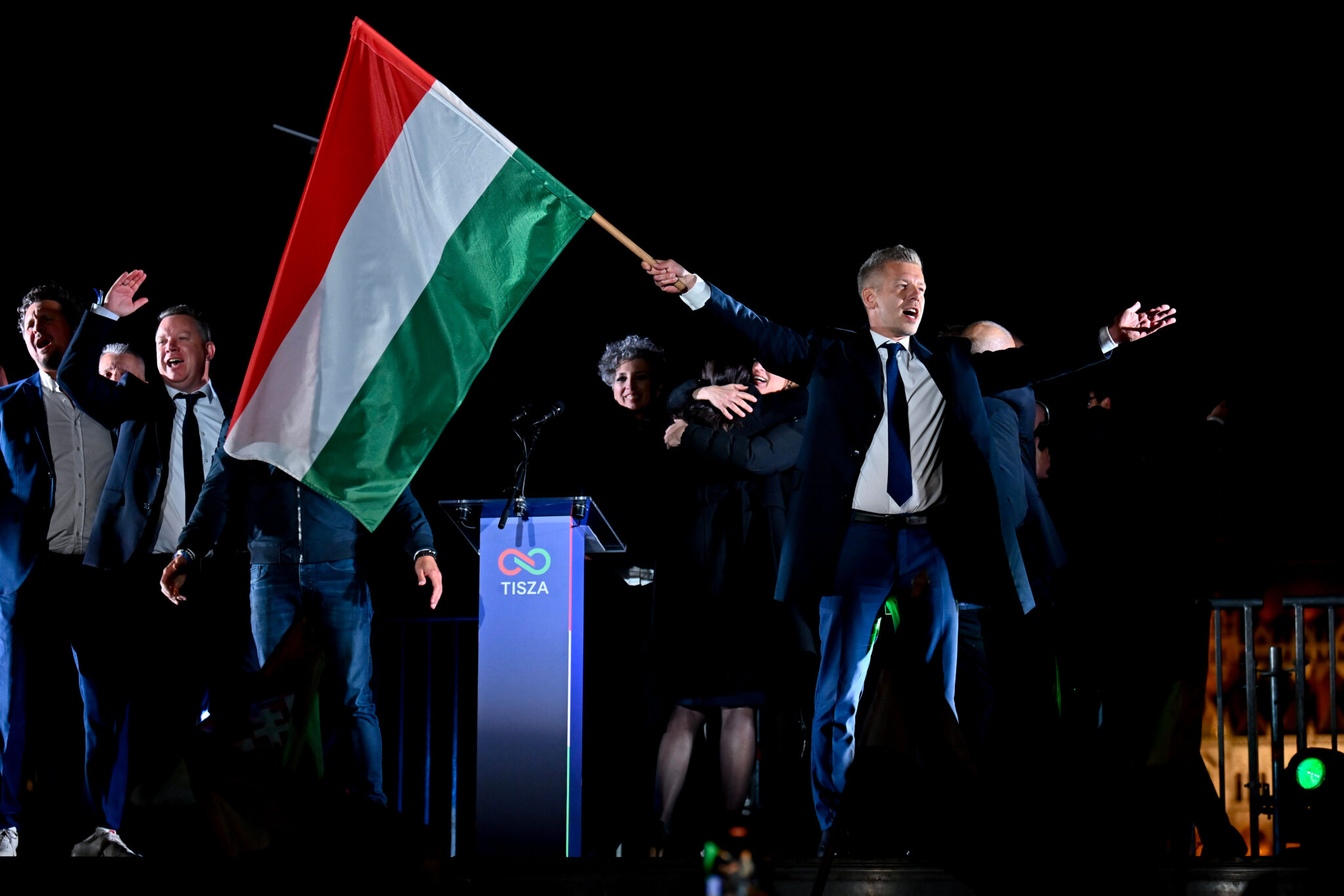
- Celebrations erupt across Budapest after historic victory
Deep Look: Hungary’s Political Earthquake as Magyar Moves Fast
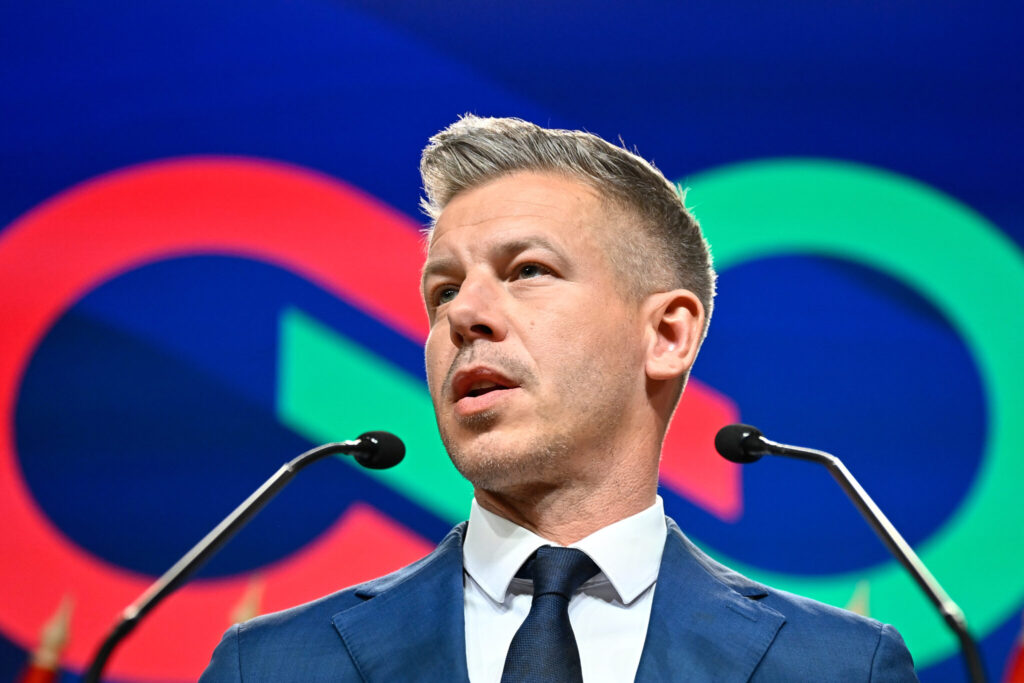
Hungary is entering a new political era after opposition leader Péter Magyar secured a historic electoral victory and called for a rapid transition of power. Following Sunday’s landslide win, Magyar urged the country’s president to convene parliament immediately so a new government can be formed as soon as possible — potentially allowing him to assume office by May 5.
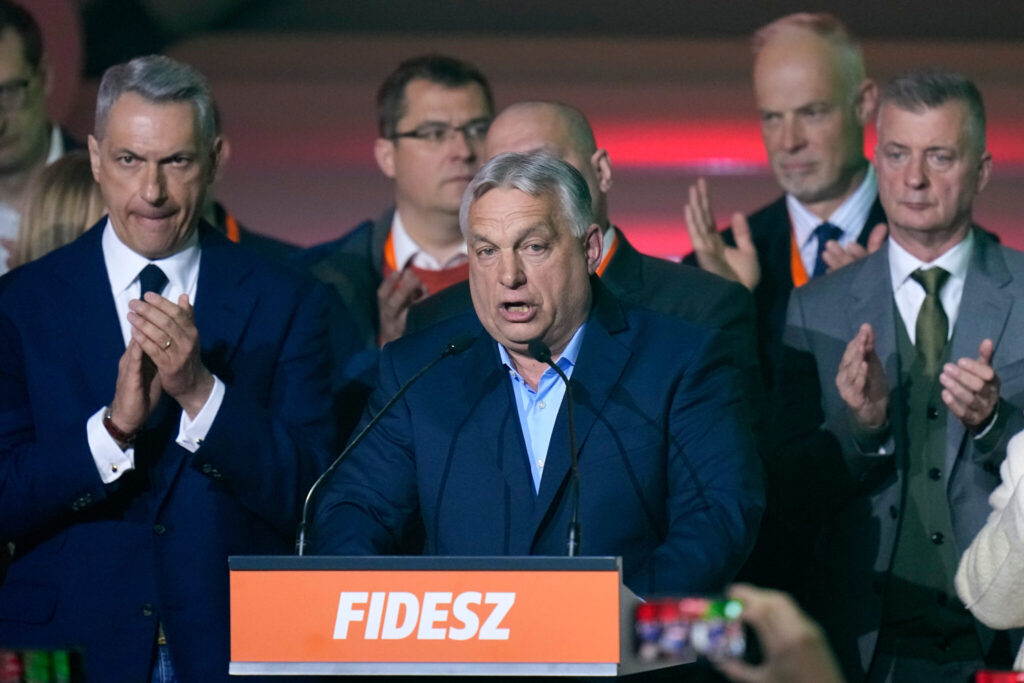
Magyar’s Tisza party achieved an overwhelming victory, capturing 138 of Hungary’s 199 parliamentary seats. The result gives the party a two-thirds supermajority — the same level of power long held by outgoing Prime Minister Viktor Orbán — and opens the door for sweeping reforms across Hungary’s political and institutional landscape.
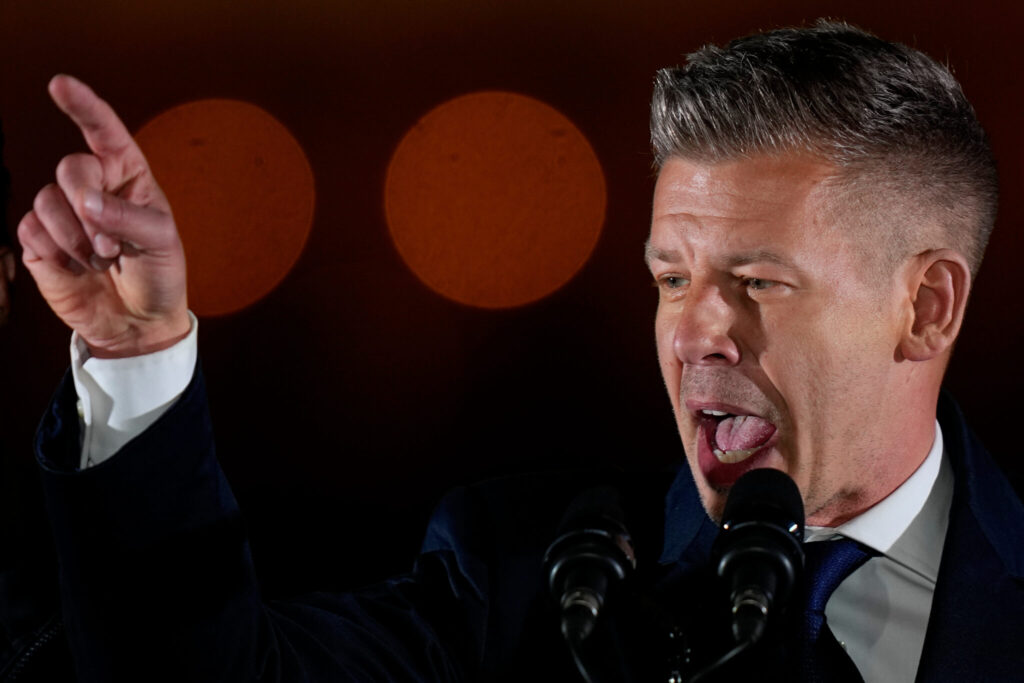
“The Hungarian people didn’t vote for a simple change of government, but for a complete change in regime,” Magyar said during a Monday press conference in Budapest.
A Historic Mandate for Reform
Magyar described the election outcome as a “never-before-seen mandate,” promising broad institutional reforms designed to restore democratic safeguards and tackle corruption. His proposed agenda includes restructuring government institutions to strengthen independence, improve transparency, and enhance oversight.
Among his priorities:
- Restoring rule of law
- Fighting systemic corruption
- Creating new ministries for key sectors
- Strengthening public health systems
- Expanding environmental protections
- Reforming education
Magyar also signaled a shift in Hungary’s foreign policy approach, pledging stronger cooperation with European partners after years of tension between Hungary and the European Union under Orbán’s leadership.
While Magyar said he opposes fast-tracking Ukraine’s European Union membership during wartime, he suggested he would not veto a proposed 90-billion-euro EU loan to Ukraine. Instead, Hungary could opt out of participating due to domestic financial challenges.
Ending Hungary’s Eastward Drift
During his campaign, Magyar promised to steer Hungary away from closer ties with Russia and China — a defining feature of Orbán’s foreign policy. Despite receiving congratulatory messages from Moscow and Beijing, Magyar emphasized Hungary’s independence.
“Hungarians said they will write their history — not in Moscow, not in Beijing, not in Washington,” Magyar said following his victory.
The election outcome has sparked optimism across Europe, where leaders had long expressed concerns about Hungary’s democratic direction and Orbán’s repeated vetoes of EU initiatives, including sanctions against Russia and funding for Ukraine.
Celebrations Across Budapest
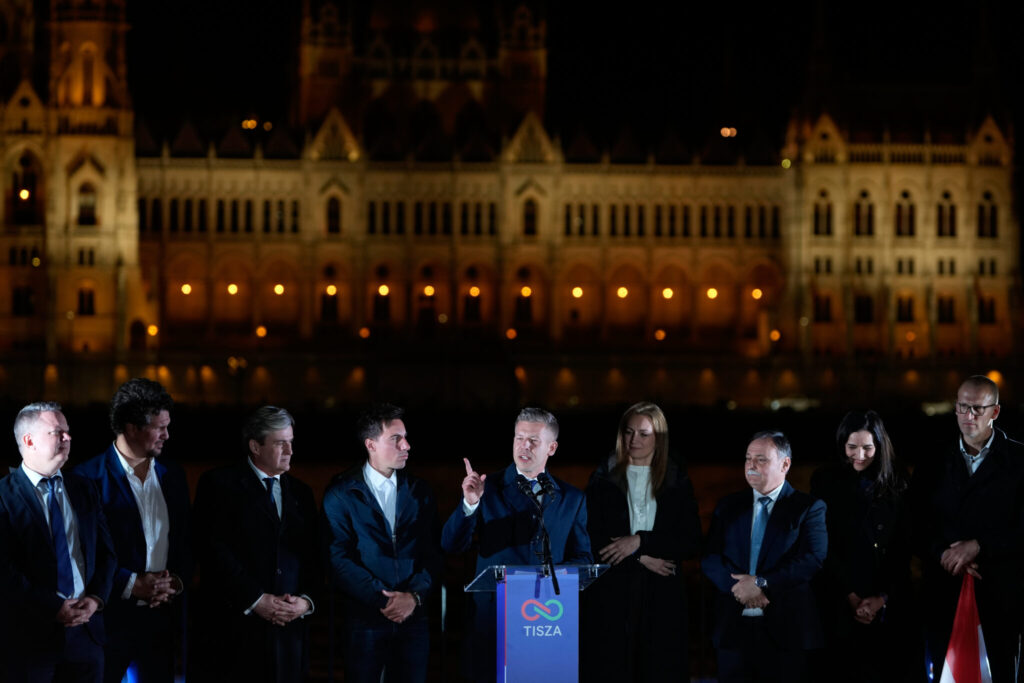
The historic win sparked celebrations across Hungary’s capital, Budapest. Tens of thousands gathered in the streets, waving flags, honking car horns, and chanting in celebration of what many saw as a turning point for the country.
Adrien Rixer, who returned from London to vote, expressed emotional relief after the results.
“Finally I can say that I’m a proud Hungarian, finally after 16 years,” he said.
However, not everyone is fully convinced about the implications of another two-thirds majority. Some observers voiced caution, noting that such concentrated power could create risks if not handled responsibly.
“It’s hard to see that with two-thirds that it’s going to be a fair government, but we will see,” said celebrant Dániel Kovács.
Institutional Obstacles Remain
Despite the sweeping mandate, analysts caution that Magyar’s reforms may face structural obstacles. During his years in power, Orbán appointed loyal allies to key institutions, including:
- Constitutional Court
- Public prosecutor’s office
- Media authority
- Electoral bodies
Many of these officials hold extended mandates, making them difficult to remove even after a change in government.
Political analyst Bulcsú Hunyadi noted that while Magyar has strong legislative authority, entrenched leadership could slow reform efforts.
“They don’t really have any other tools to remove these people,” Hunyadi said, noting Magyar has called for voluntary resignations from some officials, including Hungary’s president.
Economic Pressure and EU Funding
Magyar has also accused the previous government of mismanaging Hungary’s economy and allowing corruption to flourish among political allies. He pledged to create an Office for the Recovery and Protection of National Assets to reclaim what he described as improperly accumulated wealth.
One of the most urgent challenges will be unlocking billions of euros in frozen European Union funds. The EU withheld funding due to concerns about rule-of-law violations and corruption under Orbán’s government.
Hungary’s struggling economy makes these funds crucial, and analysts say the new government will face tight deadlines to implement reforms required by the EU.
“There are deadlines in terms of unfreezing the funds. They will have to deliver certain laws and reforms by August this year,” Hunyadi said.
A Turning Point for Hungary and Europe
Magyar’s victory marks the most significant political shift in Hungary’s post-Communist history. His party secured more votes and parliamentary seats than any previous party since democratic reforms began.
Across Europe, leaders are closely watching Hungary’s transition, hoping the new government will strengthen democratic institutions and improve cooperation within the European Union.
Meanwhile, Ukraine also expressed hope that relations with Hungary will improve following the election. Ukrainian officials indicated optimism that tensions fueled by campaign rhetoric could ease under the new leadership.
With parliament expected to convene soon, Hungary now faces a critical moment — one that could redefine its political direction, economic recovery, and role within Europe for years to come.